
Anvil Question

Joined
Jan 6, 2003
Messages
716
I bought this off of eBay; the seller was local so i was able to pick it up and save shipping.
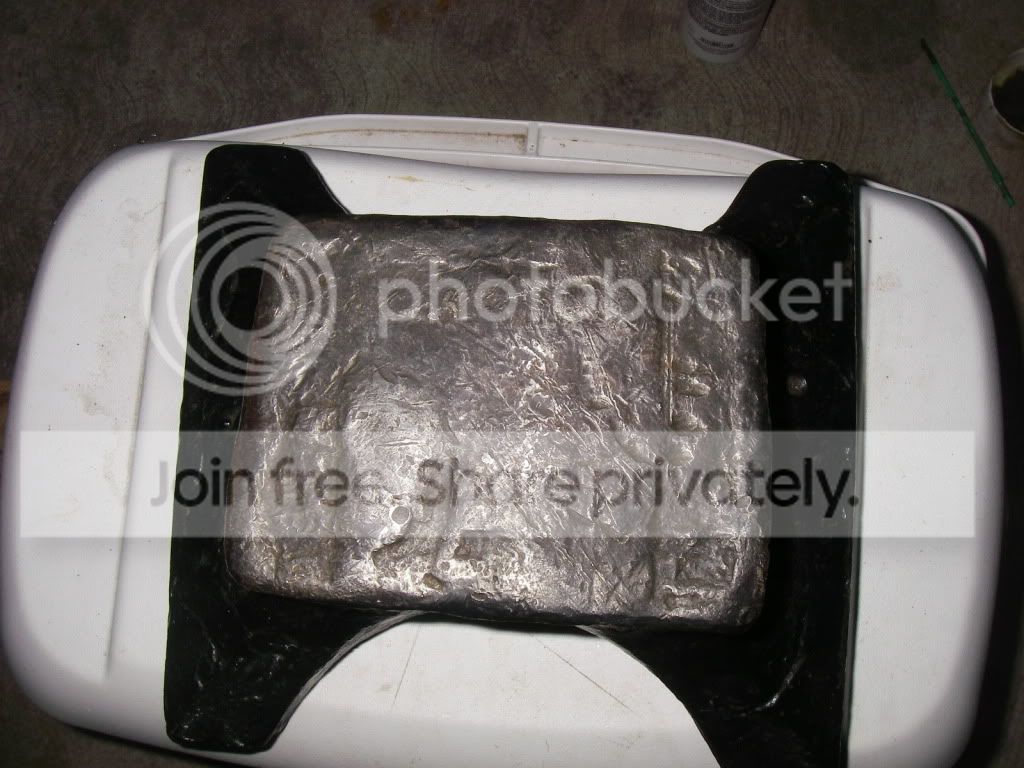
IMGP1135.jpg

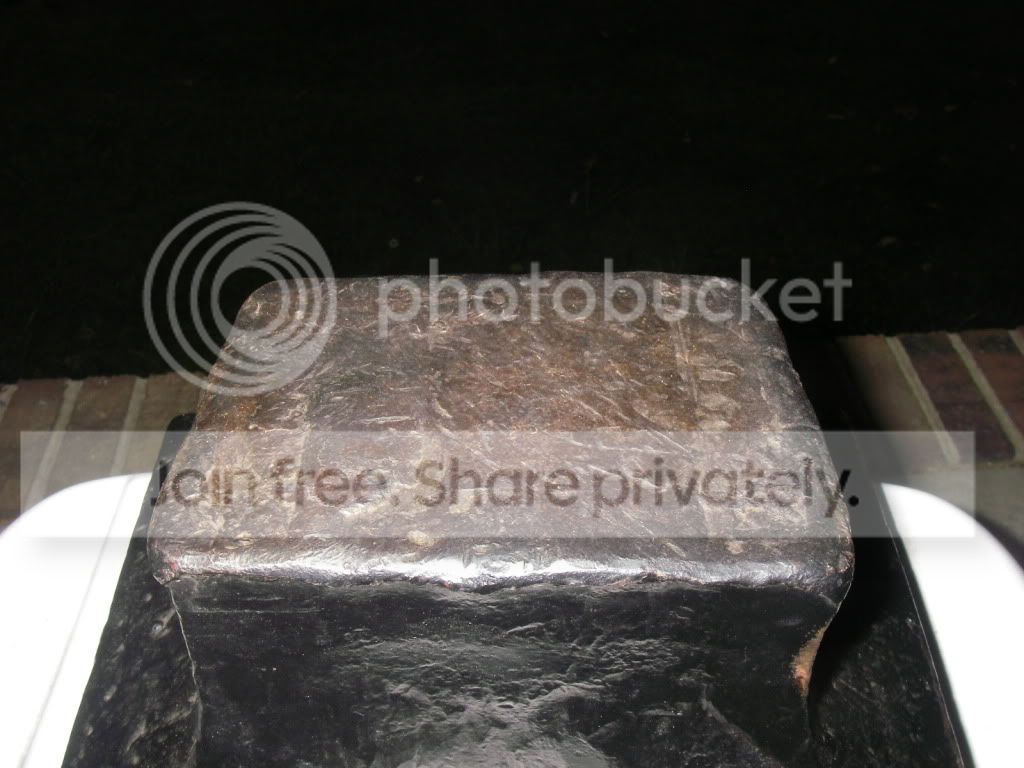
IMGP1134.jpg


It weighs 56 pounds and I bought it to try forging some small to medium size knives. So what is it and what should i do with it? Is it the broken base of a regular anvil or a sawyer's anvil?

Should I take an angle grinder and knock down the high spots and use it as is? or spend time and money getting it surface ground? I've only got $66 in it right now.

I'll try to post a better pic showing the whole thing from the side when I get home. And no, I don't plan on forging with it on top of the cooler, it will have a lot more stable home before I do that. :)


thanks for any help

randy
 
Hard to say, either of your explanations could be true.. The face looks very soft, so it could be the broken body of a traditional anvil.

My suggestion would be to just take the angle grinder to it if it's not hardened. You're going to be re-dressing it pretty often, but like you said, not much invested in it. The big thing is that you don't want all those dips and dives marring your work, which they will.
 
Not to hijack your thread but I bought this yesterday for $20 , it weighs at least 150lbs . I'm thinking of cutting the legs down to 3 feet. The guy I got it from was at least 65 yrs old and he said his dad used it a the farm so it's got to be 40 yrs old at a minimum .The steel has got to be worth $20 this thing is solid . I also got this today , a lot less fun .


What do you think the top is made out of ? A huge piston head? Do they used to weigh 150 lbs? I found a 1895 fisher for $ 500 is that a good price ?
 
Last edited:
Randy- I think it was a good decision to buy it. It's not a beauty queen, but like I mentioned in my other message, it should definitely get you started. I keep leaning more towards the idea of it being a broken off base, especially seeing your new photos that show how mushroomed the top is.

I'd stick with the angle grinder and flap wheel approach for now and see how it goes.

With it being that soft, you COULD get a thick piece of something like S7 or 4140, or whatever, that matches the dimensions of the anvil face, drill and countersink that, then drill/tap corresponding holes in the anvil so that it could be mounted with countersunk bolts. Even something like 1045 would work pretty well. Just an idea.

That said....the best bet would probably be to just rough clean it and keep an eye out for another one if you really want to go that route. :)
 
Back
Top