- Joined
- Jun 7, 2002
- Messages
- 3,411
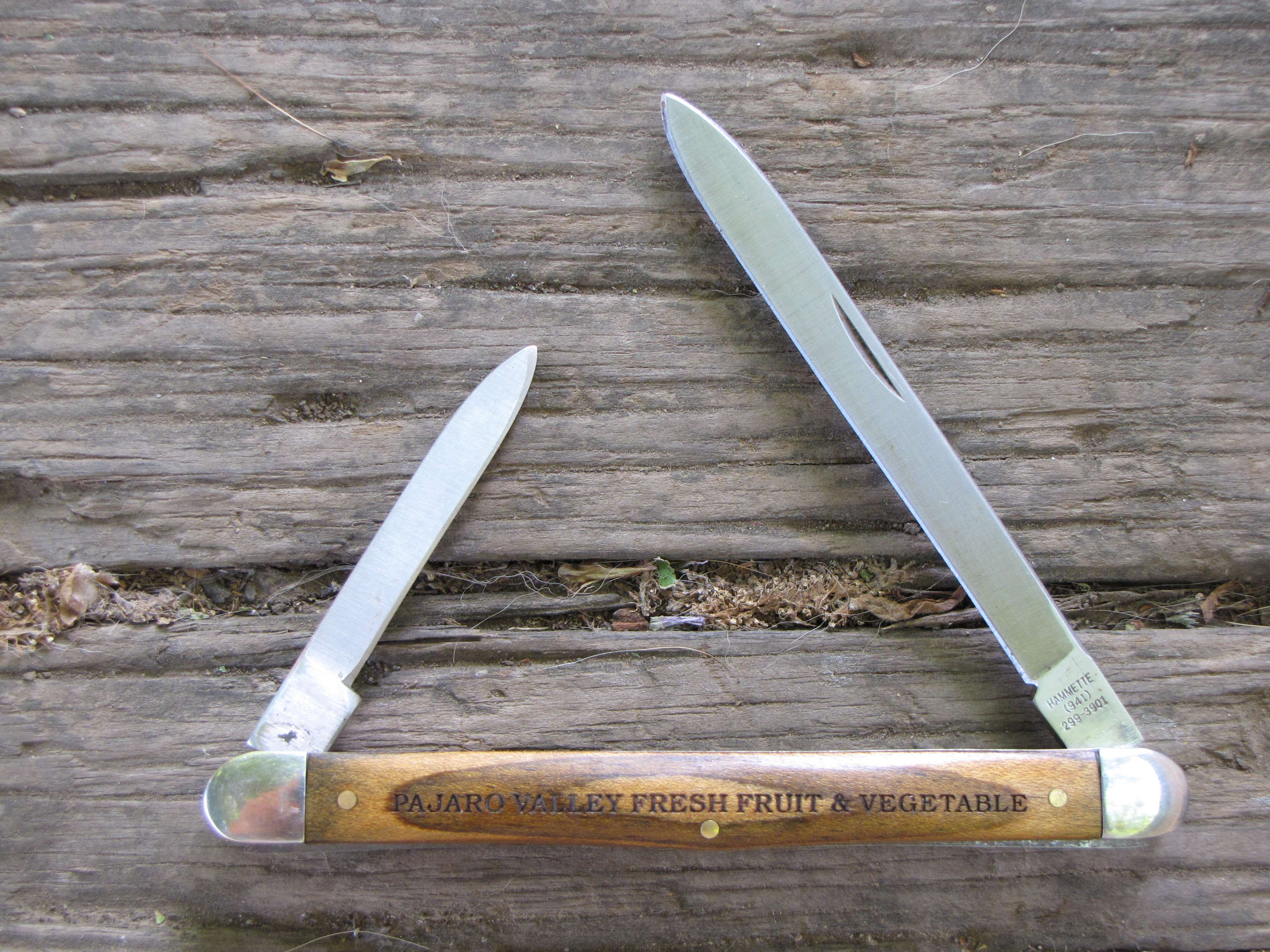
been surfing the bay for bargain peanuts and toothpicks when i saw a "melon tester." what does it do and how?


The BladeForums.com 2024 Traditional Knife is available! Price is $250 ea (shipped within CONUS).
Order here: https://www.bladeforums.com/help/2024-traditional/


a bit dicey if you ask me. jamming a slipjoint into a large tough fruit? but them, i'm no farmer.
which brings me to a second thread question: traditional slipjoints are known for whittling, skinning, cutting tips off cigars, unravelling thick rope knots, and now testing watermelons. are there any other common uses for which certain models are dedicated?

a bit dicey if you ask me. jamming a slipjoint into a large tough fruit? but them, i'm no farmer.
which brings me to a second thread question: traditional slipjoints are known for whittling, skinning, cutting tips off cigars, unravelling thick rope knots, and now testing watermelons. are there any other common uses for which certain models are dedicated?


I've seen some mention before, that the 'melon tester' knives are designed to cut a plug from the melon, in basically a inverted cone shape, to check for ripeness. The long and very narrow, thin blade on Case's version would suit that task very well.
Interesting! My best guess was that it was used for a thin, direct push cut into the melon, to test that way.
... What does one do if the removed cone-shaped piece shows that the melon isn't ripe?
~ P.
"The method with the greatest chance of success for choosing a ripe watermelon is "plugging," or cutting a plug out of the melon to look at the flesh just beyond the rind. Some watermelon sellers will plug melons for you, others do not. Plugging is not acceptable practice in the grocery store unless the produce manager does it for you. In the garden, plugging ruins the watermelon if it is not ripe."