

Mistwalker
Gold Member
- Joined
- Dec 22, 2007
- Messages
- 19,140
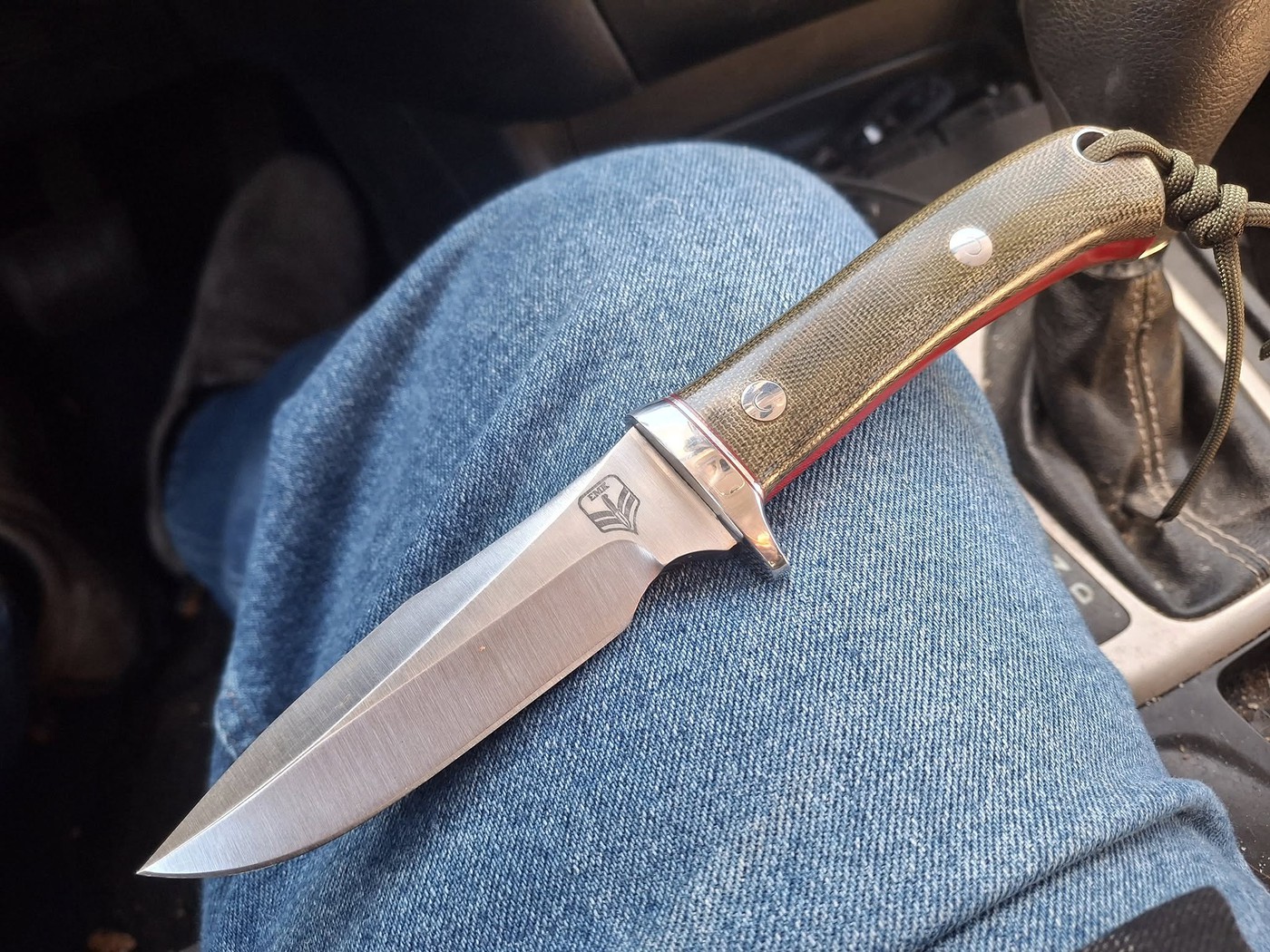
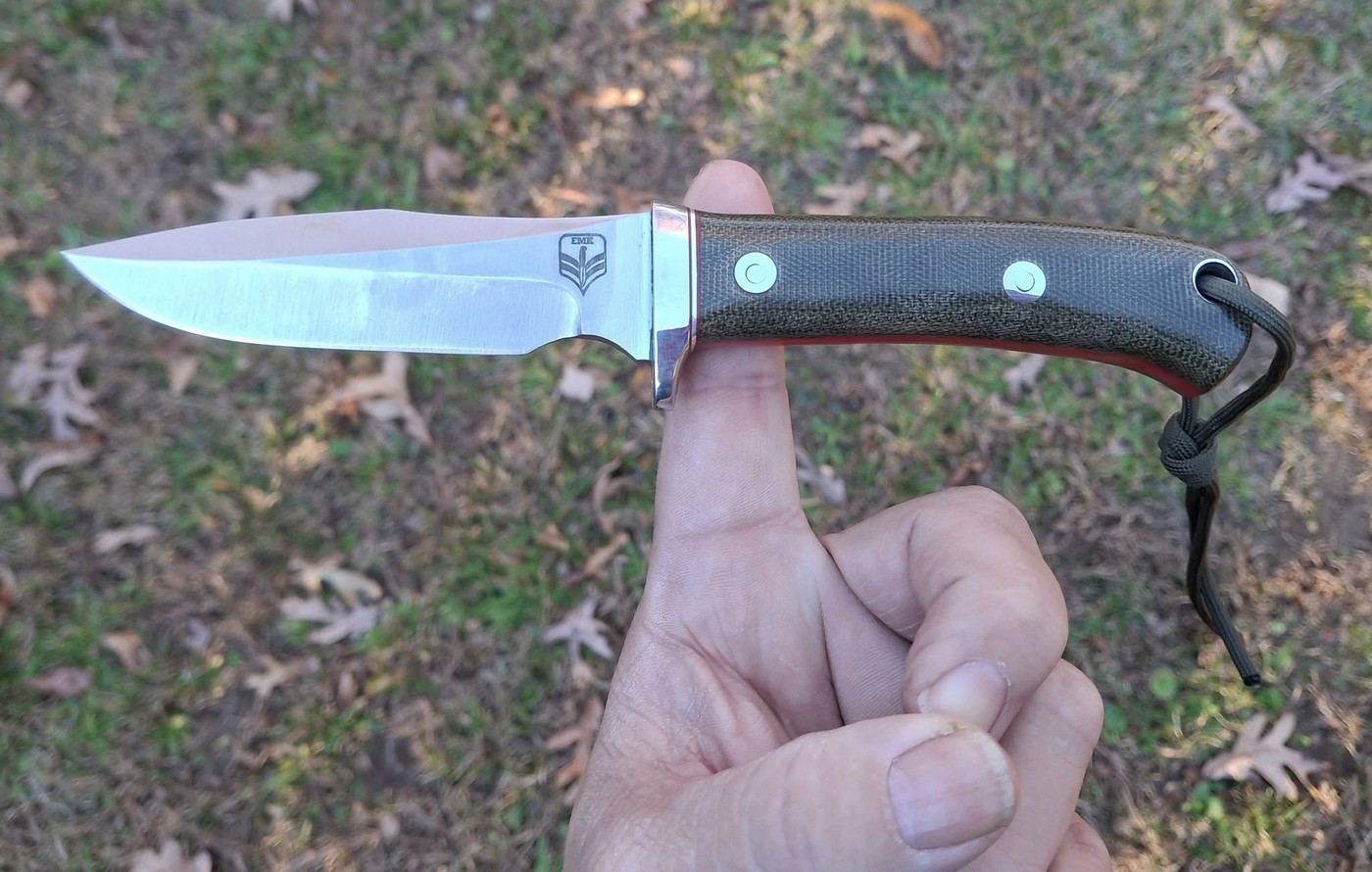
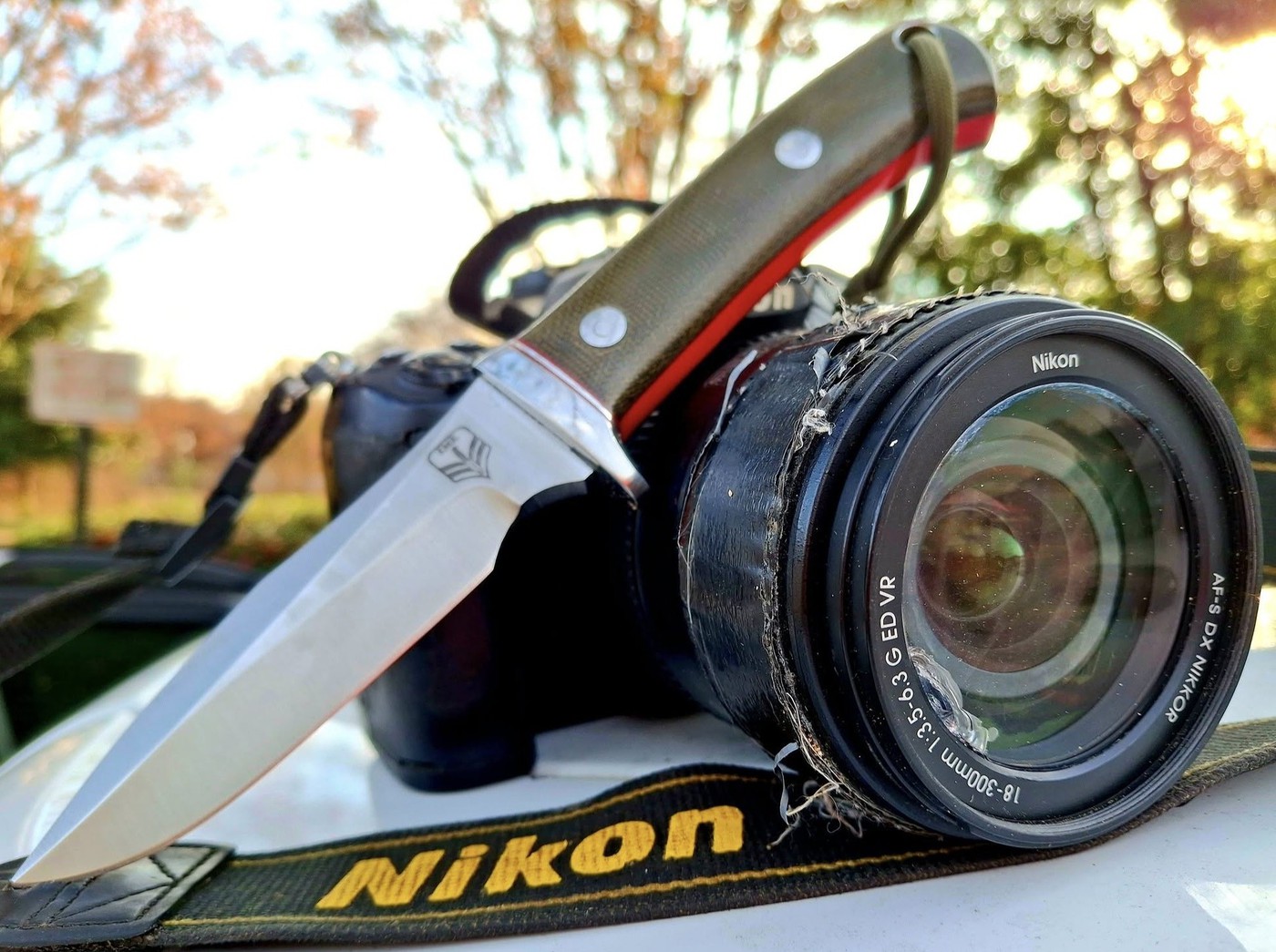
Those who know me pretty well know that I have been carry knives made by Ed Martin for several years. About 14 years now I guess, the last 3 of them almost exclusively, experimenting with different models to decide what I really want to carry in the field. Since I recently finally got a new iteration of my very first Ed Martin knife, that I lost several years ago in a whole different life, I thought I'd finally do a review on the model in general, with images of both of them since I finally found the images I had originally taken to do a review back then.
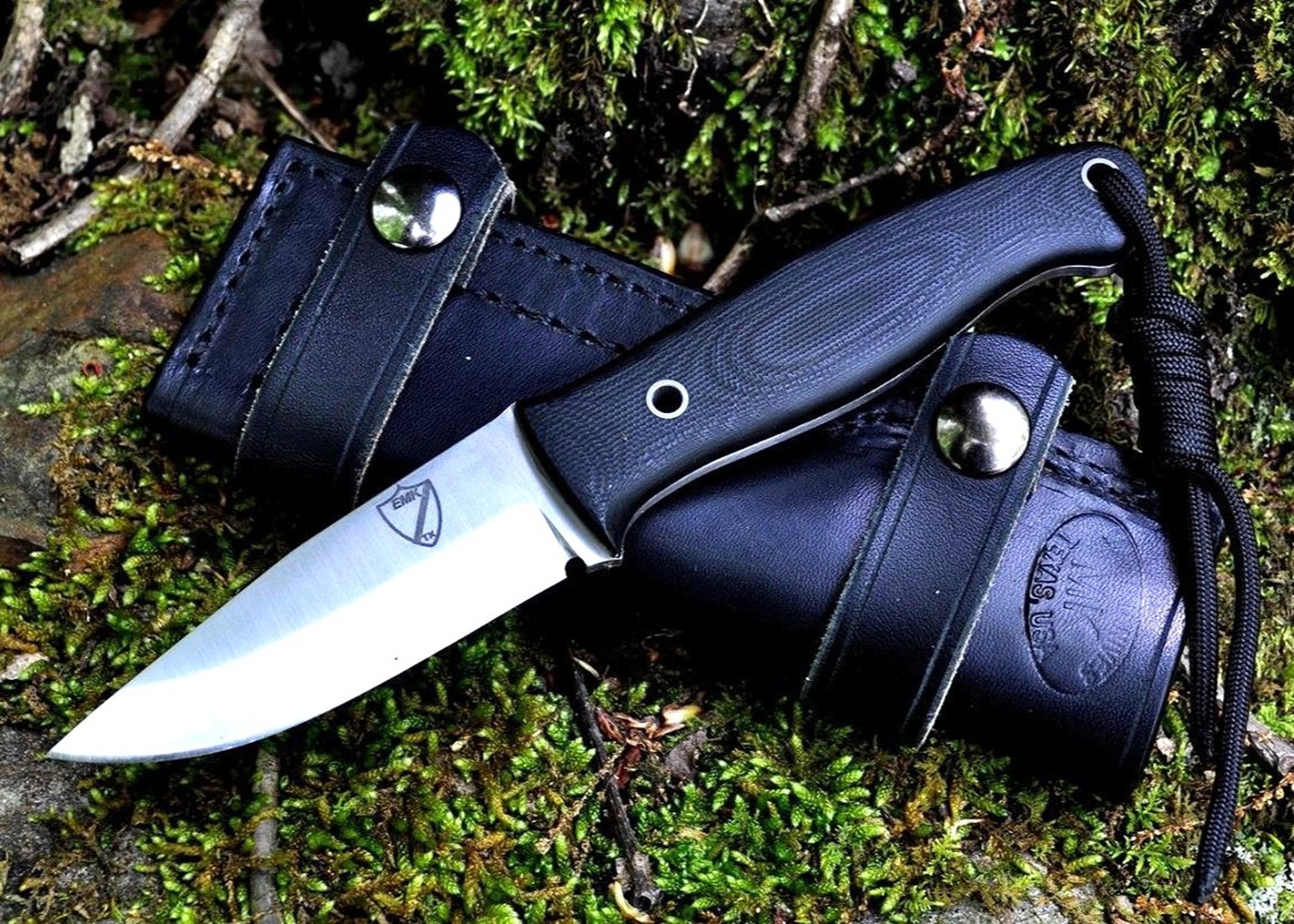
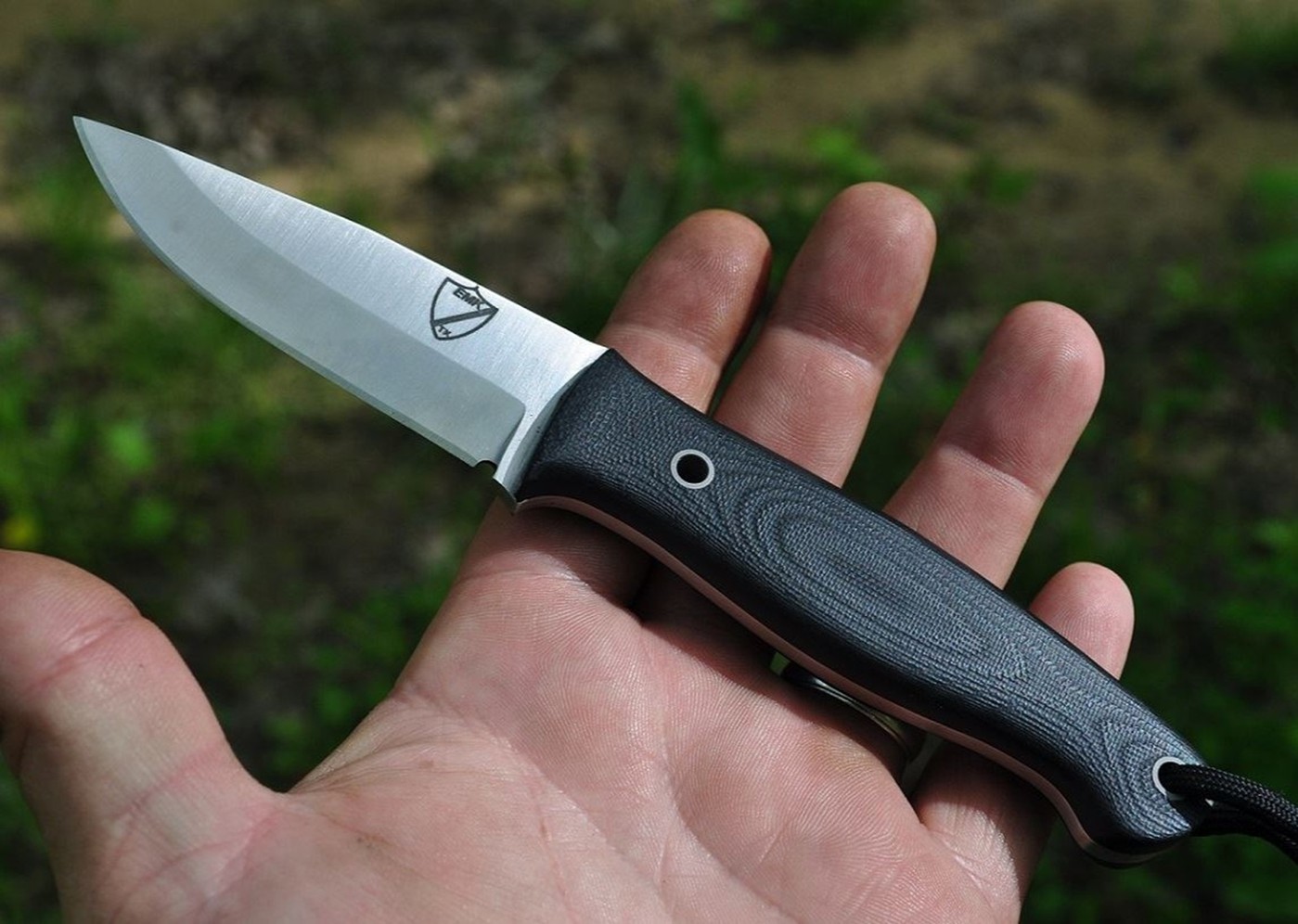
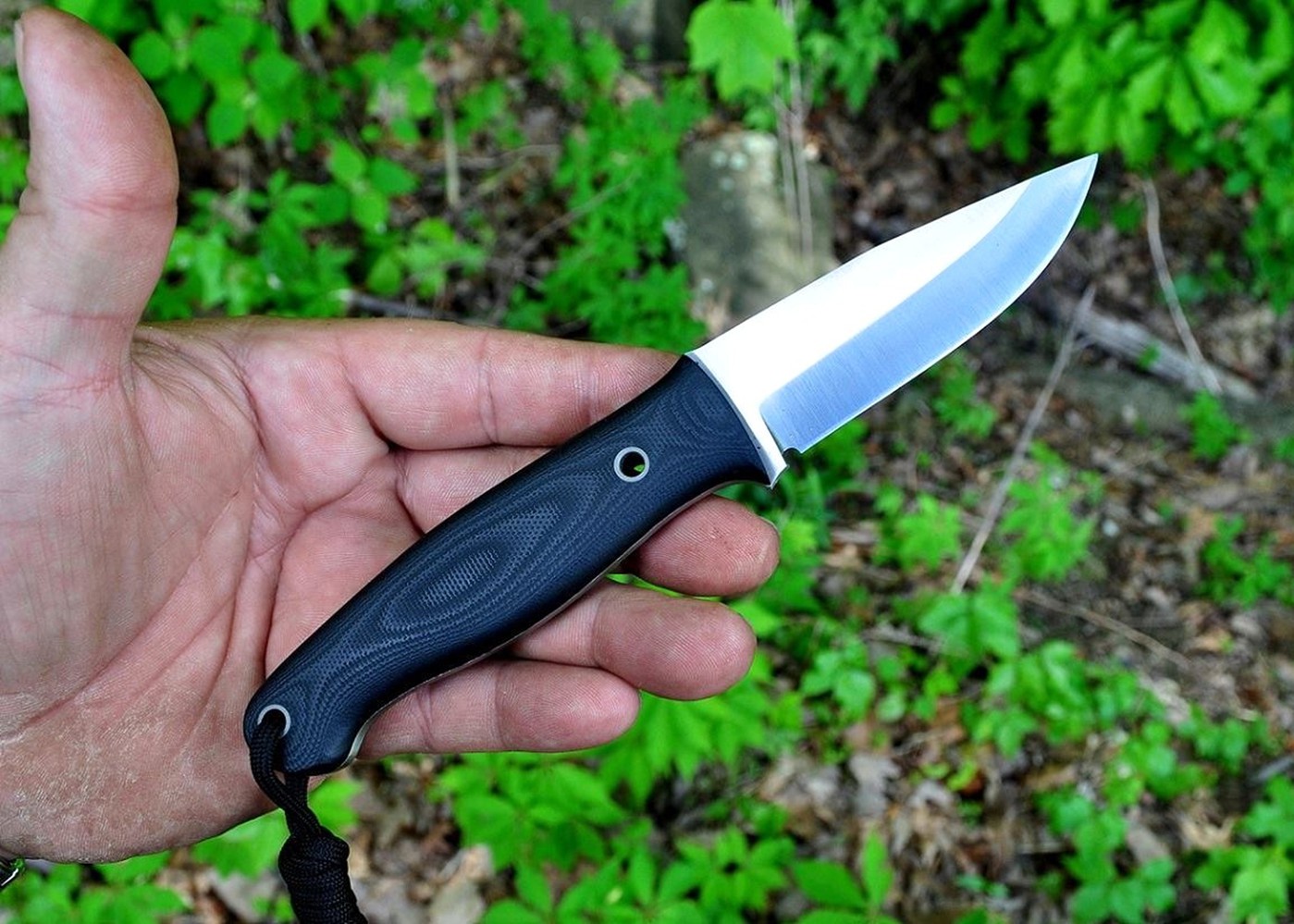
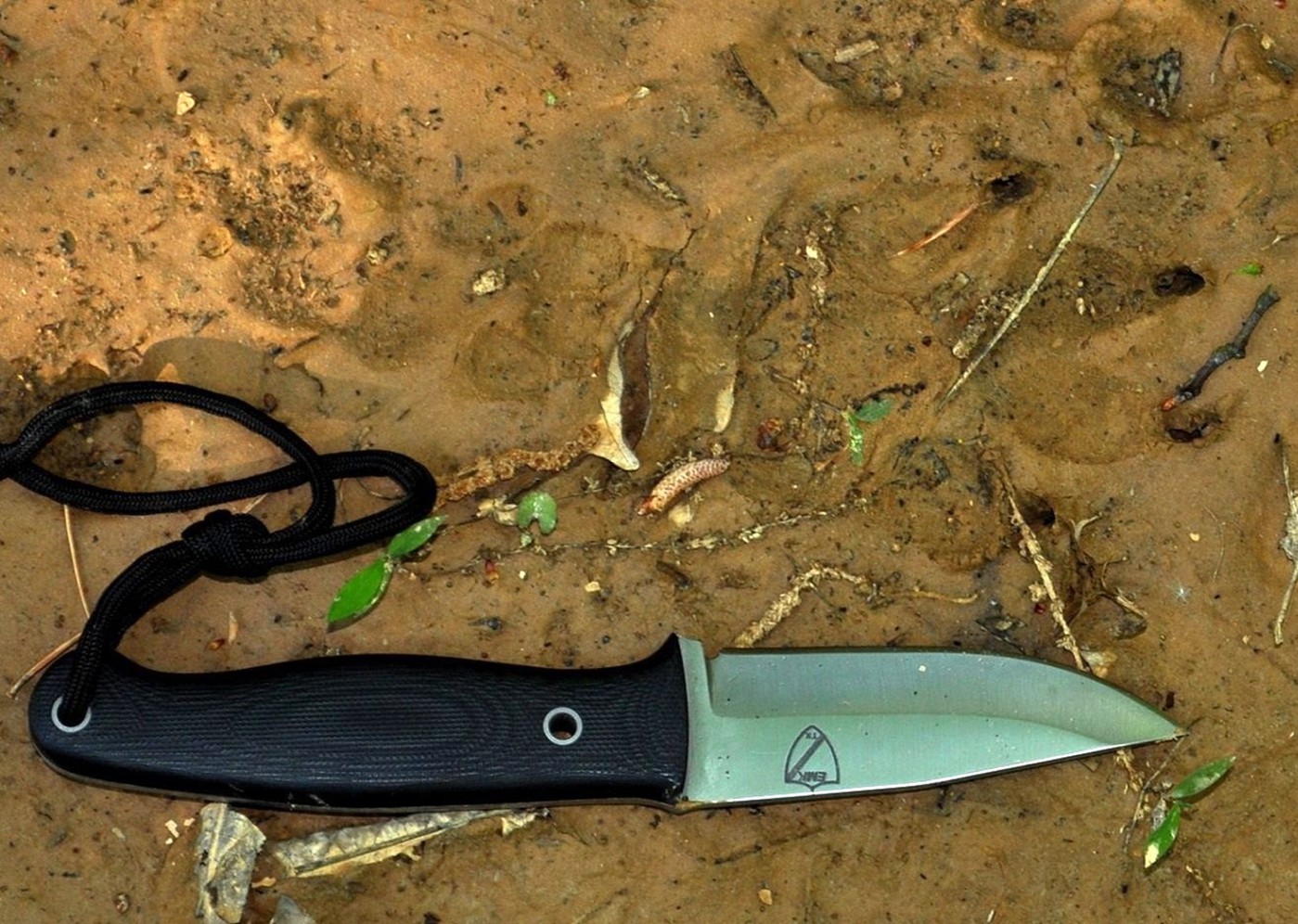
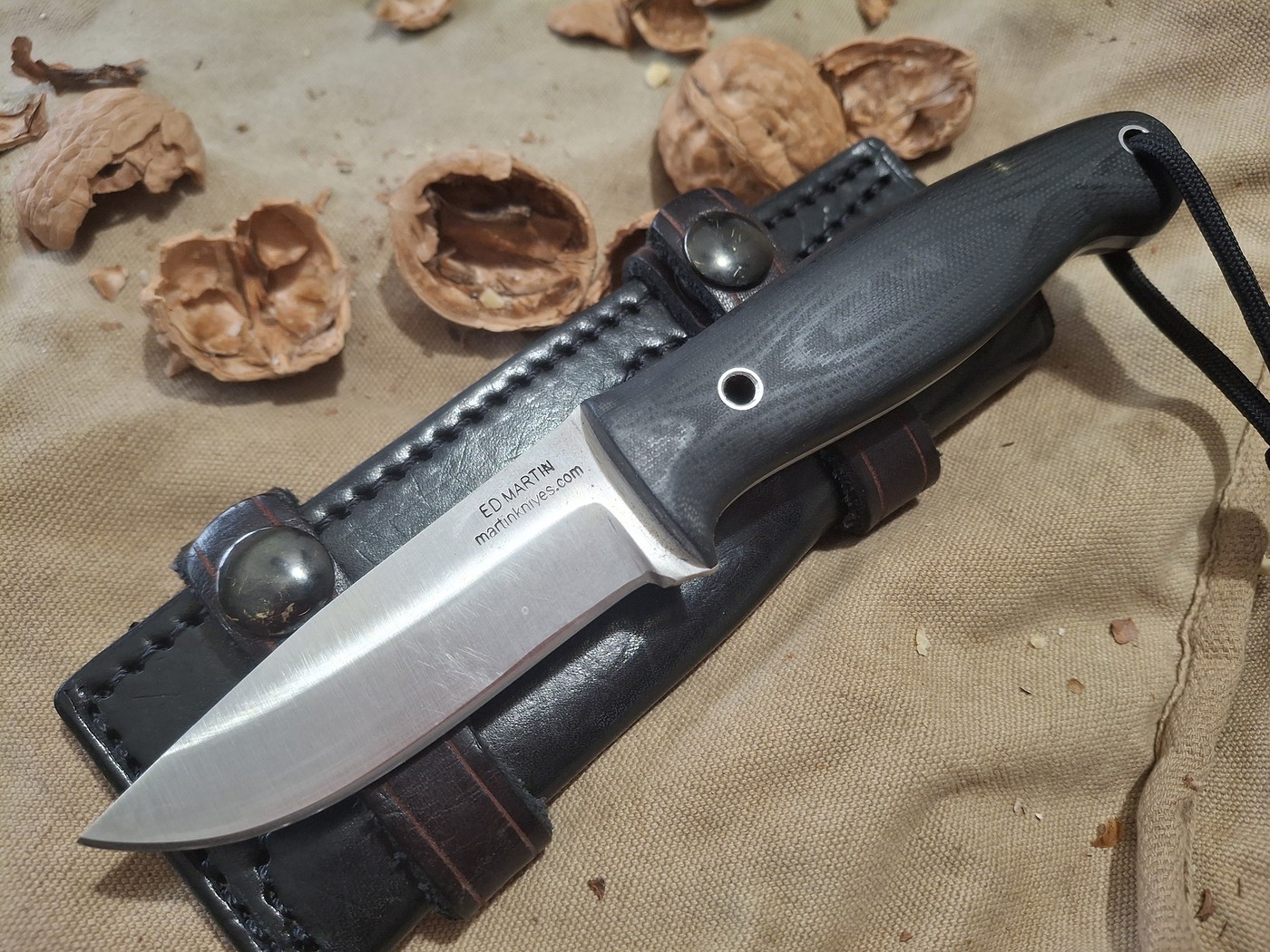
This is the first minimalist black Runt Ipicked up back in 2012. when Ed was still living in Texas, having metEd through his sonNewt.
At the time I was doing material for Tactical Knives Magazine, usually two articles per issue, and was in talks with editors I started writing for the next year.
My goal with the EMK Runt was to find a small, stout and trustworthy knife, but not too heavy, for when I was out in woods and swamps with a backpack full of myequipment and gear I was testing for other people. Whenever I was inthe field, I was always working on my own projects too, making the time I had to be away from my daughter count for as much as I could.
I live in a temperate rain forest in the southeast, so it rains a lot here, and is hot and muggy in the summer with high humidity. So I wanted a knife with a stainless blade and a synthetic handle material.
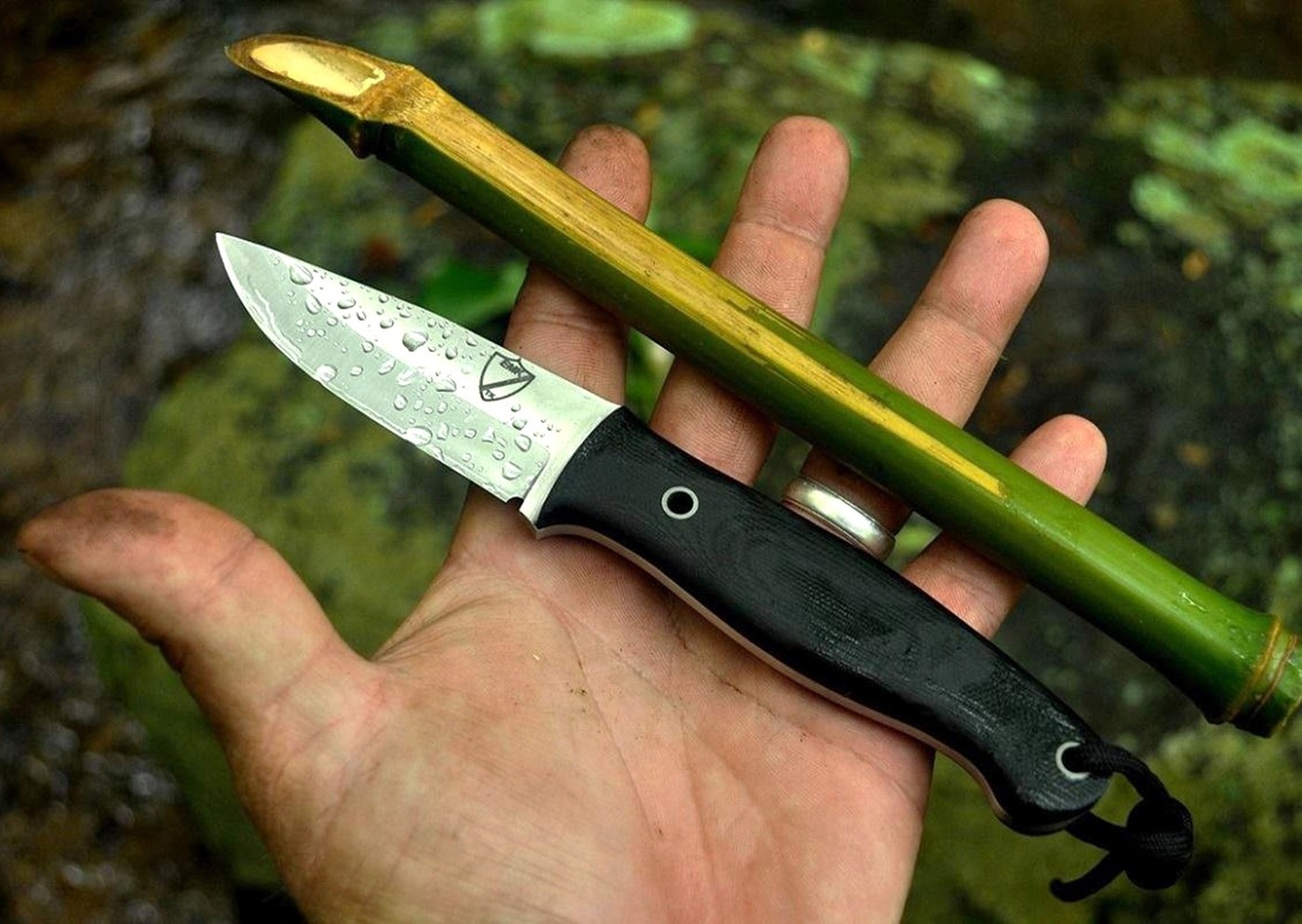
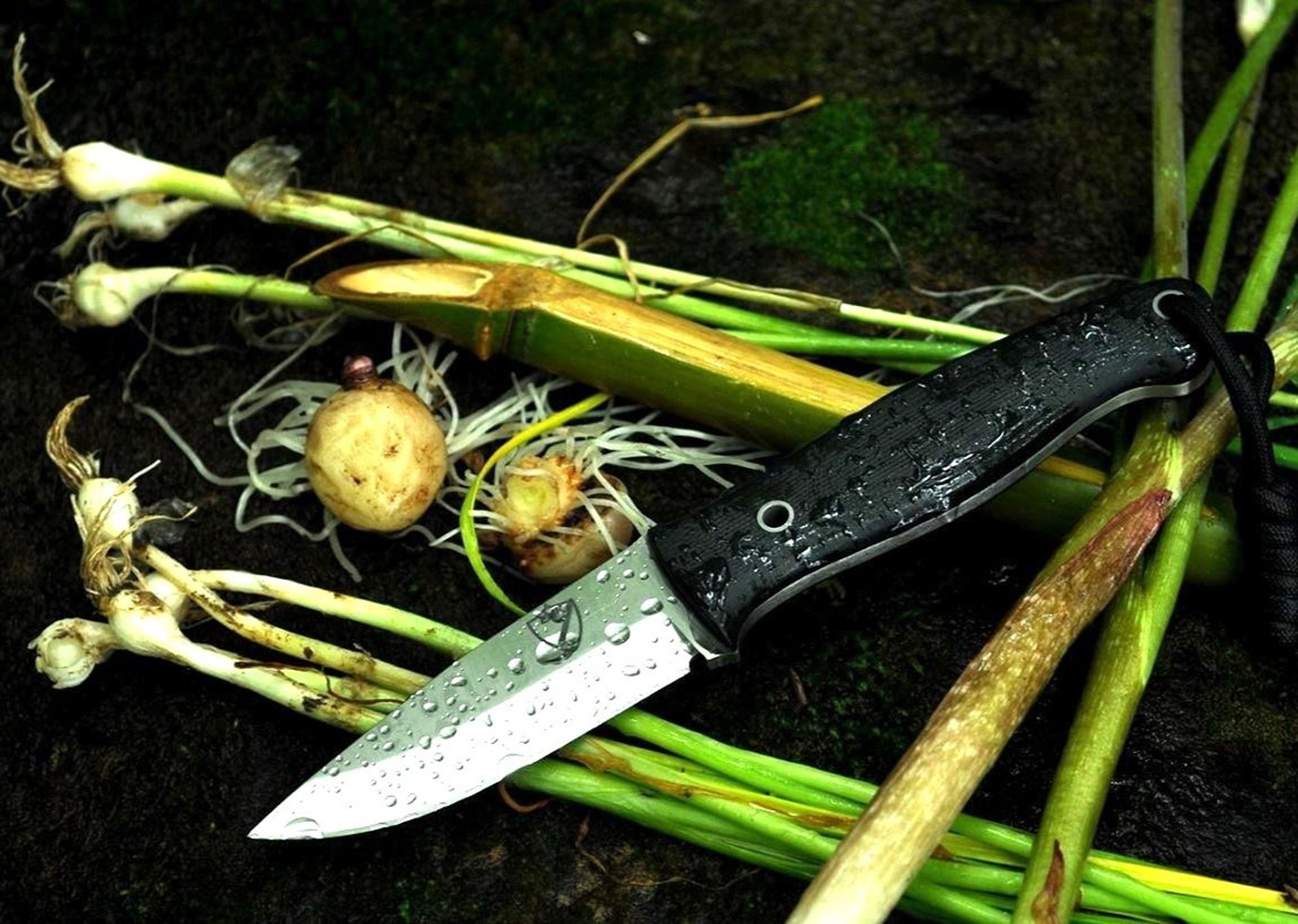
The first Runt was cryo-quenched CPM S35VN with a black G10 handle. This model is 7-5/8 in overall, and has a blade length of 3-3/8 in. Which gives me a full size handle for good control, and a blade length long enough to easily handle any general utility cutting, without being too big and adding too much weight to an already heavy load.
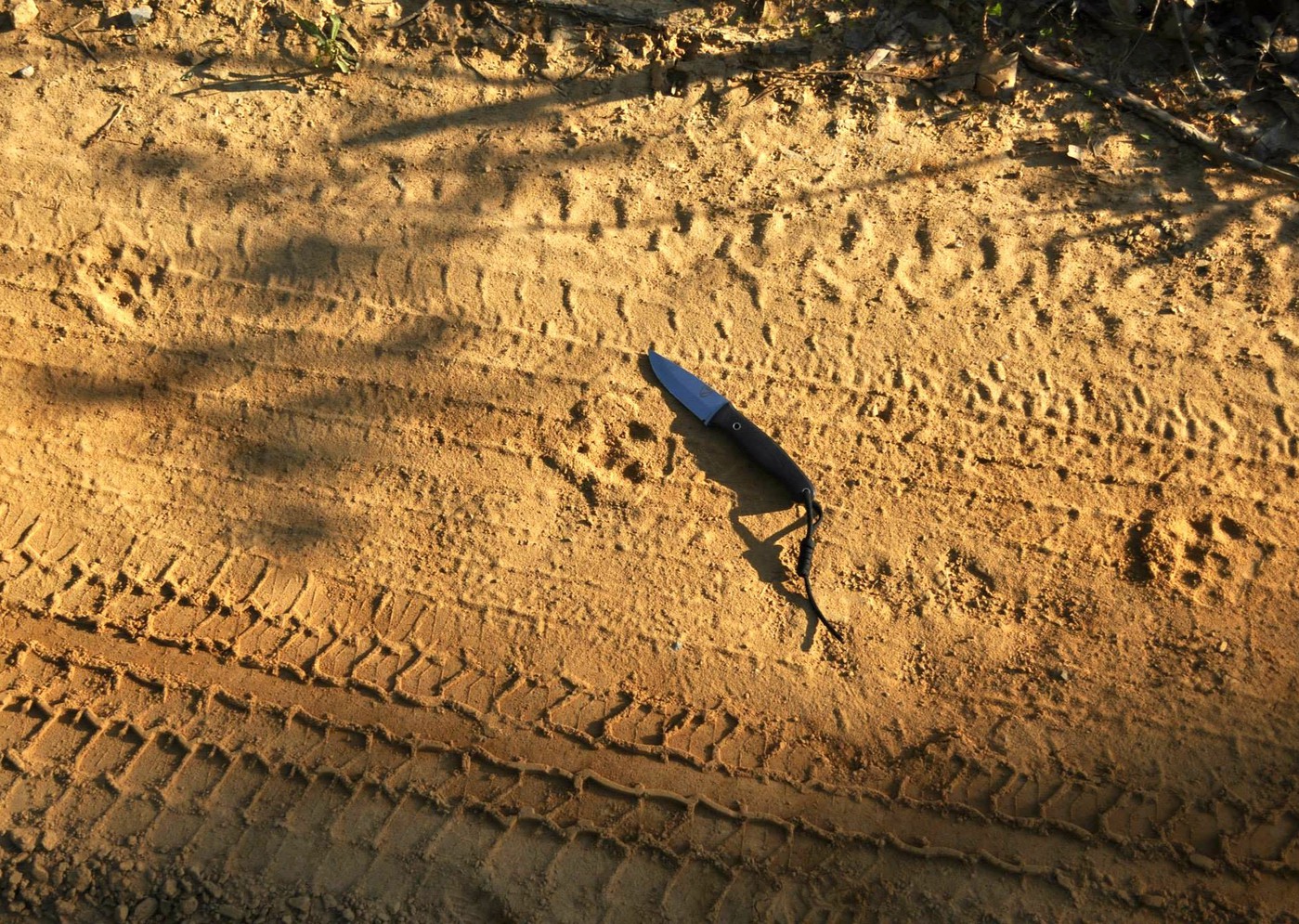
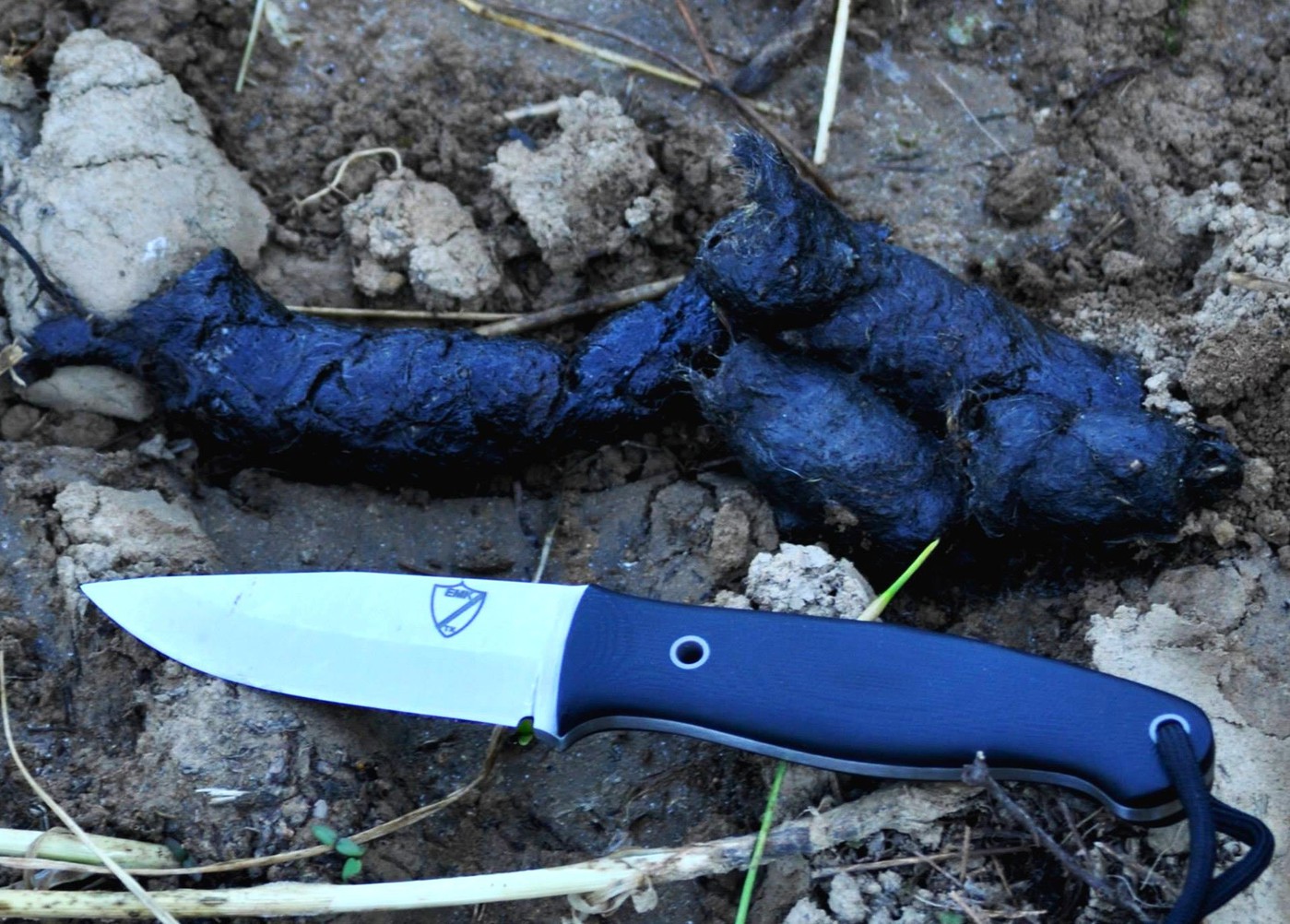
The first Runt was the knife I was carrying the day I decided to start my own flora fauna database of identification images, of as many useful plants as I could collect, from the time they came out of the ground until they witheredand returned to the earth. And tracks of all the animals here.Thirteen years later that folder, I named God's Gardens, contains several folders and over 10K images.
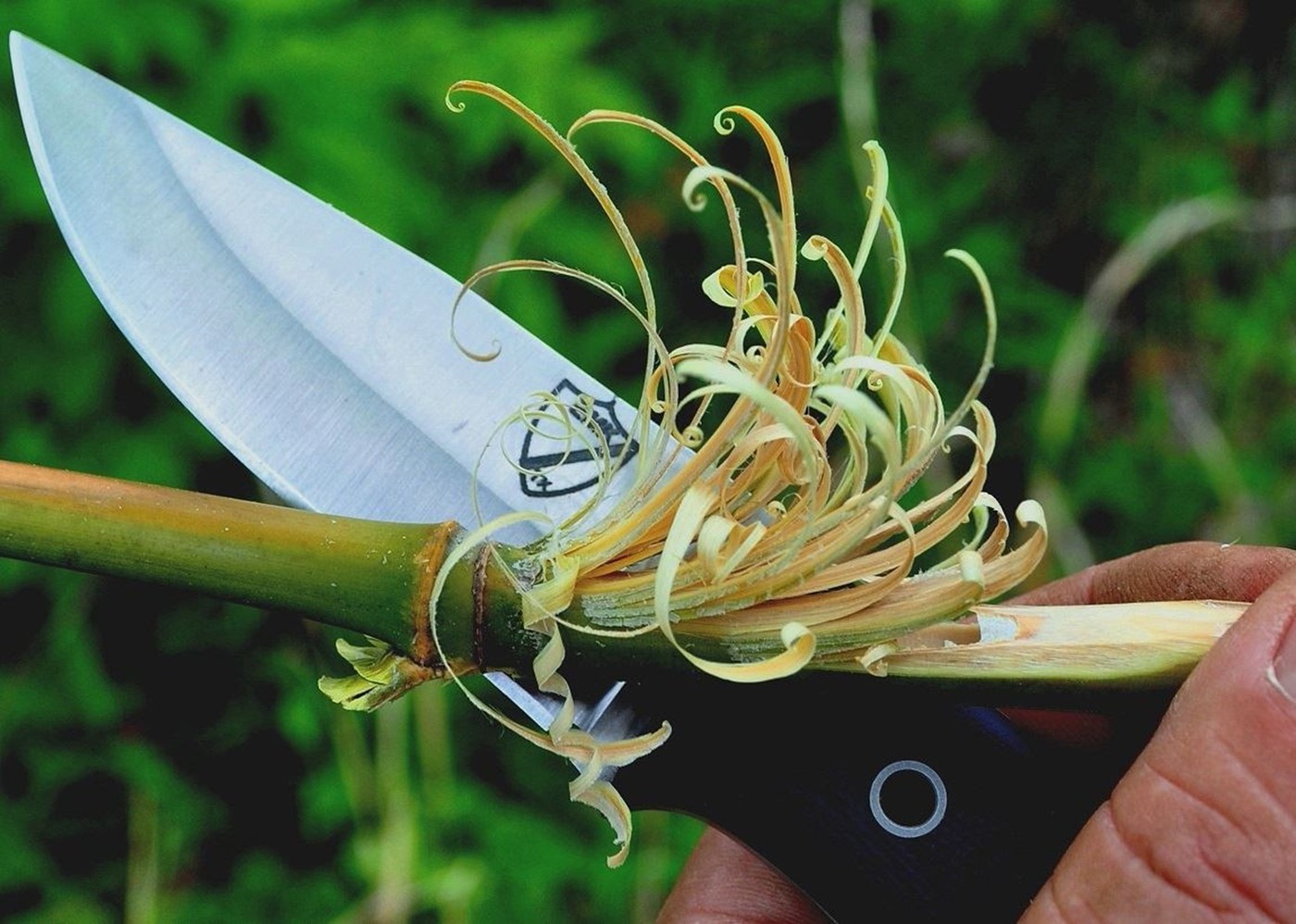
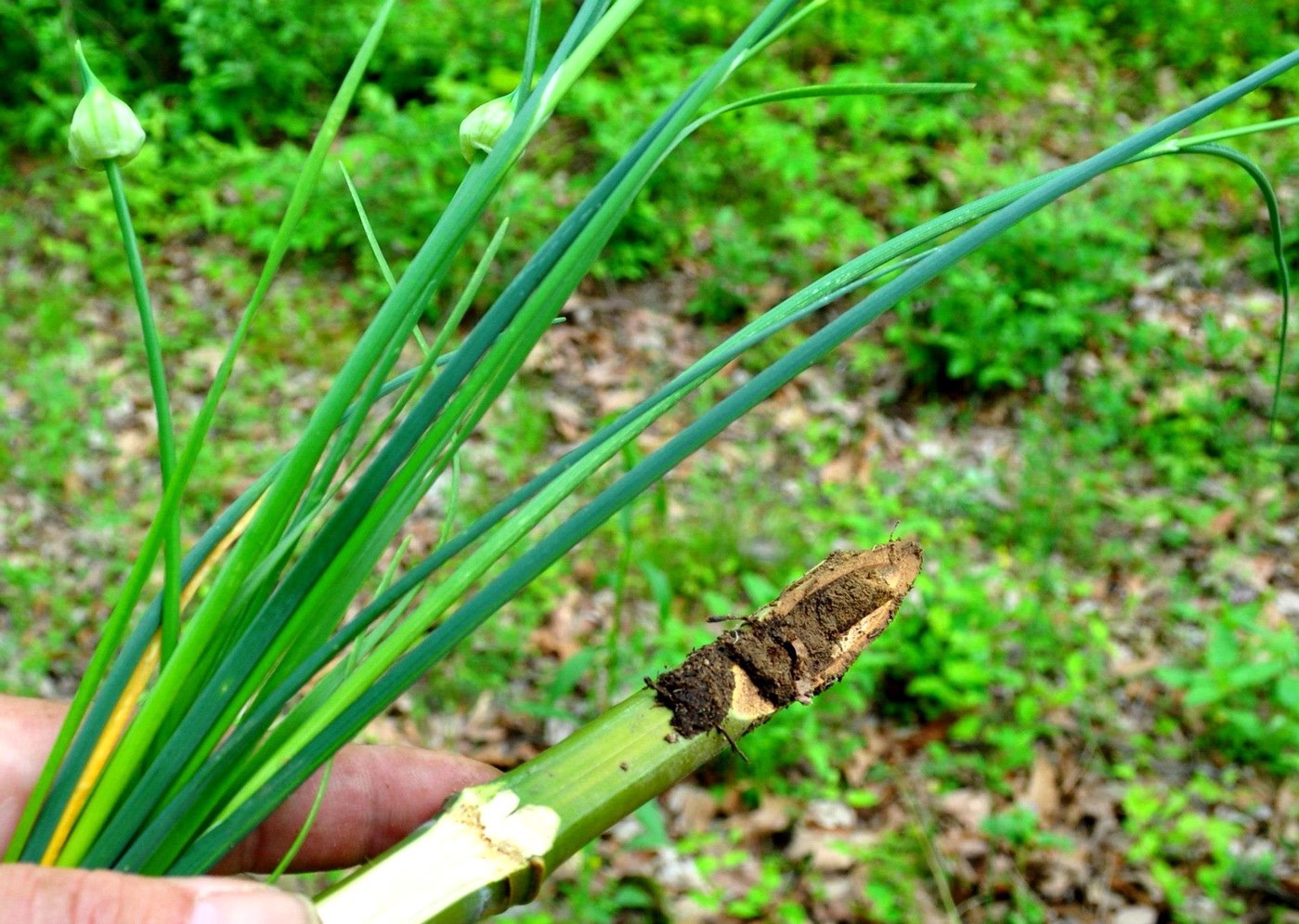
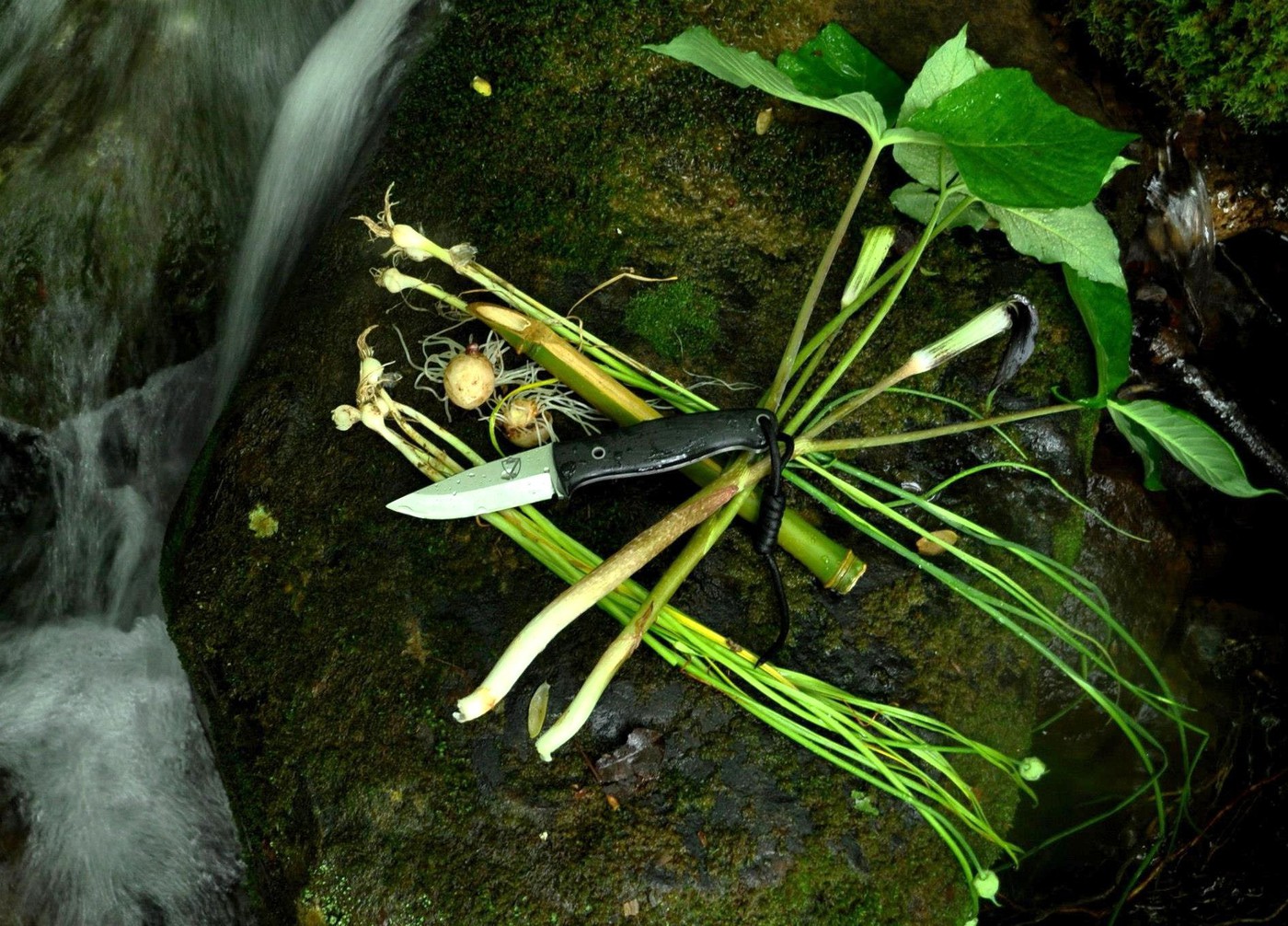
The first tool I made with it, was a field expedient digging tool of green bamboo, to dig up onions and garlic with, as the onions were just getting ready to bear seeds, and the garlic was just beginning to develop the scape tips. While I was at it, I whittled on some of the bamboo a little just to see how it handled. I made a few gigs and other digging tools with it later, but I couldn;t find those images. For a small knife, it handles well and is very capable.
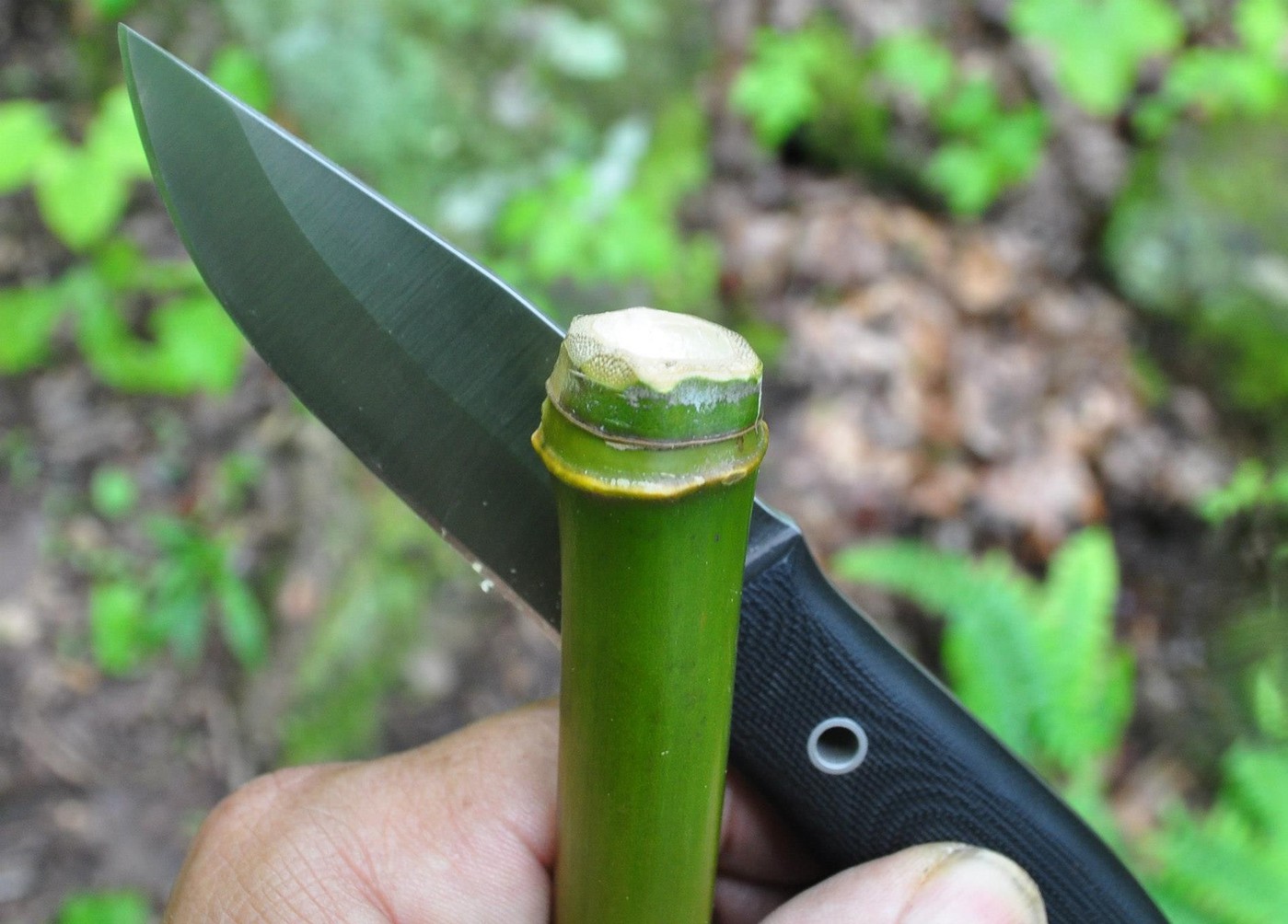
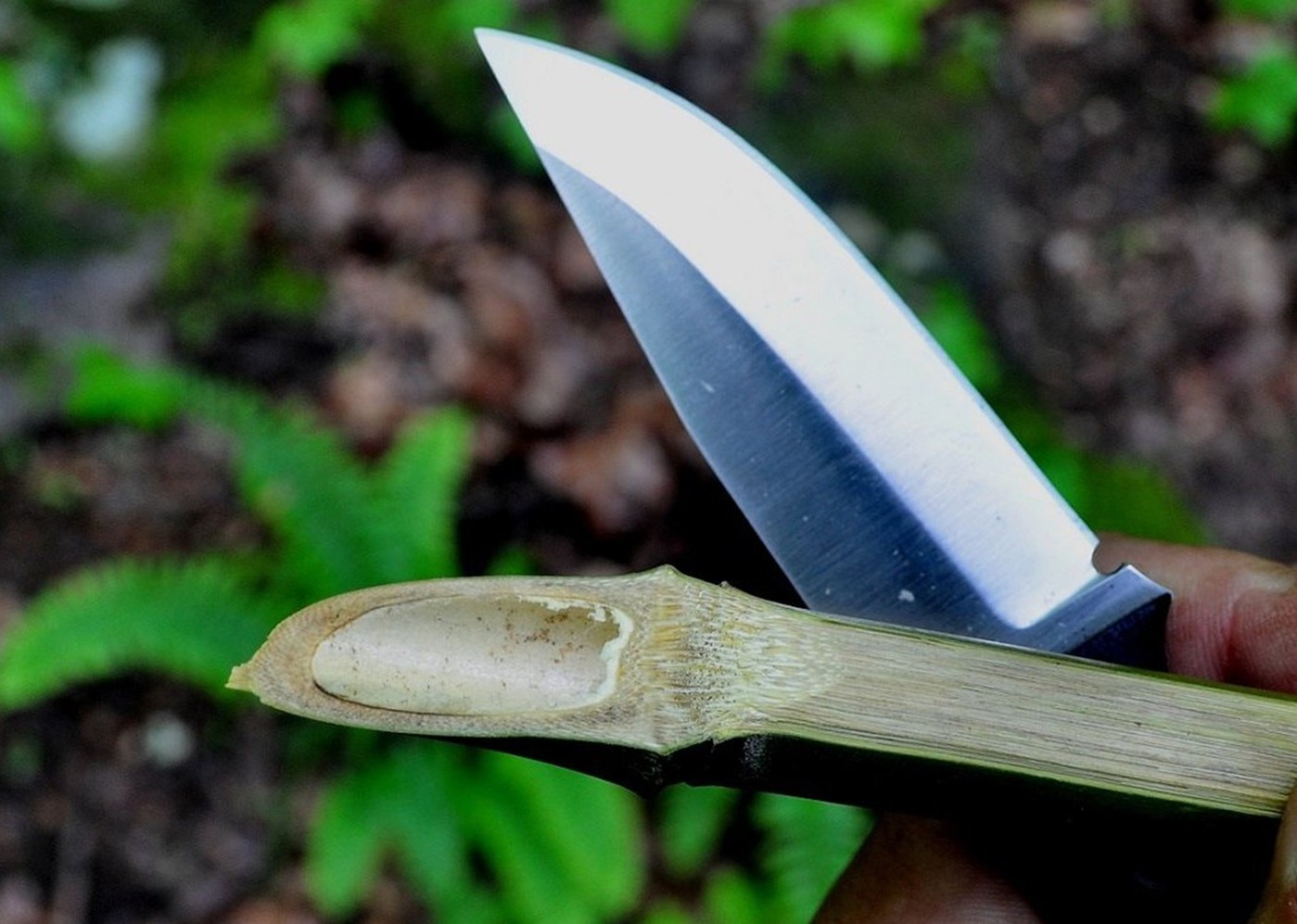
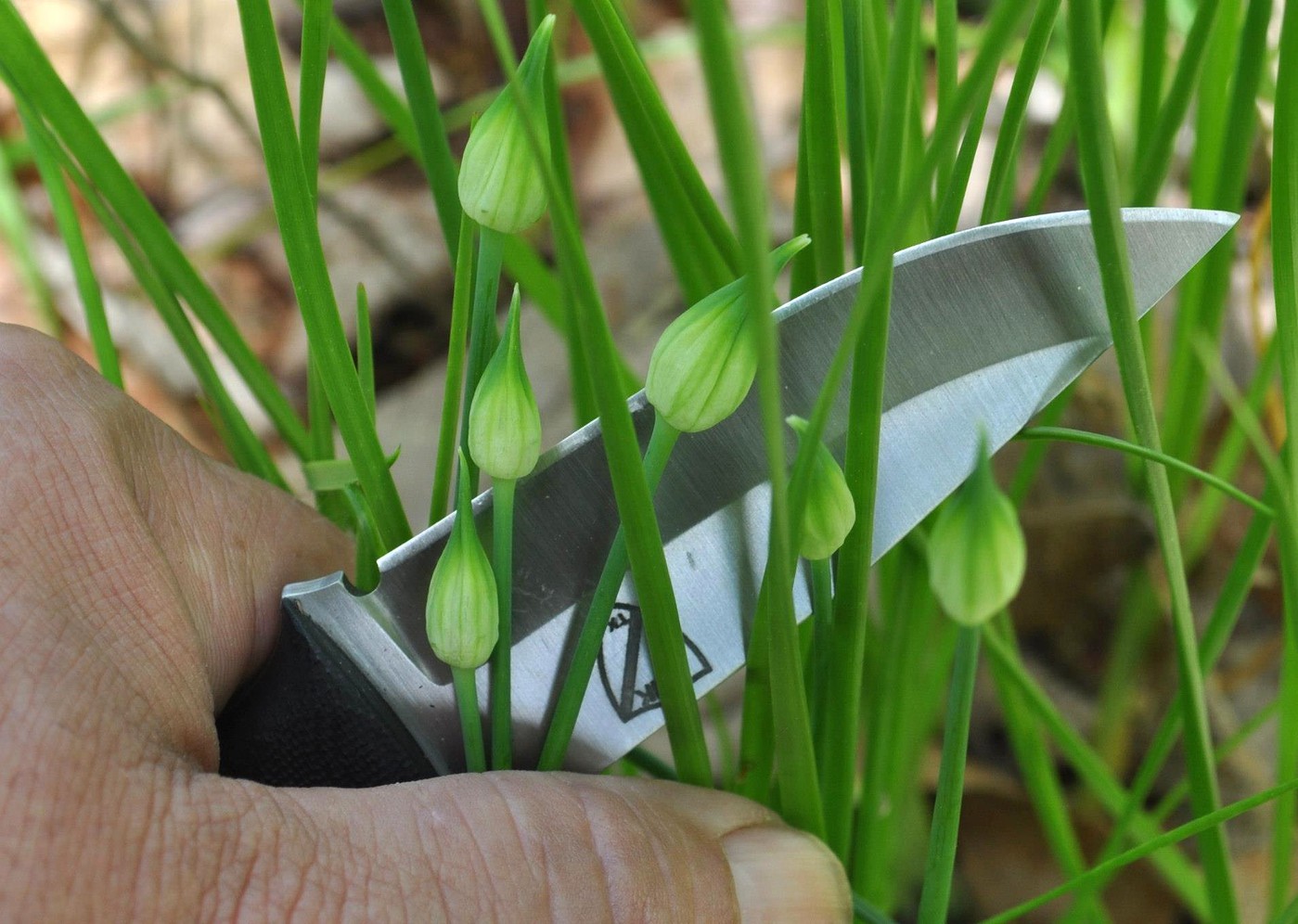
This was when I first learned to be able to tell all the differences between the wild onions and wild garlic. By their shapes, sizes, and colors, as the garlic is usually taller and darker than the onions, the scape tips look a little different, and the stalks of the garlicg get woody while the onions do not. And of course their bulbs look and feel very different
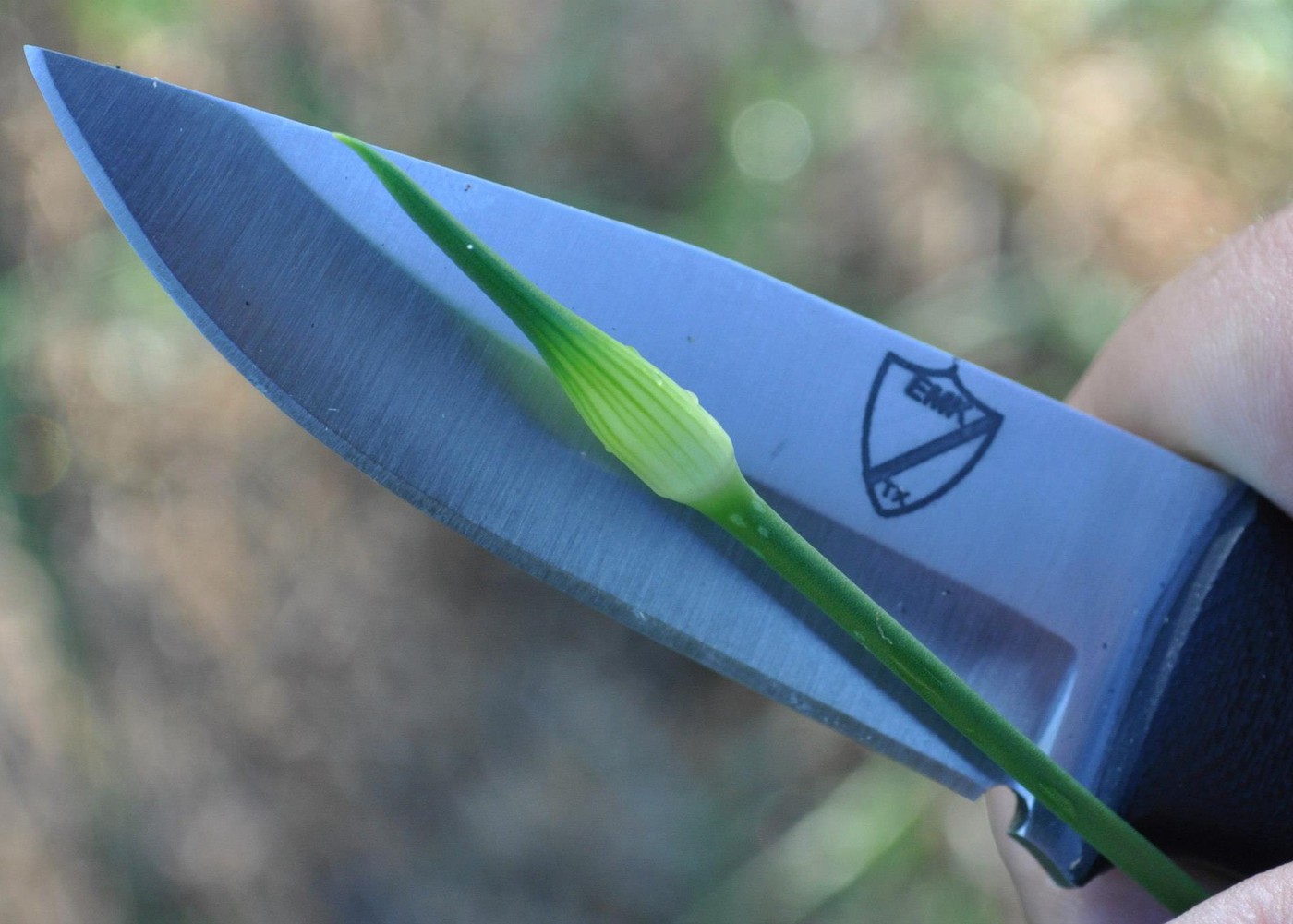
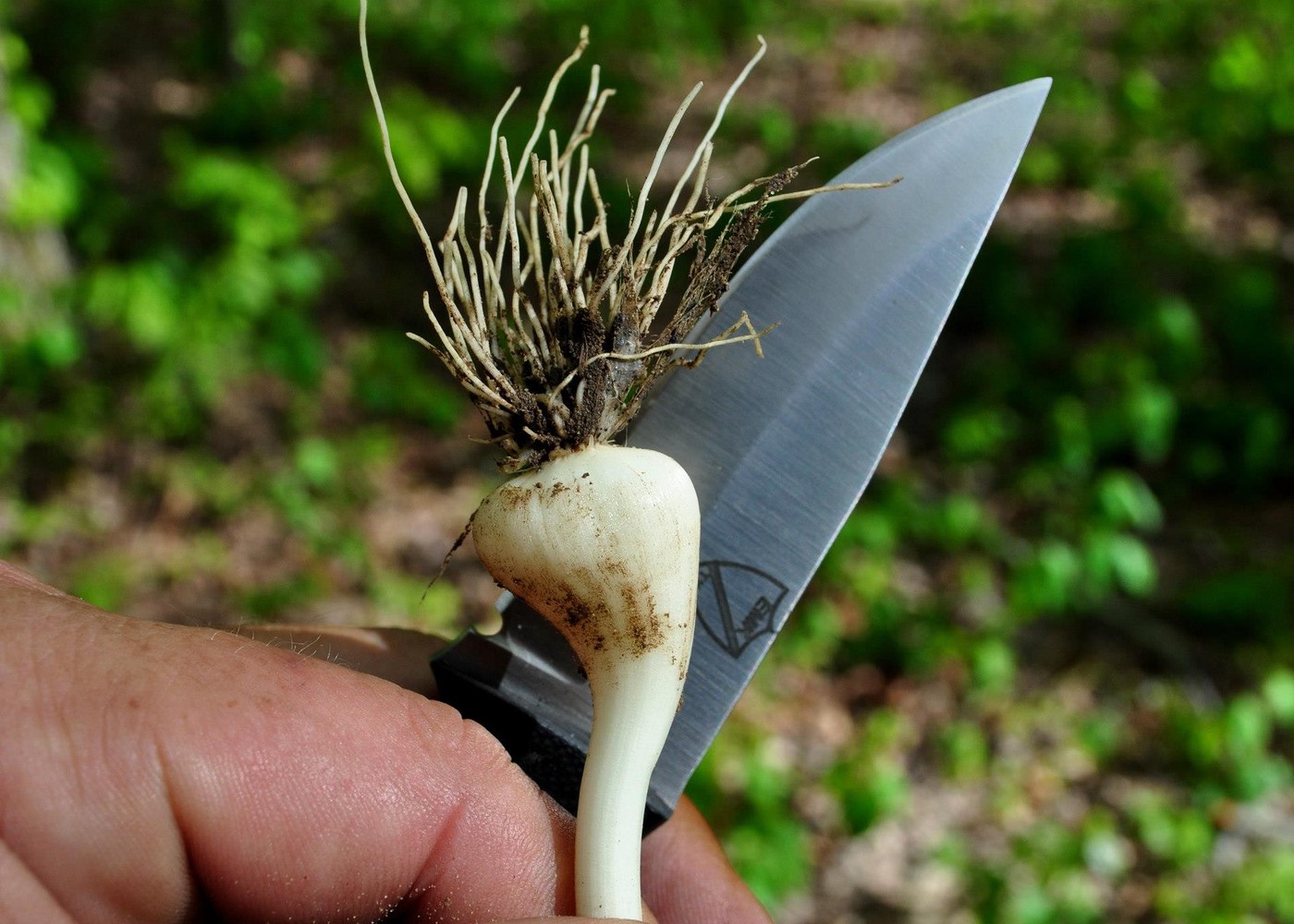
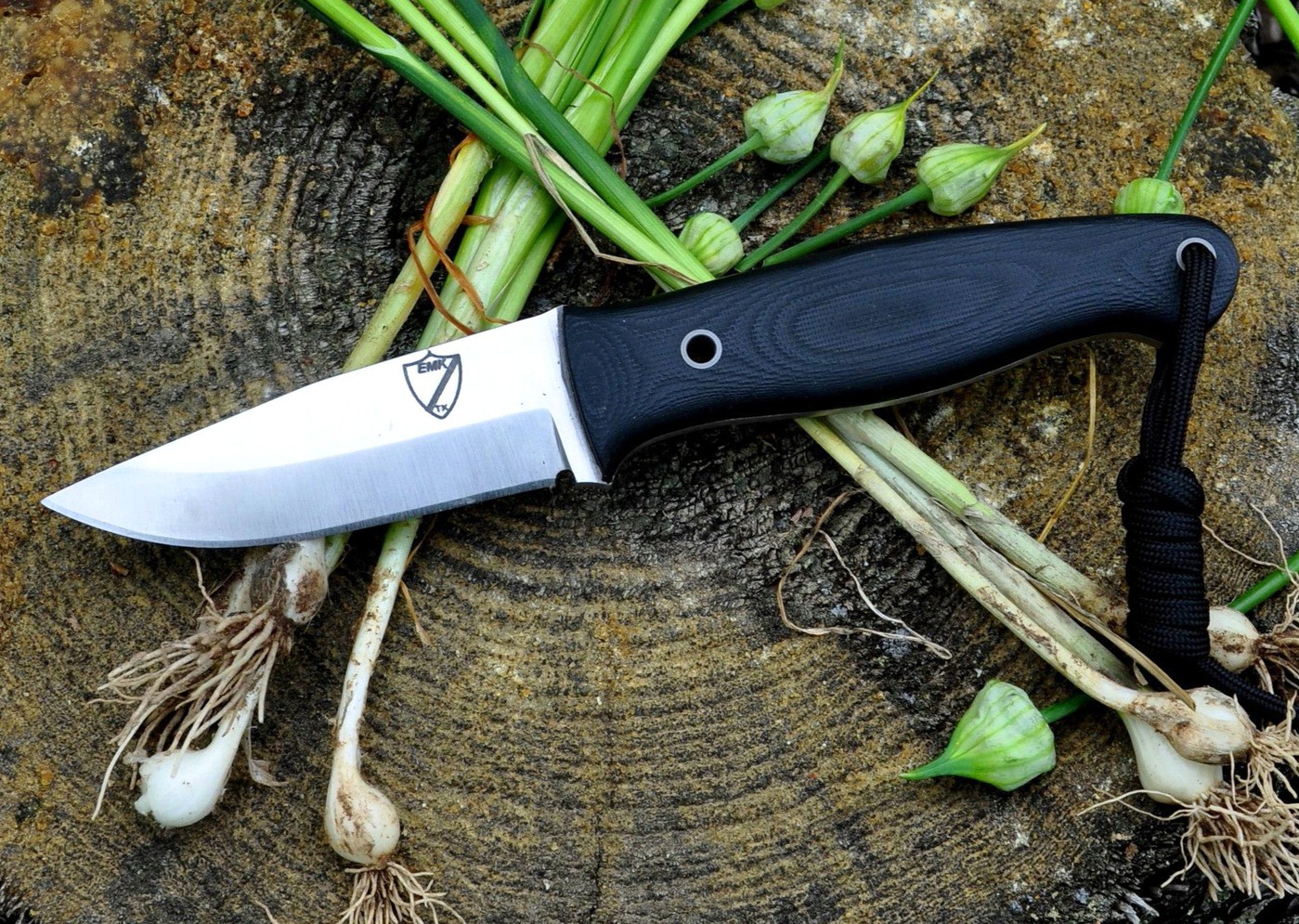
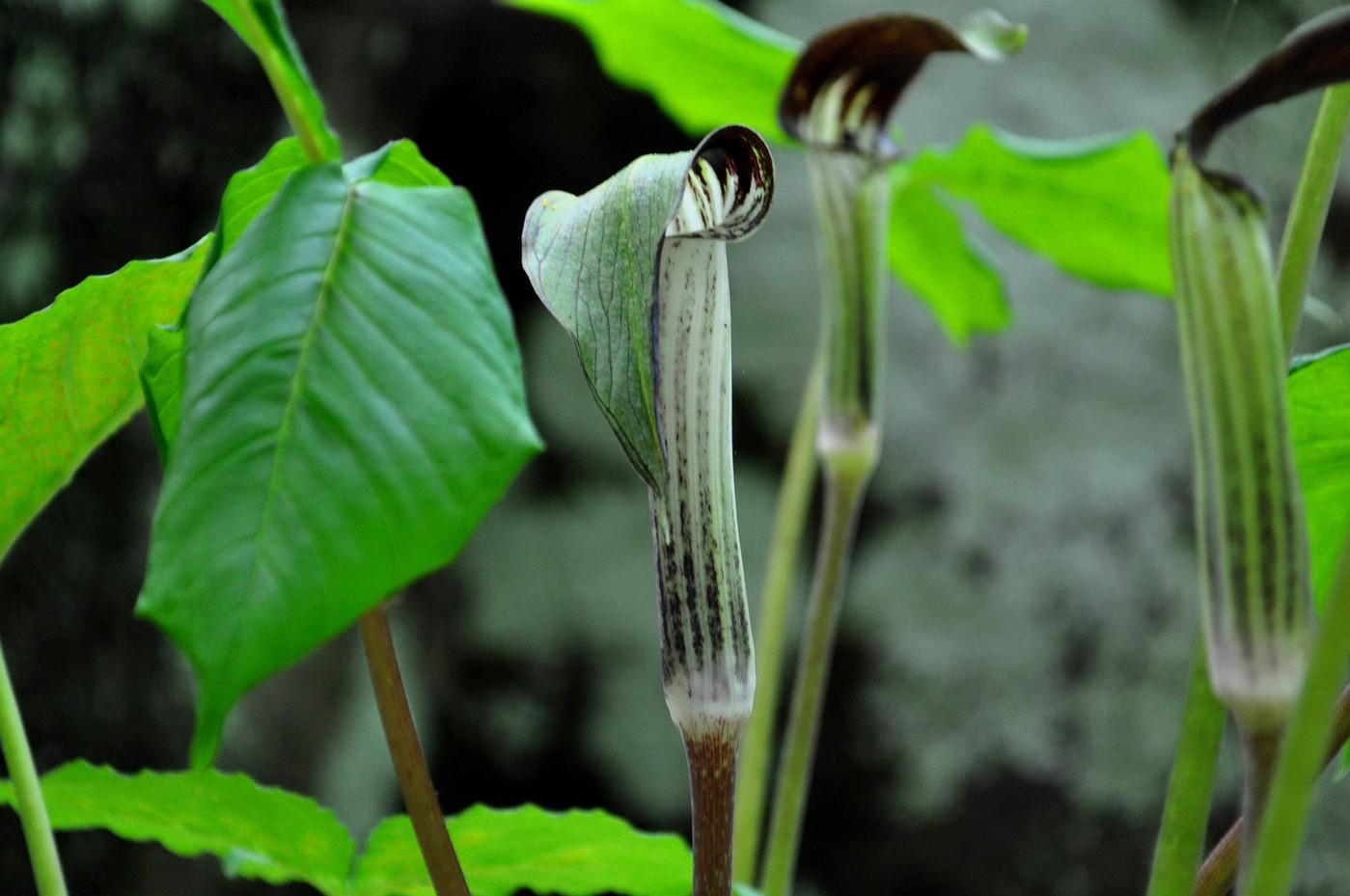
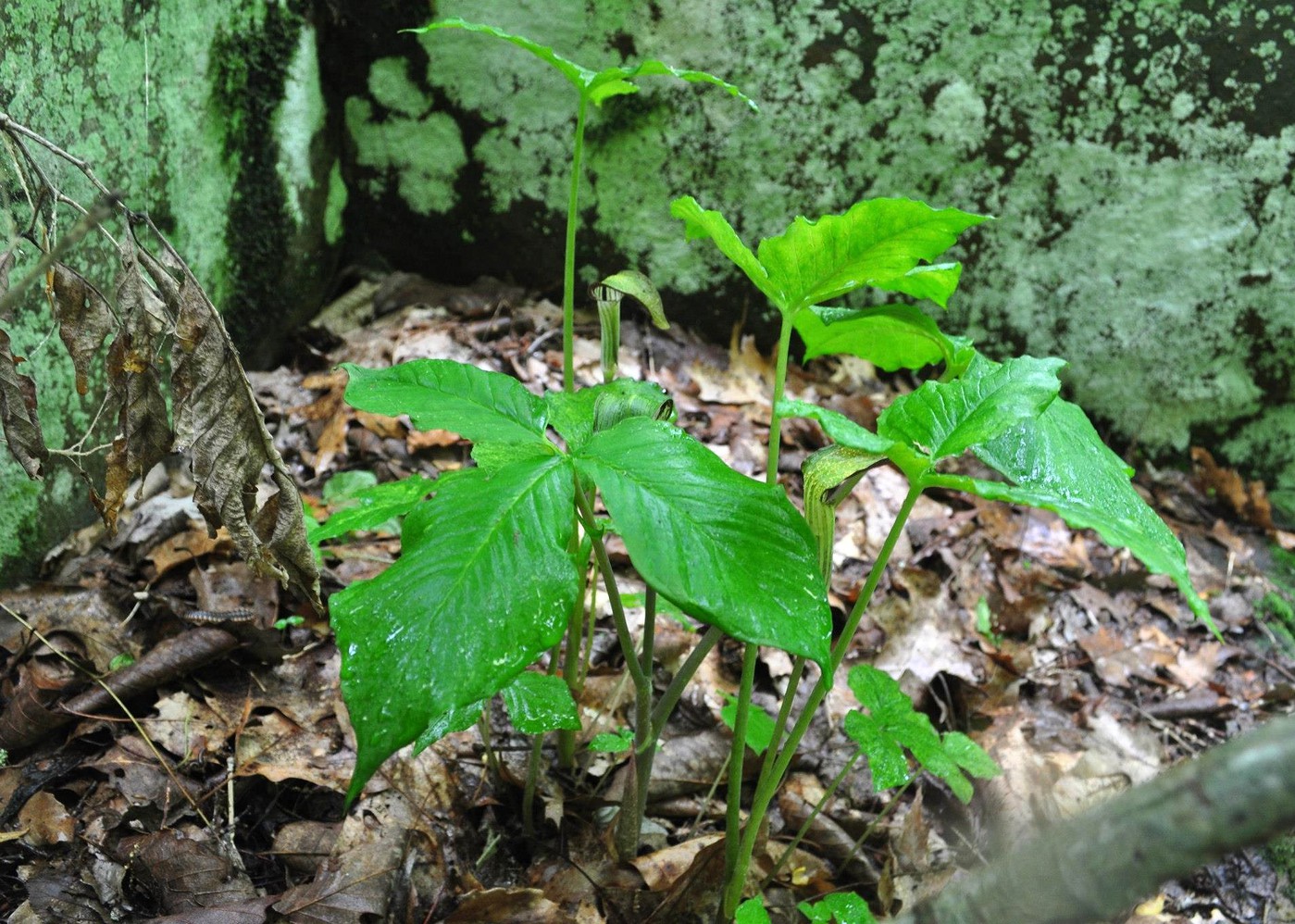
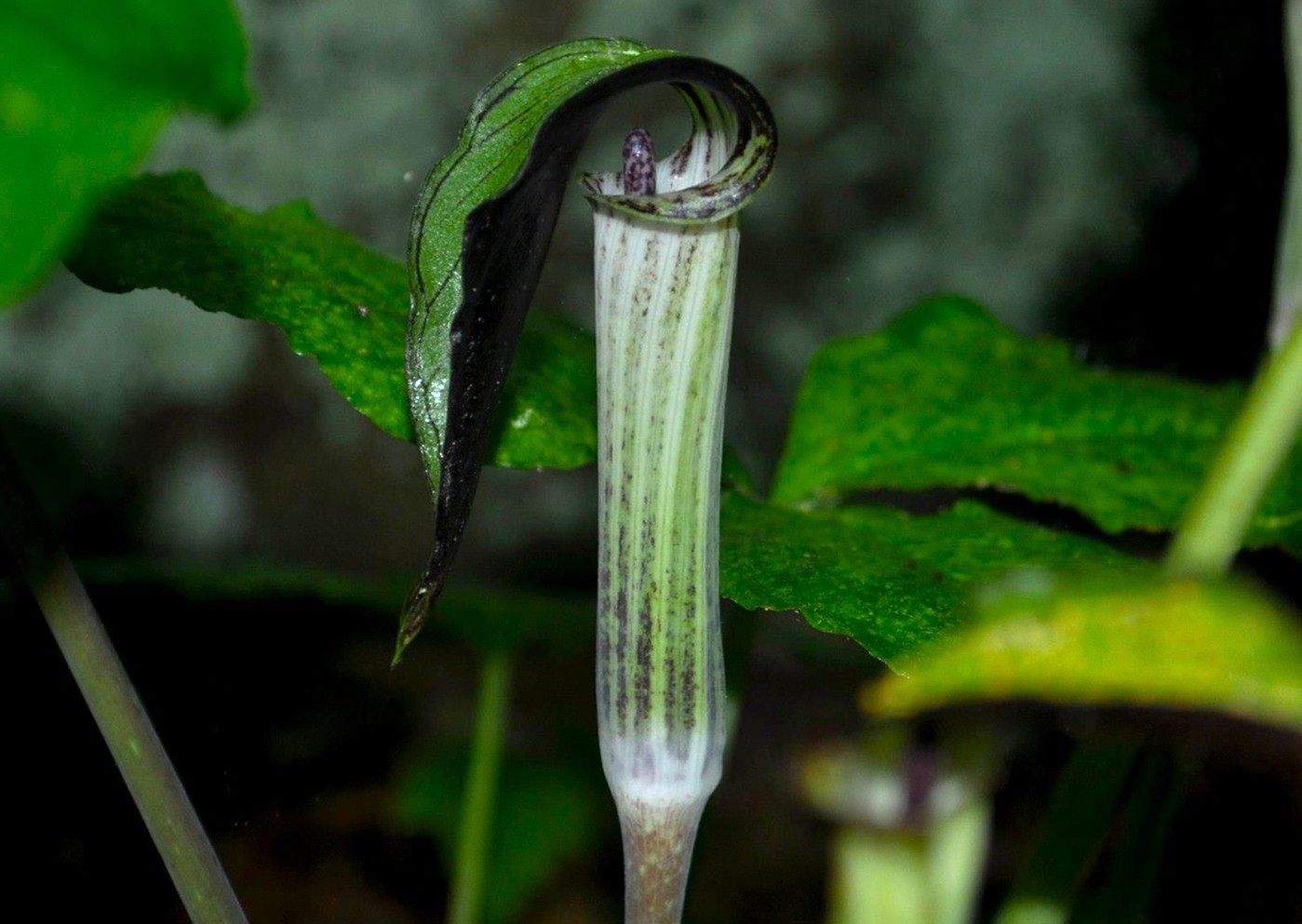
I was carrying the Runt the first time I found Jack-In-The-Pulpit, and wanted to identify it before I messed with it. Then went back a few days later to dig it up and study it.
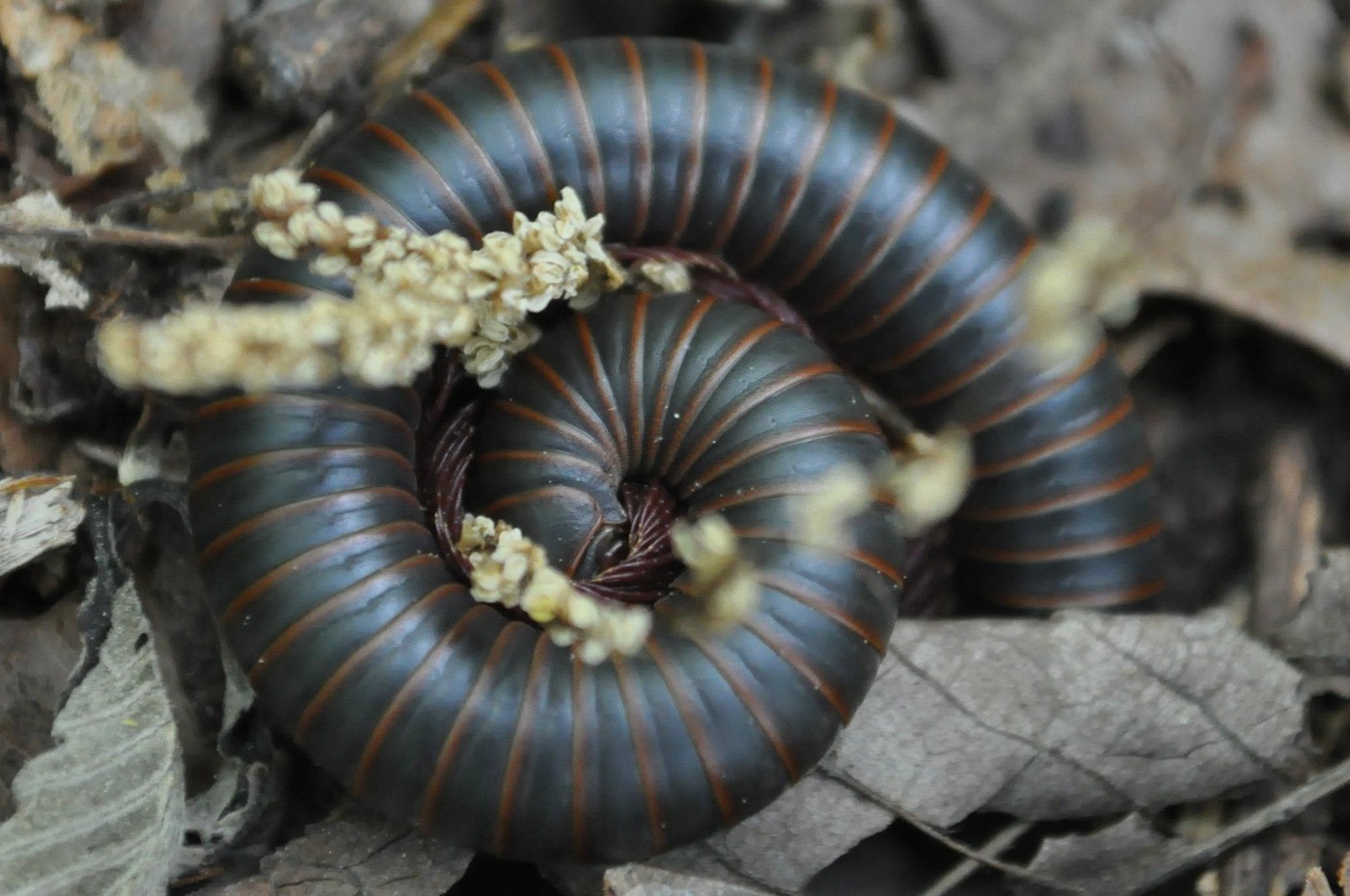
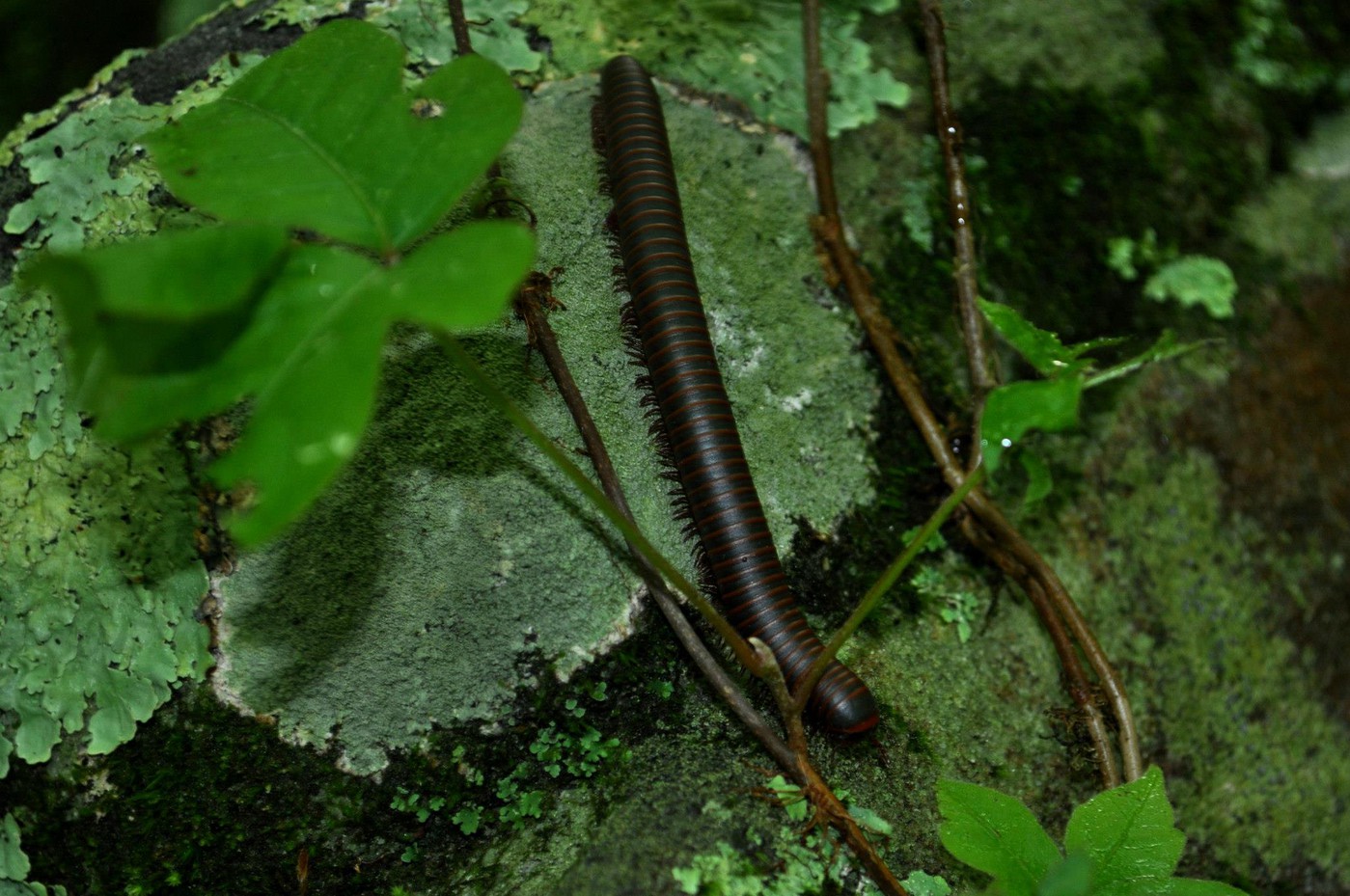
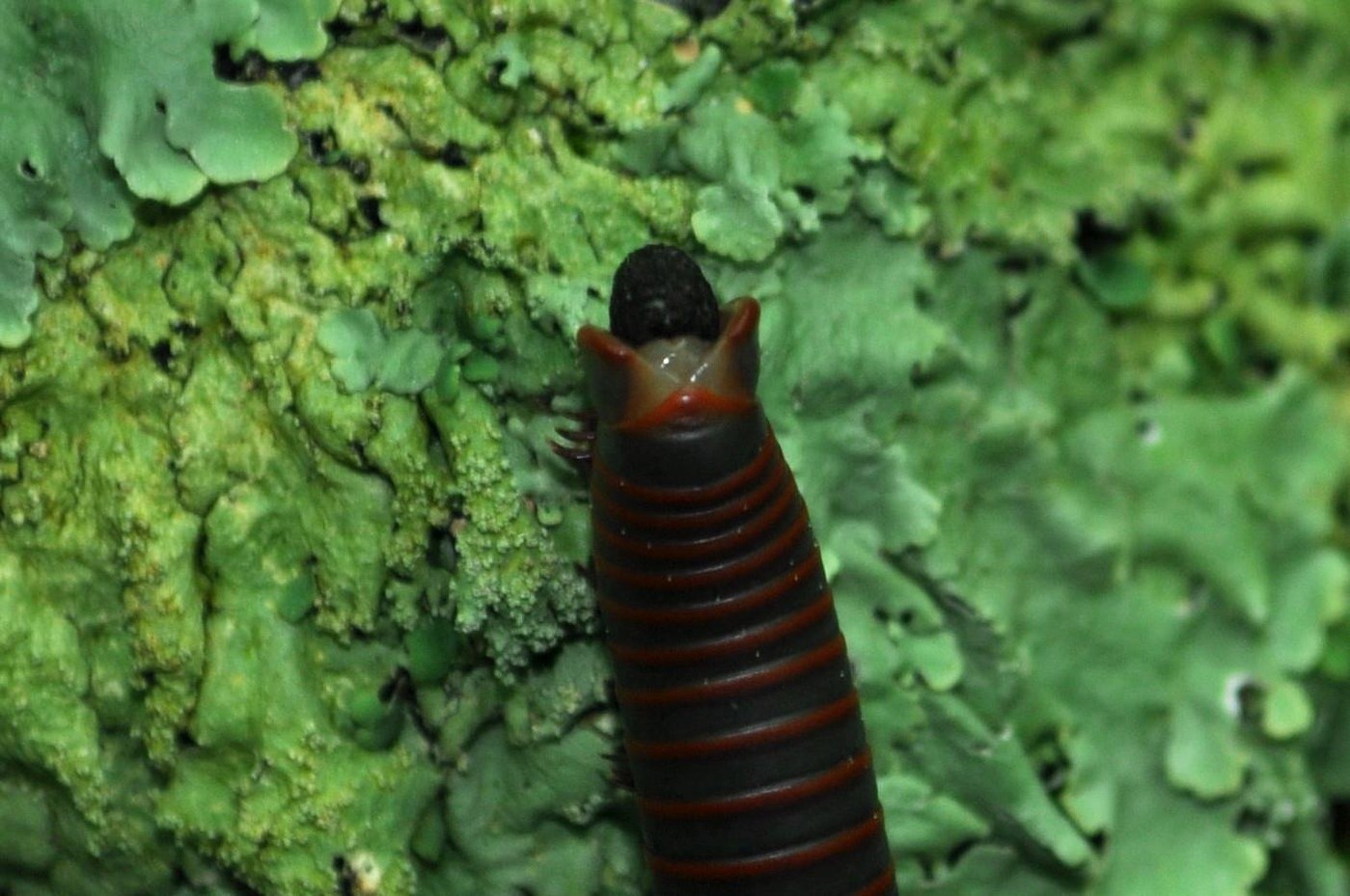
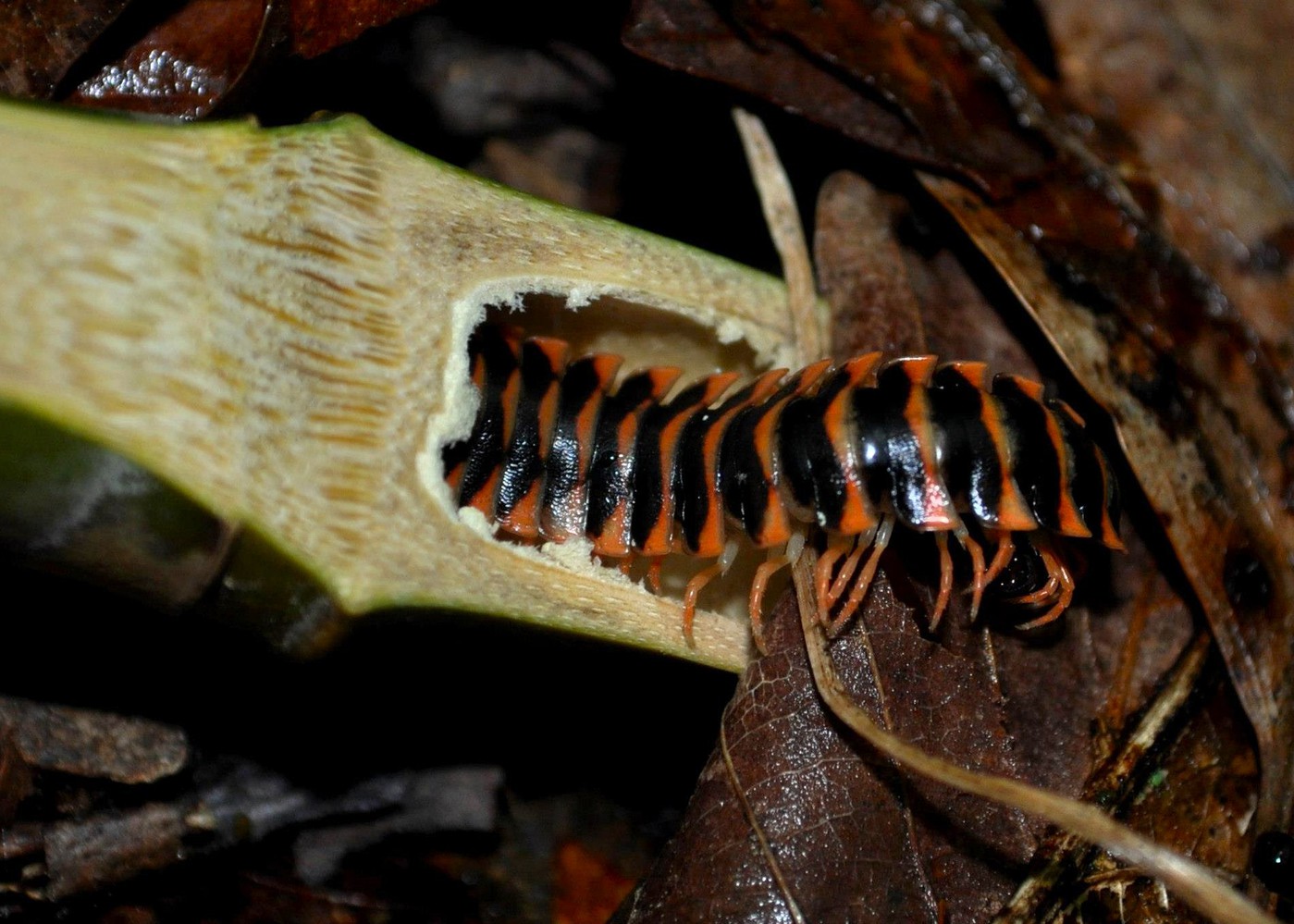
We have a lot of Millipedes here also, and the day I went back to dig up the Jack-In-The-Pulpit, I got to learn more about them as well. Because while I was taking pics of one, it decided to show me how it goes number 2. To be honest I had never thought about how they did that before, but I really wasn't expecting what Isaw...
.
This is the first minimalist black Runt Ipicked up back in 2012. when Ed was still living in Texas, having metEd through his sonNewt.
At the time I was doing material for Tactical Knives Magazine, usually two articles per issue, and was in talks with editors I started writing for the next year.
My goal with the EMK Runt was to find a small, stout and trustworthy knife, but not too heavy, for when I was out in woods and swamps with a backpack full of myequipment and gear I was testing for other people. Whenever I was inthe field, I was always working on my own projects too, making the time I had to be away from my daughter count for as much as I could.
I live in a temperate rain forest in the southeast, so it rains a lot here, and is hot and muggy in the summer with high humidity. So I wanted a knife with a stainless blade and a synthetic handle material.
The first Runt was cryo-quenched CPM S35VN with a black G10 handle. This model is 7-5/8 in overall, and has a blade length of 3-3/8 in. Which gives me a full size handle for good control, and a blade length long enough to easily handle any general utility cutting, without being too big and adding too much weight to an already heavy load.
The first Runt was the knife I was carrying the day I decided to start my own flora fauna database of identification images, of as many useful plants as I could collect, from the time they came out of the ground until they witheredand returned to the earth. And tracks of all the animals here.Thirteen years later that folder, I named God's Gardens, contains several folders and over 10K images.
The first tool I made with it, was a field expedient digging tool of green bamboo, to dig up onions and garlic with, as the onions were just getting ready to bear seeds, and the garlic was just beginning to develop the scape tips. While I was at it, I whittled on some of the bamboo a little just to see how it handled. I made a few gigs and other digging tools with it later, but I couldn;t find those images. For a small knife, it handles well and is very capable.
This was when I first learned to be able to tell all the differences between the wild onions and wild garlic. By their shapes, sizes, and colors, as the garlic is usually taller and darker than the onions, the scape tips look a little different, and the stalks of the garlicg get woody while the onions do not. And of course their bulbs look and feel very different
I was carrying the Runt the first time I found Jack-In-The-Pulpit, and wanted to identify it before I messed with it. Then went back a few days later to dig it up and study it.
We have a lot of Millipedes here also, and the day I went back to dig up the Jack-In-The-Pulpit, I got to learn more about them as well. Because while I was taking pics of one, it decided to show me how it goes number 2. To be honest I had never thought about how they did that before, but I really wasn't expecting what Isaw...
.
Last edited:



 ......Good luck with your endeavors!!!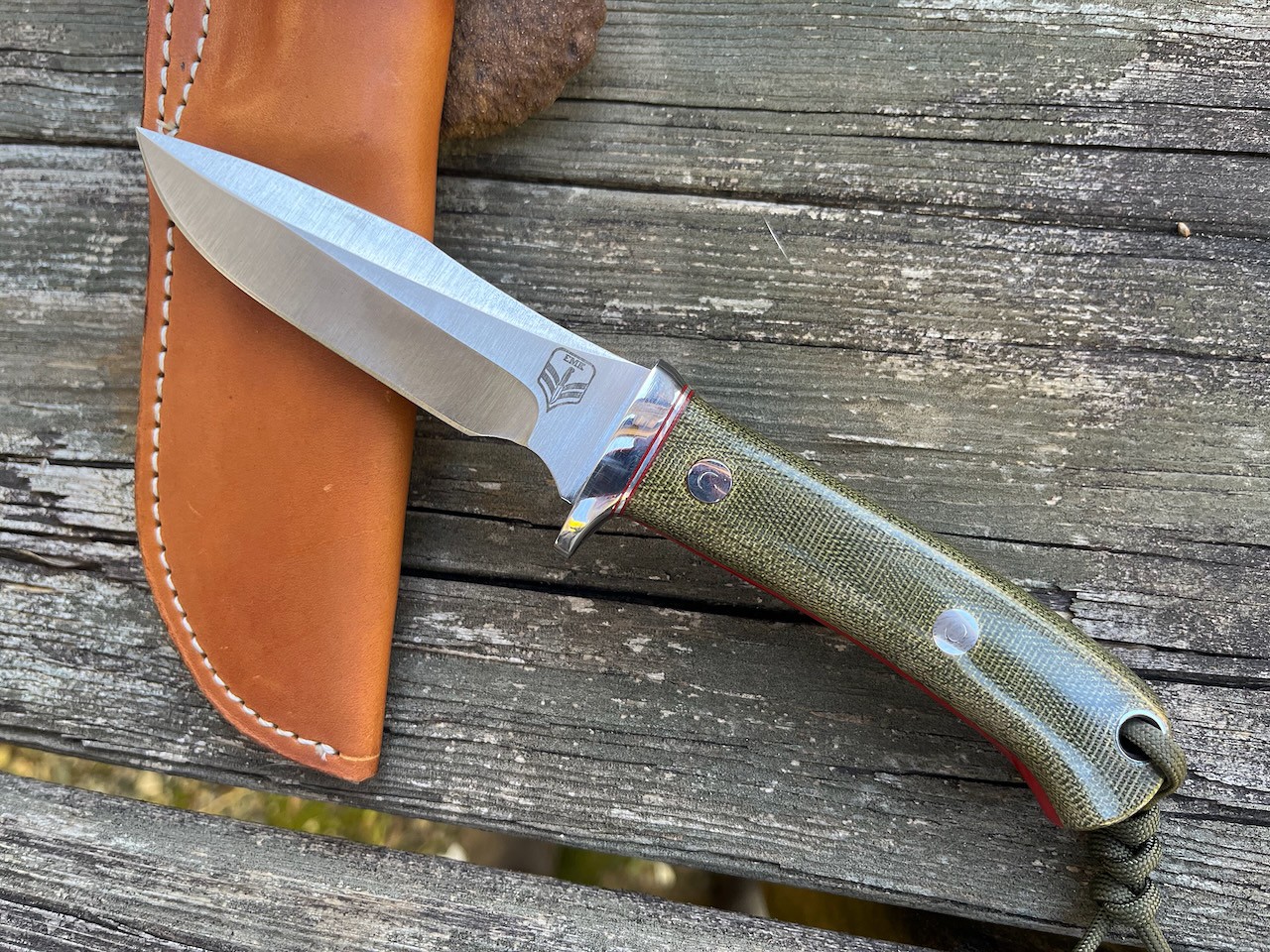
 .......Im happy to see.you are.doing what.you. love.for the most part
 .........And he does use alot.of my favorite....... OD green. Canvas...