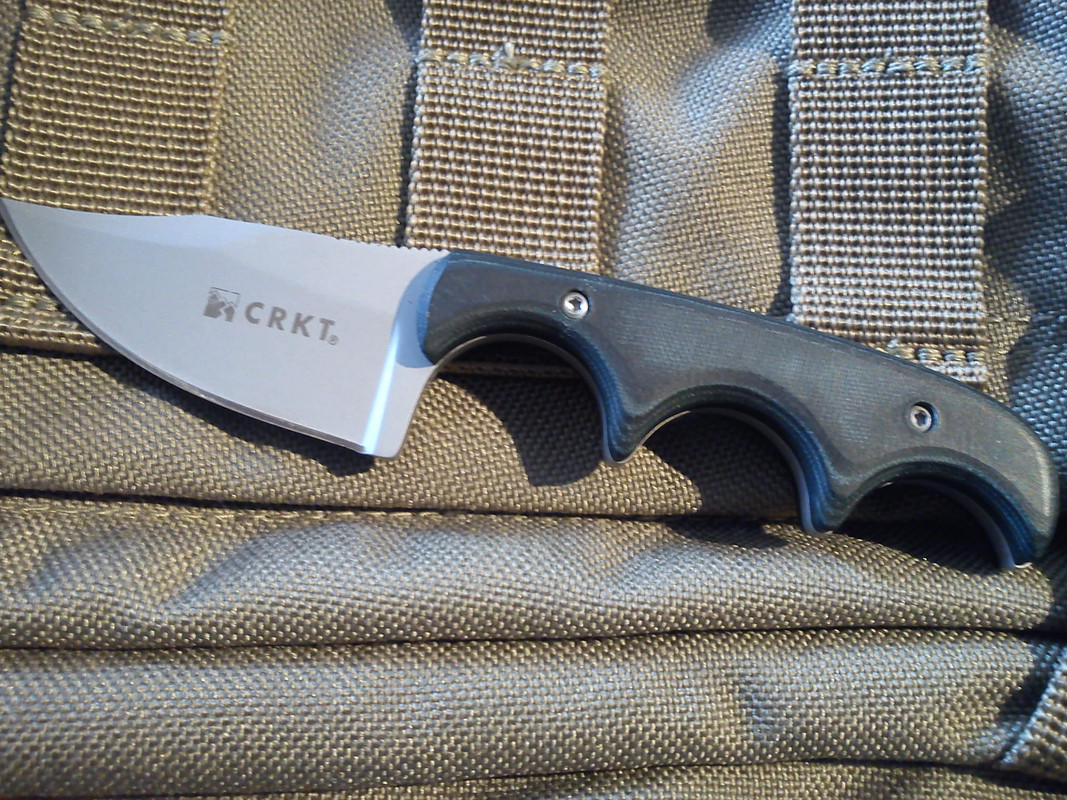
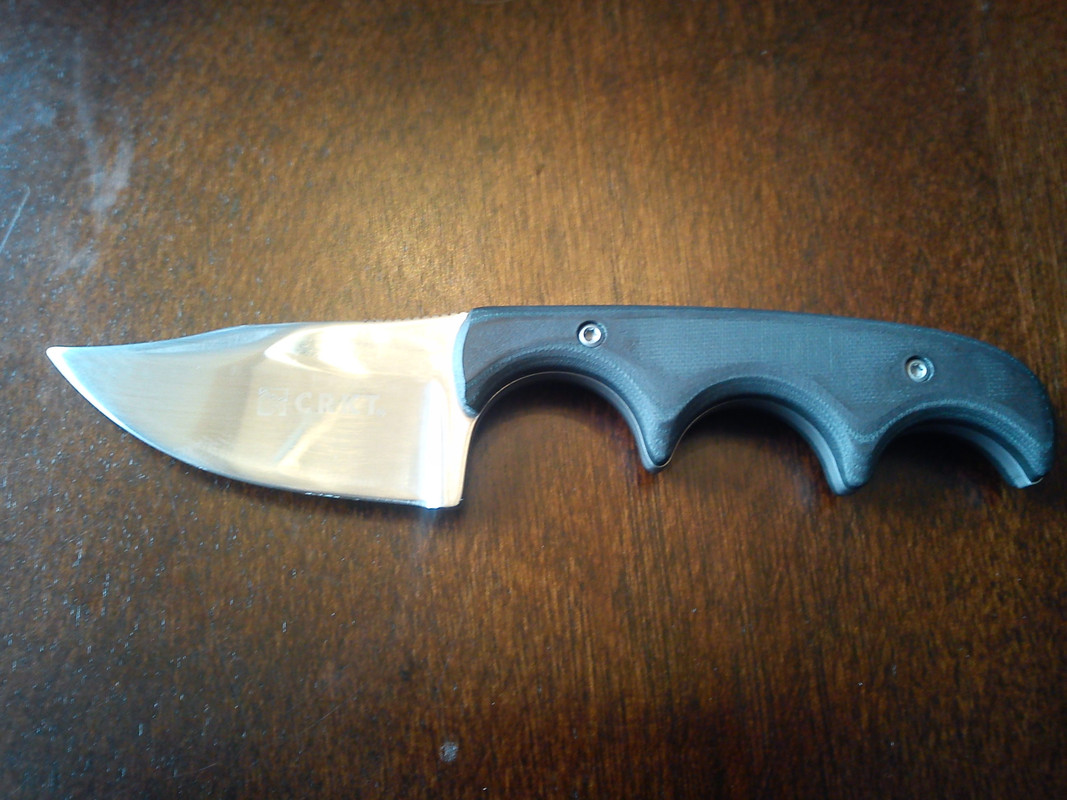
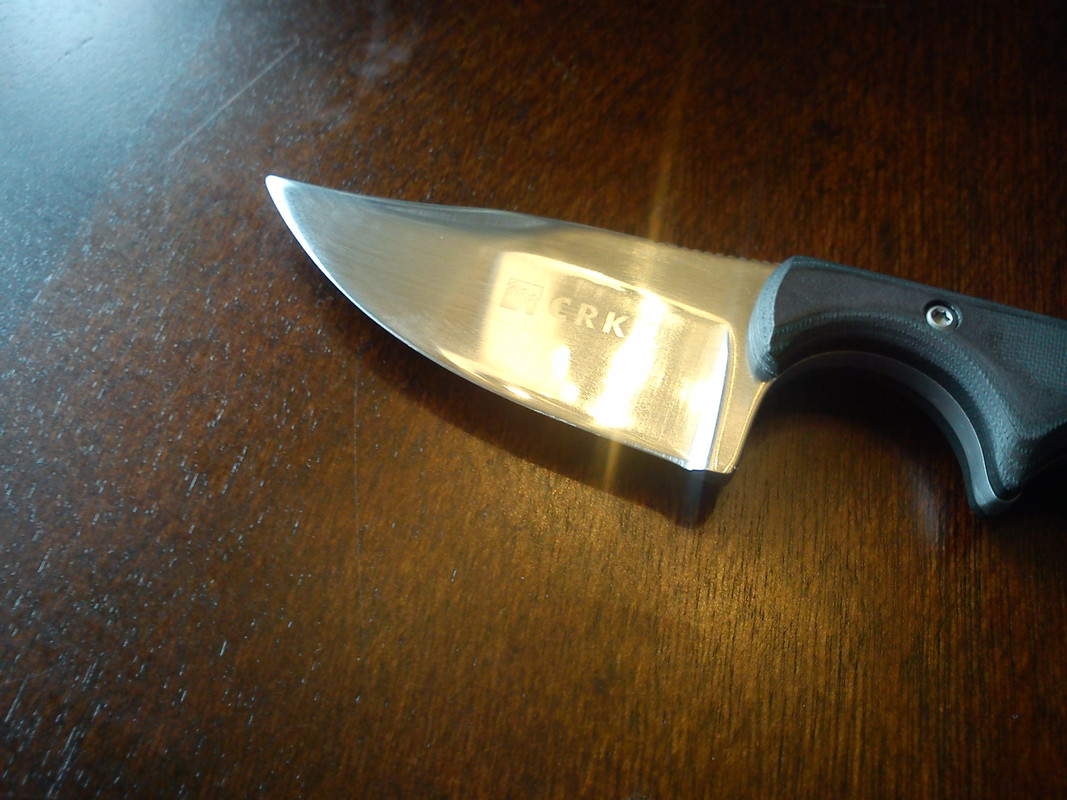
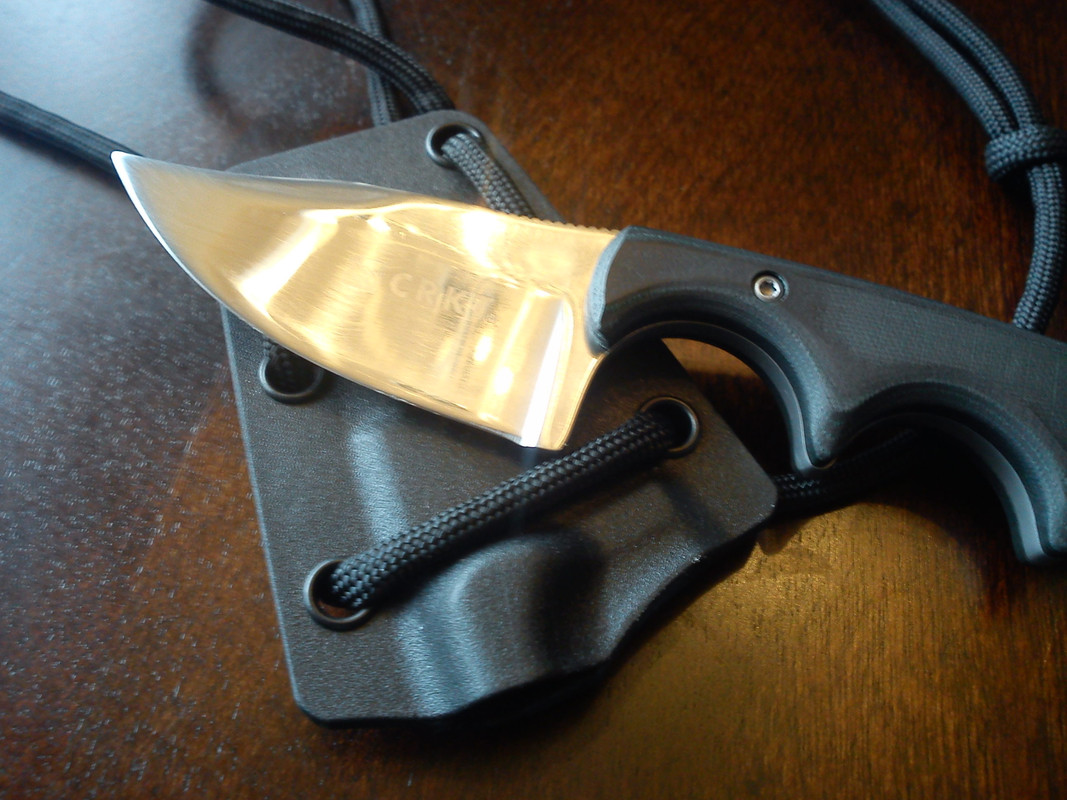
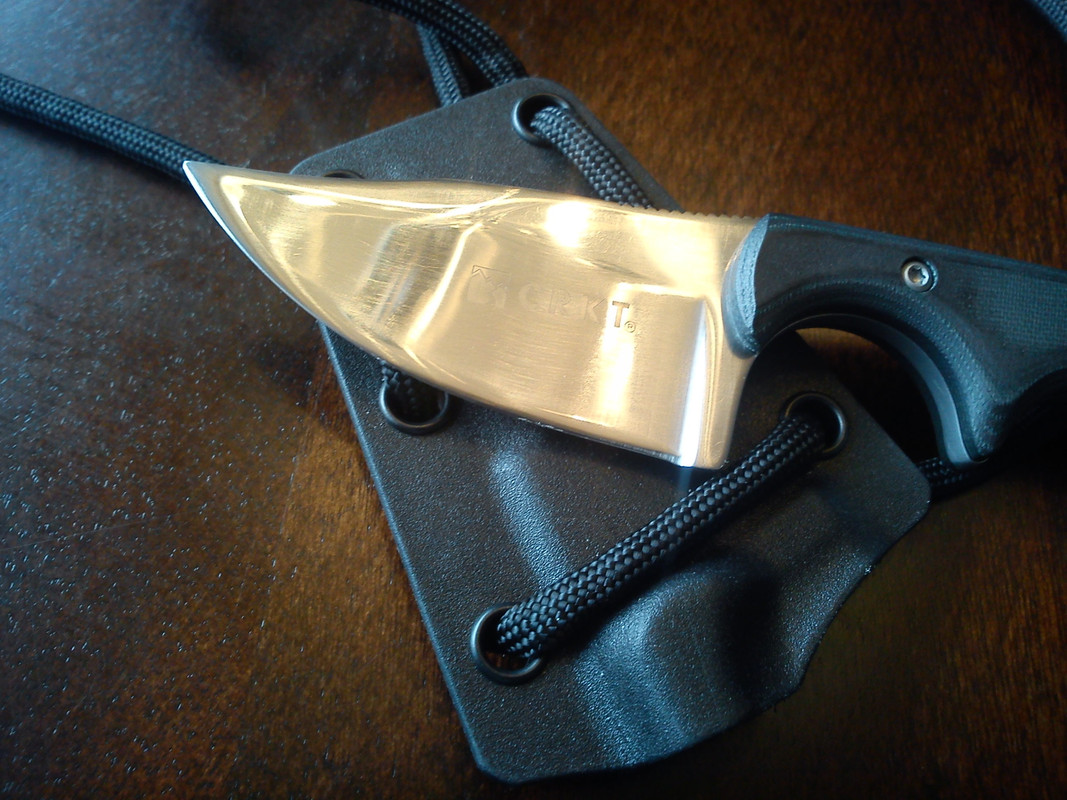
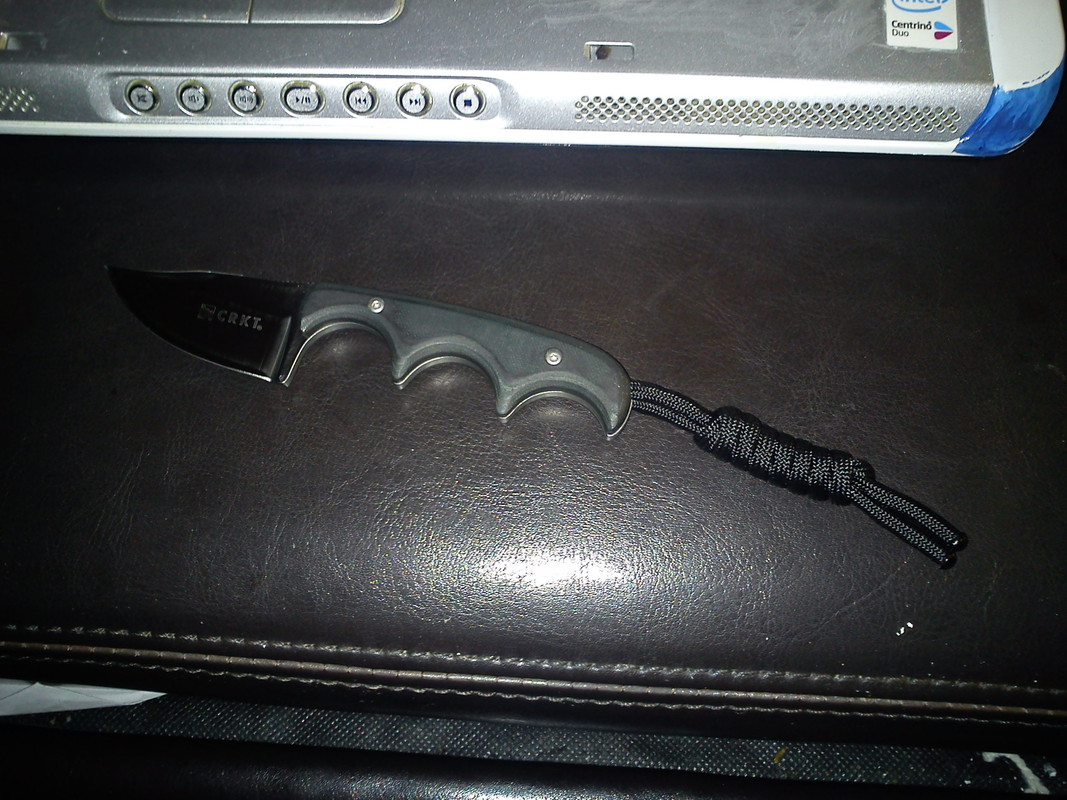
Good job. That is a pretty involved blade shape to polish by hand. Factory made blades have a lot of machining marks that are hidden by a satin finish or are buffed over for a polish. When you start sanding it down on a flat surface, they start showing up as eyesores. I'm impressed by your determination to get through all of those with 600 grit! I usually start at 220 grit, which gets rid of grind marks much faster, but will probably remove the laser etching.
About scratch patterns: you do want them to end up going uniformly in the same direction, but I like to alternate the direction as I go through the grits. If I have just sanded with 400 grit going across the blade, parallel to the edge, I will start sanding with 600 going vertical, perpendicular to the edge. This makes the 400 grit scratches stand out behind the new 600 grit scratches, so I can make sure I've removed them all. Once they are gone, I'll switch directions with the 600 grit back to parallel until the perpendicular scratches are gone, which doesn't take long. Then on to the next grit with perpendicular scratches. I like to end up with scratch lines going vertical, perpendicular to the edge, since they seem to stand out less than going across the blade.
600 grit will have a great sheen and will be reflective, but the scratches will still be quite visible. If you refine it with 1000 grit, then 1500 grit it will be somewhat better. I'd take it to at least 1500 with the sandpaper, but 2000 or more will be even better. I then like to finish it off on a leather belt loaded with jeweler's rouge (most of the finer stropping compounds will work, too). I rub it on the belt just like the sandpaper. This is like a hand powered buffing wheel that will really bring out the mirror and hide most of the scratches. Of course a power buffer will work much faster and is your best shot for getting a perfect mirror with no visible scratches.
Last, I think you get better results using a hard flat backing. If the backing is soft (someone mentioned using their hand), you will round over the shoulders where one grind transitions to another. I like to have these shoulders sharply defined. Also any unevenness on the flat surfaces will become more obvious when mirror polished, since you will get a sort of fun-house mirror effect. But it is more work to do on a hard flat backing, since you have to get all of the surfaces dead flat before the factory grind marks will disappear, so it takes a lot longer on the lower grits. By contrast, a soft backing will reach into depressions and clean them up without having to flatten perfectly the entire bevel.
Sorry for rambling, nice work.