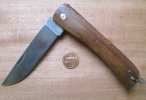
For whom the bells tolls: Spanish Republican Army Pocket Knife SA 110

It’s curious that I'm talking about a pocket knife attributed to a specific manufacturer who, as it turns out, was actually in prison when it was produced... 🤯

One day, I decided to track down an authentic pocket knife from the Spanish Civil War. That damn war that caused so much pain to my country and my family. I did some research and realized that every available resource—whether domestic or foreign—was used to massacre the opposing side. Cases like this SA 110 are rare; they are usually associated with special orders rather than the common soldiers, like my poor paternal grandfather, may he rest in peace, who passed away many years ago. I’m not an exceptionally old person; it’s just that my grandfather was forced to go to war right after he turned 17.
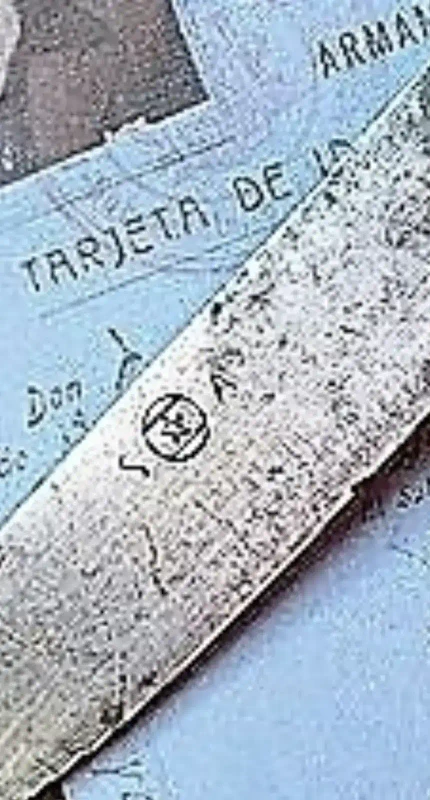
Screenshot-2025-06-15-00-55-12-248-edit-com-miui-gallery.webp

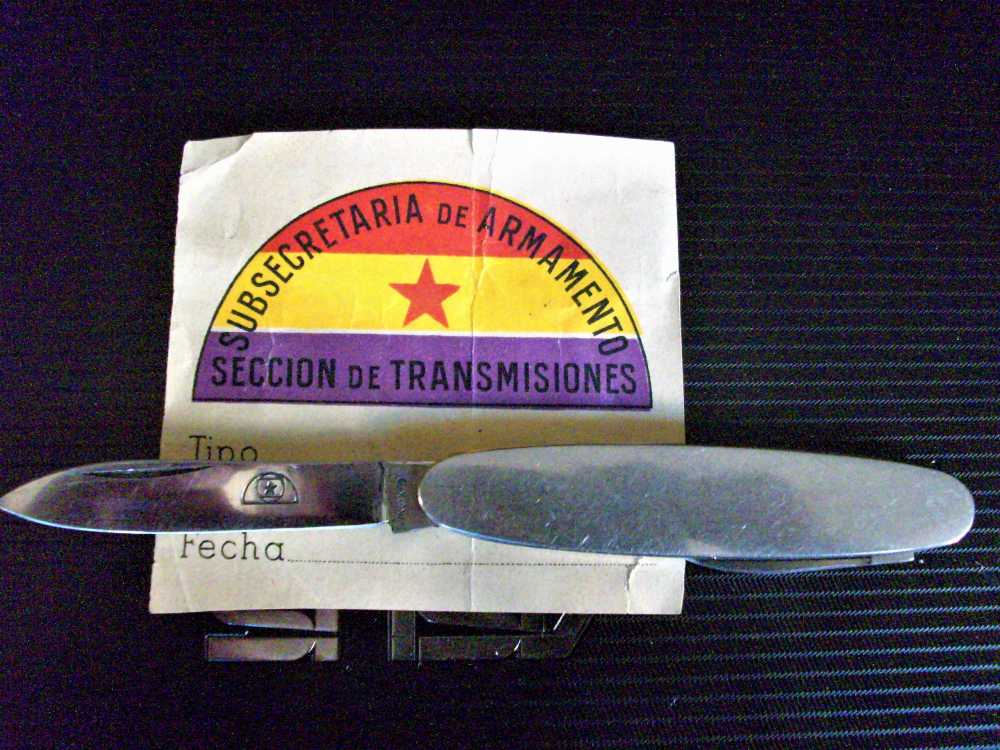
SA: Under-Secretariat of Armament,

The knife itself is the 'Campaña' (Campaign) model, a design that had been typical since Spain’s colonial era in the north of Africa (what I've read around). In fact, these were so common for everyday use that my grandparents even had one lying around the house. However, this specific SA 110 version did not bear the 'Payá' brand name (Paya Hermanos and later J. Paya) and it was named the 'Miliciana' model.

2C518073772C513CED3E32513CE18F(1)(1).webp


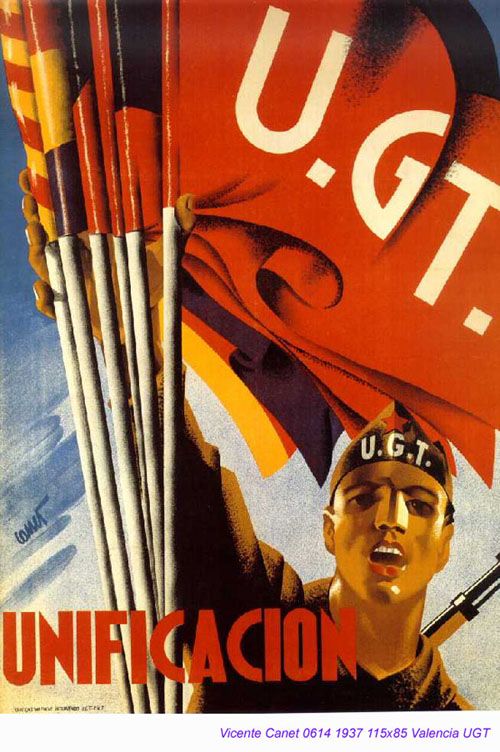
Mr. Joaquim Payá was imprisoned for his sympathies toward the Nationalist rebels (who received significant foreign backing at the time). While he was behind bars, his factory was collectivized by the UGT union. The UGT was a powerful Socialist labor union allied with the government. During the war, they seized factories from owners who supported the rebels.
ff18048352ab715164132738548cdd67.jpg


Here is another miliciana pocket knife from that era...
IMG-0414.jpg

Screenshot-2026-03-23-00-15-51-764-edit-com-miui-gallery.jpg


A few years ago, these knives could be found in flea markets in poor condition and at dirt-cheap prices. Their history had been all but forgotten. Many had their stamps filed off or erased after the rebel victory, as anything related to the unions was associated with the communists.

I haven’t managed to find one yet. I’ve only seen online that, a few years ago, a craftsman produced a limited-edition tribute to commemorate the terrible Battle of the Ebro—the turning point that marked the end of the Republic and Franco's rise as the 'Caudillo' (leader) of Spain. My paternal grandfather fought in it, and he relived the horrors of that bloodbath for the rest of his life.

3652443-jpg-644x362.jpg


Batalla del Ebro: the Nationalist side alone fired more than 13,500 artillery shells every single day for four months. According to my grandfather, many civilians died. Entire families. Here is the 75th-anniversary edition...

41455417(1)(1).webp


As a historical note: my paternal grandfather enlisted in the 'Quinta del Biberón' (the Baby Bottle Draft) because his father was ill—it was either him or his father who had to go. Initially, he fought for the Republic, which was eventually routed by Franco’s forces, supported by Italian fascists and Nazi Germans.

He was taken prisoner and was saved by a nun who saw him drawing the Virgin Mary of his hometown with a piece of charcoal on his cell wall, praying before his execution (poor Catholic boy in the hands of the Communist Satan!). To survive, he was forced to switch sides and fight for the Nationalists. He performed so well that he was nearly recruited for the Blue Division (the División Azul). Thankfully, by some stroke of luck, he didn't end up fighting for Hitler in Russia.

According to declassified intelligence archives, the financing of the uprising was heavily supported by Juan March (Founder of the current Banca March) known as 'Franco’s banker.' While the CIA was not yet established during the Civil War, its predecessors and the British MI6 worked closely with March. They channeled vast sums of money to support the anti-communist cause and, later, to bribe Spanish generals to ensure Spain remained neutral during World War II. This geopolitical backdrop explains why industrial figures like Joaquim Payá were targeted or supported based on their ideological leanings, and why his factory was ultimately seized by the UGT.
To summarize: these knives were produced to no end. The result of the Spanish Civil War was predetermined. Franco possessed the support of the Fascist Axis (armaments and troops) as well as the future Allies (financial backing) 🤷‍♂️
 
Last edited:
We call those a Sodbuster.
American made sodbusters and the sodbusters imported from Germany don't have a bail though.
Spanish Sodbuster with a bail 🤣. I don't know the true origin of this design. I read that it was used by Spanish soldiers to suppress the independence revolts in Morocco (The Rif War). I’m not entirely sure if it was official military issue, to be honest. European knives and pocket knives have shared many mutual influences over the centuries.

But... it’s also true that that ring was the Payá knives' 'trademark,' and that’s also why the workers added it 🤔.
 
Last edited:
It’s curious that I'm talking about a pocket knife attributed to a specific manufacturer who, as it turns out, was actually in prison when it was produced... 🤯

One day, I decided to track down an authentic pocket knife from the Spanish Civil War. That damn war that caused so much pain to my country and my family. I did some research and realized that every available resource—whether domestic or foreign—was used to massacre the opposing side. Cases like this SA 110 are rare; they are usually associated with special orders rather than the common soldiers, like my poor paternal grandfather, may he rest in peace, who passed away many years ago. I’m not an exceptionally old person; it’s just that my grandfather was forced to go to war right after he turned 17.

Screenshot-2025-06-15-00-55-12-248-edit-com-miui-gallery.webp

SA: Under-Secretariat of Armament,

The knife itself is the 'Campaña' (Campaign) model, a design that had been typical since Spain’s colonial era in the north of Africa (what I've read around). In fact, these were so common for everyday use that my grandparents even had one lying around the house. However, this specific SA 110 version did not bear the 'Payá' brand name (Paya Hermanos and later J. Paya) and it was named the 'Miliciana' model.

2C518073772C513CED3E32513CE18F(1)(1).webp


Mr. Joaquim Payá was imprisoned for his sympathies toward the Nationalist rebels (who received significant foreign backing at the time). While he was behind bars, his factory was collectivized by the UGT union. The UGT was a powerful Socialist labor union allied with the government. During the war, they seized factories from owners who supported the rebels.

ff18048352ab715164132738548cdd67.jpg


Here is another miliciana pocket knife from that era...
IMG-0414.jpg

Screenshot-2026-03-23-00-15-51-764-edit-com-miui-gallery.jpg


A few years ago, these knives could be found in flea markets in poor condition and at dirt-cheap prices. Their history had been all but forgotten. Many had their stamps filed off or erased after the rebel victory, as anything related to the unions was associated with the communists.

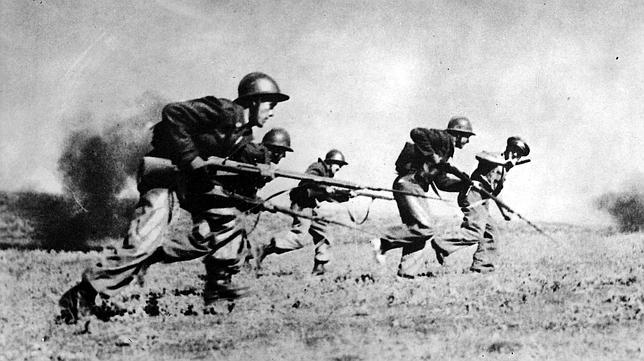
I haven’t managed to find one yet. I’ve only seen online that, a few years ago, a craftsman produced a limited-edition tribute to commemorate the terrible Battle of the Ebro—the turning point that marked the end of the Republic and Franco's rise as the 'Caudillo' (leader) of Spain. My paternal grandfather fought in it, and he relived the horrors of that bloodbath for the rest of his life.
3652443-jpg-644x362.jpg


Batalla del Ebro: the Nationalist side alone fired more than 13,500 artillery shells every single day for four months. According to my grandfather, many civilians died. Entire families. Here is the 75th-anniversary edition...

41455417(1)(1).webp


As a historical note: my paternal grandfather enlisted in the 'Quinta del Biberón' (the Baby Bottle Draft) because his father was ill—it was either him or his father who had to go. Initially, he fought for the Republic, which was eventually routed by Franco’s forces, supported by Italian fascists and Nazi Germans.

He was taken prisoner and was saved by a nun who saw him drawing the Virgin Mary of his hometown with a piece of charcoal on his cell wall, praying before his execution (poor Catholic boy in the hands of the Communist Satan!). To survive, he was forced to switch sides and fight for the Nationalists. He performed so well that he was nearly recruited for the Blue Division (the División Azul). Thankfully, by some stroke of luck, he didn't end up fighting for Hitler in Russia.

According to declassified intelligence archives, the financing of the uprising was heavily supported by Juan March (Founder of the current Banca March) known as 'Franco’s banker.' While the CIA was not yet established during the Civil War, its predecessors and the British MI6 worked closely with March. They channeled vast sums of money to support the anti-communist cause and, later, to bribe Spanish generals to ensure Spain remained neutral during World War II. This geopolitical backdrop explains why industrial figures like Joaquim Payá were targeted or supported based on their ideological leanings, and why his factory was ultimately seized by the UGT.
To summarize: these knives were produced to no end. The result of the Spanish Civil War was predetermined. Franco possessed the support of the Fascist Axis (armaments and troops) as well as the future Allies (financial backing) 🤷‍♂️

That bottom picture is a Brown Mule lookalike.
 
It’s curious that I'm talking about a pocket knife attributed to a specific manufacturer who, as it turns out, was actually in prison when it was produced... 🤯

One day, I decided to track down an authentic pocket knife from the Spanish Civil War. That damn war that caused so much pain to my country and my family. I did some research and realized that every available resource—whether domestic or foreign—was used to massacre the opposing side. Cases like this SA 110 are rare; they are usually associated with special orders rather than the common soldiers, like my poor paternal grandfather, may he rest in peace, who passed away many years ago. I’m not an exceptionally old person; it’s just that my grandfather was forced to go to war right after he turned 17.

Screenshot-2025-06-15-00-55-12-248-edit-com-miui-gallery.webp

SA: Under-Secretariat of Armament,

The knife itself is the 'Campaña' (Campaign) model, a design that had been typical since Spain’s colonial era in the north of Africa (what I've read around). In fact, these were so common for everyday use that my grandparents even had one lying around the house. However, this specific SA 110 version did not bear the 'Payá' brand name (Paya Hermanos and later J. Paya) and it was named the 'Miliciana' model.

2C518073772C513CED3E32513CE18F(1)(1).webp


Mr. Joaquim Payá was imprisoned for his sympathies toward the Nationalist rebels (who received significant foreign backing at the time). While he was behind bars, his factory was collectivized by the UGT union. The UGT was a powerful Socialist labor union allied with the government. During the war, they seized factories from owners who supported the rebels.

ff18048352ab715164132738548cdd67.jpg


Here is another miliciana pocket knife from that era...

IMG-0414.jpg

Screenshot-2026-03-23-00-15-51-764-edit-com-miui-gallery.jpg


A few years ago, these knives could be found in flea markets in poor condition and at dirt-cheap prices. Their history had been all but forgotten. Many had their stamps filed off or erased after the rebel victory, as anything related to the unions was associated with the communists.

I haven’t managed to find one yet. I’ve only seen online that, a few years ago, a craftsman produced a limited-edition tribute to commemorate the terrible Battle of the Ebro—the turning point that marked the end of the Republic and Franco's rise as the 'Caudillo' (leader) of Spain. My paternal grandfather fought in it, and he relived the horrors of that bloodbath for the rest of his life.

3652443-jpg-644x362.jpg


Batalla del Ebro: the Nationalist side alone fired more than 13,500 artillery shells every single day for four months. According to my grandfather, many civilians died. Entire families. Here is the 75th-anniversary edition...

41455417(1)(1).webp


As a historical note: my paternal grandfather enlisted in the 'Quinta del Biberón' (the Baby Bottle Draft) because his father was ill—it was either him or his father who had to go. Initially, he fought for the Republic, which was eventually routed by Franco’s forces, supported by Italian fascists and Nazi Germans.

He was taken prisoner and was saved by a nun who saw him drawing the Virgin Mary of his hometown with a piece of charcoal on his cell wall, praying before his execution (poor Catholic boy in the hands of the Communist Satan!). To survive, he was forced to switch sides and fight for the Nationalists. He performed so well that he was nearly recruited for the Blue Division (the División Azul). Thankfully, by some stroke of luck, he didn't end up fighting for Hitler in Russia.

According to declassified intelligence archives, the financing of the uprising was heavily supported by Juan March (Founder of the current Banca March) known as 'Franco’s banker.' While the CIA was not yet established during the Civil War, its predecessors and the British MI6 worked closely with March. They channeled vast sums of money to support the anti-communist cause and, later, to bribe Spanish generals to ensure Spain remained neutral during World War II. This geopolitical backdrop explains why industrial figures like Joaquim Payá were targeted or supported based on their ideological leanings, and why his factory was ultimately seized by the UGT.
To summarize: these knives were produced to no end. The result of the Spanish Civil War was predetermined. Franco possessed the support of the Fascist Axis (armaments and troops) as well as the future Allies (financial backing) 🤷‍♂️
What an interesting read! Thanks for sharing!
 
It’s curious that I'm talking about a pocket knife attributed to a specific manufacturer who, as it turns out, was actually in prison when it was produced... 🤯

One day, I decided to track down an authentic pocket knife from the Spanish Civil War. That damn war that caused so much pain to my country and my family. I did some research and realized that every available resource—whether domestic or foreign—was used to massacre the opposing side. Cases like this SA 110 are rare; they are usually associated with special orders rather than the common soldiers, like my poor paternal grandfather, may he rest in peace, who passed away many years ago. I’m not an exceptionally old person; it’s just that my grandfather was forced to go to war right after he turned 17.

Screenshot-2025-06-15-00-55-12-248-edit-com-miui-gallery.webp

SA: Under-Secretariat of Armament,

The knife itself is the 'Campaña' (Campaign) model, a design that had been typical since Spain’s colonial era in the north of Africa (what I've read around). In fact, these were so common for everyday use that my grandparents even had one lying around the house. However, this specific SA 110 version did not bear the 'Payá' brand name (Paya Hermanos and later J. Paya) and it was named the 'Miliciana' model.

2C518073772C513CED3E32513CE18F(1)(1).webp


Mr. Joaquim Payá was imprisoned for his sympathies toward the Nationalist rebels (who received significant foreign backing at the time). While he was behind bars, his factory was collectivized by the UGT union. The UGT was a powerful Socialist labor union allied with the government. During the war, they seized factories from owners who supported the rebels.

ff18048352ab715164132738548cdd67.jpg


Here is another miliciana pocket knife from that era...

IMG-0414.jpg

Screenshot-2026-03-23-00-15-51-764-edit-com-miui-gallery.jpg


A few years ago, these knives could be found in flea markets in poor condition and at dirt-cheap prices. Their history had been all but forgotten. Many had their stamps filed off or erased after the rebel victory, as anything related to the unions was associated with the communists.

I haven’t managed to find one yet. I’ve only seen online that, a few years ago, a craftsman produced a limited-edition tribute to commemorate the terrible Battle of the Ebro—the turning point that marked the end of the Republic and Franco's rise as the 'Caudillo' (leader) of Spain. My paternal grandfather fought in it, and he relived the horrors of that bloodbath for the rest of his life.

3652443-jpg-644x362.jpg


Batalla del Ebro: the Nationalist side alone fired more than 13,500 artillery shells every single day for four months. According to my grandfather, many civilians died. Entire families. Here is the 75th-anniversary edition...

41455417(1)(1).webp


As a historical note: my paternal grandfather enlisted in the 'Quinta del Biberón' (the Baby Bottle Draft) because his father was ill—it was either him or his father who had to go. Initially, he fought for the Republic, which was eventually routed by Franco’s forces, supported by Italian fascists and Nazi Germans.

He was taken prisoner and was saved by a nun who saw him drawing the Virgin Mary of his hometown with a piece of charcoal on his cell wall, praying before his execution (poor Catholic boy in the hands of the Communist Satan!). To survive, he was forced to switch sides and fight for the Nationalists. He performed so well that he was nearly recruited for the Blue Division (the División Azul). Thankfully, by some stroke of luck, he didn't end up fighting for Hitler in Russia.

According to declassified intelligence archives, the financing of the uprising was heavily supported by Juan March (Founder of the current Banca March) known as 'Franco’s banker.' While the CIA was not yet established during the Civil War, its predecessors and the British MI6 worked closely with March. They channeled vast sums of money to support the anti-communist cause and, later, to bribe Spanish generals to ensure Spain remained neutral during World War II. This geopolitical backdrop explains why industrial figures like Joaquim Payá were targeted or supported based on their ideological leanings, and why his factory was ultimately seized by the UGT.
To summarize: these knives were produced to no end. The result of the Spanish Civil War was predetermined. Franco possessed the support of the Fascist Axis (armaments and troops) as well as the future Allies (financial backing) 🤷‍♂️
Very interesting story, and knife!!
Muchas Gracias!!
(Interestingly, My last name is pronounced like 'Campaña' But means something different in Italian!!
Charlie Campagna
 
Despite a longstanding interest in the Spanish Civil War, I have never given much thought to the knives. I consider myself lucky to have met some of those who fought, not least 'Abel Paz', and to have spent a lot of time in Barcelona. I have come across bailed Sodbuster-style knives a number of times on British market stalls. Here's one I have a photo of, which had no markings I could discern. I forget who I sent it to now, possibly r8shell r8shell :thumbsup:

Anon Sodbuster.JPG
 
Last edited:
Back
Top