- Joined
- May 16, 2010
- Messages
- 9,347
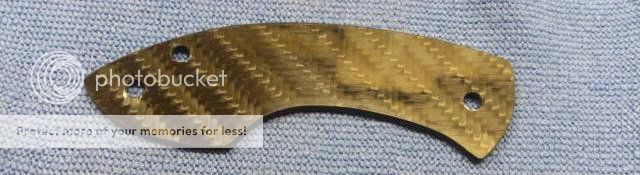
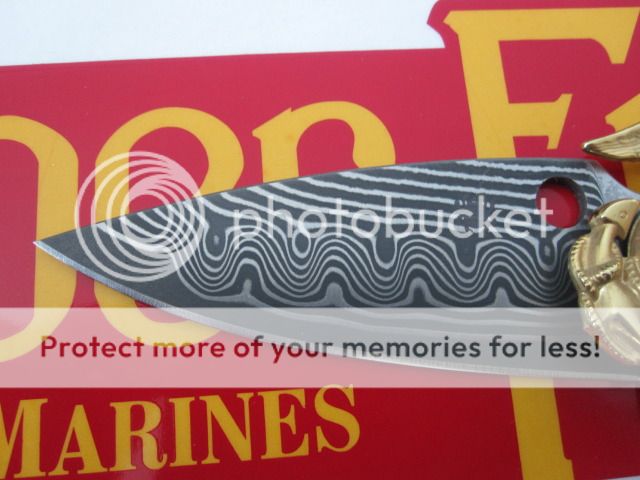
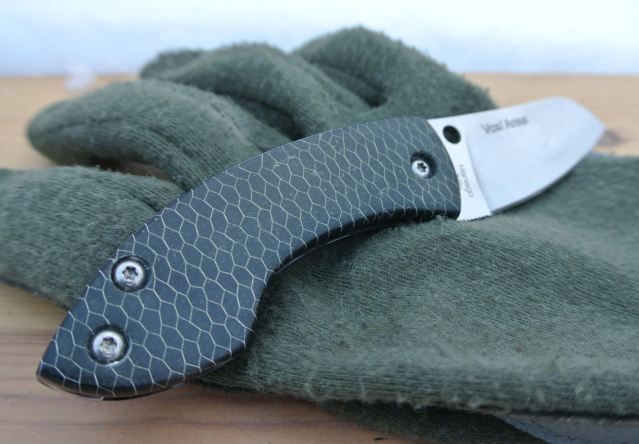
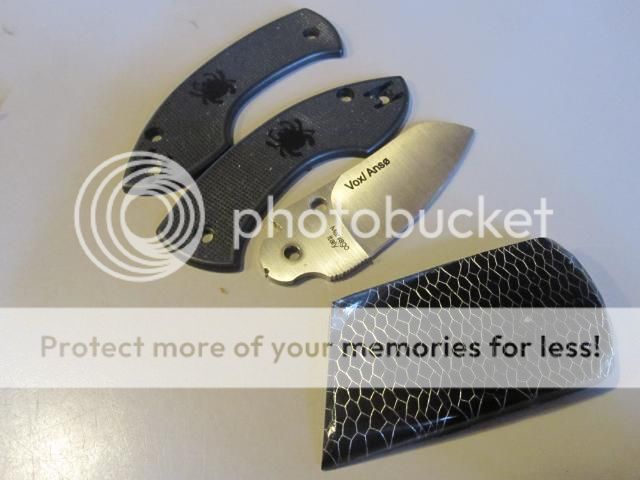
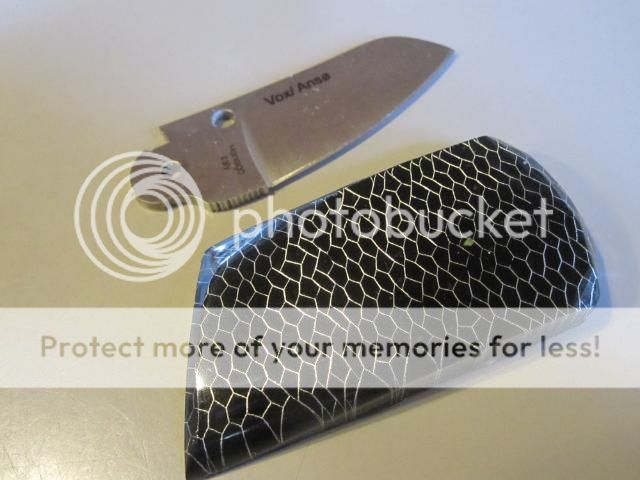
A new set of scales for my excellent PINGO knife.
I'm a huge fan of the stock FRN scales, but thought it would be great to improve on an already very well made knife.
My buddy 'DKDravis' and I went to work. When I say, we went to work, I mean that DKDravis did the work and I assisted, took pics and generally was in the way. A huge thank you to DKDravis for taking on this work, which he did for the fun of it and just because he can. There were some trial and error involved, but it was also very much fun to see the scales take form.
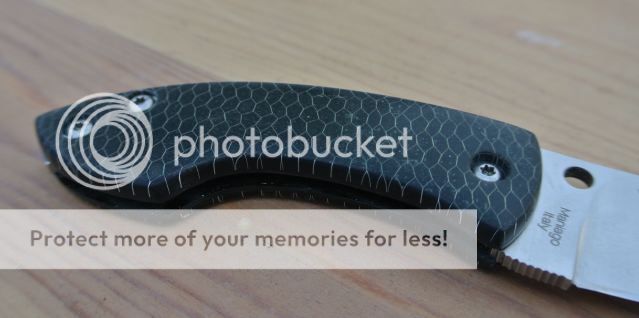
The scales simply have to be felt and seen up close to be believed. They add a whole new 'feel' to the Pingo of even better quality. The scales are unbelievably rigid and there is a distinct 'snap' to the knife when opening the blade.
Highlighted 'how to' text and first two pics by DKDravis
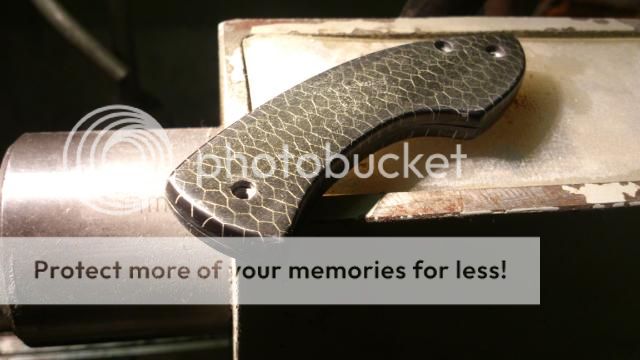
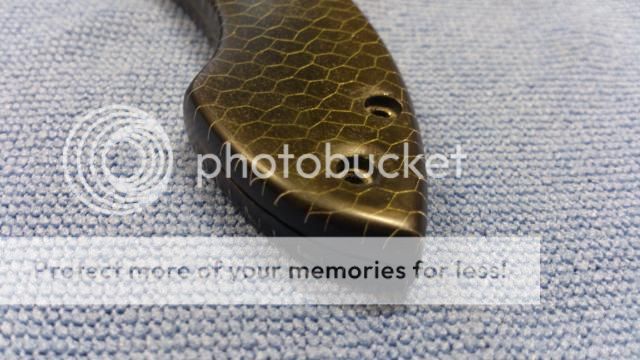
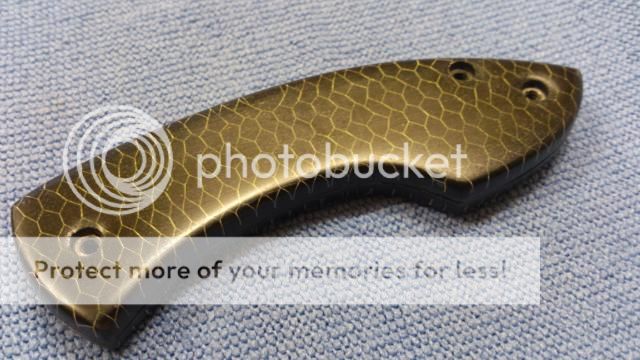
The grips are built as a sandwich construction using advanced composite materials:
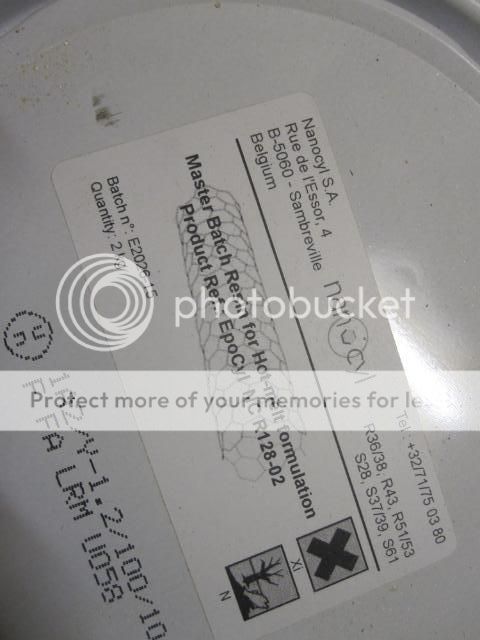
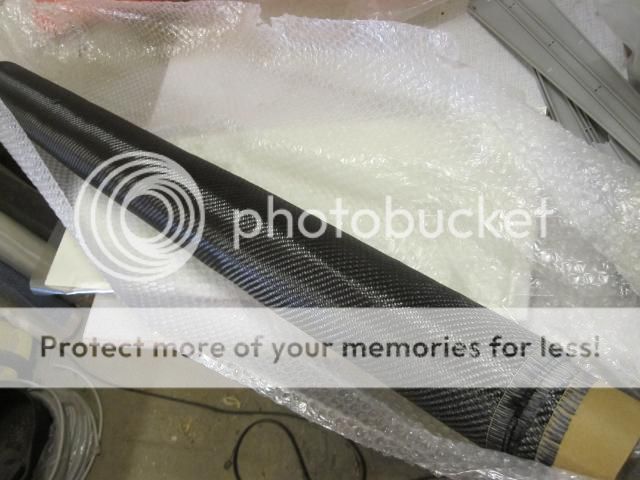
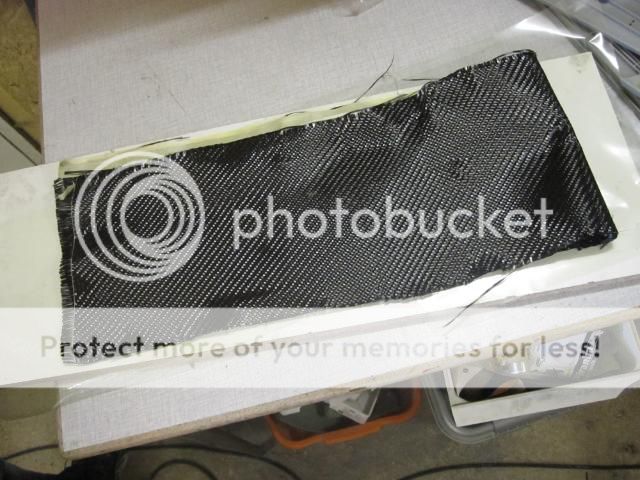
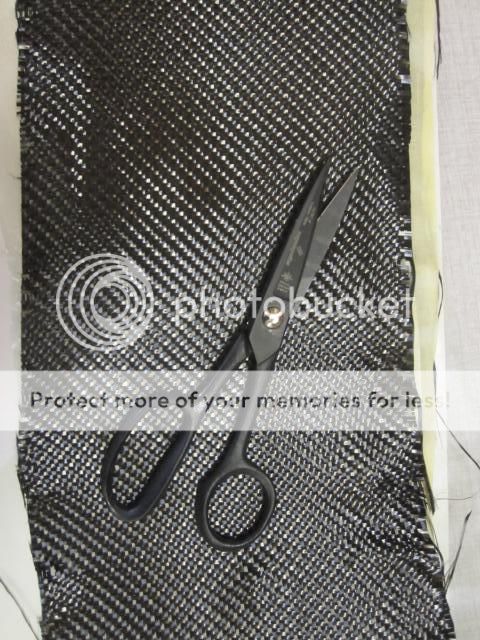
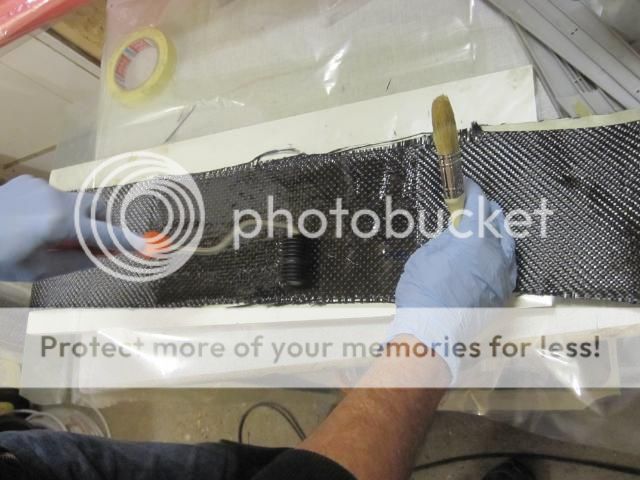
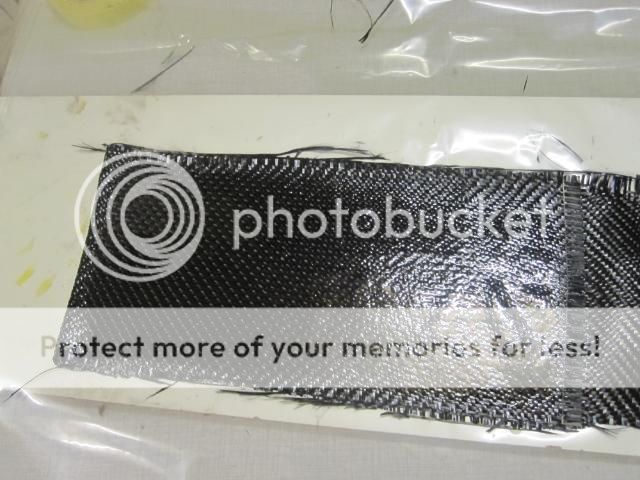
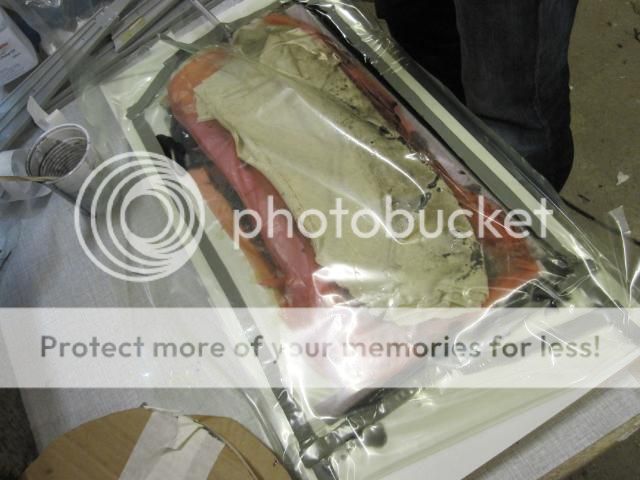
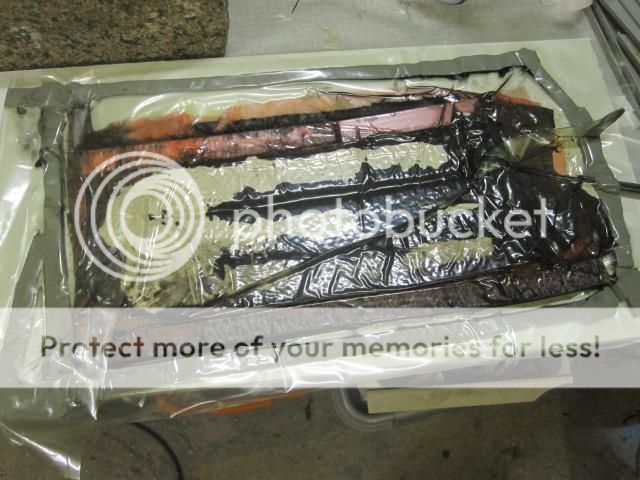
First off a base-layer was made, consisting of two layers of Twill-weave 200g/m2 Carbon/Twaron mixed-fibre bonded with Nanocyl enhanced Bisphenol-A epoxy matrix.
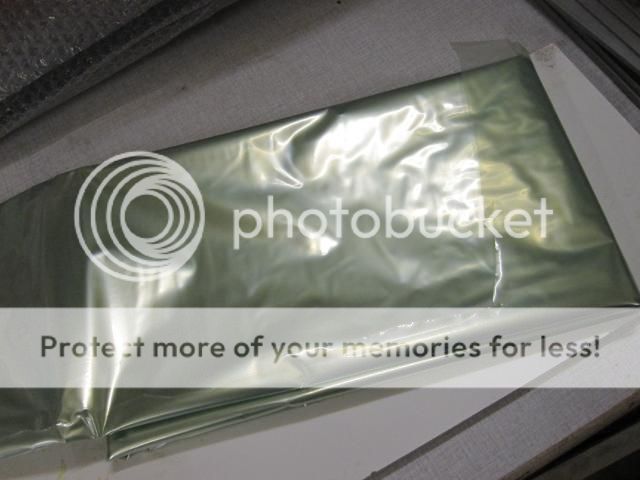
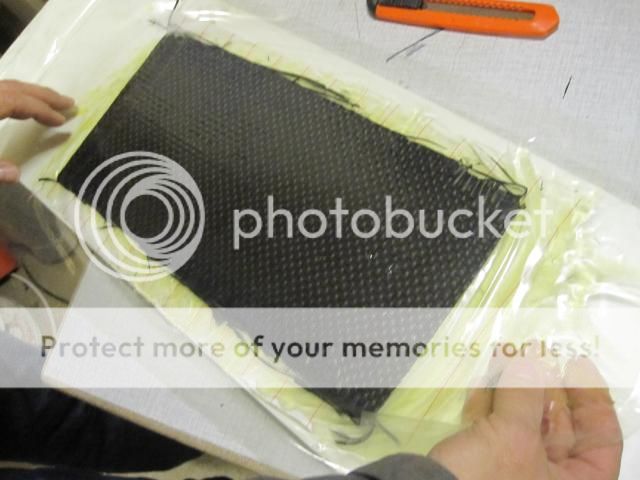
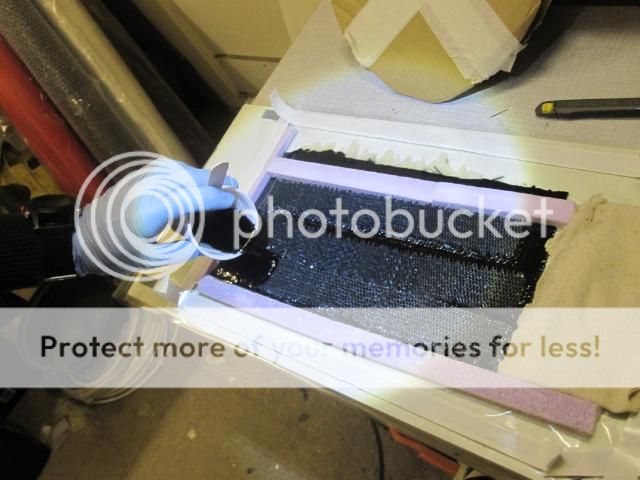
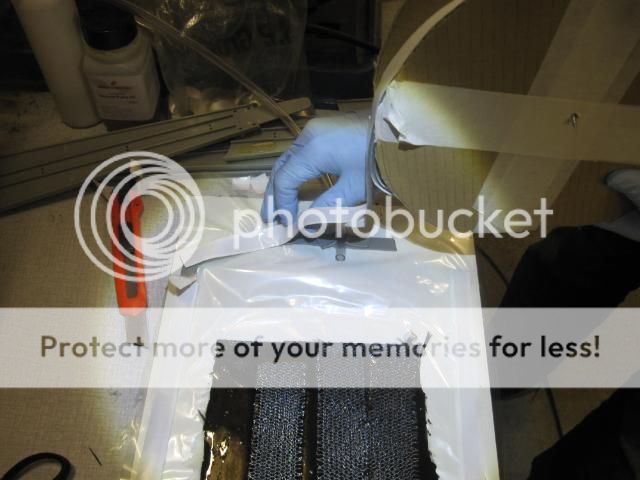
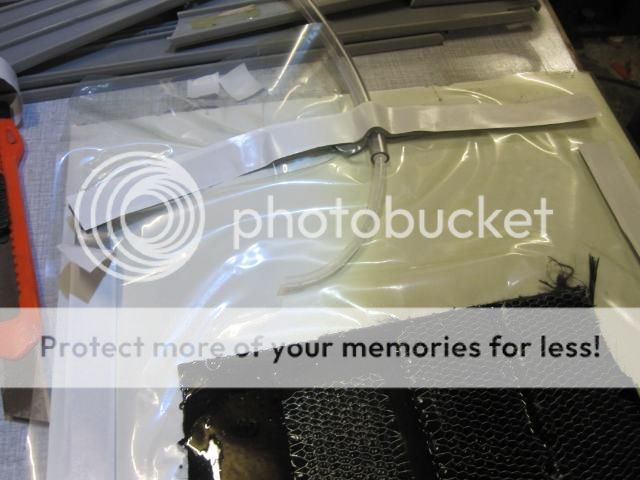
This was cured in vacuum to ensure a void free composite material with high fibreto-matrix ratio.
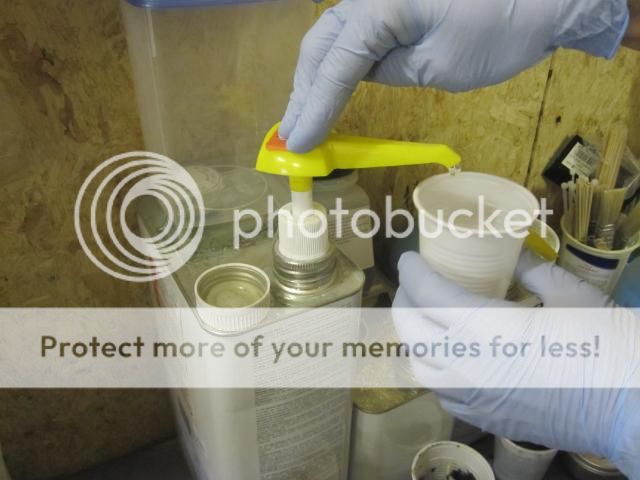
Nanocyl is a Carbon nanotube structural hardener for Epoxy, containing a very high number of Multiwalled Carbon Nanotubes, it can make the actual Epoxy matrix up to 100% stronger
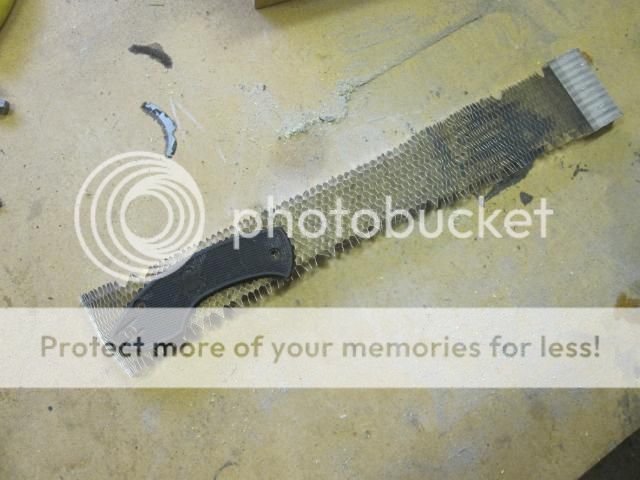
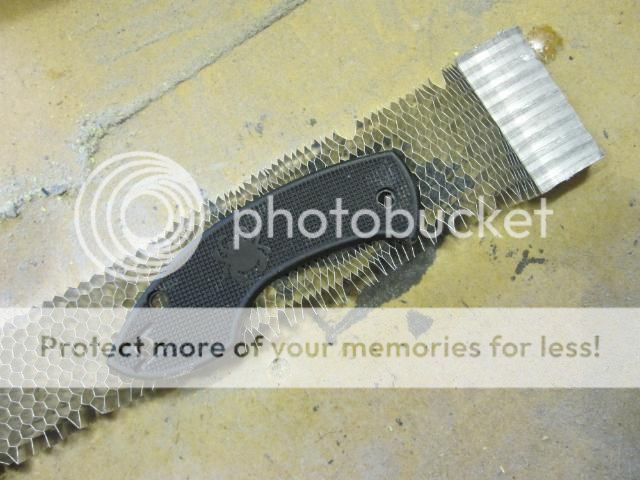
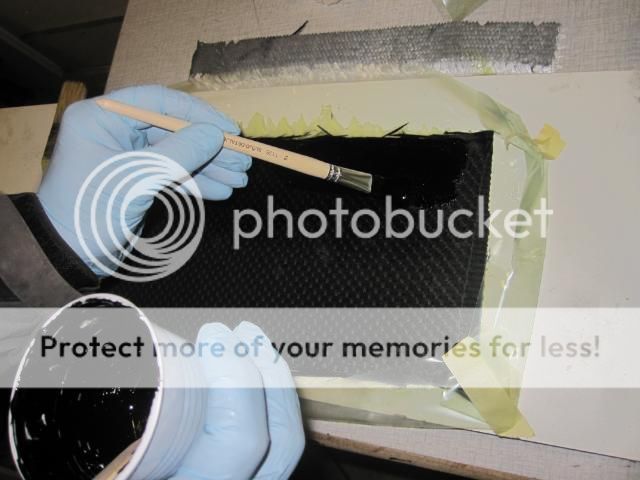
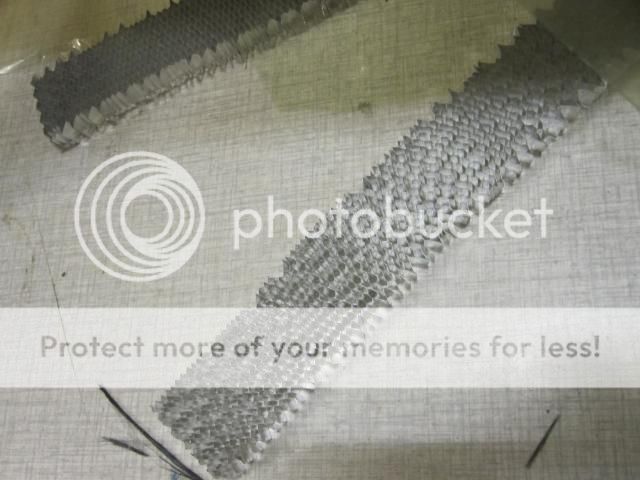
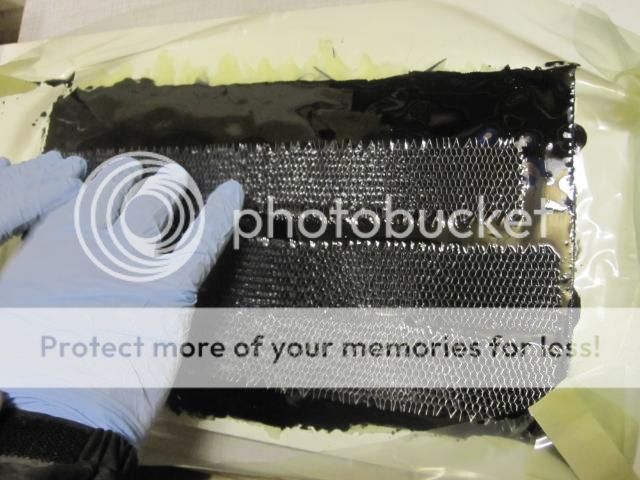
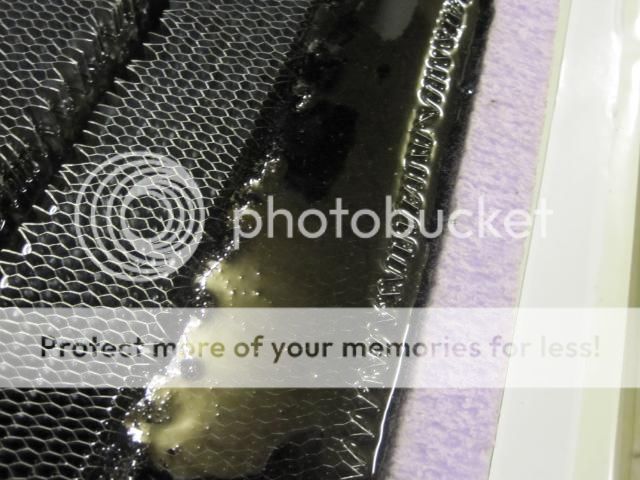
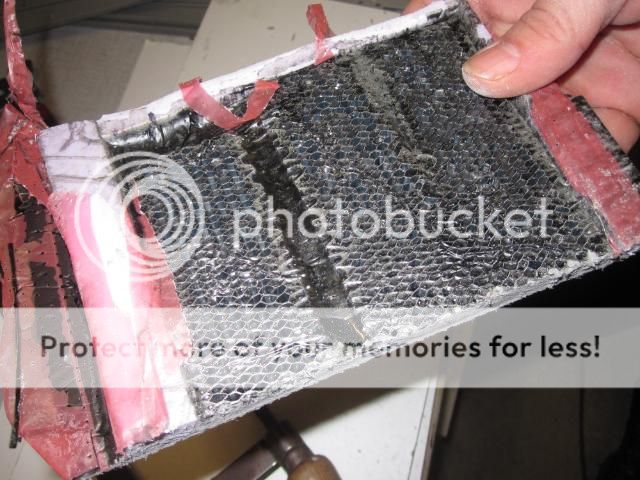
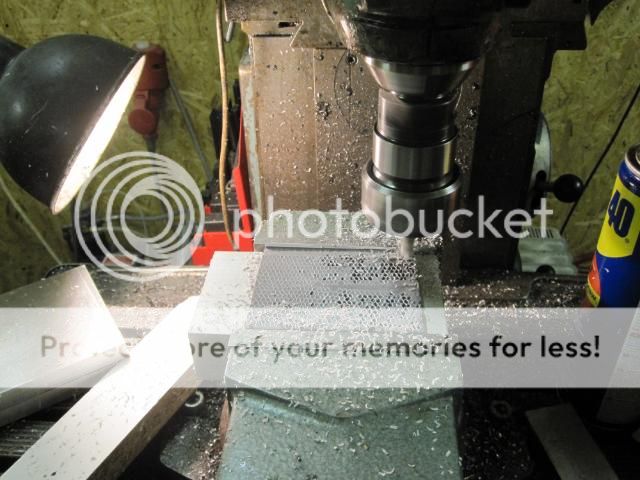
In stage two, a layer of aluminium honeycomb sandwich material was bonded to the base layer using the same Nanocyl enhanced Epoxy. In this case use is made of the Carbon Nanotubes ability to greatly enhance the bonding of the aluminium to the epoxy matrix
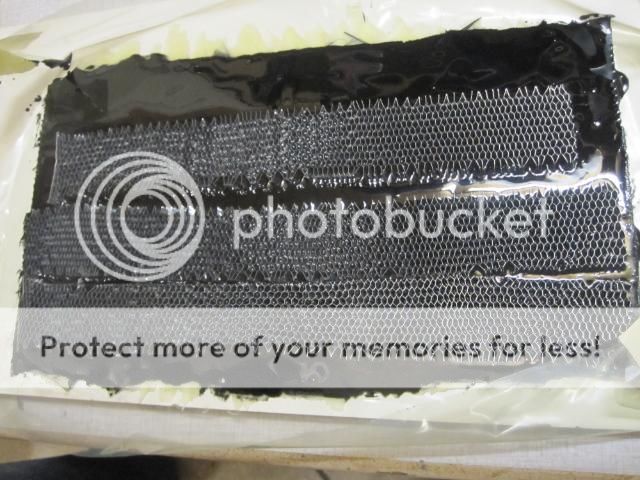
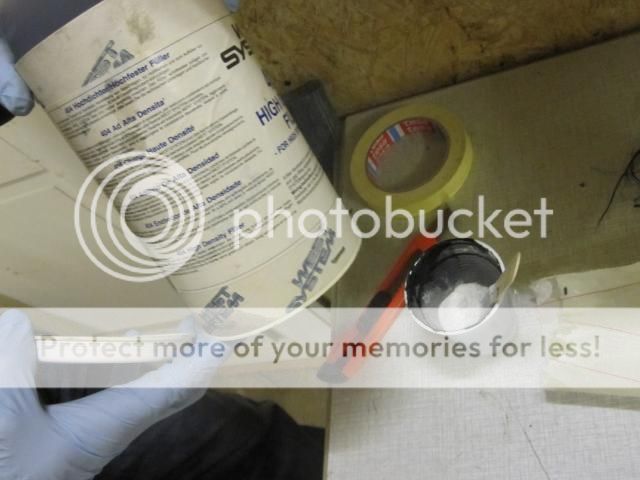
In stage three, the hexagonal voids in the aluminium honeycomb are filled with normal (coloured) epoxy matrix. Vacuum is again used to ensure that there are no voids in the material.
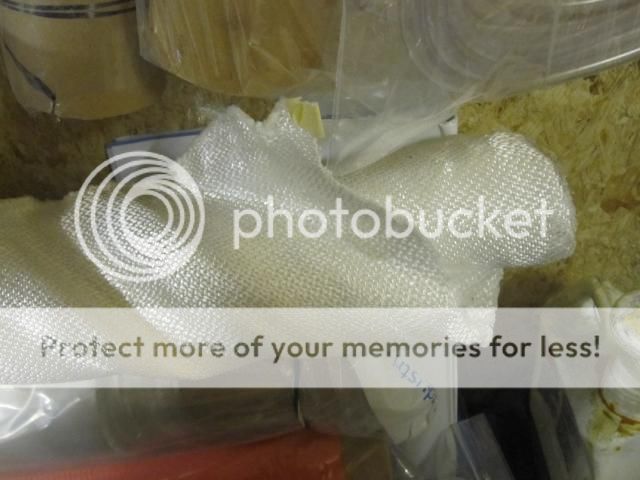
In stage four the resulting sandvich gets a top cover of very thin glass-fibre weave, which ensures good surface strength, and is almost invisible in the top coat of UV resistant Epoxy
In total: a completely manic piece of overengineering, but great fun to do.
The knife is completely transformed by the addition of these grips, from an ordinary good quality folder, to something that feels like real High end gear. This is mostly due to the much higher rigidity of the new grips, but also the thicker, smoother grips with a smooth surface.
Next step is a titanium flat sheet beltclip .. and perhaps a set of titanium screws.
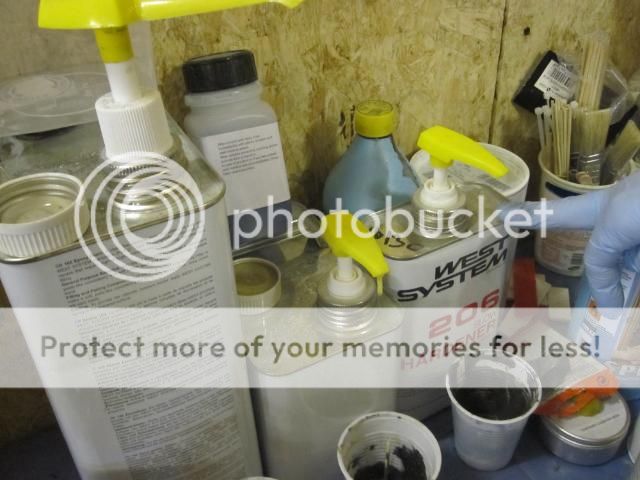
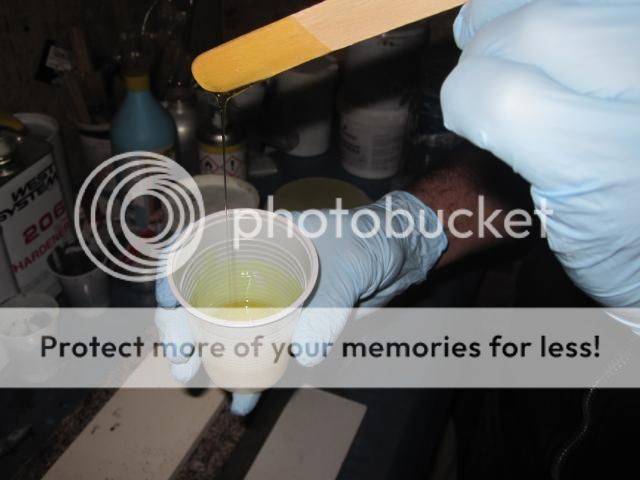
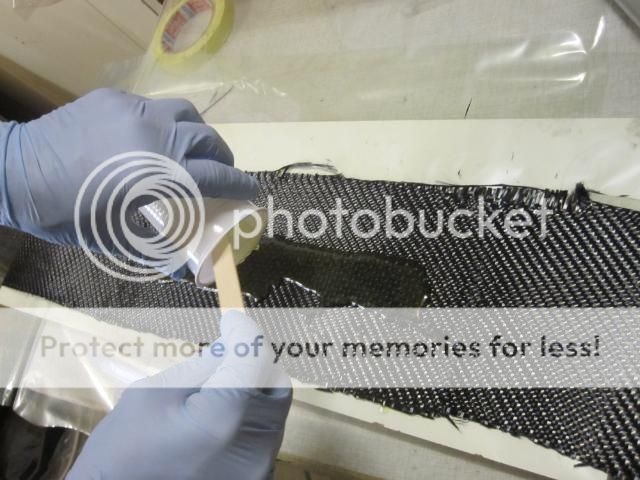
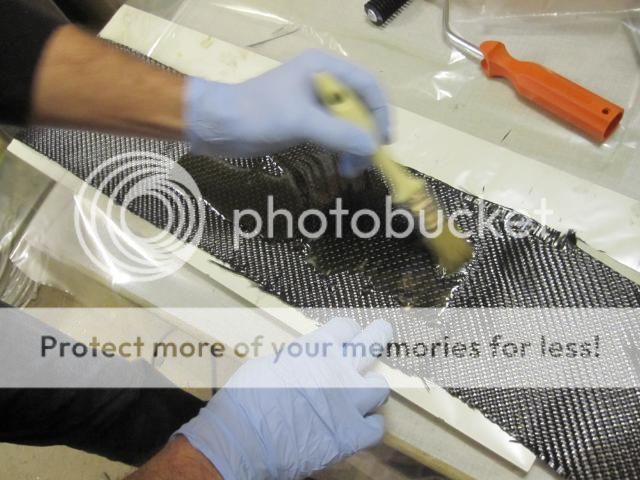
Some of my pic from the process:
I'm a huge fan of the stock FRN scales, but thought it would be great to improve on an already very well made knife.
My buddy 'DKDravis' and I went to work. When I say, we went to work, I mean that DKDravis did the work and I assisted, took pics and generally was in the way. A huge thank you to DKDravis for taking on this work, which he did for the fun of it and just because he can. There were some trial and error involved, but it was also very much fun to see the scales take form.
The scales simply have to be felt and seen up close to be believed. They add a whole new 'feel' to the Pingo of even better quality. The scales are unbelievably rigid and there is a distinct 'snap' to the knife when opening the blade.
Highlighted 'how to' text and first two pics by DKDravis
The grips are built as a sandwich construction using advanced composite materials:
First off a base-layer was made, consisting of two layers of Twill-weave 200g/m2 Carbon/Twaron mixed-fibre bonded with Nanocyl enhanced Bisphenol-A epoxy matrix.
This was cured in vacuum to ensure a void free composite material with high fibreto-matrix ratio.
Nanocyl is a Carbon nanotube structural hardener for Epoxy, containing a very high number of Multiwalled Carbon Nanotubes, it can make the actual Epoxy matrix up to 100% stronger
In stage two, a layer of aluminium honeycomb sandwich material was bonded to the base layer using the same Nanocyl enhanced Epoxy. In this case use is made of the Carbon Nanotubes ability to greatly enhance the bonding of the aluminium to the epoxy matrix
In stage three, the hexagonal voids in the aluminium honeycomb are filled with normal (coloured) epoxy matrix. Vacuum is again used to ensure that there are no voids in the material.
In stage four the resulting sandvich gets a top cover of very thin glass-fibre weave, which ensures good surface strength, and is almost invisible in the top coat of UV resistant Epoxy
In total: a completely manic piece of overengineering, but great fun to do.
The knife is completely transformed by the addition of these grips, from an ordinary good quality folder, to something that feels like real High end gear. This is mostly due to the much higher rigidity of the new grips, but also the thicker, smoother grips with a smooth surface.
Next step is a titanium flat sheet beltclip .. and perhaps a set of titanium screws.
Some of my pic from the process:


 Great job