

Mistwalker
Gold Member
- Joined
- Dec 22, 2007
- Messages
- 19,157
There are a few members of the Apiaceae, or Umbellifer, carrot, or celery family of plants that grow here in the Tennessee River Valley; Queen Anne's Lace (wild carrots), Wild Parsnips, and Poison Hemlock.
The seeds of the safest of which I know of, Queen Anne's Lace, are toxic enough that they have been used as an abortifacient in Europe for any years.
Though the roots of wild parsnips are edible, the sap from them on human skin and sunshine can mix very painfully, with a reaction known as phytophotodermatitis because of a substance called Furanocoumarin, which causes our skin to be extra sensitive to ultraviolet (UV) light. When the sap from the leaves and stems of these plants gets on our skin, and our skin is then exposed to sunlight, an inflammatory reaction takes place. The same reaction can be cause by other membersof the carrot family including carrots
The roots and seeds of the most toxic of them, poison hemlock, are especially deadly if ingested and it has no known antidotes. In fact this plant is so deadly the dried stalks are still deadly for 3 years after they die.
I've recently seen one "brand" of the "AI image search" label some of these same images of this same plant as " most likely wild parsnips
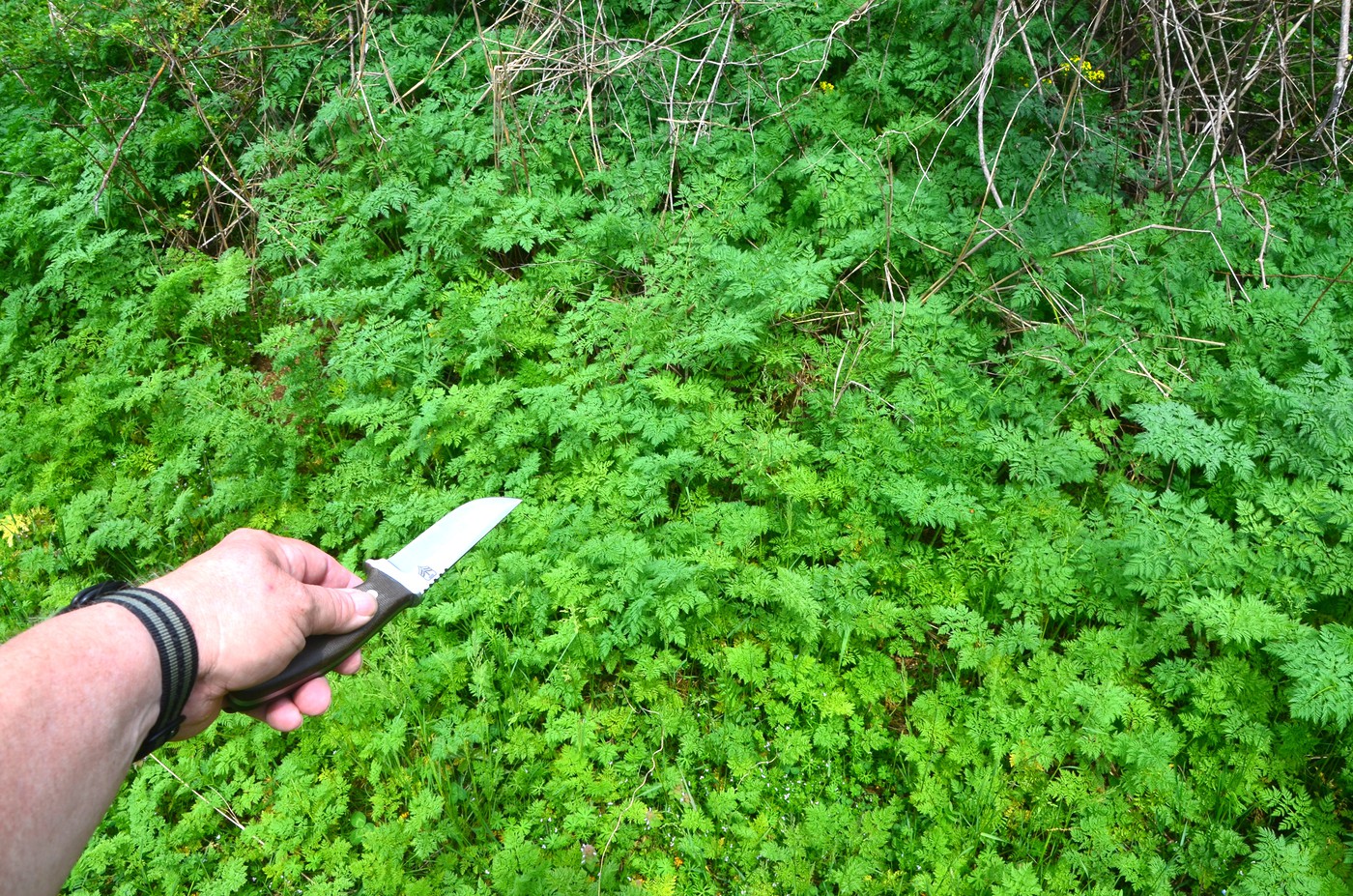
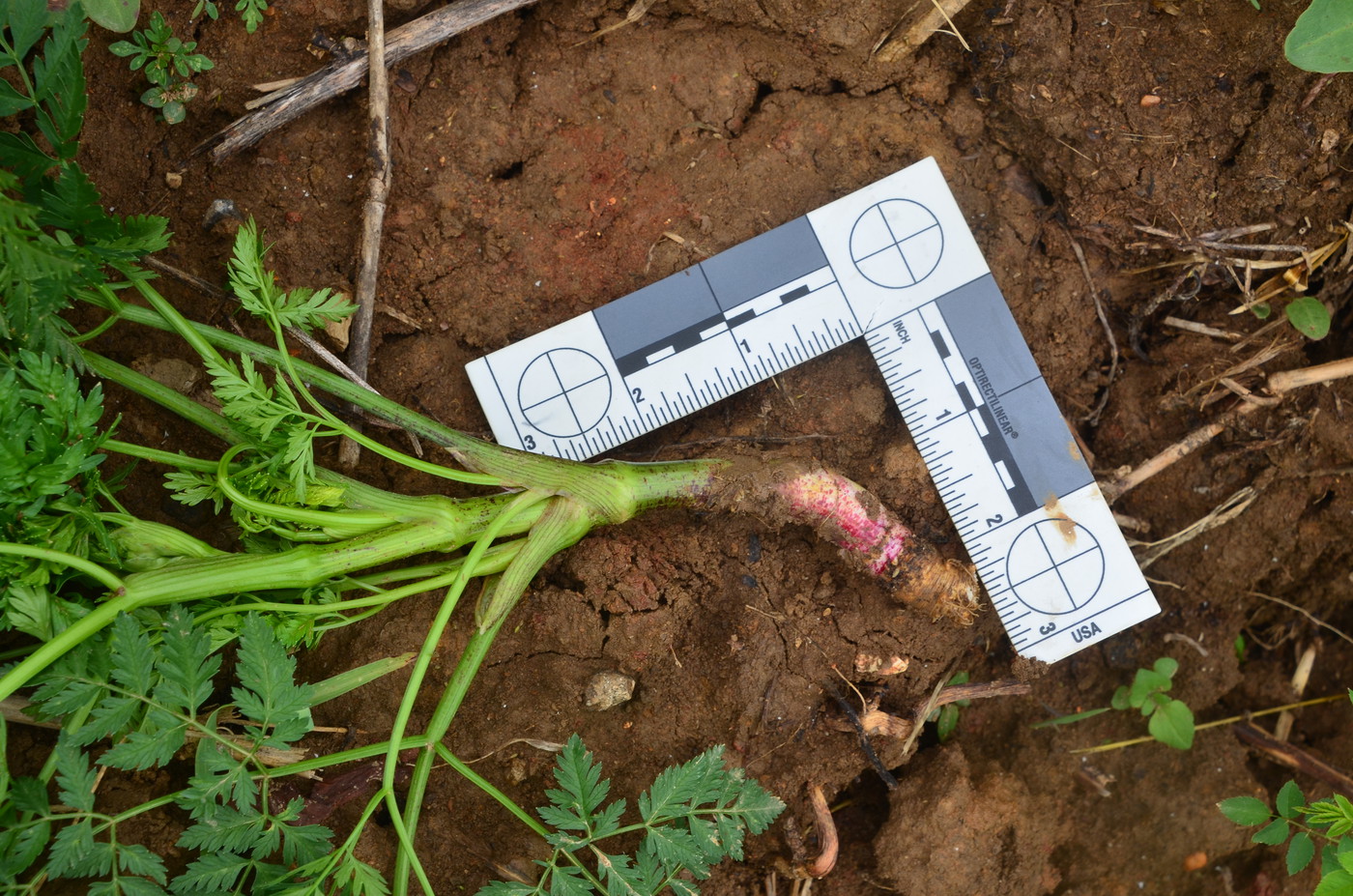
This is NOT Wild Parsnips, but with them both being in the carrot plant family they have very similar leaves. It is Poison Hemlock. It is deadly to ingest, and very dangerous even to handle. In my opinion there isn't enough nutrition in either of these plants in the carrot family to make any of them worth taking the risks involved, and if it has carrot leaves, I feel the safest approach is to just leave it alone.
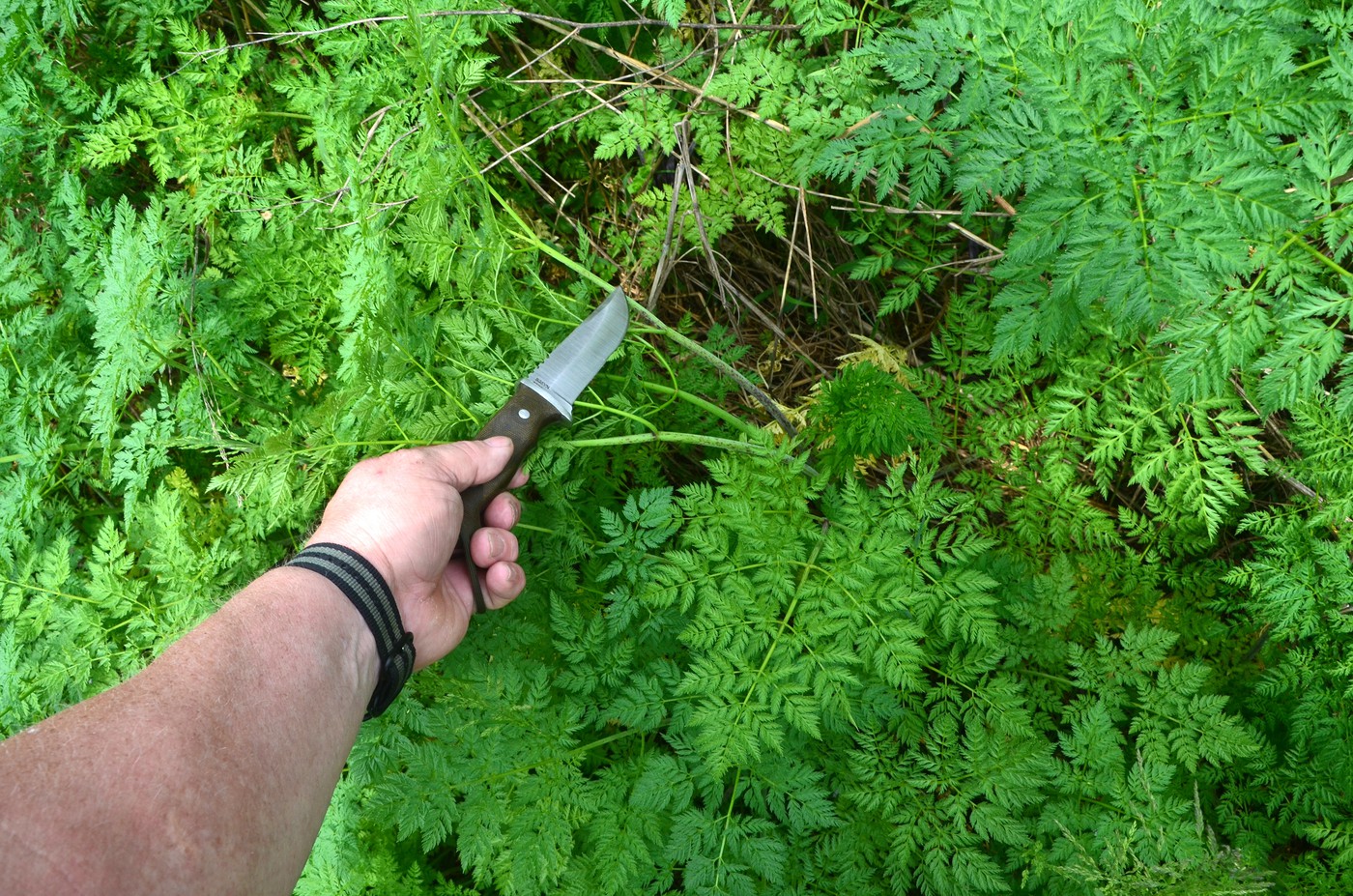
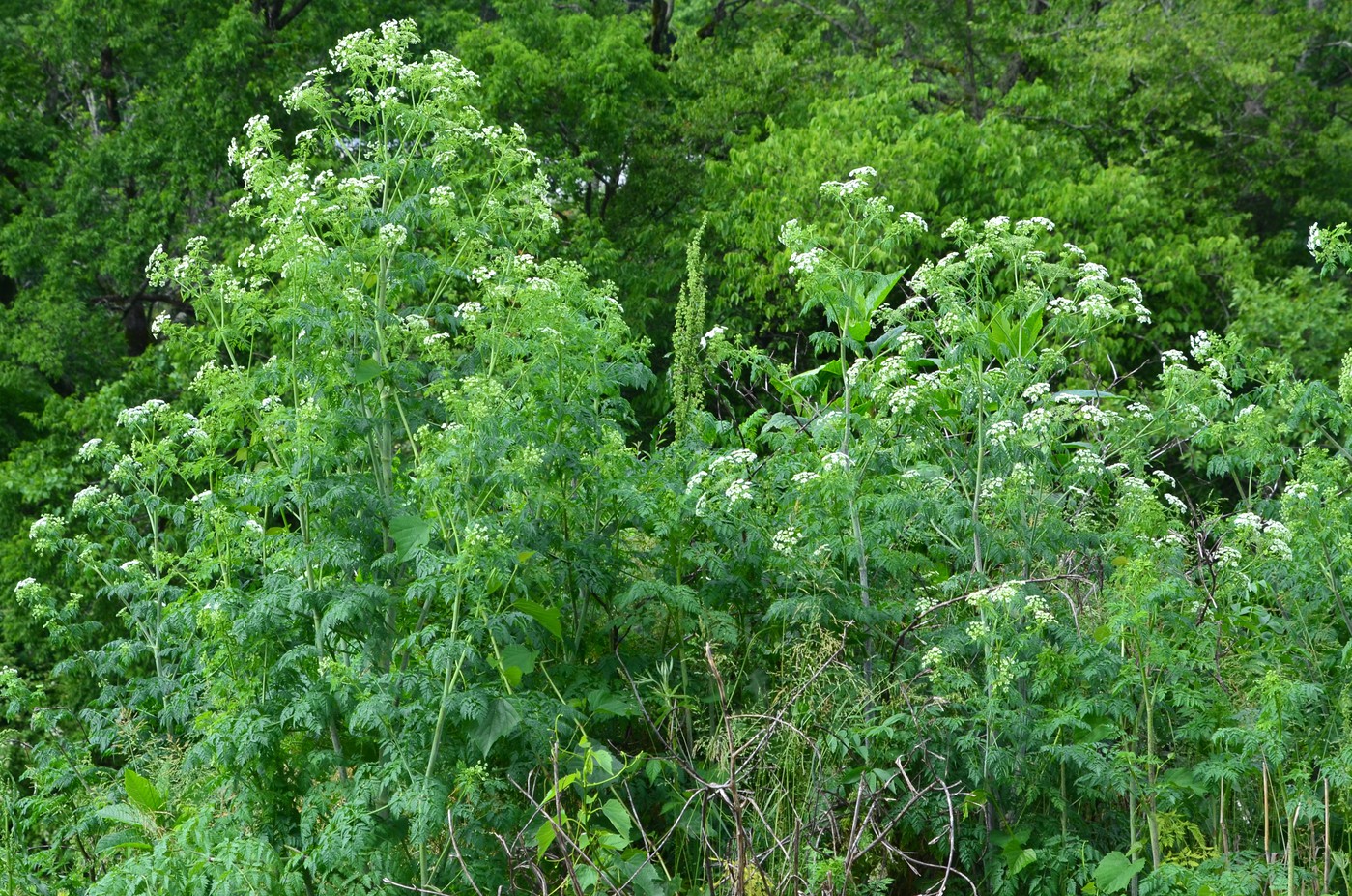
This is a patch of Hemlock
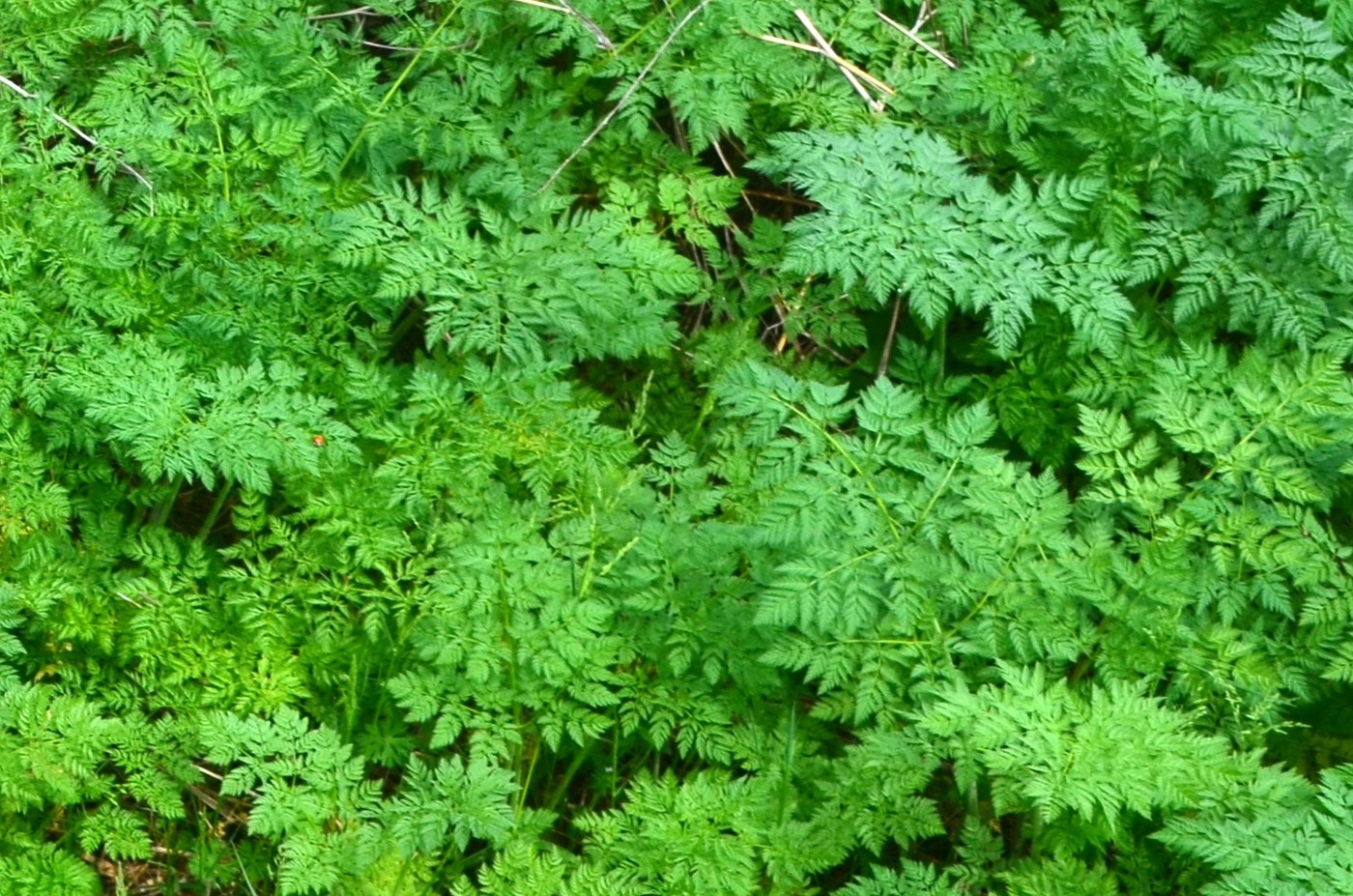
This is an outlying single plant
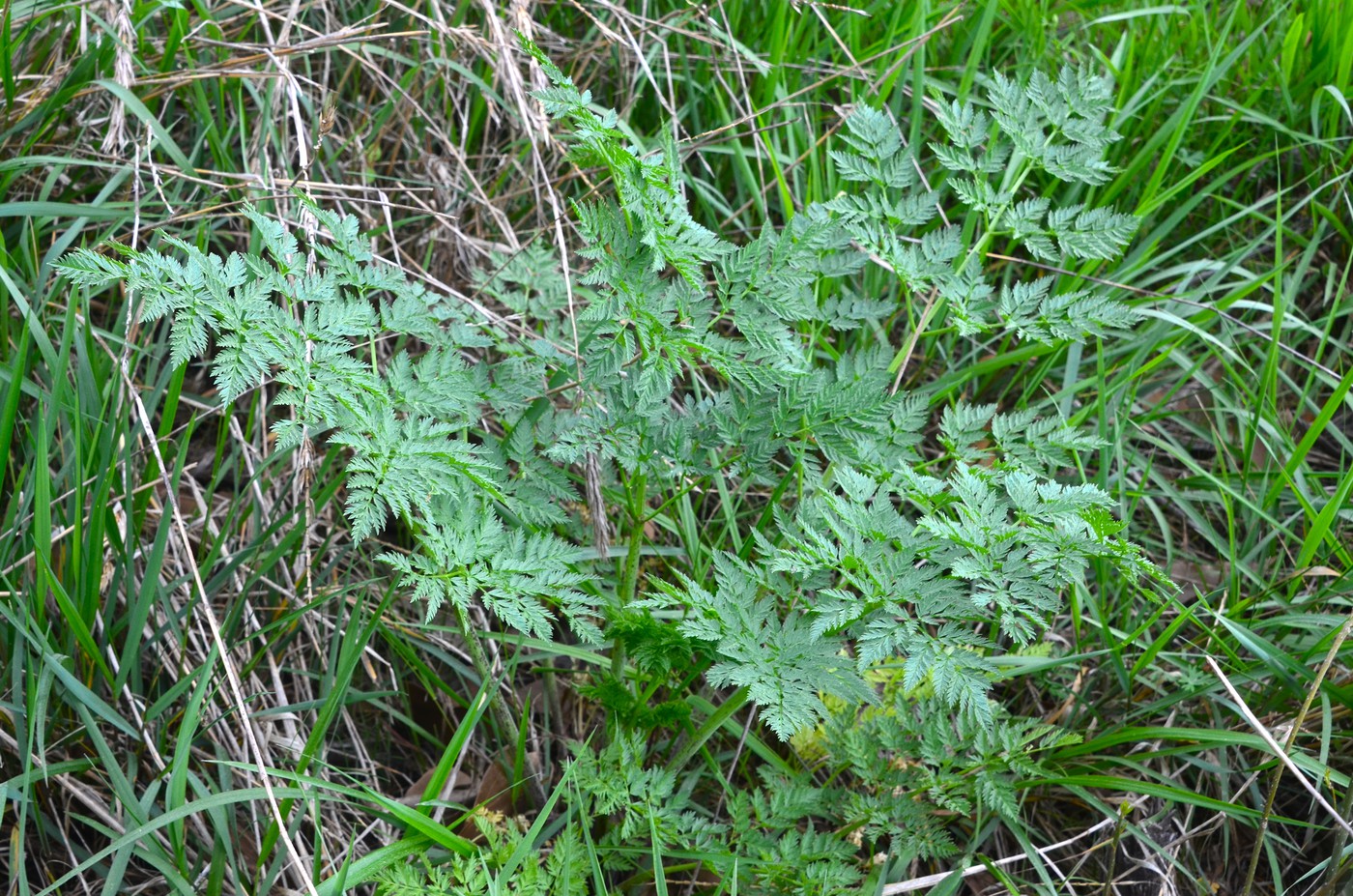
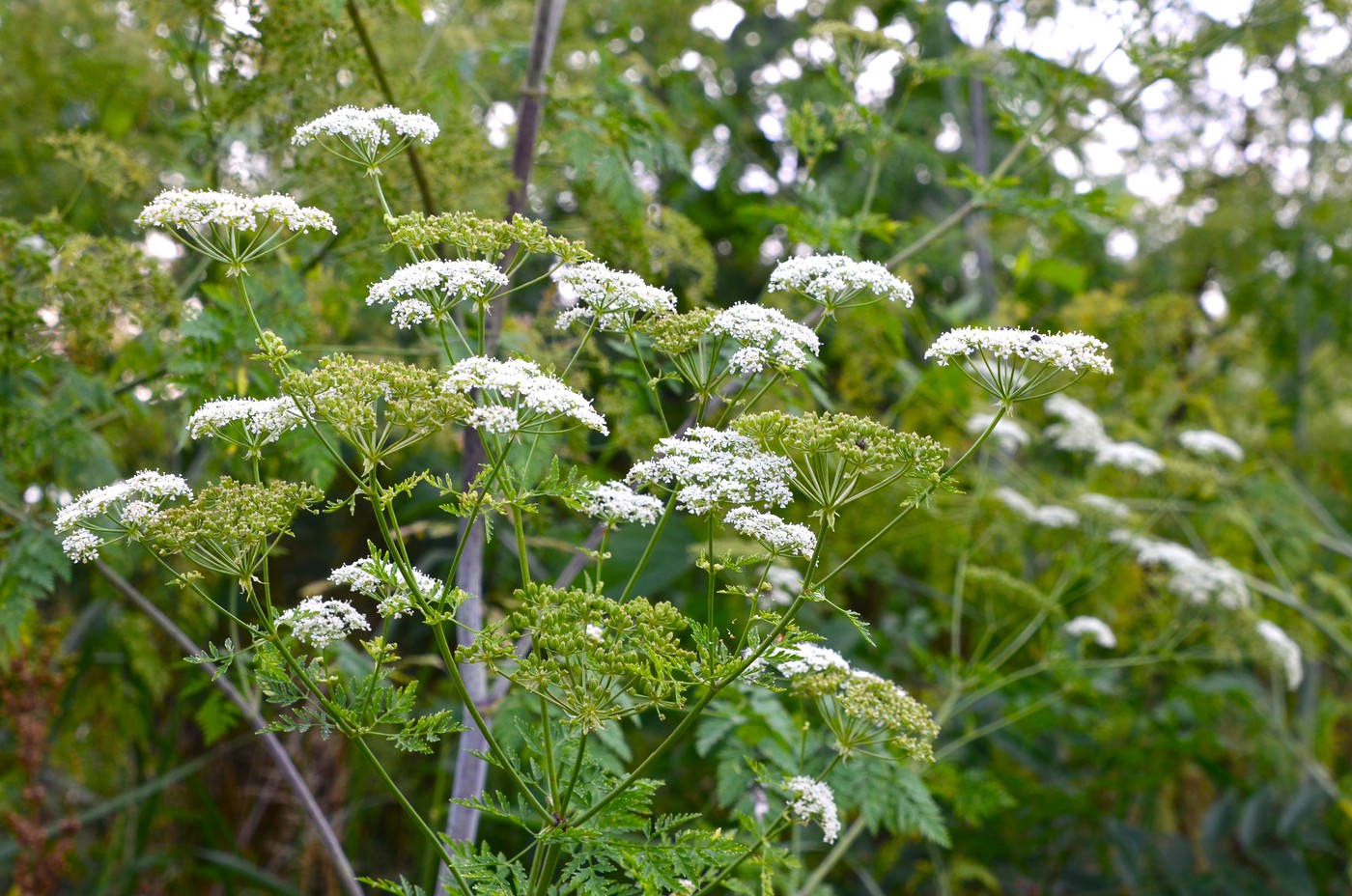
You can see the carrot leaf structure
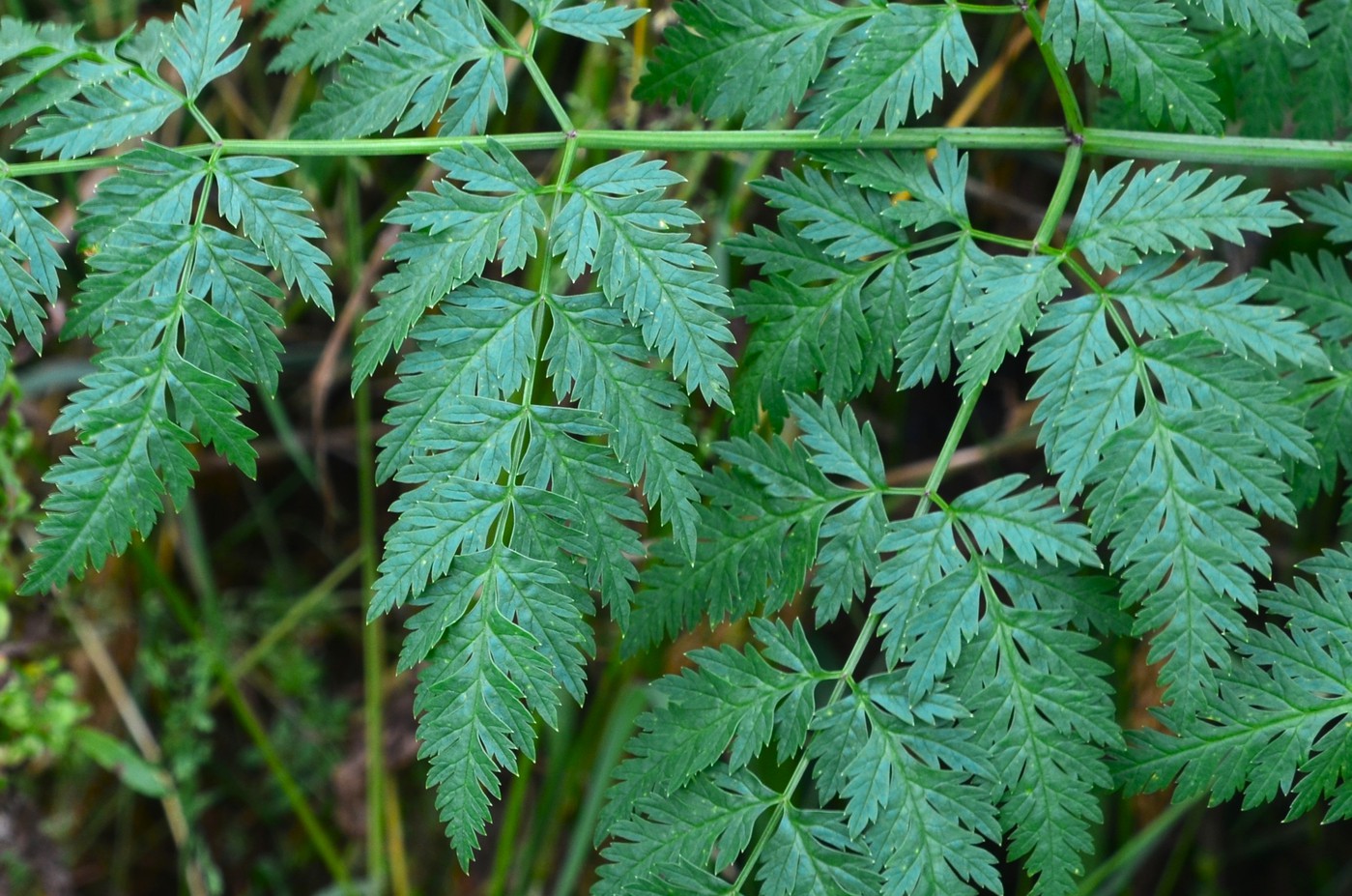
As the Hemlock stems mature the lower stalks turn a pale, sort of ghoulish, blueish-greenish-purple sort of color with maroon and deep purple splotches.
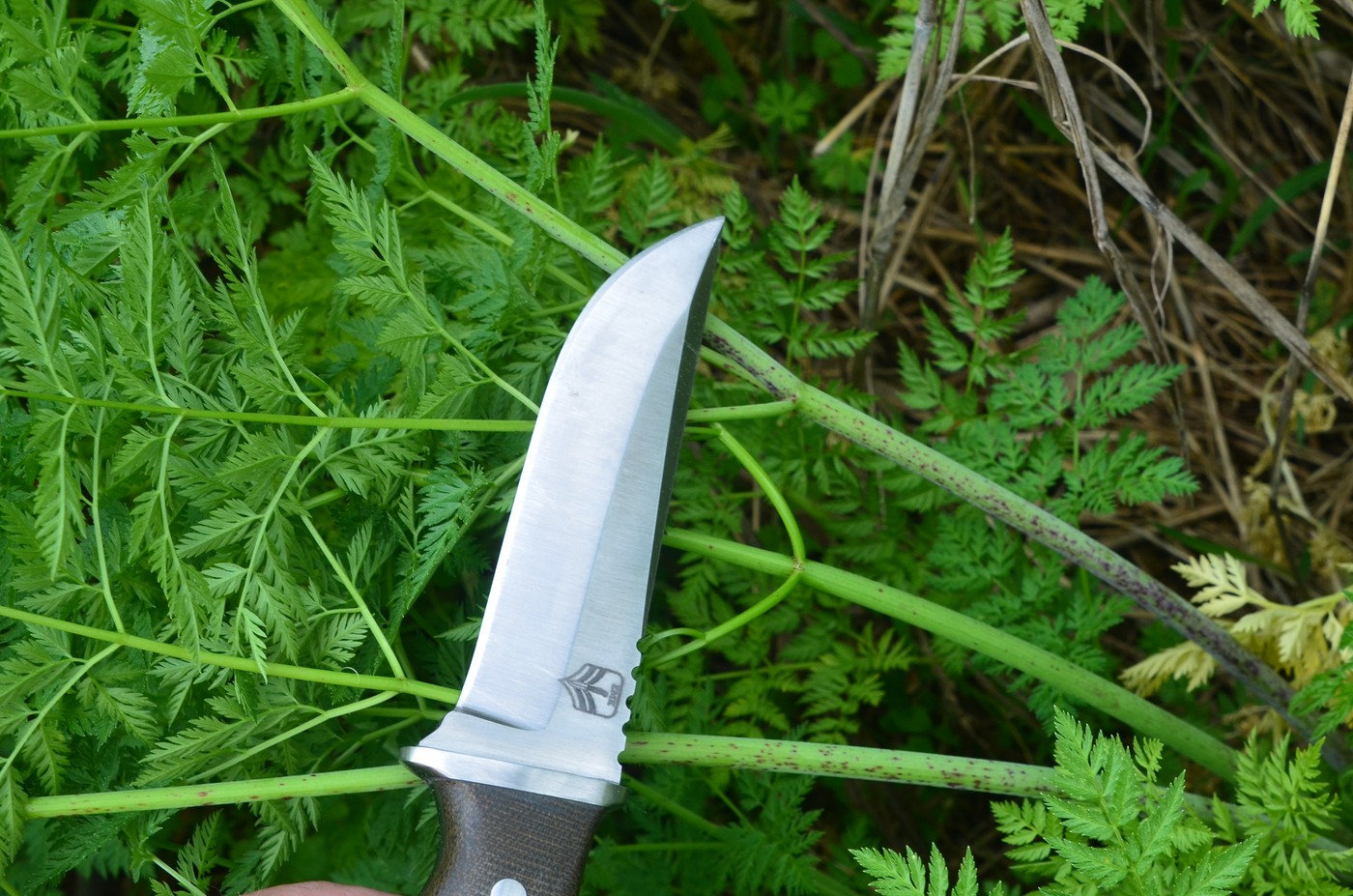
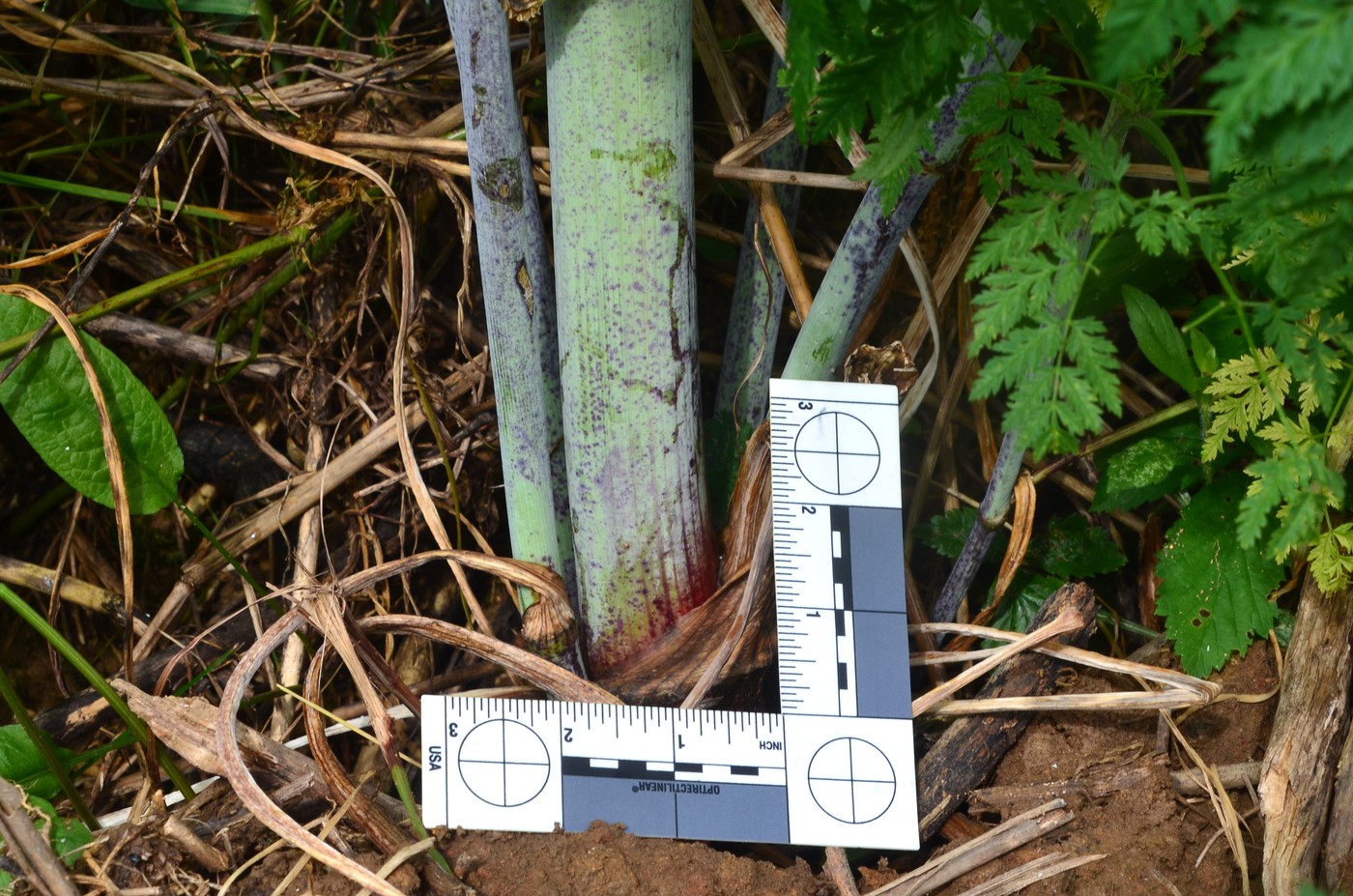
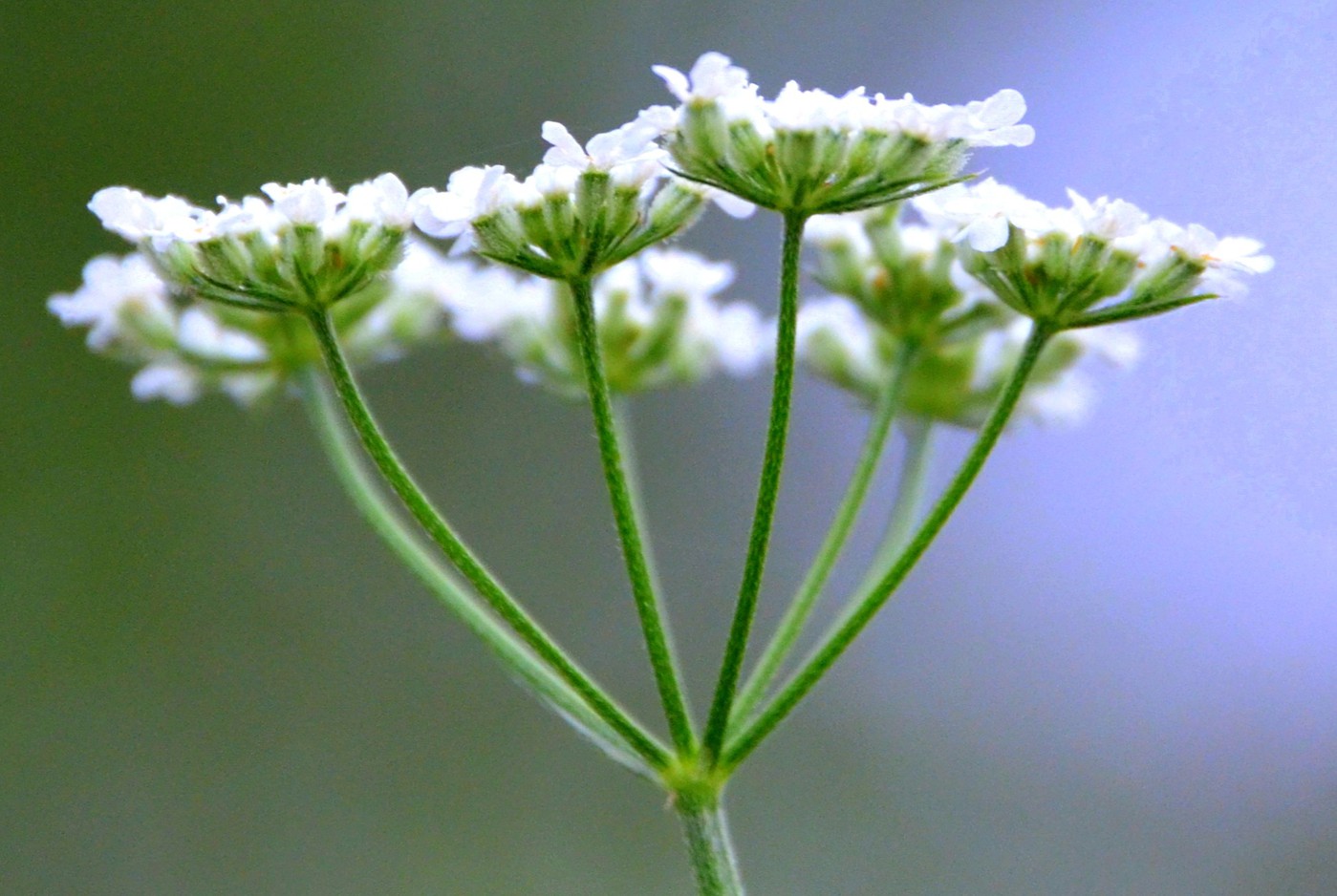
And then they bud and bloom
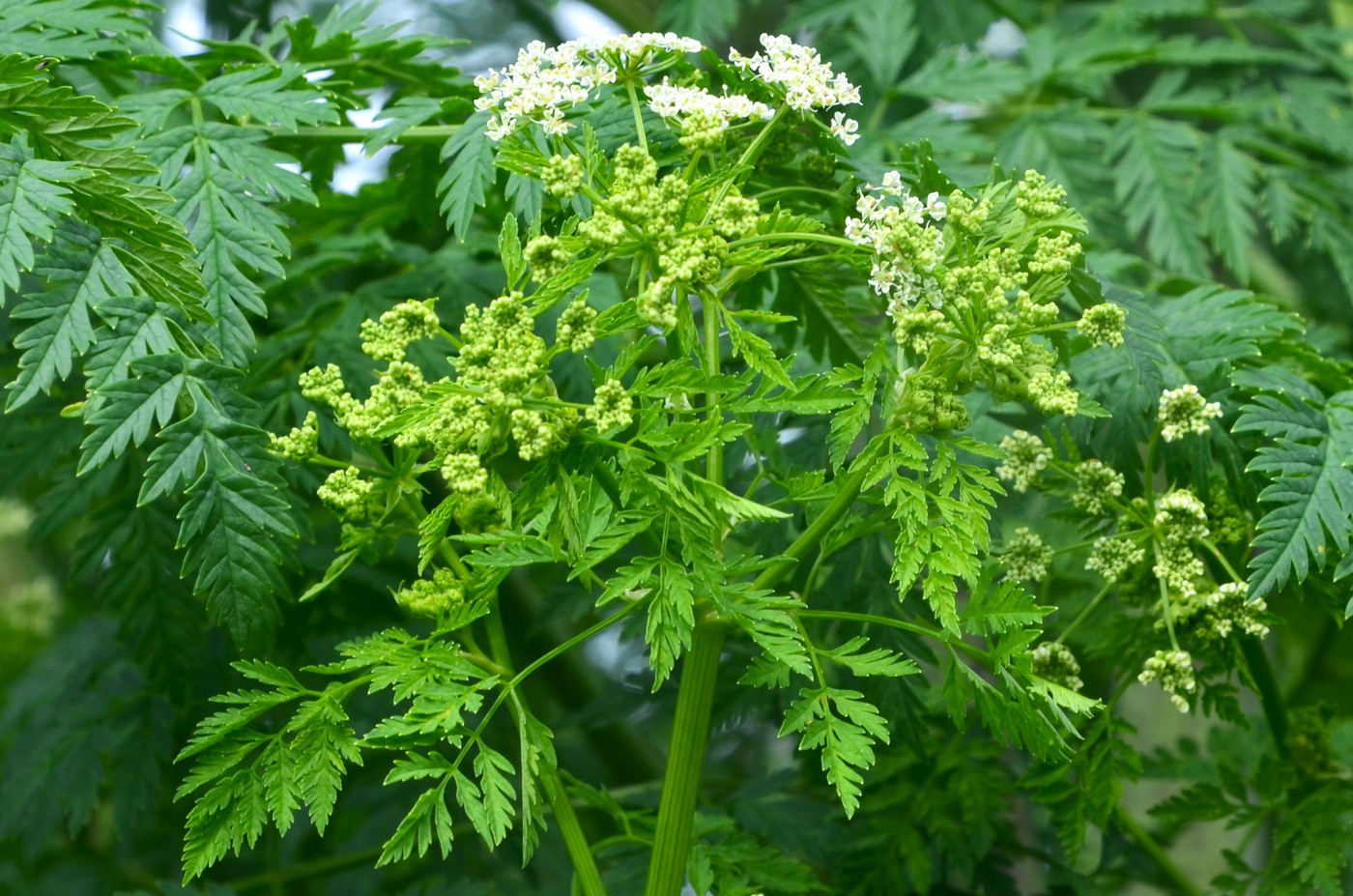
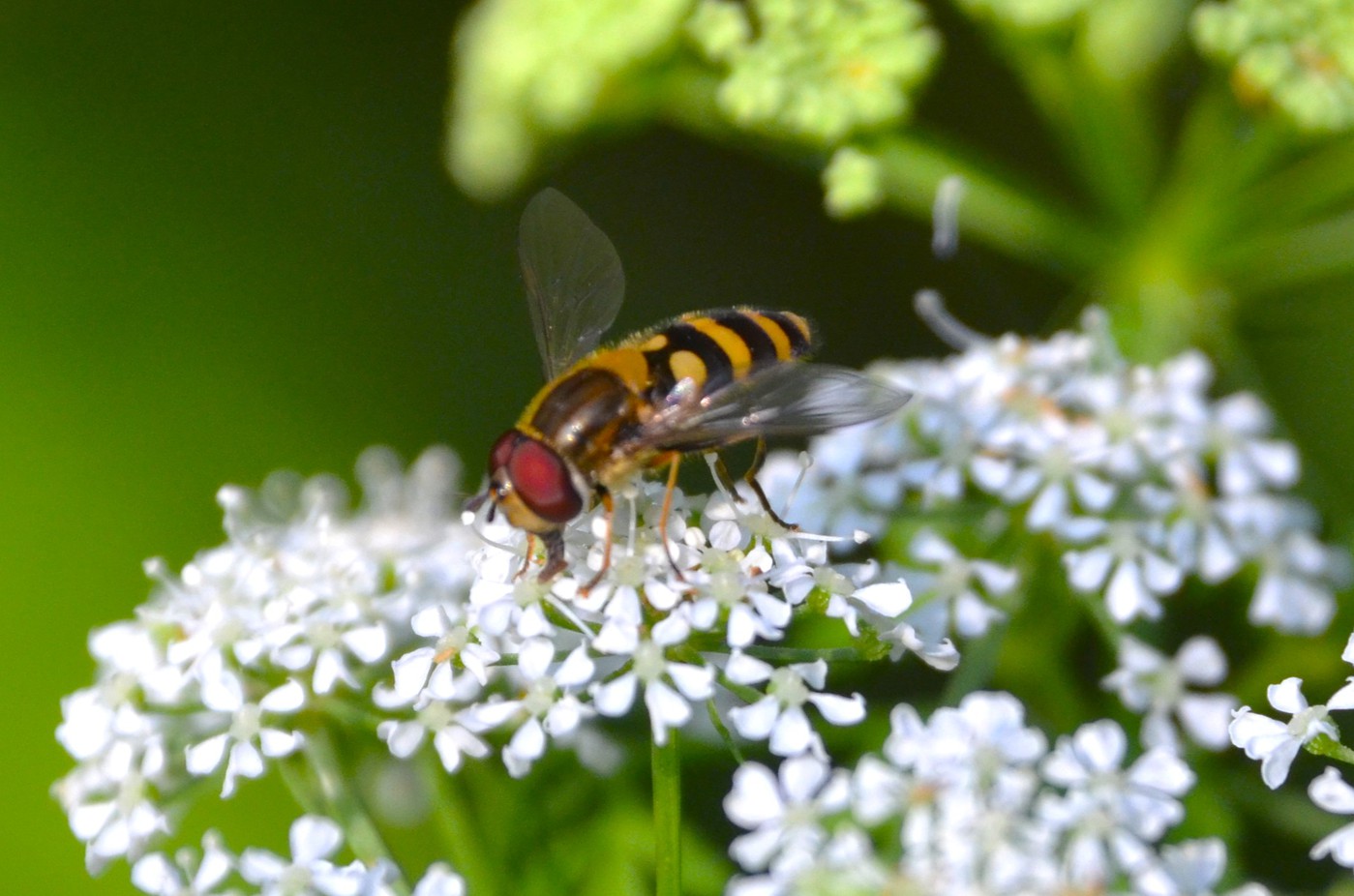
I see more bee flies than bees on the hemlock flowers, which brings to mind thoughts of corrupted flesh when I'm photographing them.
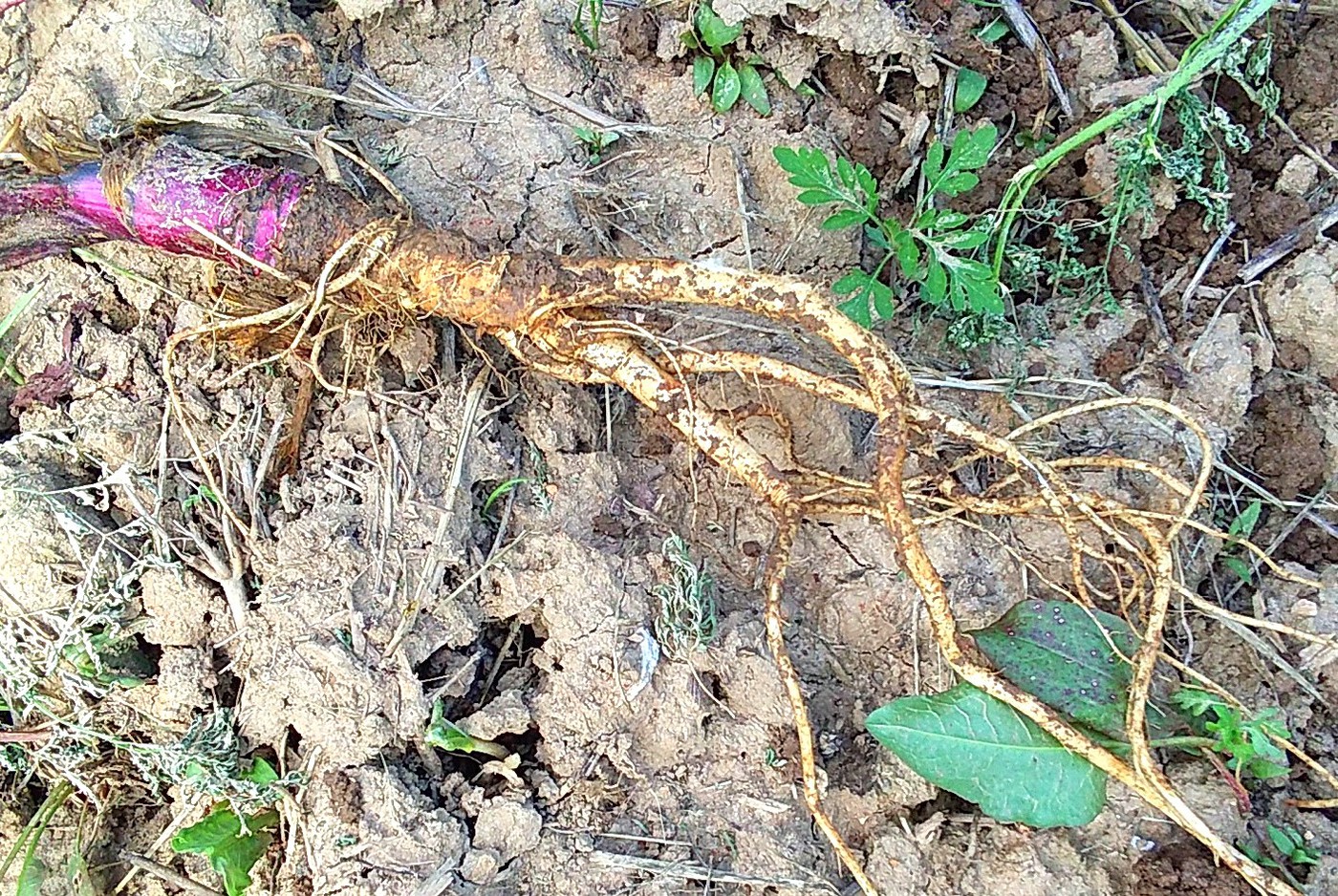
The hemlock tends to grow in disturbed soil. The roots, which have a pretty distinctive look and are very dangerous, can get intwined with other plants and be difficult to pull up. If you find it on your land and mess with it, be sure to wear proper protective equipment.
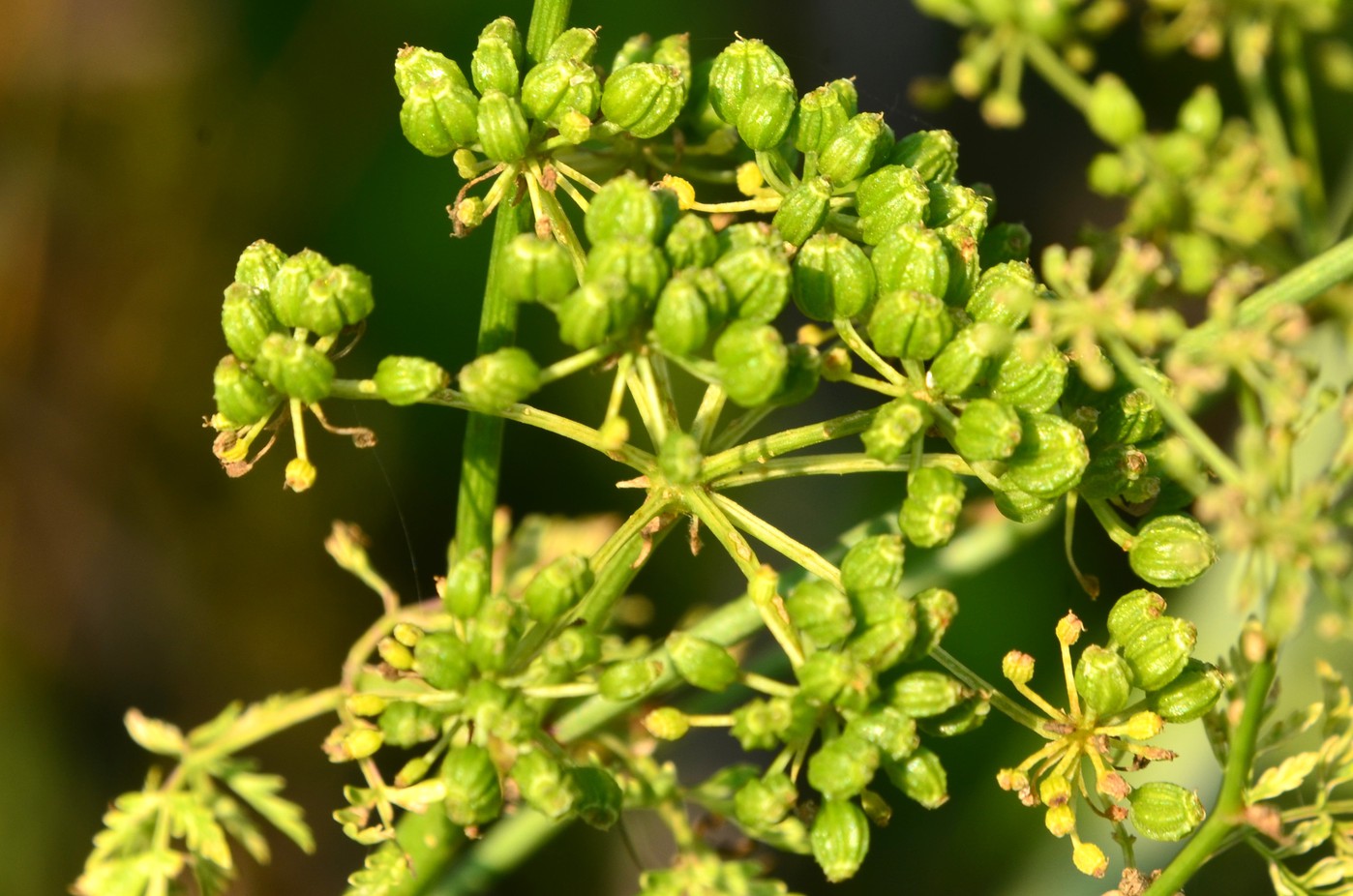
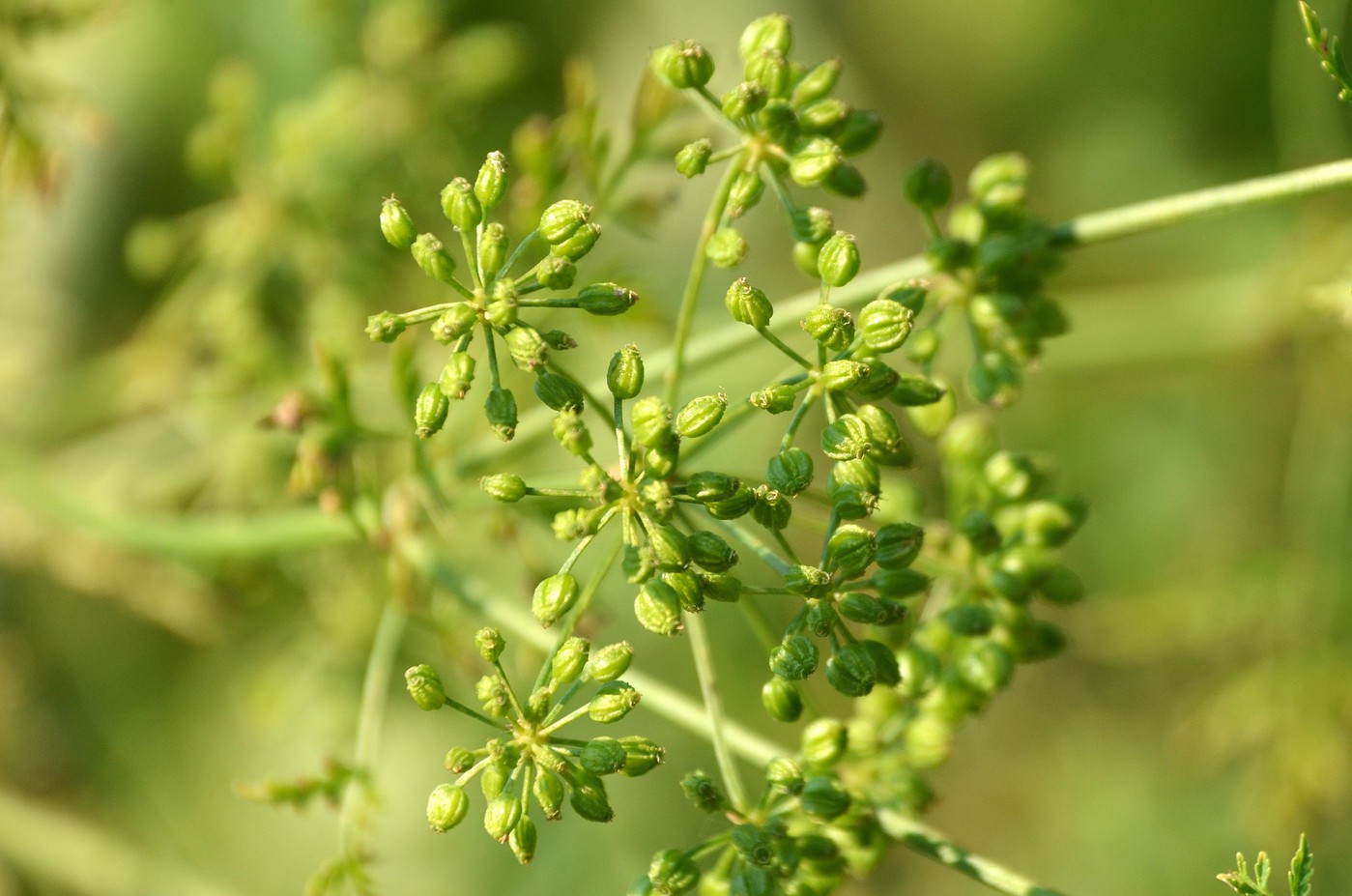
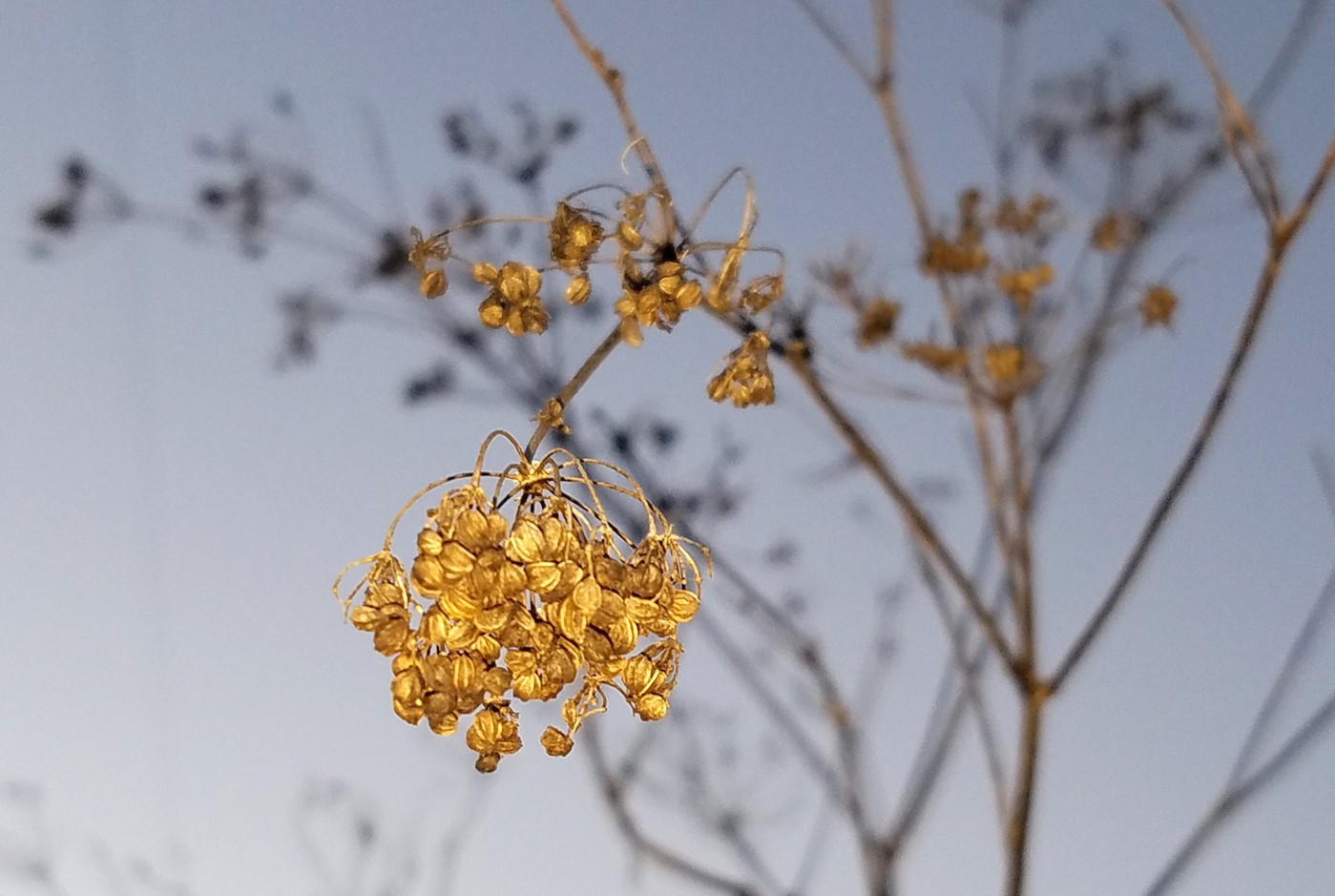
The seeds, which go from green to golden brown to tiny and black after drying in the sun, and are one of the most toxic parts of the plant, can pose the most danger to children, who watching the plants blow and rattle in the wind could get the seeds in the mouths.
Be careful what apps you trust your life to, the AI is yet to be proven friendly...
...
The seeds of the safest of which I know of, Queen Anne's Lace, are toxic enough that they have been used as an abortifacient in Europe for any years.
Though the roots of wild parsnips are edible, the sap from them on human skin and sunshine can mix very painfully, with a reaction known as phytophotodermatitis because of a substance called Furanocoumarin, which causes our skin to be extra sensitive to ultraviolet (UV) light. When the sap from the leaves and stems of these plants gets on our skin, and our skin is then exposed to sunlight, an inflammatory reaction takes place. The same reaction can be cause by other membersof the carrot family including carrots
The roots and seeds of the most toxic of them, poison hemlock, are especially deadly if ingested and it has no known antidotes. In fact this plant is so deadly the dried stalks are still deadly for 3 years after they die.
I've recently seen one "brand" of the "AI image search" label some of these same images of this same plant as " most likely wild parsnips
This is NOT Wild Parsnips, but with them both being in the carrot plant family they have very similar leaves. It is Poison Hemlock. It is deadly to ingest, and very dangerous even to handle. In my opinion there isn't enough nutrition in either of these plants in the carrot family to make any of them worth taking the risks involved, and if it has carrot leaves, I feel the safest approach is to just leave it alone.
This is a patch of Hemlock
This is an outlying single plant
You can see the carrot leaf structure
As the Hemlock stems mature the lower stalks turn a pale, sort of ghoulish, blueish-greenish-purple sort of color with maroon and deep purple splotches.
And then they bud and bloom
I see more bee flies than bees on the hemlock flowers, which brings to mind thoughts of corrupted flesh when I'm photographing them.
The hemlock tends to grow in disturbed soil. The roots, which have a pretty distinctive look and are very dangerous, can get intwined with other plants and be difficult to pull up. If you find it on your land and mess with it, be sure to wear proper protective equipment.
The seeds, which go from green to golden brown to tiny and black after drying in the sun, and are one of the most toxic parts of the plant, can pose the most danger to children, who watching the plants blow and rattle in the wind could get the seeds in the mouths.
Be careful what apps you trust your life to, the AI is yet to be proven friendly...
...
Last edited:
