JB Weld and guards...quick question

Joined
Oct 30, 2002
Messages
3,974
Hey everyone, I'm getting ready to try the JB Weld method for attaching a guard, and I've found the tutorial on the web, and I've seen Bruce's use of it in his hidden tang tutorial, but I just have a quick question.

The Terry Primos tutorial online is cut off right before he talks about cleaning up the joint. He says to wait until the JB Weld reaches a rubbery consistency, then suggests using a popsicle stick and WD40 for clean up.

I just wanted to verify with those of you who have used this method, do you just scrape off the excess from the joint with the popsicle stick and then clean up the residue with WD40? If there's more involved, please enlighten me. :D Thanks!

--nathan
 
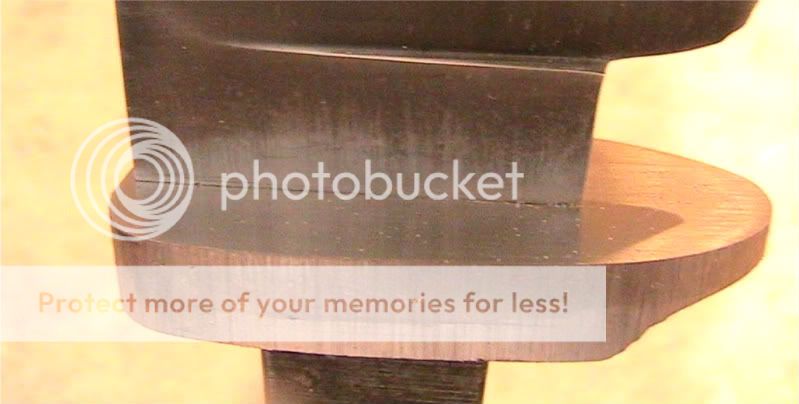
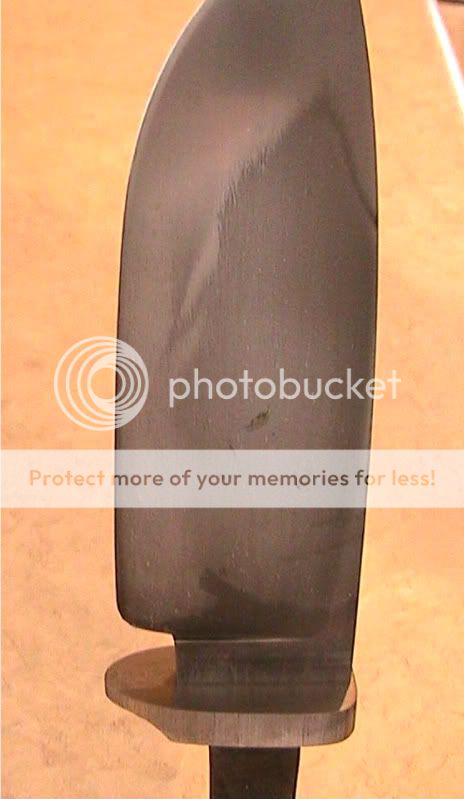
I really like the JB weld method. What I do is wait for it to set up for about 2 hours until it's rubbery like you said. Then I scrape the excess off with whatever I have laying around that will fit into the corner. After that all I do is spray some WD-40 onto a paper towel and carefully clean off any JB weld left on the guard or ricasso. Here is one that I just did yesterday.

IMG_1323.jpg

IMG_1322.jpg
 
I've used this method many times. If there's a bunch of it, like if you make a big mess and have it smeared all over (been there) it's best to clean it up right away. If you can get it pretty neat and clean and just have a nice bead ooze out, it's best not to try to clean it up right away. It will peel off in a nice strip once it sets up. You can let it set up pretty stiff and it will still peel off nicely. If you try to do it too early, you'll smear it. For the full cure JB, I usually wait 1-2 hours depending and then peel off the excess. A dental pick, used carefully is my prime tool of choice. You can get in right against the guard or front of the scale for precise removal and I haven't had it scratch yet. These are just my methods that work good for me. Others may have a different view.
 
I use to be a JB man then i found the love of a soldered guard. it is a lot more tricky but man the finished product looks so nice.
 
I agree that solder is the way to go. If you are using carbon steel and non ferrous metals, simple rosin-core lead solder works very well. Silver-bearing solder (the low-temp. kind) is only useful if you are soldering stainless.
 
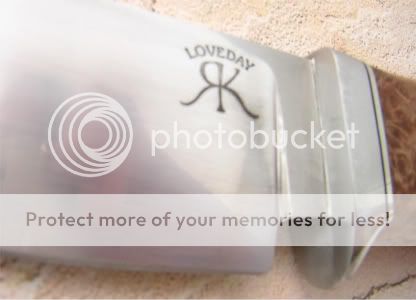
Here are two pics, one with JB weld (the same one that I posted above), and the second on a similar knife with silver solder.

IMG_1323.jpg


DSCN1131-2.jpg
 
Thanks, guys. I'm going to give this one a go as a JBWeld joint, but I do plan on learning the soldering method as well. This is my first venture into file-fit guards, and it's on a deadline for the KITH knife so this fool would rather use a method that is a bit more fool-proof. :)

After the first of the year when things slow down, I'm looking forward to learning to forge as well as trying more hidden tang and take- down assemblies.

--nathan
 
I don't even wait that long. I wipe it with a cloth to see how much of a mess I have made and then spray some WD 40 on the rag and clean it up. The little bamboo stir stick from Starbucks make great cleanup tools. Just break one in half and grind a 45 degree point on it. I also use them for mixing JB Weld and epoxy.
 
I wipe off excess immediately after setting guard in place, being careful not to pull any out of the joint. Then I let cure for 45 min. to 1 hour and clean up any remaining with a Q-tip lightly sprayed with WD-40 again not applying to much pressure to pull any out of the joint. Many ways to skin a cat, just how I skin mine.
 
I use a method very similar to Bruce (with a spring and vise). I have tried Q-tips, paper towels, and just about everything else. They all left scratches on the ricasso.

What works best for me is to clean up immediately with WD-40 sprayed on small pieces of an old cotton T-shirt. Use several pieces (don't try to get it squeaky clean with just one piece of cloth... It only smears it around.

Use plenty of WD=40. It will not affect the setting-up of the JB Weld.

Robert
 
If you have a good tight pressed fit to start with, I don't see how you can tell the difference.
 
Why use JB weld when you can just silver solder it?:confused:

For some setups (damascus blade and/or guard) solder leaves a nice, bright line that can detract from the overall look of things. I use JBWeld in those cases.

-d
 
I do it this way, I use 4 min. JB Weld. I only use it to seal the knife, not for helping a poor fit. This works great on damascus. I lightly oil the blade and guard and do not oil the slot or the shoulders on the blade. I put a small amount on the blade, slide guard on then apply also on bottom. Hold the guard on with a spring and vise. I wait about 4 to 5 minutes and use a scapel and lightly cut a little in the JB Weld and then it just peels off. Sometimes where the joint seam meets there is a small amount in the joint that the scapel gets. Maybe the thickness of a sheet of paper or less. Thru. Done. No cleanup and perfectly sealed joint. I love it. And if you think you are cutting corners or not doing it as the pro's do. I got the tip from Terry Primos and he got the tip from Jerry Fisk.
 
I agree that solder is the way to go. If you are using carbon steel and non ferrous metals, simple rosin-core lead solder works very well. Silver-bearing solder (the low-temp. kind) is only useful if you are soldering stainless.


Silver solder comes with two types of flux, SS, and carbon steel. If you use the wrong one with Stainless, it's bad. However, with the proper flux, it's as easy to solder guards on stainless as on CS.
 
Well, I had to make some adjustments to my press fit on the guard, but I finally refinished it and got the guard pressed on with the JBWeld. It was cold in the shop so the JBWeld wasn't as fluid as I would have liked it to be, but it cleaned up well with the WD40. I brought it home to cure, and it's sitting on the shelf right now with the guard held snug with a spring against a clamped-on filing guide.

I'll take some pics later on. I've got to make some adjustments to the ferrule tomorrow, and hopefully I'll get the handle epoxied up tomorrow evening after work. After that, it's shaping the handle, and I'll be good to go.

This is my KITH piece, and I'll post pics in the "I'm Ready" thread hopefully in a few days. Thanks for all the help everyone.

--nathan
 
Back
Top