- Joined
- Aug 20, 2009
- Messages
- 2,907
Hello everyone!
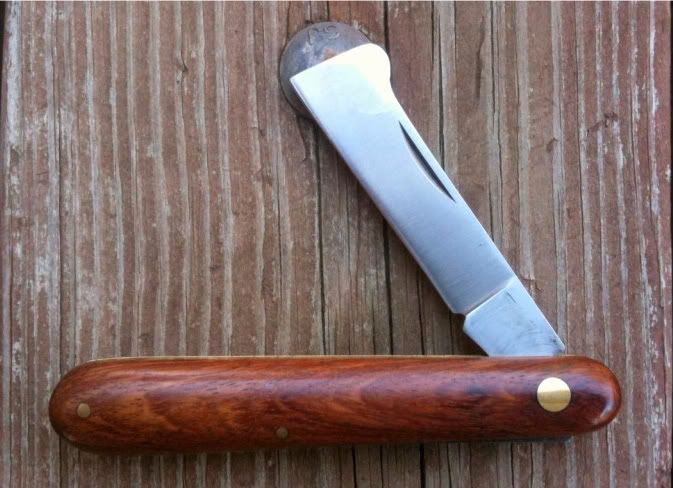
My brother brought me rather interesting slipjoint he found from flea market when he was visiting in Turku.
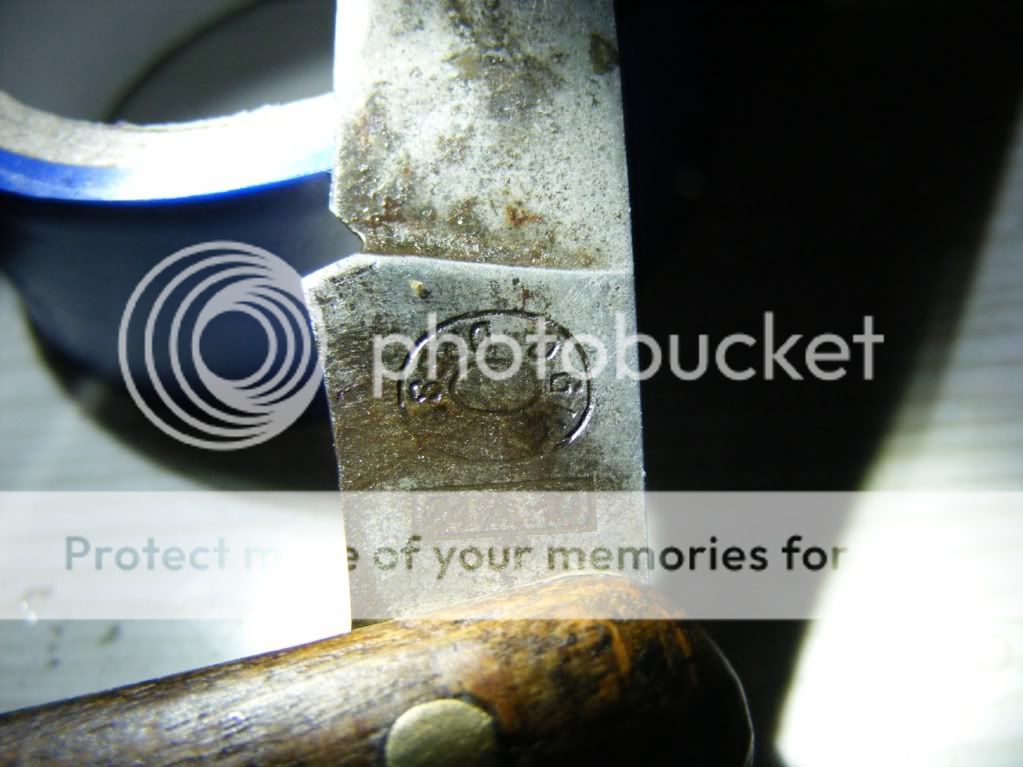
The Tang stamp says: Dresden DGW 24 A 10 or 40. After lubing this knife has nice walk and talk. When snapping open very profound snap and closed, well, the snap could make some bear trap green from envy .
.
Whole knife is like tank. No blade play, very thick brassliners and wood is heavy. There's gap between brassliner and backspring near the tang, which is quite big. Back spring is sunken when knife is open.
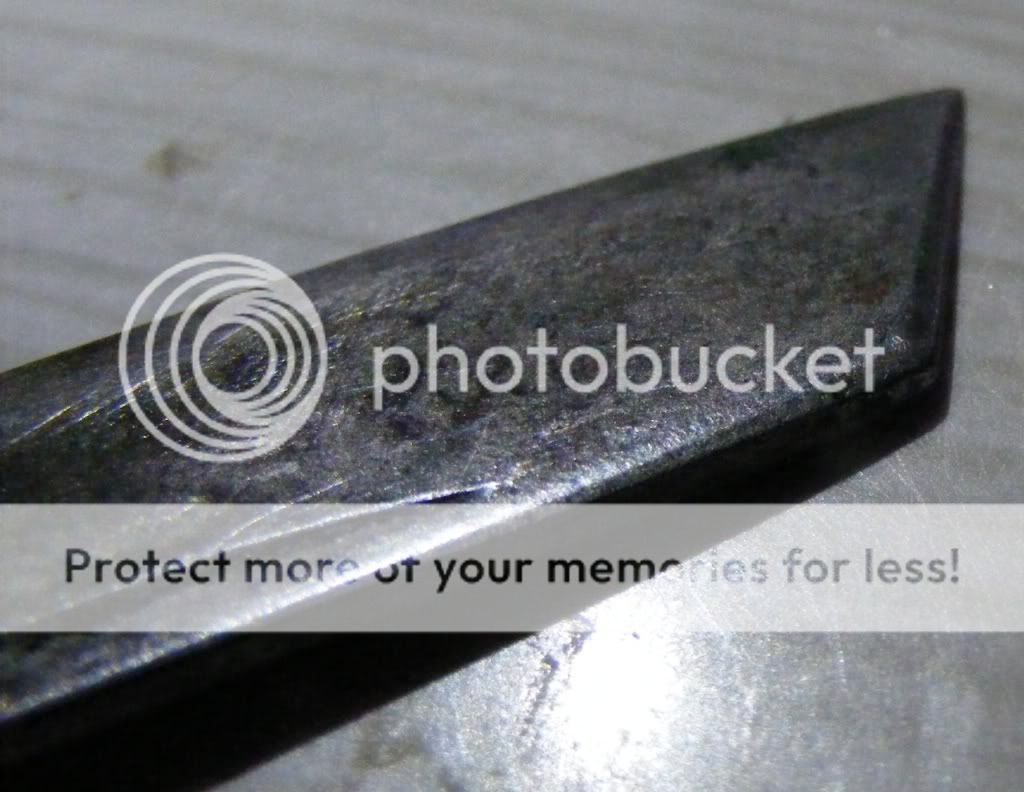
Blade has very nice swedges. Never seen swedges with sheepshoof like this. I first thought blade has been reground after tip is broken but it doesn't look that in closer inspection.

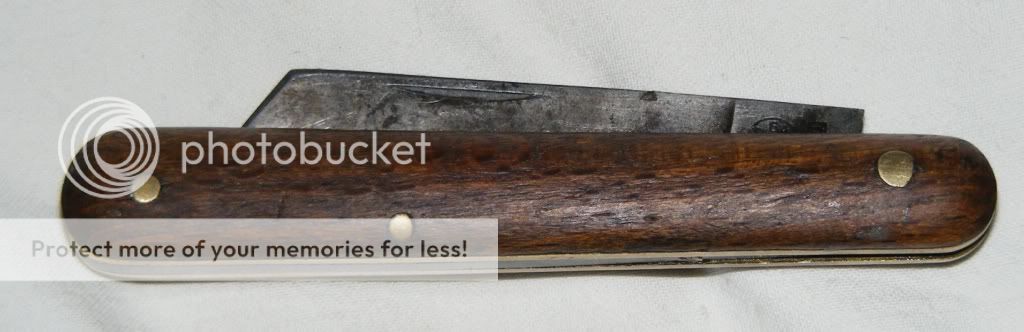
I am just wondering what kind of tales this knife can tell. I am no experts but judging from materials, this is done prior WWII or at least prior Battle fo France. At least all knives I've seen made in Germany after WWII have been very simple american camp knife copies with thin metal coverings. Not heavy duty thick brasslines and solid piece of wood. Considering how thick brass liners are (as thick as coins) this has been done sometimes when there were abundance of brass i.e. not during war or after war when there were serious shortages from supplies.
So far tang stamp hasn't given any clue. I am going to dig deeper when I have time. This knife took quite wicked edge. Obviously this knife was never high end knife when this was made but quality user knife.
My brother brought me rather interesting slipjoint he found from flea market when he was visiting in Turku.
The Tang stamp says: Dresden DGW 24 A 10 or 40. After lubing this knife has nice walk and talk. When snapping open very profound snap and closed, well, the snap could make some bear trap green from envy
.Whole knife is like tank. No blade play, very thick brassliners and wood is heavy. There's gap between brassliner and backspring near the tang, which is quite big. Back spring is sunken when knife is open.
Blade has very nice swedges. Never seen swedges with sheepshoof like this. I first thought blade has been reground after tip is broken but it doesn't look that in closer inspection.
I am just wondering what kind of tales this knife can tell. I am no experts but judging from materials, this is done prior WWII or at least prior Battle fo France. At least all knives I've seen made in Germany after WWII have been very simple american camp knife copies with thin metal coverings. Not heavy duty thick brasslines and solid piece of wood. Considering how thick brass liners are (as thick as coins) this has been done sometimes when there were abundance of brass i.e. not during war or after war when there were serious shortages from supplies.
So far tang stamp hasn't given any clue. I am going to dig deeper when I have time. This knife took quite wicked edge. Obviously this knife was never high end knife when this was made but quality user knife.
Last edited: