Neal, I tend to regrind - as in put a finer, more acute edge on, and thin out behind the edge - all my knives shortly after I get them. The only real exceptions to this are Moras, a particular modern production company, and some GECs which won't get much action as users. But with all those I still refine the apex a bit.
So I mention that by way of saying that it's not strictly necessary on a lot of knives - I do it because I like sharpening and playing with different steels and pushing the envelope as far as cutting performance goes. It also makes them much easier to keep them sharp down the line with a few passes on a fine, finishing waterstone; the Sharpmaker, or a strop.
With my small sample size of a Queen No. 9 Stockman and a 51 Jack, I would say that the resharpening I did
was necessary, and the thickness behind the edge was personally unacceptable. Opinions on this vary of course. But I recall that I was taken aback at the butterknife type thickness of the edge of at least some of the blades on the stockman, and while the 51 came cleanly apexed, it was still very thick behind the edge.
People can say that it was a utility type grind, but that kind of thick edge is not to my taste, and is detrimental to the cutting performance the D2 blades of these knives are really capable of.
Since redoing them they are excellent performers, and despite their flaws I still really like them.
Another thing to mention, is out of the five blades I resharpened, four of them had fairly wavy grinds on the flats, which becomes more apparent as you thin out the edge. If yours is like this too, then a Krein regrind would fix that.
You can see where the blade flats dip a little towards the middle.
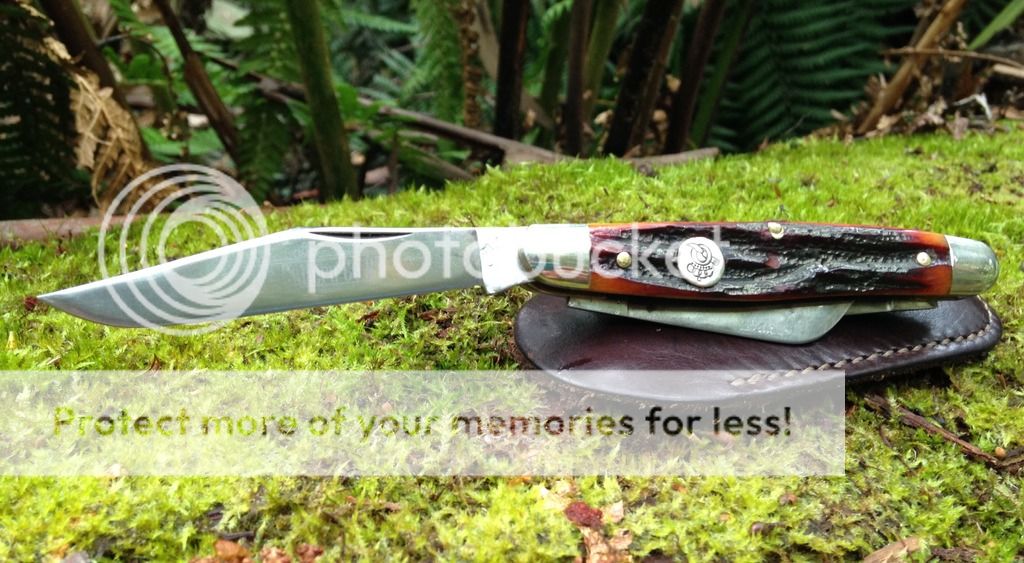

The main blade on the 51 was pretty ok.
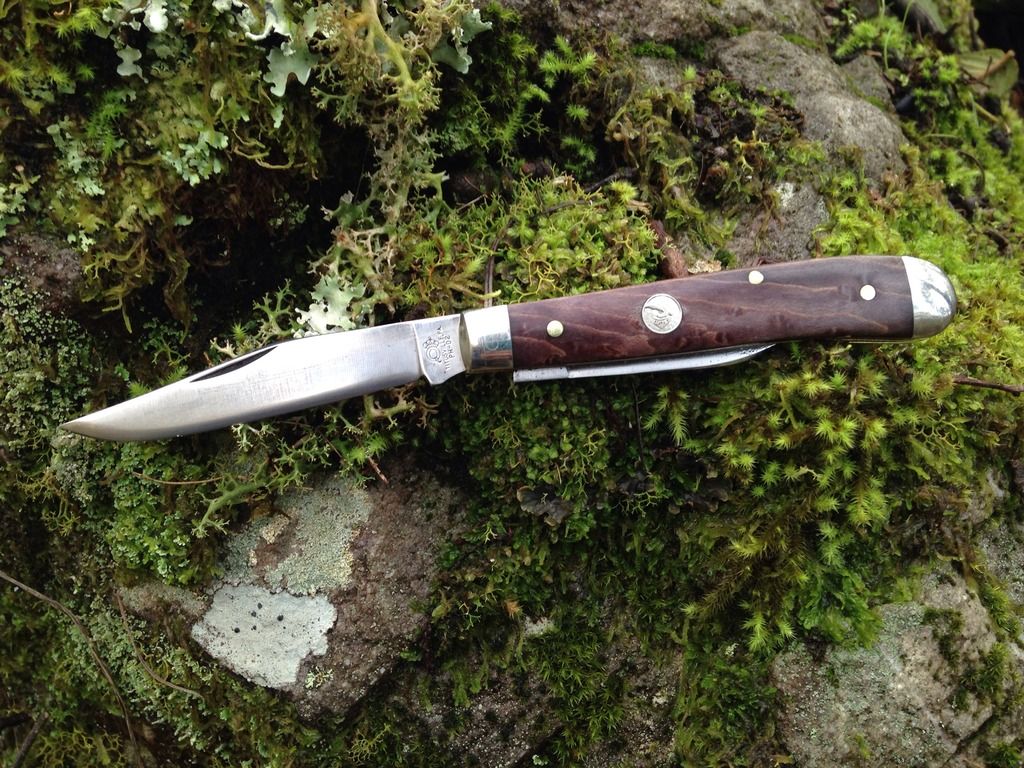
So I'd say yeah, go for it if you're willing to pay the cost. Or, give it a go yourself if you have some sharpening skills.
I'd be happy to thin out and refine the edge of your knife, gratis, myself, but I'm guessing postage might be prohibitive, not being in the same country.



