Hengelo_77
Basic Member
- Joined
- Mar 2, 2006
- Messages
- 6,274
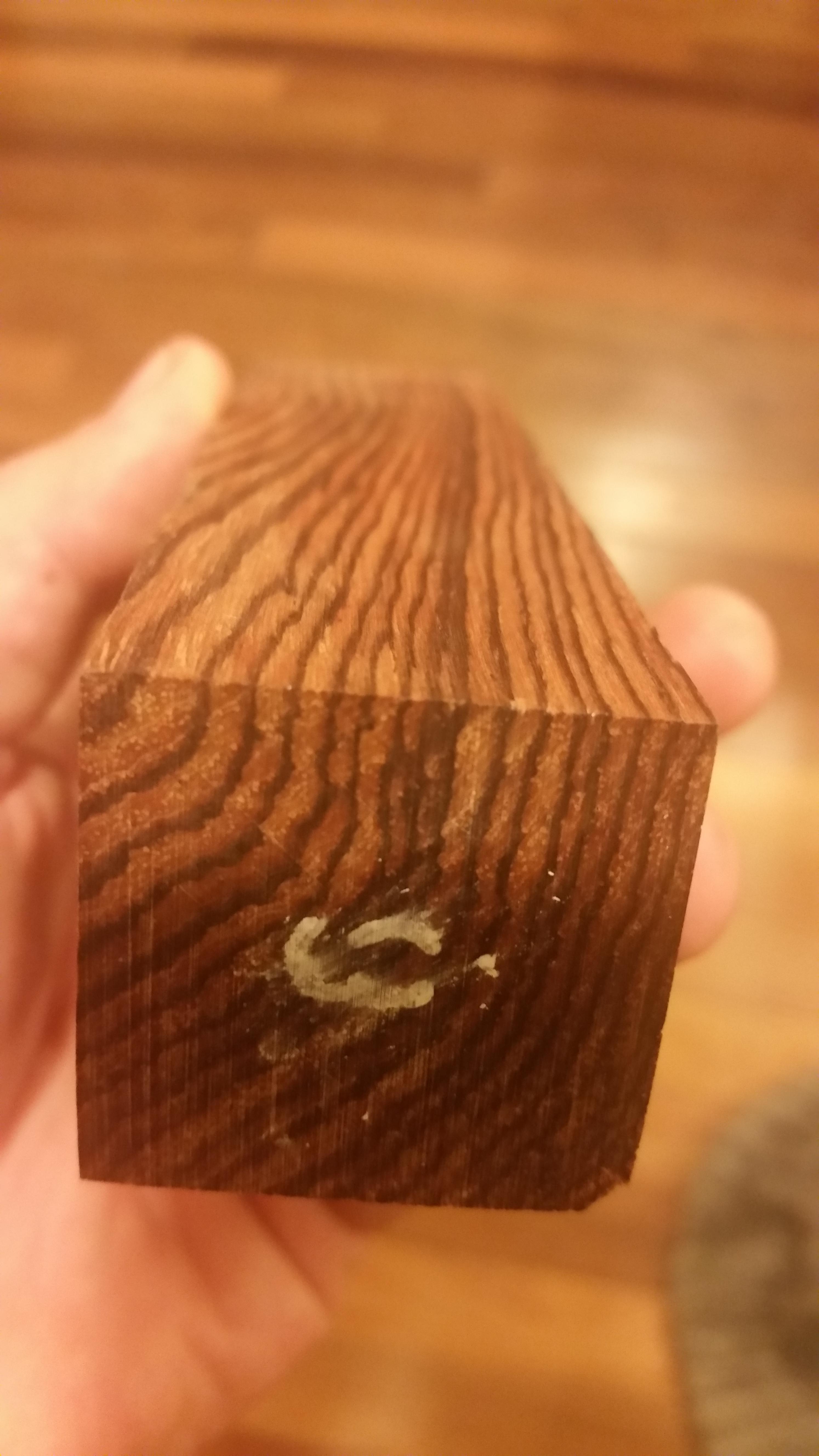
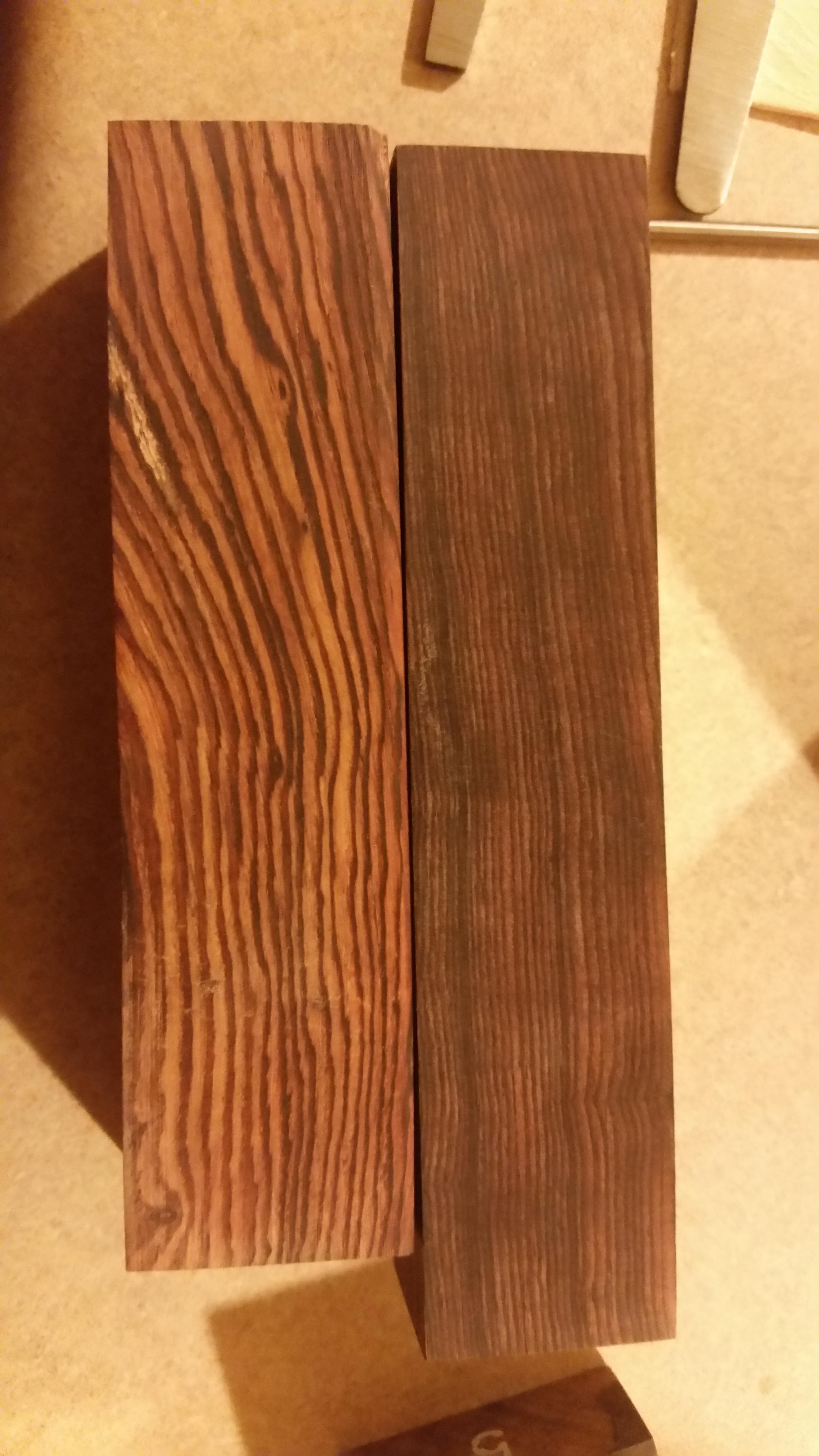
Is a 3" hidden tang long enough for a 3,5" blade with a 5,5" handle made out of a single piece of zebrano?

The BladeForums.com 2024 Traditional Knife is available! Price is $250 ea (shipped within CONUS).
Order here: https://www.bladeforums.com/help/2024-traditional/


Is a 3" hidden tang long enough for a 3,5" blade with a 5,5" handle made out of a single piece of zebrano?
I just found this out myself. I'd say no. I had some knives with similar dimensions break with really light use. Unless you're sure the wood can handle unsupported perpendicular forces I'd advise against it. I just basically wasted a couple of weeks worth of part time work (not to mention the money for the wood and other supplies like new belts) doing what you're talking about. Talk about freaking pissed off.
If you're going to do a partial hidden tang then don't leave more than maybe half an inch of wood past the end of the tang unless you're dealing with some strong wood cut the right way.
It is super hard to find information about this specific issue. Hell, it's hard enough to find a specific name for partial hidden tangs. Stub tangs? Partial tangs? Partial rat tail tangs? Hidden tangs? Half tangs? Scandinavian tangs? Should the tang be mortised? Should the block be cut into three pieces to cover the tang? Should a rod be welded or brazed to the tang to create a through/ rat tail tang?
Is cross grain in reference to glued joints on furniture? Is cross grain saying that you're looking at long pieces of end grain wood? Is cross grain referring to the face of quarter sawn pieces?
These are all things I've seen conflicting with each other while searching for the exact answers you're looking for.
Pics?
Basically it came down to what I mentioned earlier to be safe. Don't let the wood end more than maybe one inch past the end of the tang, but half an inch would be better.
What was holding your knife together?
Epoxy
Was the grain of the wood oriented in the same direction as the tang, or something else?
Grain ran the length of the knife. Unstabilized blackwood, stabilized maple burl, and stabilized oak. The oak was not cut for a hidden partial tang so that was my fault.
BTW, your knife is probably repairable by drilling the breaking and epoxying in a pin reinforcement where the tang isn't.
I was thinking the same thing. Gonna go talk to someone much, much more experienced than me tomorrow and see what he says about it.
What was holding your knife together?
Epoxy
Was the grain of the wood oriented in the same direction as the tang, or something else?
Grain ran the length of the knife. Unstabilized blackwood, stabilized maple burl, and stabilized oak. The oak was not cut for a hidden partial tang so that was my fault.
BTW, your knife is probably repairable by drilling the breaking and epoxying in a pin reinforcement where the tang isn't.
I was thinking the same thing. Gonna go talk to someone much, much more experienced than me tomorrow and see what he says about it.
That is not grain oriented the length of the knife. The grain is oriented in your pictures 90° to the tang. You can see that in the fractures.


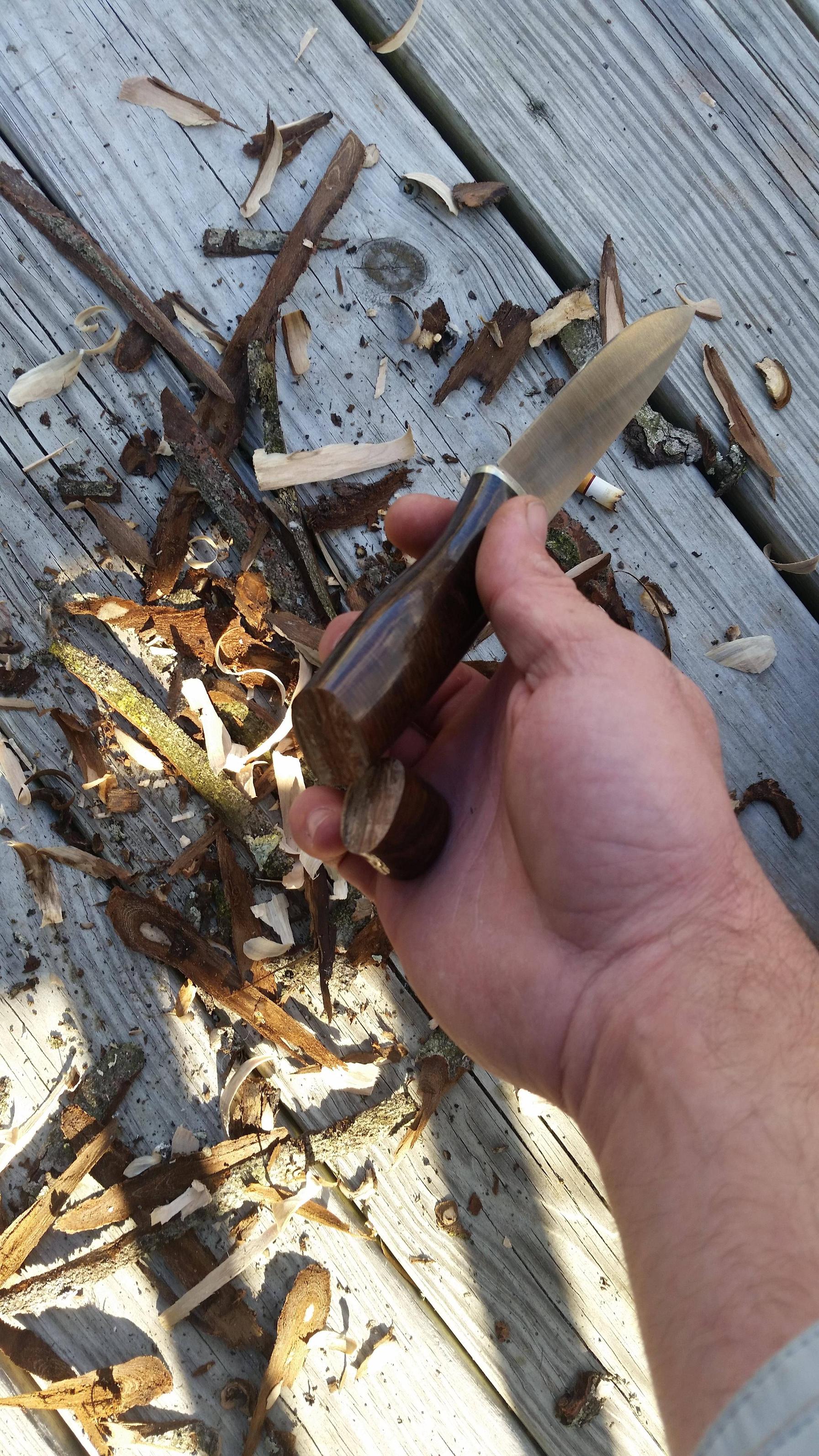
Bodog, here's pic from your other thread:
Looking at this picture, it is very obvious to most people that the grain is oriented parallel to the plane of the knife, but perpendicular to the tang. In other words, the grain is running from the lower right to the upper right of the picture, and the knife is oriented from the lower left to the upper right.
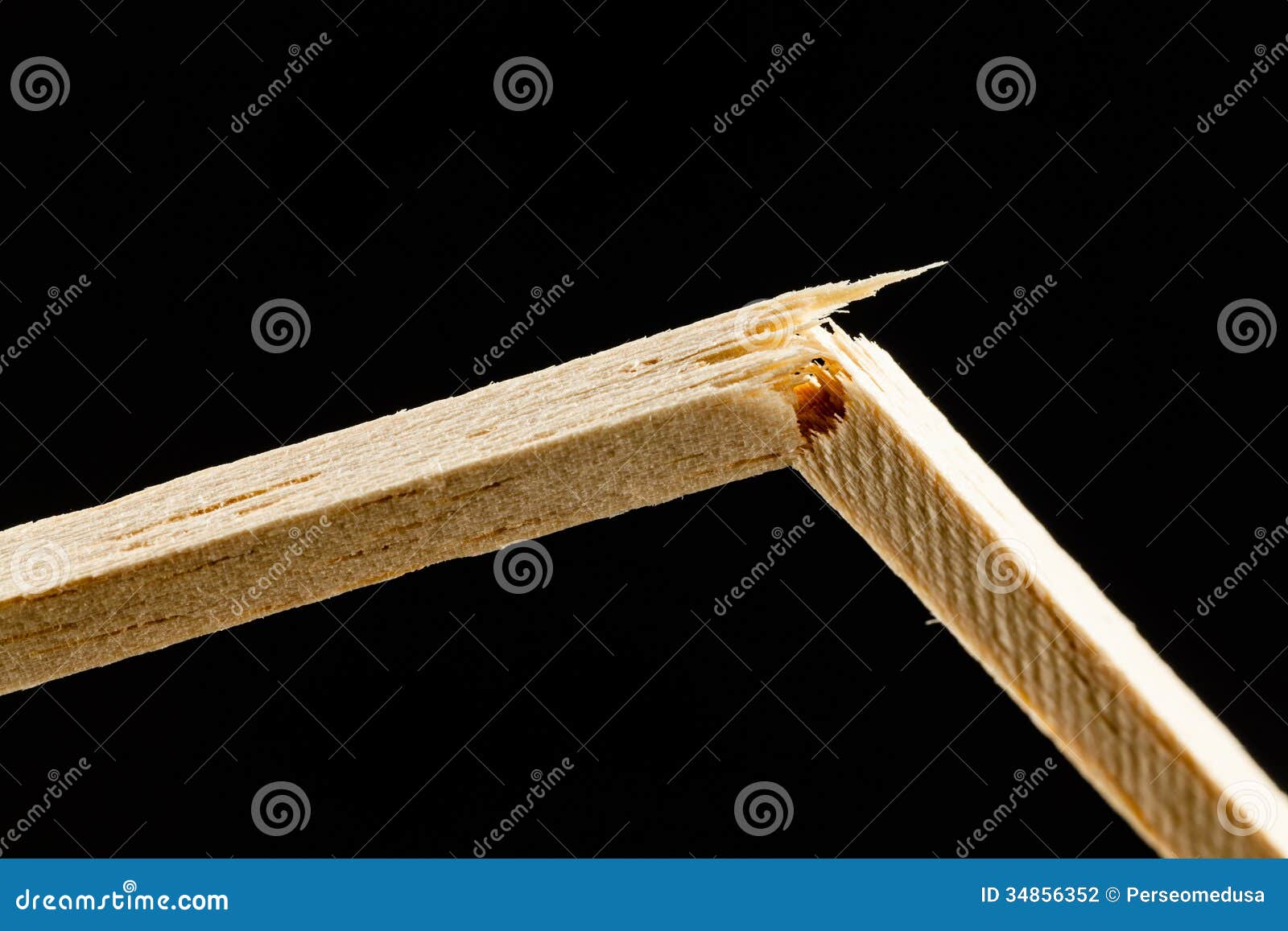
You can not only see the lines of grain in the fracture, you can see the same LR to UR grain on the polished sides of the handle. I'm sure you can see that, too. The "end grain" is running along the extended line of the bladed edge and spine. Those grains should have been pointed at the tip. IF that had broken, it would have come out looking like this:
So is the problem that you can't tell on the block of wood where the grain is, or is it still not clear looking at that picture what the orientation problem is? I'm struggling to understand where you difficulty lies.
As far as stabilized burl goes, I think it is fair to say you can never use that unsupported by a tang or something else. It is no stronger than a block of brittle resin.