

- Joined
- Oct 7, 2010
- Messages
- 41
Hi everyone,
First post on the forums, but I've been spending a lot of time on them recently. Mostly been reading the BladeSmith section, and I appreciate all of the information and discussion happening here.
I'm interested in making knives, and have read all the newbie stickies, and feel like I still have some specific questions. Bear with me, there's quite a few. To start, a little about myself:
I'm a visual artist based out of Seattle, WA. I mostly make sculptures, and show in an art gallery down in Pioneer Square. I recently had a show where I whittled 34 small wooden funnels on stilts, reminiscent of ball in cage whittlings, and filled the funnels with boiled tree sap I collected from trees in the region. With any luck, the very viscous sap will drip out of the funnels slowly over the lifetime of the sculptures.
Working on the show got my interested in my tools. I pretty much made the whole show with a Buck slipjoint folder, specifically the pen blade that I did some minor reshaping to.
Really the only knives I'm interested in making are slipjoint folders. That might change over time, but I doubt it. Every knife I have ever owned has been a slipjoint; I like how classic they are and how their small blades are great for whittling. So I guess my first question is: is jumping straight into attempting to make slipjoint folders too extreme? I feel like I have pretty good handskills, but haven't worked/machined metal before.
I've also read the stickies suggesting starting with a vise, files, and a drill press etc. The bare essentials. If I were to pursue making knives, I would just bite the bullet and buy a grinder straight away. A KMG or a Coote, I'm not sure. It might make sense to take the money I would save buying a Coote and put it towards a Baldor buffer and a drill press or something. I have a bandsaw.
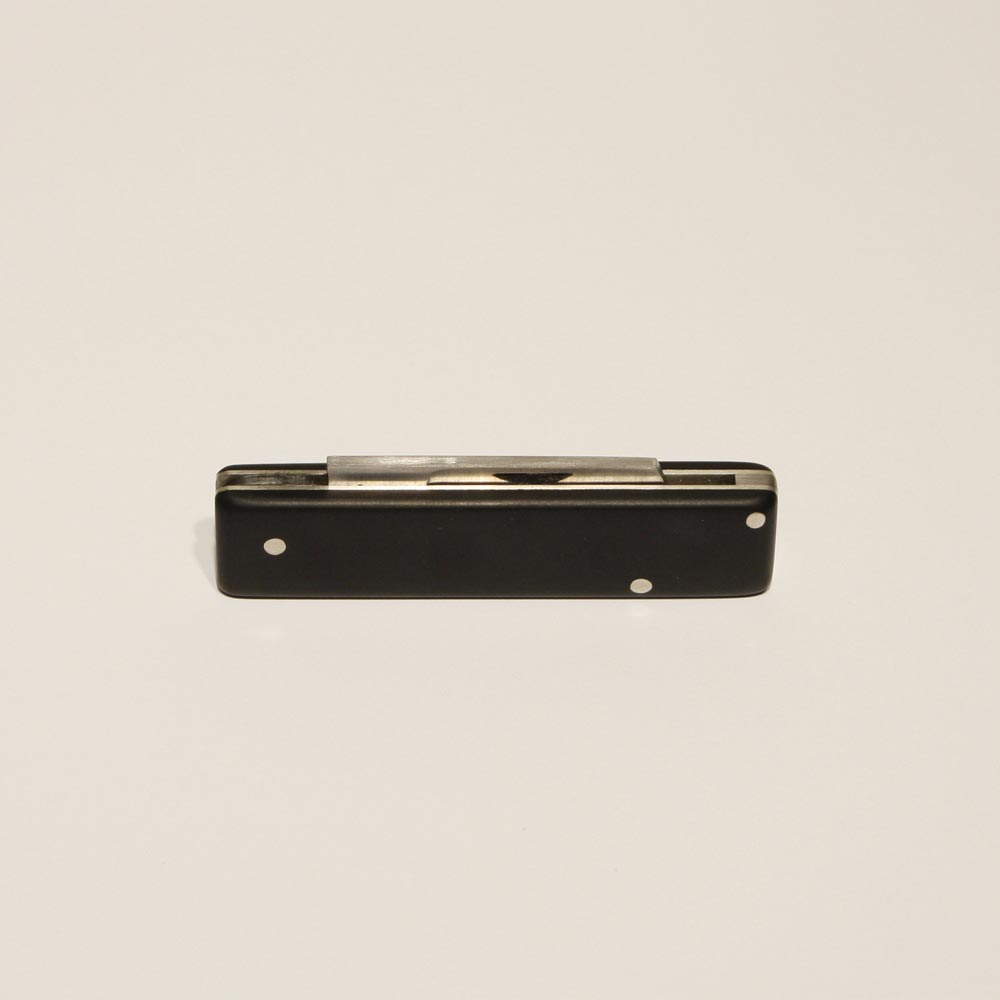
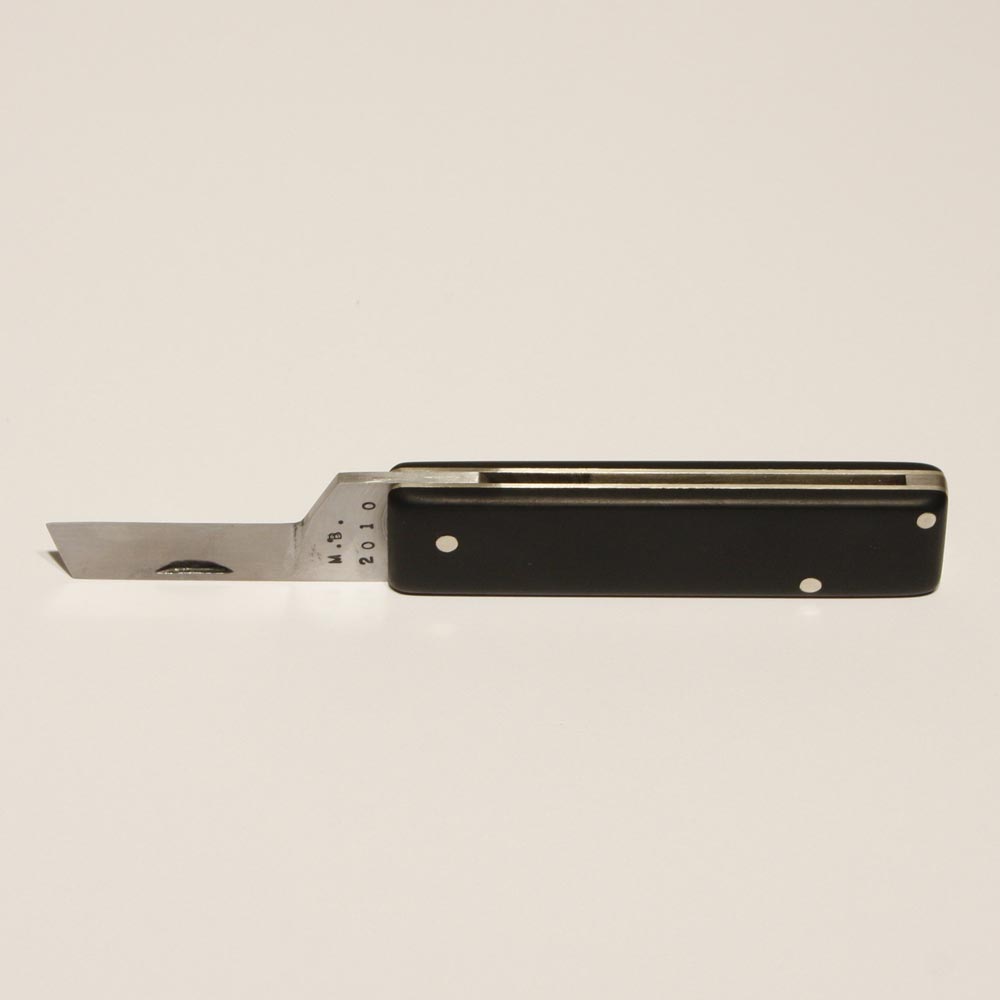
In addition to being pretty much exclusively interested in making folders, I have a pretty clear idea of what I want these folders to look like. Single blade or two blade with a shared spring, small pen blades or wharncliffe blades. I would like the overall shape of the handle/scales to be rectangular, no sowbellies or other traditional shapes. Straight rectangles, with perhaps a rectangular dip in the scales for the nail nick. I'm also not particularly interested in bolsters at the moment, I'm more interested in full bone scales that I've dyed and jigged myself. I'm not sure if I would want to use traditional pin type construction of use the cool hex or star drive micro screws that a lot of makers use.
Also, because I would plan on not only showing but using these knives, specifically for whittling, I'd like to use a steel that strops up to a super fine edge. Holding an edge is important, but when I whittle I always have a strop and rouge with me, so being able to get the edge is almost more important than being able to keep it. I don't really care if it's stainless or not, but Sandvik 14c28 seems like it might be a good choice.
So after reading the forums, looking through the online tutorials and some books, I'm staring to compile an equipment list:
-Grinder (Coote or KMG)
-Drill press with drill press vise
-Bandsaw (which I have)
-Vise
-Buffer
-Flex shaft for jigging (which I have)
-Lots of sand paper
Considering the knives I am interested in making, are there any other tools you would recommend?
I appreciate any feedback in advance, and again, thank you for what has already been posted to these forums.
Matt
First post on the forums, but I've been spending a lot of time on them recently. Mostly been reading the BladeSmith section, and I appreciate all of the information and discussion happening here.
I'm interested in making knives, and have read all the newbie stickies, and feel like I still have some specific questions. Bear with me, there's quite a few. To start, a little about myself:
I'm a visual artist based out of Seattle, WA. I mostly make sculptures, and show in an art gallery down in Pioneer Square. I recently had a show where I whittled 34 small wooden funnels on stilts, reminiscent of ball in cage whittlings, and filled the funnels with boiled tree sap I collected from trees in the region. With any luck, the very viscous sap will drip out of the funnels slowly over the lifetime of the sculptures.
Working on the show got my interested in my tools. I pretty much made the whole show with a Buck slipjoint folder, specifically the pen blade that I did some minor reshaping to.
Really the only knives I'm interested in making are slipjoint folders. That might change over time, but I doubt it. Every knife I have ever owned has been a slipjoint; I like how classic they are and how their small blades are great for whittling. So I guess my first question is: is jumping straight into attempting to make slipjoint folders too extreme? I feel like I have pretty good handskills, but haven't worked/machined metal before.
I've also read the stickies suggesting starting with a vise, files, and a drill press etc. The bare essentials. If I were to pursue making knives, I would just bite the bullet and buy a grinder straight away. A KMG or a Coote, I'm not sure. It might make sense to take the money I would save buying a Coote and put it towards a Baldor buffer and a drill press or something. I have a bandsaw.
In addition to being pretty much exclusively interested in making folders, I have a pretty clear idea of what I want these folders to look like. Single blade or two blade with a shared spring, small pen blades or wharncliffe blades. I would like the overall shape of the handle/scales to be rectangular, no sowbellies or other traditional shapes. Straight rectangles, with perhaps a rectangular dip in the scales for the nail nick. I'm also not particularly interested in bolsters at the moment, I'm more interested in full bone scales that I've dyed and jigged myself. I'm not sure if I would want to use traditional pin type construction of use the cool hex or star drive micro screws that a lot of makers use.
Also, because I would plan on not only showing but using these knives, specifically for whittling, I'd like to use a steel that strops up to a super fine edge. Holding an edge is important, but when I whittle I always have a strop and rouge with me, so being able to get the edge is almost more important than being able to keep it. I don't really care if it's stainless or not, but Sandvik 14c28 seems like it might be a good choice.
So after reading the forums, looking through the online tutorials and some books, I'm staring to compile an equipment list:
-Grinder (Coote or KMG)
-Drill press with drill press vise
-Bandsaw (which I have)
-Vise
-Buffer
-Flex shaft for jigging (which I have)
-Lots of sand paper
Considering the knives I am interested in making, are there any other tools you would recommend?
I appreciate any feedback in advance, and again, thank you for what has already been posted to these forums.
Matt



 :foot:
 booooo bad joke...) yea I just heckled my own joke! seriously though, Nice lookin lil slippy!