
-
The BladeForums.com 2024 Traditional Knife is available! Price is $250 ea (shipped within CONUS).
Order here: https://www.bladeforums.com/help/2024-traditional/
You are using an out of date browser. It may not display this or other websites correctly.
You should upgrade or use an alternative browser.
You should upgrade or use an alternative browser.
Refurbished Chopper
- Thread starter FireAnt
- Start date




- Joined
- Apr 9, 2008
- Messages
- 1,319
Cool. How thick is it?
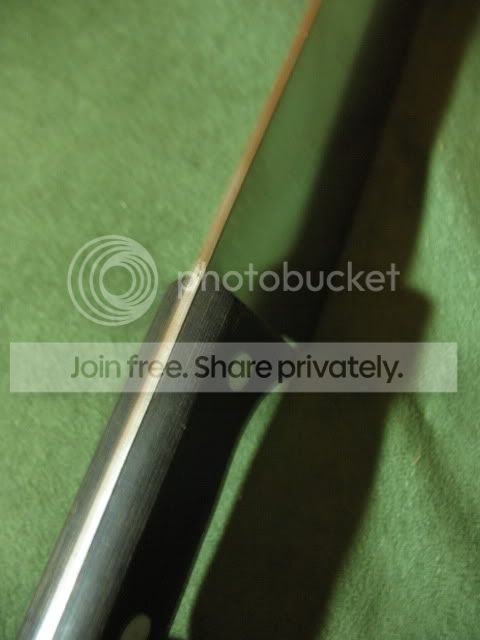
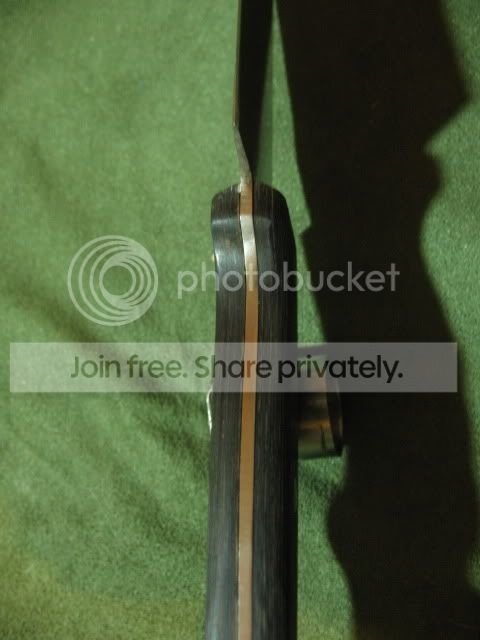

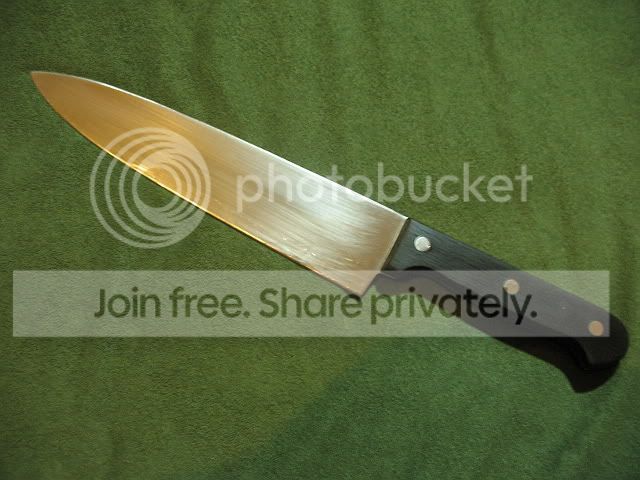
Very nice. Nothing wrong at all with using a chef's knife outdoors. Seems like people have forgotten that "back in the day" kitchen/butcher knives were the outdoor knives.
In fact, your knife is very similar to the knife that is generally believed to be Bowie's "Sandbar Knife."

In fact, your knife is very similar to the knife that is generally believed to be Bowie's "Sandbar Knife."

- Joined
- Mar 8, 2008
- Messages
- 26,280
Very nice. Nothing wrong at all with using a chef's knife outdoors. Seems like people have forgotten that "back in the day" kitchen/butcher knives were the outdoor knives.
In fact, your knife is very similar to the knife that is generally believed to be Bowie's "Sandbar Knife."
Yup! I plan on getting the Opinel chef's knife in stock soon, and I intend to market it as an outdoors/camping knife--not just a culinary tool. They really ARE an all-purpose design when you think about it.

Yup! I plan on getting the Opinel chef's knife in stock soon, and I intend to market it as an outdoors/camping knife--not just a culinary tool. They really ARE an all-purpose design when you think about it.
That's a darn good idea!

The Logical One
Gold Member
- Joined
- May 31, 2011
- Messages
- 1,894
[video=youtube;uzZi4PYXCAM]http://www.youtube.com/watch?v=uzZi4PYXCAM[/video]
You're doing it wrong dude lol. Look up batoning and chopping videos.
FireAnt! Your technique scares the bejeebus outta me, my friend! I thought a couple tilmes there you were gonna lose a finger....or a dog's ear. But I do admire your "can-do" attitude.
Check out some of the "outdoors" forums here for batonning technique...there are some subtleties involved (like using a baton! and keeping the handle of the knife above the tip). And for chopping technique.
But a cool vid nonetheless. But be careful! Nearly gave me a heart attack.
Check out some of the "outdoors" forums here for batonning technique...there are some subtleties involved (like using a baton!
and keeping the handle of the knife above the tip). And for chopping technique. But a cool vid nonetheless. But be careful! Nearly gave me a heart attack.
Like watching a car wreck. I was expecting the cut and didn't want to see it, but couldn't take my eyes away either. Like the rest of the guys, awesome that you're ambitious and trying to make the knife better, but it'd be for the better good to get a little more...instruction. I think the knife looks great, though. Great job at making you're own chopper.
When you're trying to baton, lodge the blade into the wood like you had it, but instead of using your hand to push down on the blade, use another log or something to smack down onto the spine of the blade forcing it down and through the wood. Kind of like using a wedge or a woodsplitter(duh).
When you're trying to baton, lodge the blade into the wood like you had it, but instead of using your hand to push down on the blade, use another log or something to smack down onto the spine of the blade forcing it down and through the wood. Kind of like using a wedge or a woodsplitter(duh).


FireAnt
You've taken a bit of a ribbing here but let's be clear. We all applaud the fact that you've taken and re-purposed a knife for rough duty outdoor use. You don't need a $400 knife to do that.
It's just that every one of us watching that video was breathless, waiting for you to have an accident right there on camera...after all, it's not like there's not a bunch of that on video sites already.
Please search on "Batoning" and see how it is done properly and safely. a) with that knife you've got, you should be able to baton like crazy and b) you will not injure yourselves.
Everybody on this forum has probably cut themselves...I just did...2 stitches and I damaged a nerve or something and now my finger hurts when it probably shouldn't...I'll get over it. But flailing around like that, we are talking a lot more than 2 stiches, tendons cut, veins, arteries...real serious injury...infection risks, tetanus, etc.
So now you need to fashion up a sheath for that knife and you be good to go in the woods.
Good luck.
You've taken a bit of a ribbing here but let's be clear. We all applaud the fact that you've taken and re-purposed a knife for rough duty outdoor use. You don't need a $400 knife to do that.
It's just that every one of us watching that video was breathless, waiting for you to have an accident right there on camera...after all, it's not like there's not a bunch of that on video sites already.
Please search on "Batoning" and see how it is done properly and safely. a) with that knife you've got, you should be able to baton like crazy and b) you will not injure yourselves.
Everybody on this forum has probably cut themselves...I just did...2 stitches and I damaged a nerve or something and now my finger hurts when it probably shouldn't...I'll get over it. But flailing around like that, we are talking a lot more than 2 stiches, tendons cut, veins, arteries...real serious injury...infection risks, tetanus, etc.
So now you need to fashion up a sheath for that knife and you be good to go in the woods.
Good luck.
Nothing wrong with the kitchen knife, yet I'd suggest something a bit more 'robust' if you are trying to hack through a solid, seasoned piece of wood. As pointed out earlier, the original bowie knife was nothing more than a so called 'kitchen blade' with perhaps a slightly thicker blade (some estimates fall between 1/8 and 3/16 of an inch) and featured a very keen edge that was sometimes sharp on both sides. These knives were super fast in the hand and great for fighting. What they were NOT was cumbersome and heavy...as I've said before, you had to be able to use speed to your advantage in a knife battle. Bowie was a master at this and no doubt understoood how to slash 'both ways' with his butcher knife. Thin edges tend to 'wave' and take a permanent bend if they are used in a rough, chopping fashion against exceedinly hard materials. Of course the thinner profile cuts better and more efficiently than a thicker wedge angle. The idea would be to get a balance...enough backbone for strength and rigidity coupled with a thin but strong edge. The best survival knife makers strive to keep this goal in mind.
The Old Hickory knives of today come close to some of the best all-round knives for multiple purposes. In properly trained hands they are nothing short of amazing. A 14 inch butcher knife by Ontario makes a great, inexpensive survival knife. They don't fare so well with respect to rust!
Watch chopping technique before flailing about in a reckless fashion. ER visits are highly expensive lessons. Also, wear proper eye gear. Use a knife mainly for cutting/slicing and leave the heavy chores to a nice, buffed out five pound Collins axe. Both tools require skill to use properly. Getting advice and training from a more seasoned woodsman might be a beneficial concept at this juncture. Even the best woodsmen and survivalists have had coaches as mentors.
The Old Hickory knives of today come close to some of the best all-round knives for multiple purposes. In properly trained hands they are nothing short of amazing. A 14 inch butcher knife by Ontario makes a great, inexpensive survival knife. They don't fare so well with respect to rust!
Watch chopping technique before flailing about in a reckless fashion. ER visits are highly expensive lessons. Also, wear proper eye gear. Use a knife mainly for cutting/slicing and leave the heavy chores to a nice, buffed out five pound Collins axe. Both tools require skill to use properly. Getting advice and training from a more seasoned woodsman might be a beneficial concept at this juncture. Even the best woodsmen and survivalists have had coaches as mentors.
