Mistwalker
Gold Member
- Joined
- Dec 22, 2007
- Messages
- 19,147
I'm going to preface this by saying although I don't have any, apparently food allergies really are a thing, and different regions have different environmental concerns. So please do your own research and tests before consuming anything.
I've been gathering images for a book I'd like to publish someday, and a website I want to develop later on this year, after I buy a domain name I want for it. The point of both projects is to provide more in depth information on the plants I will write about, and the creation they exist in. With some details I haven't seen in any of the other herb lore books I have read, and written from a biblical woodsman's perspective, with verses that go along with my understanding of some of the plants as I've studied them over the last 50 years.
Don't worry, I'm not into proselytizing for several reasons, one of which is that was one of the main things that hindered my life from becoming what it is today, and I wouldn't wish that on anyone. So in this post there is only one bible verse referenced, the rest of it is just 40 images of fauna and flora, and nature in the winter, and some descriptors and tips.
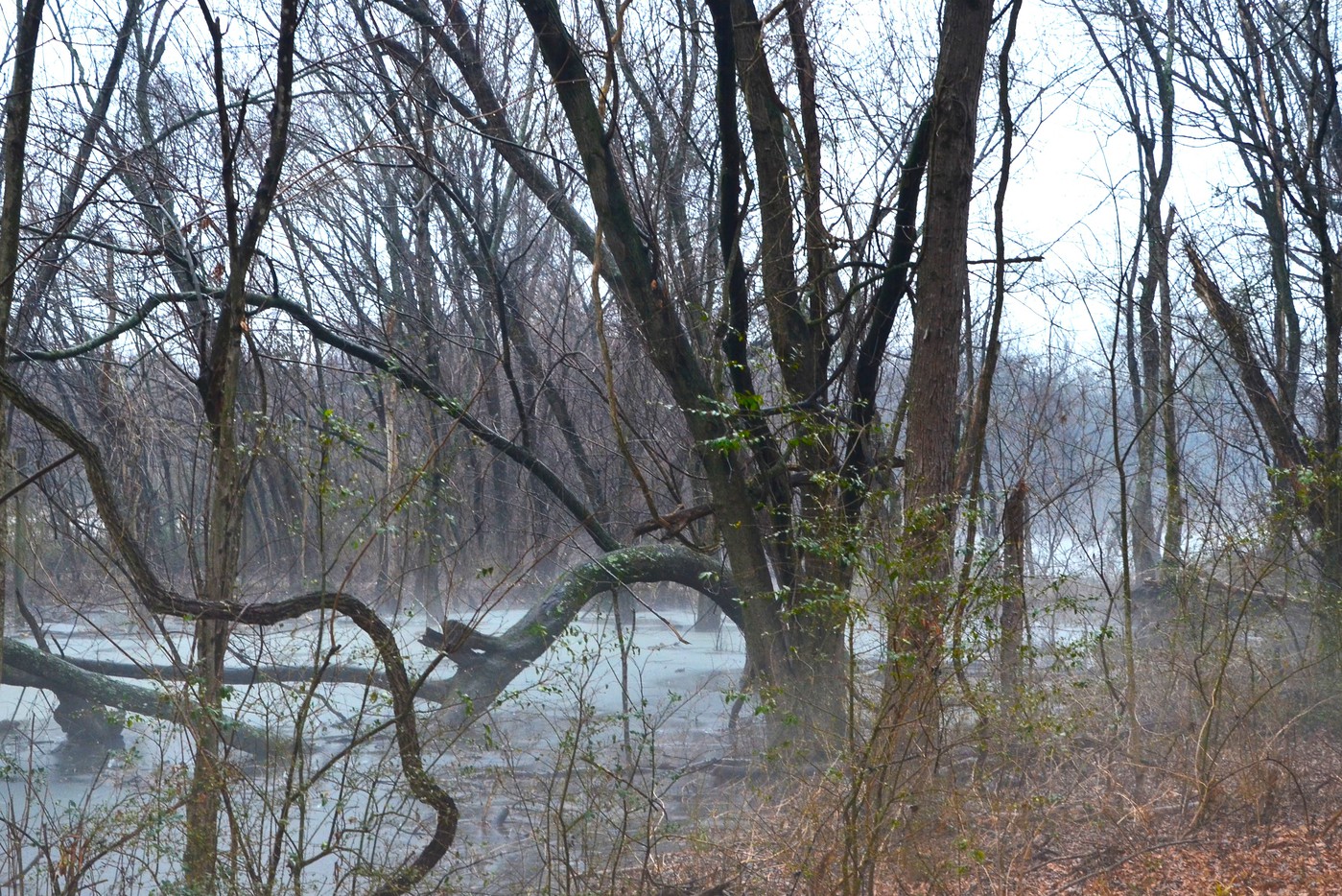
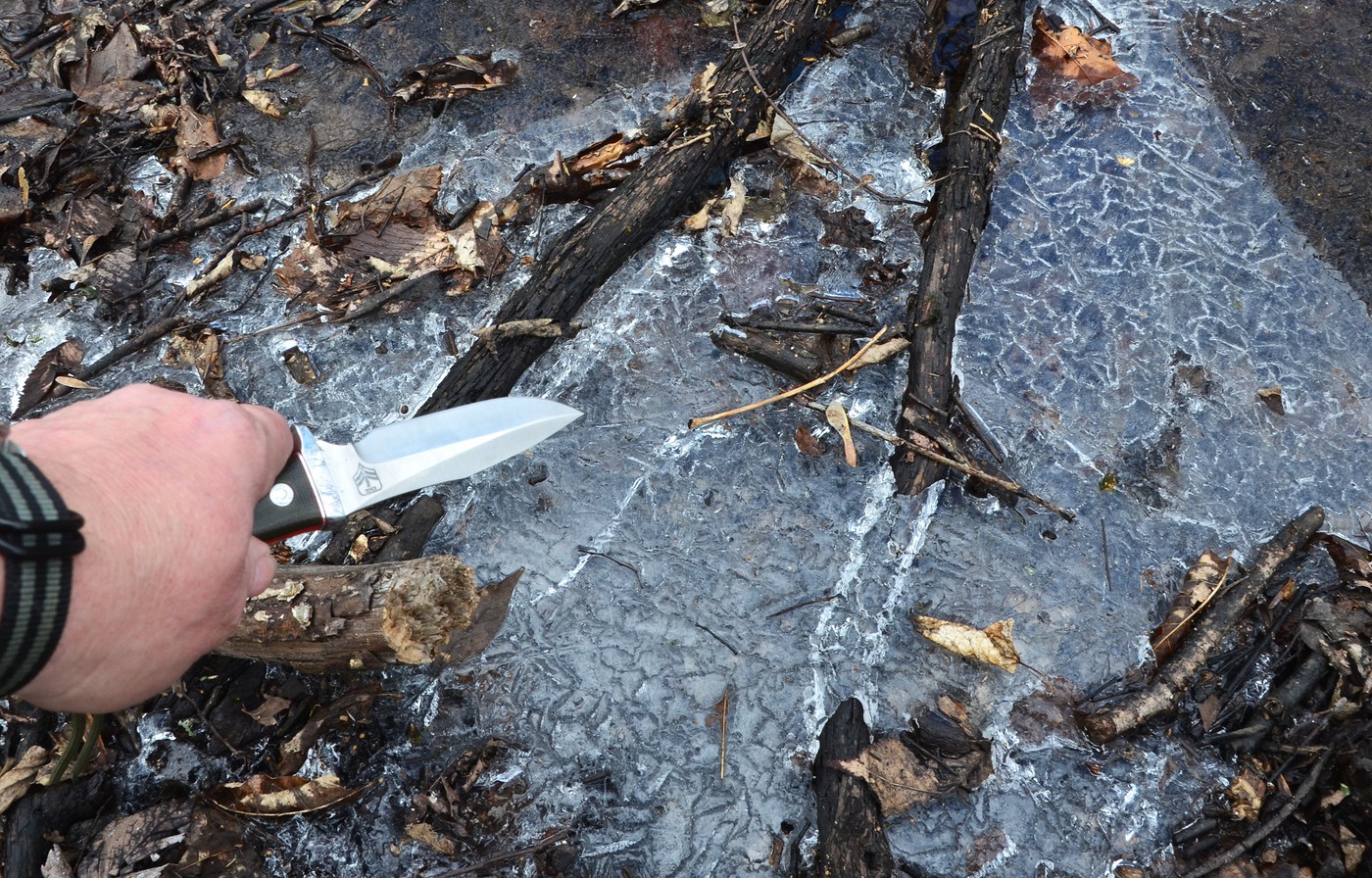
I live in the mountains of a temperate rain forest, so snow is seldom an issue here, especially for long. We get more freezing rain than snow, so w're more apt to have ice coated plants more often than snow covered ones, and that's a two-edged sword. It can make it easier to find things in the winter, however it can also cause trees to not produce fruit. I remember a year right after I first started posting here, we had an ice storm and freeze so severe it prevented the oaks from producing acorns. I loved not hearing them falling on my truck at night, but I felt sorry for the deer.
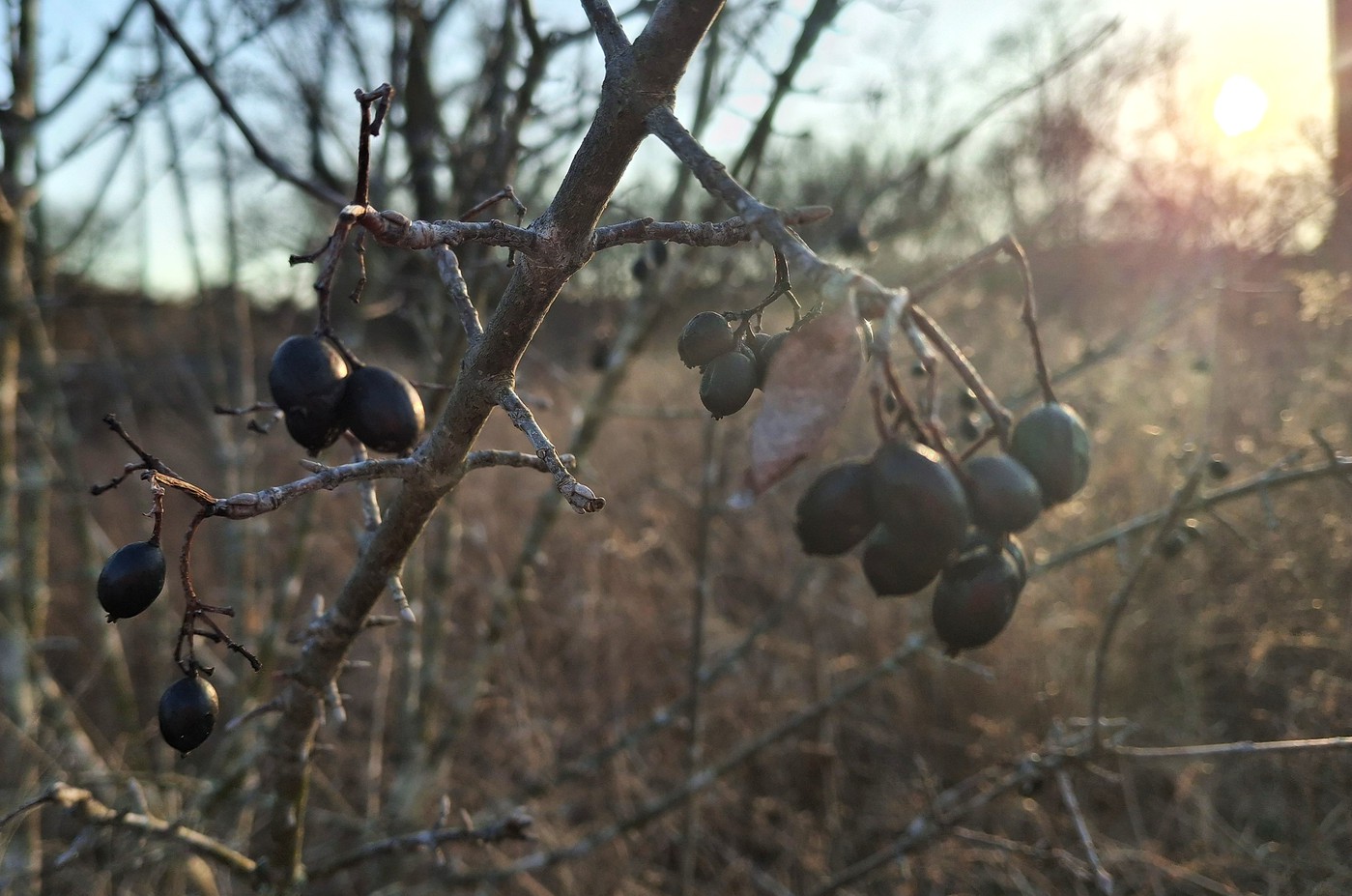
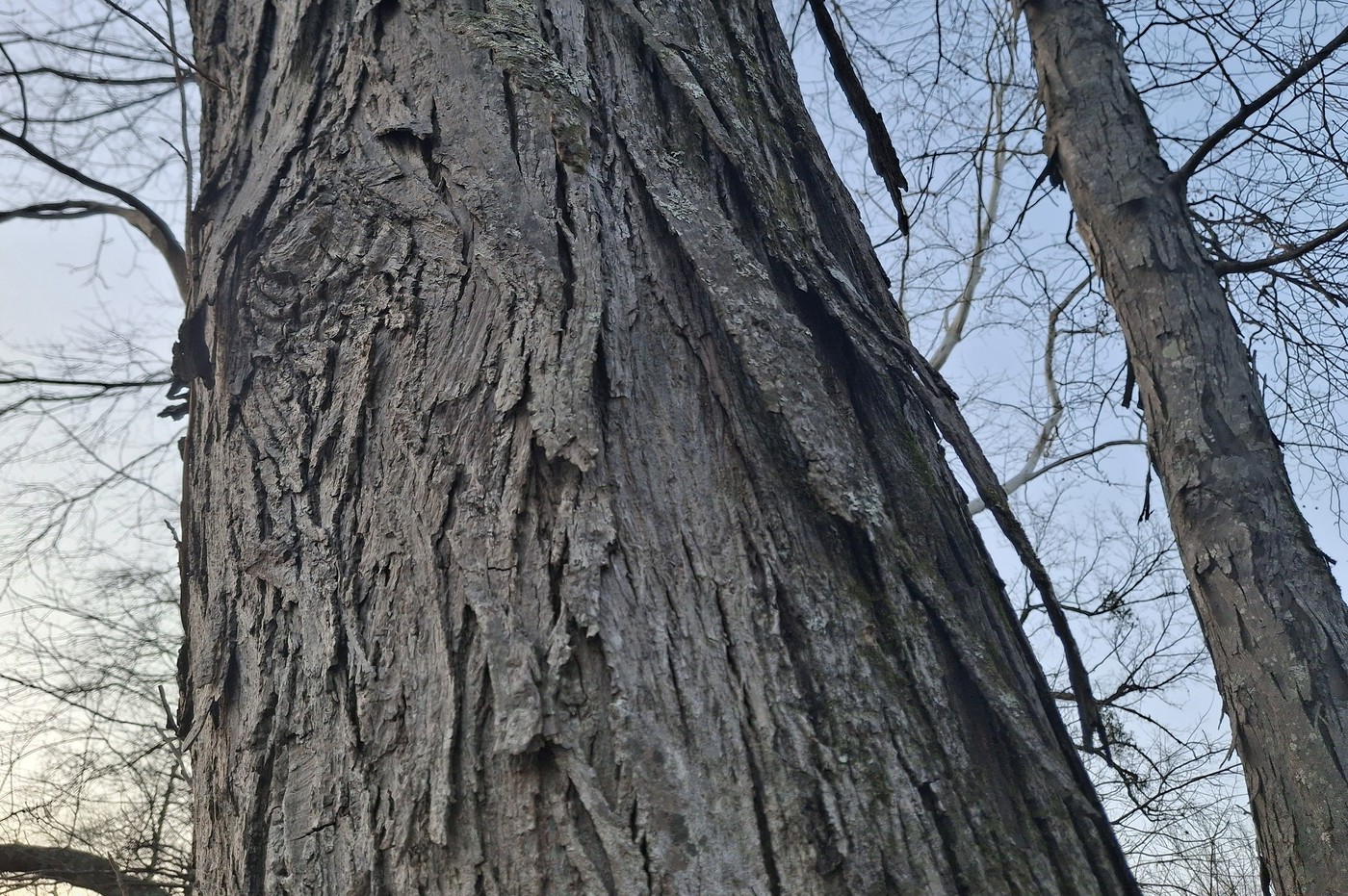
We have a lot of hickory trees here, and scaley bark hickories are my favorite. To access the meats of the hickory nuts and black walnuts are the only reason I ever carry a hatchet to the woods here.
But there aren't any of these hickory nuts available this late into winter.
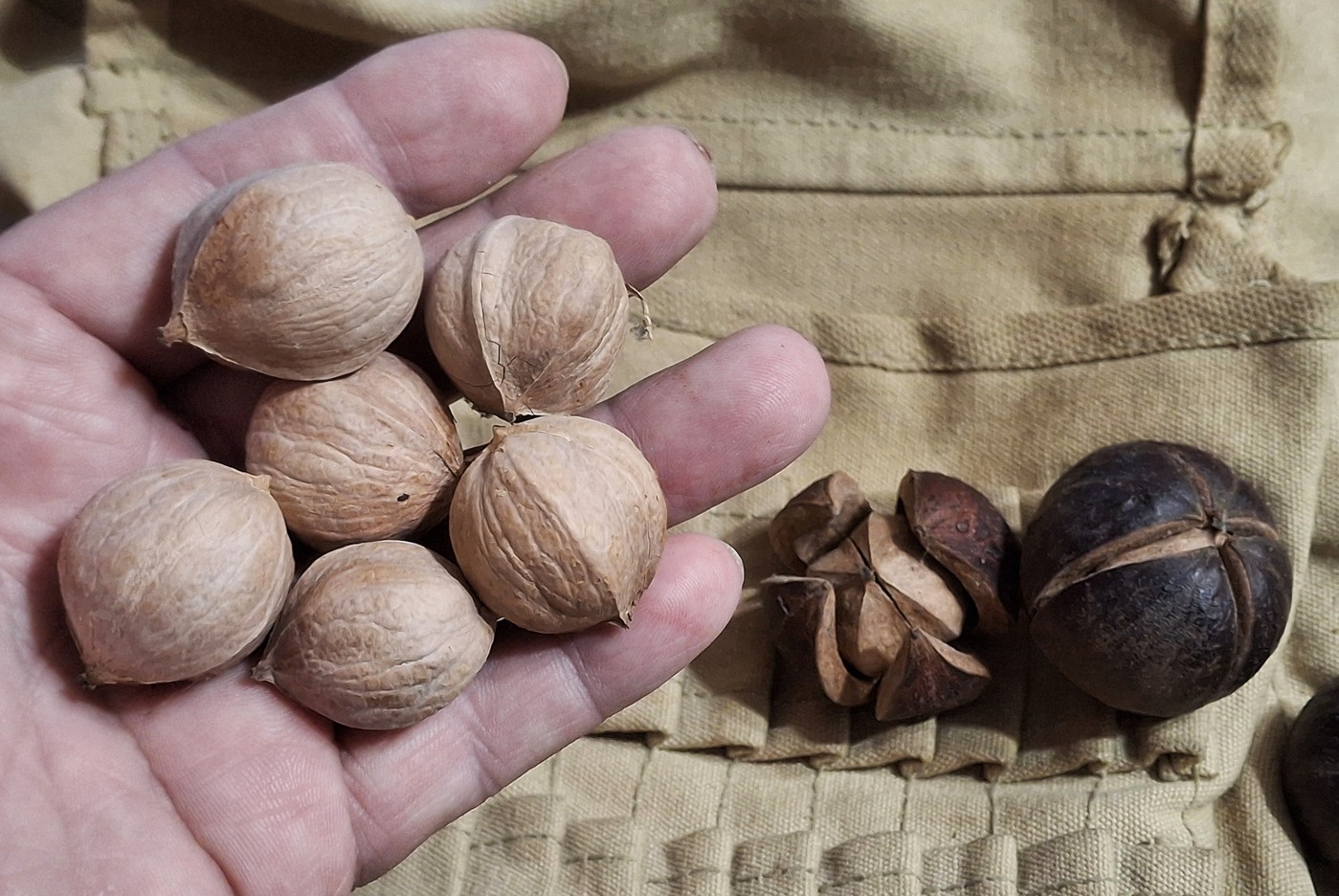
What these guys haven't already eaten or stored...
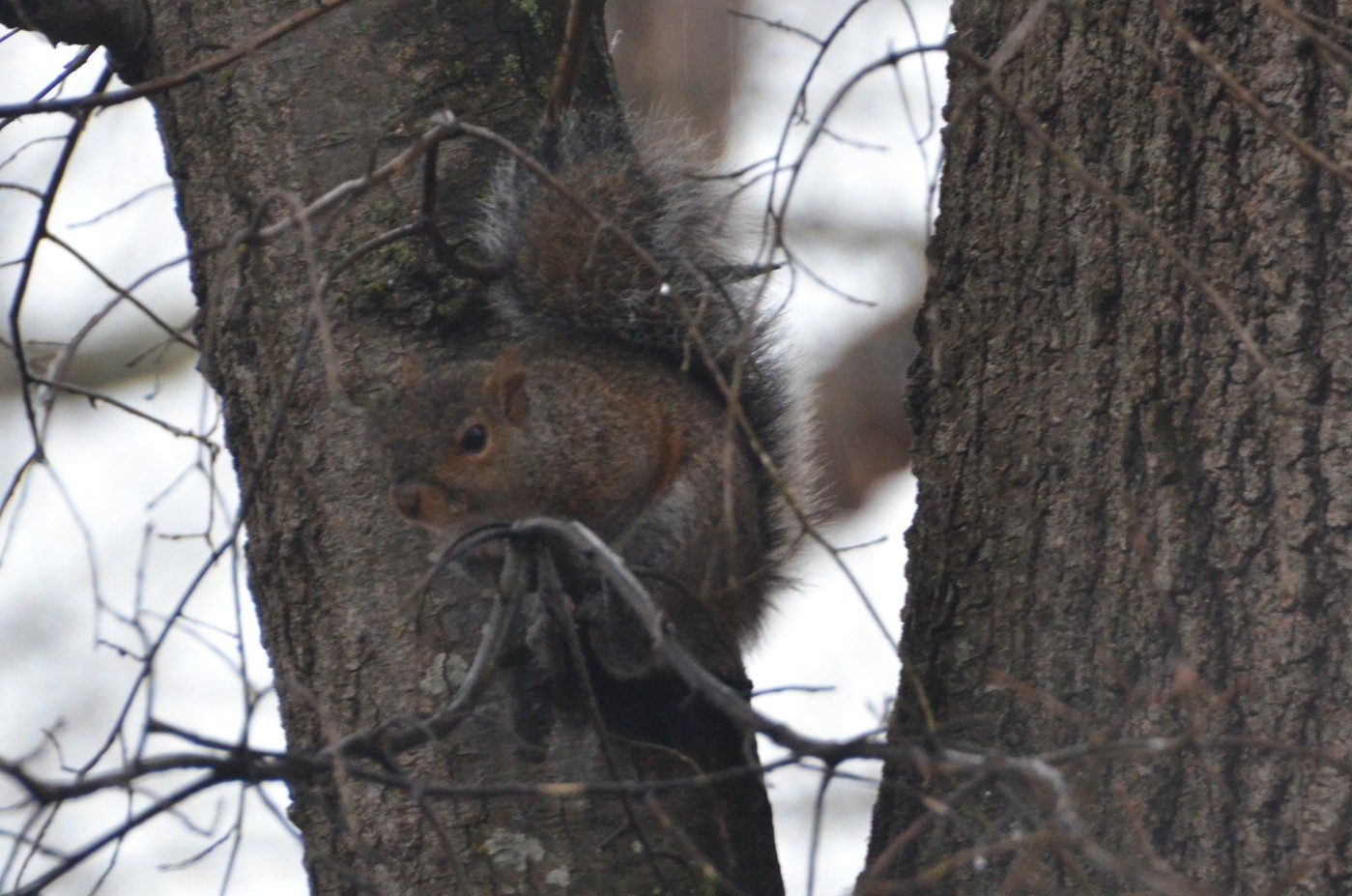
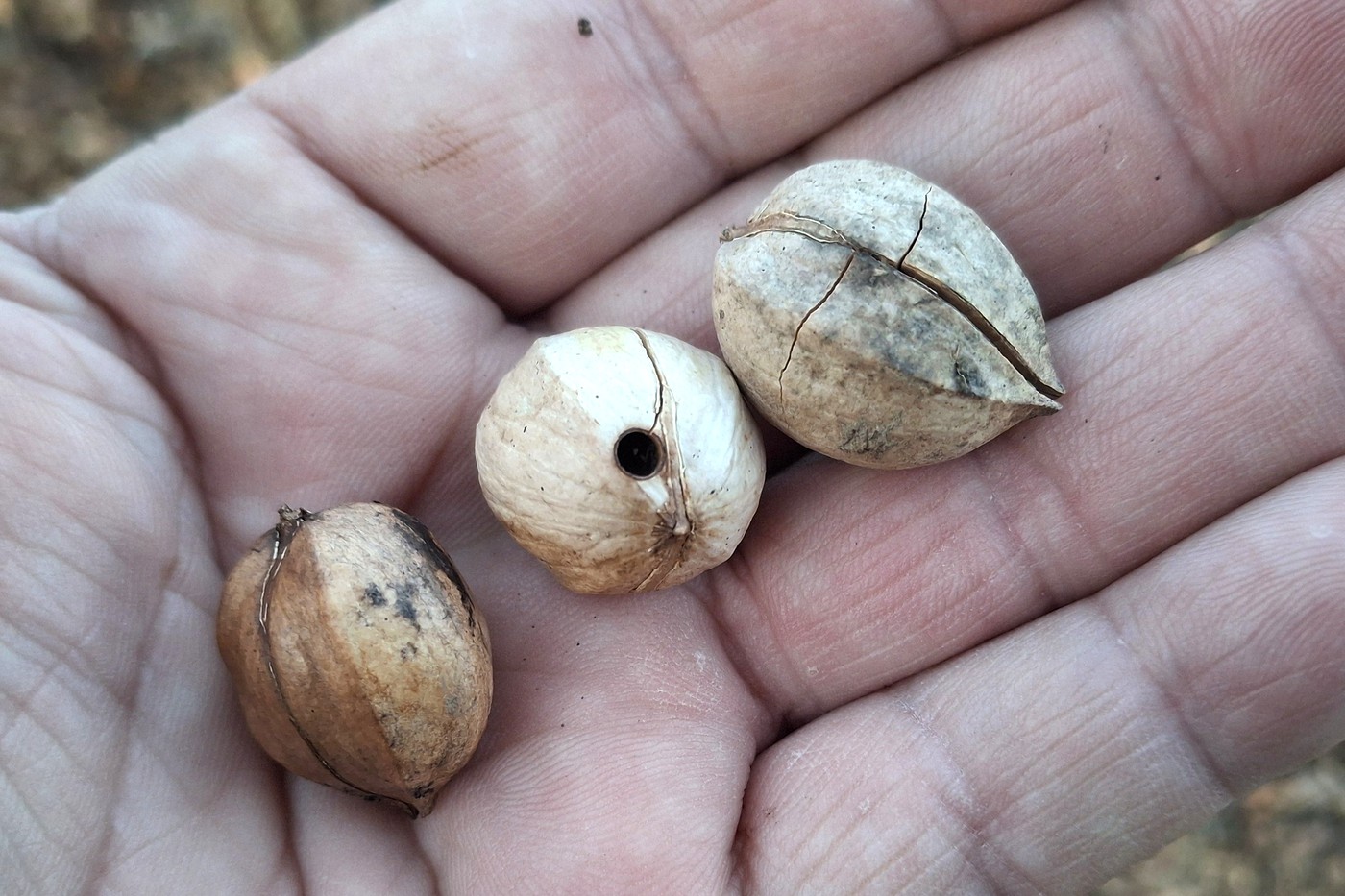
Look like this, because something much smaller has eaten them.
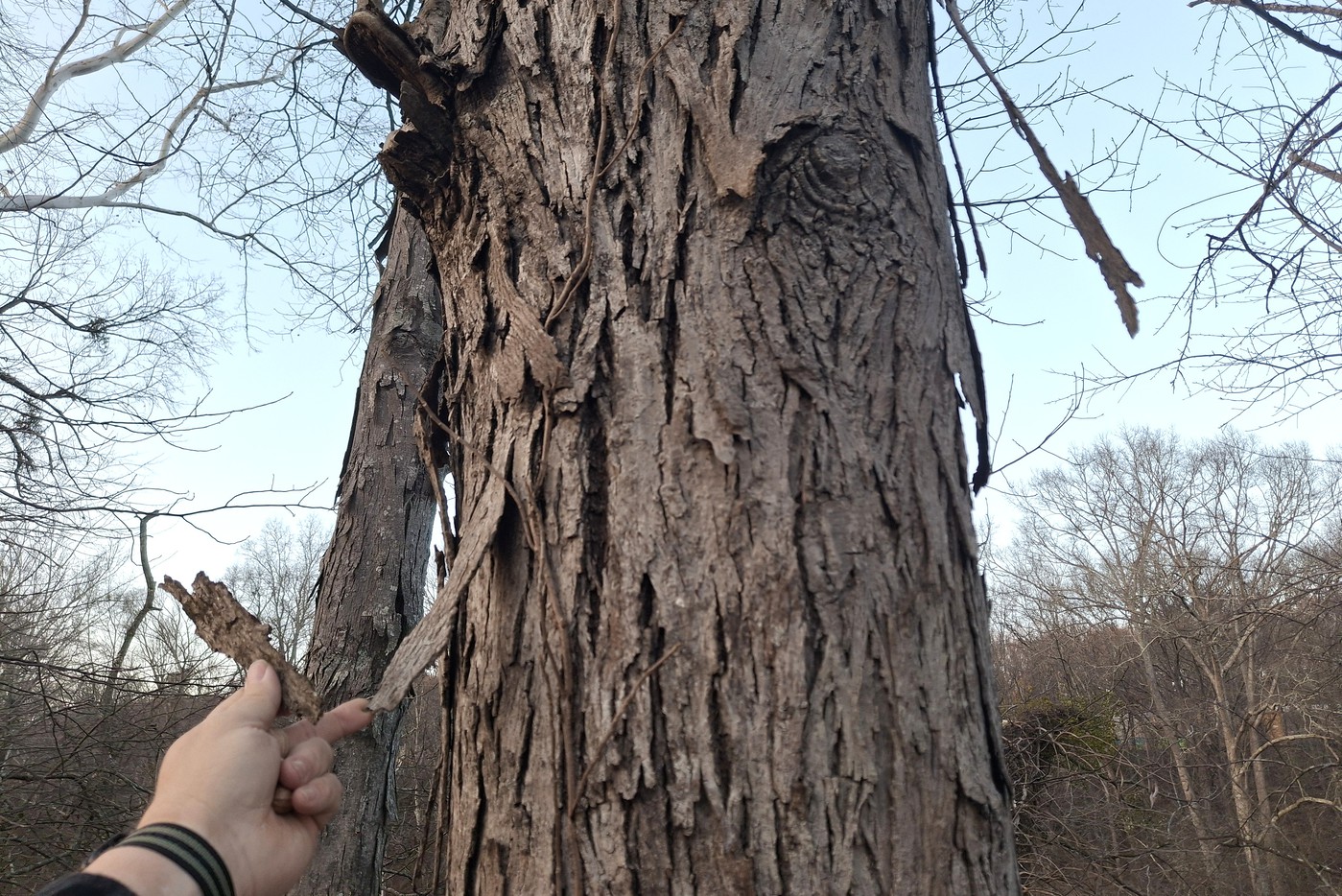
But the scaley bark that gets shed, or what pieces can be broken off without harming the tree, (probably best to be very careful and very respectful with that on strange lands where you don't know the locals and they don't know you) will add a nice smoke flavor to any meats coked over a fire. This is something I learned as a kid on a family farm with a few hundred acres of woods.
River Birch paper bark (probably best to use the same cautions and respect), and thistle wool can be very helpful for fire starting
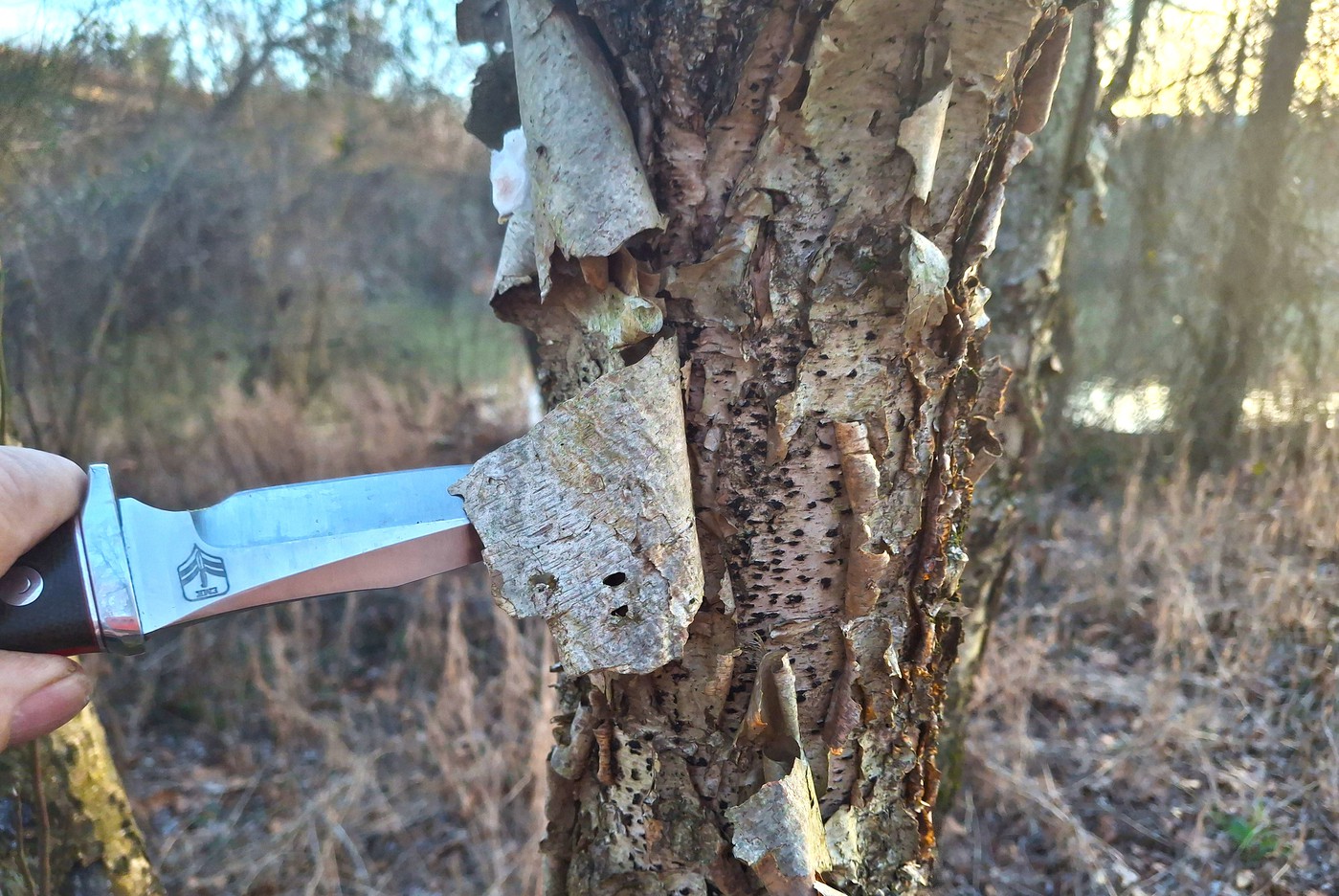
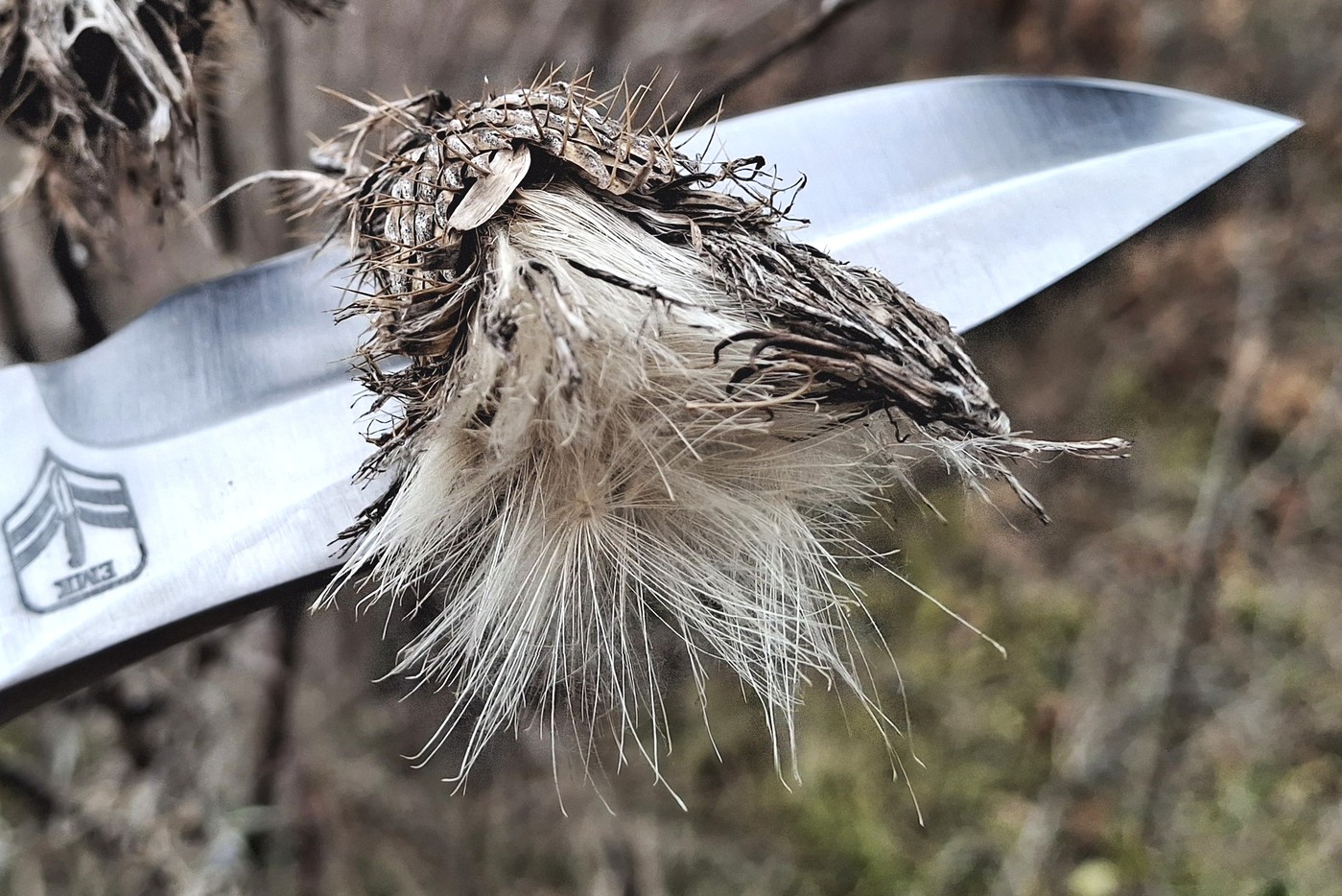
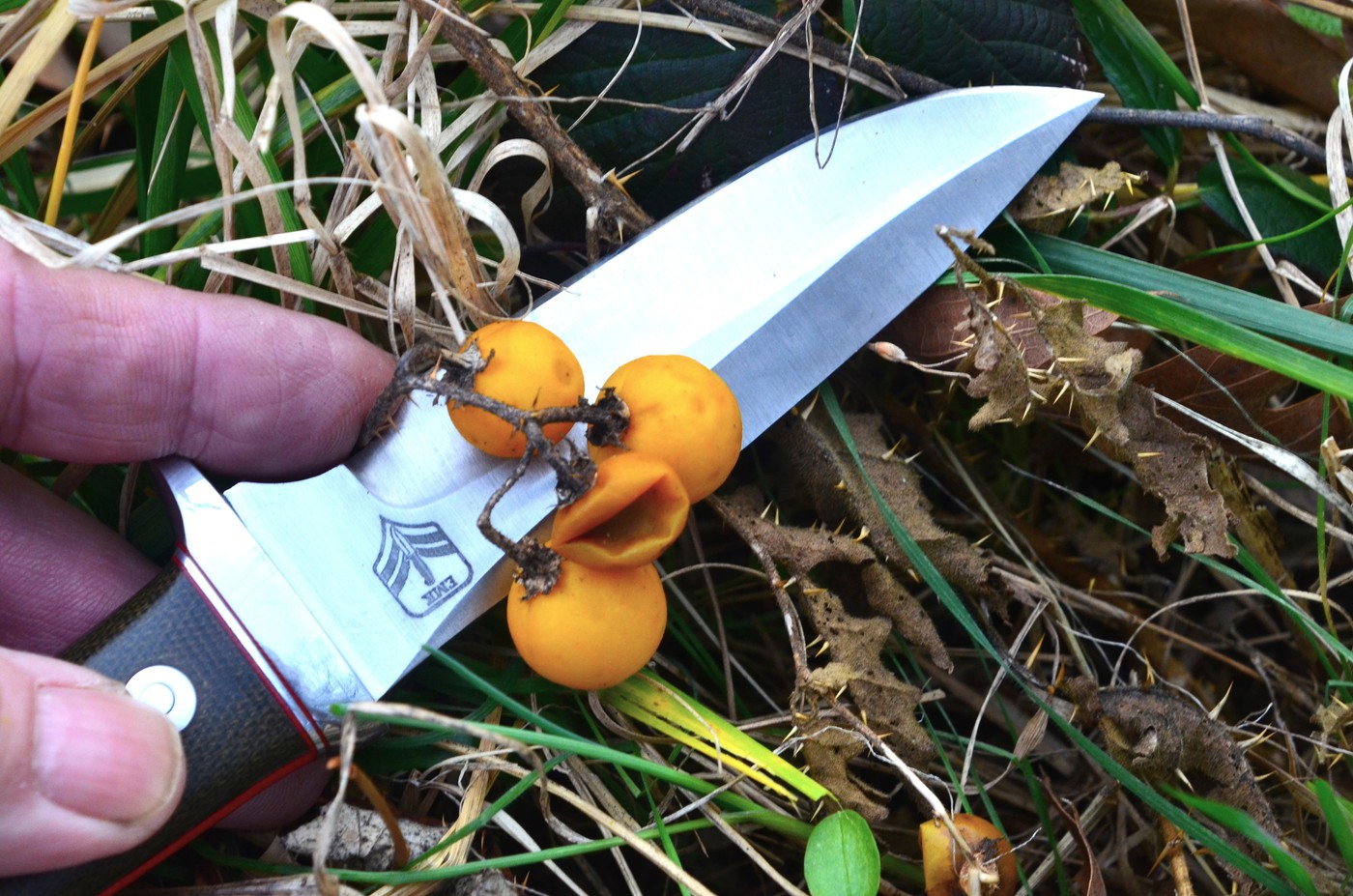
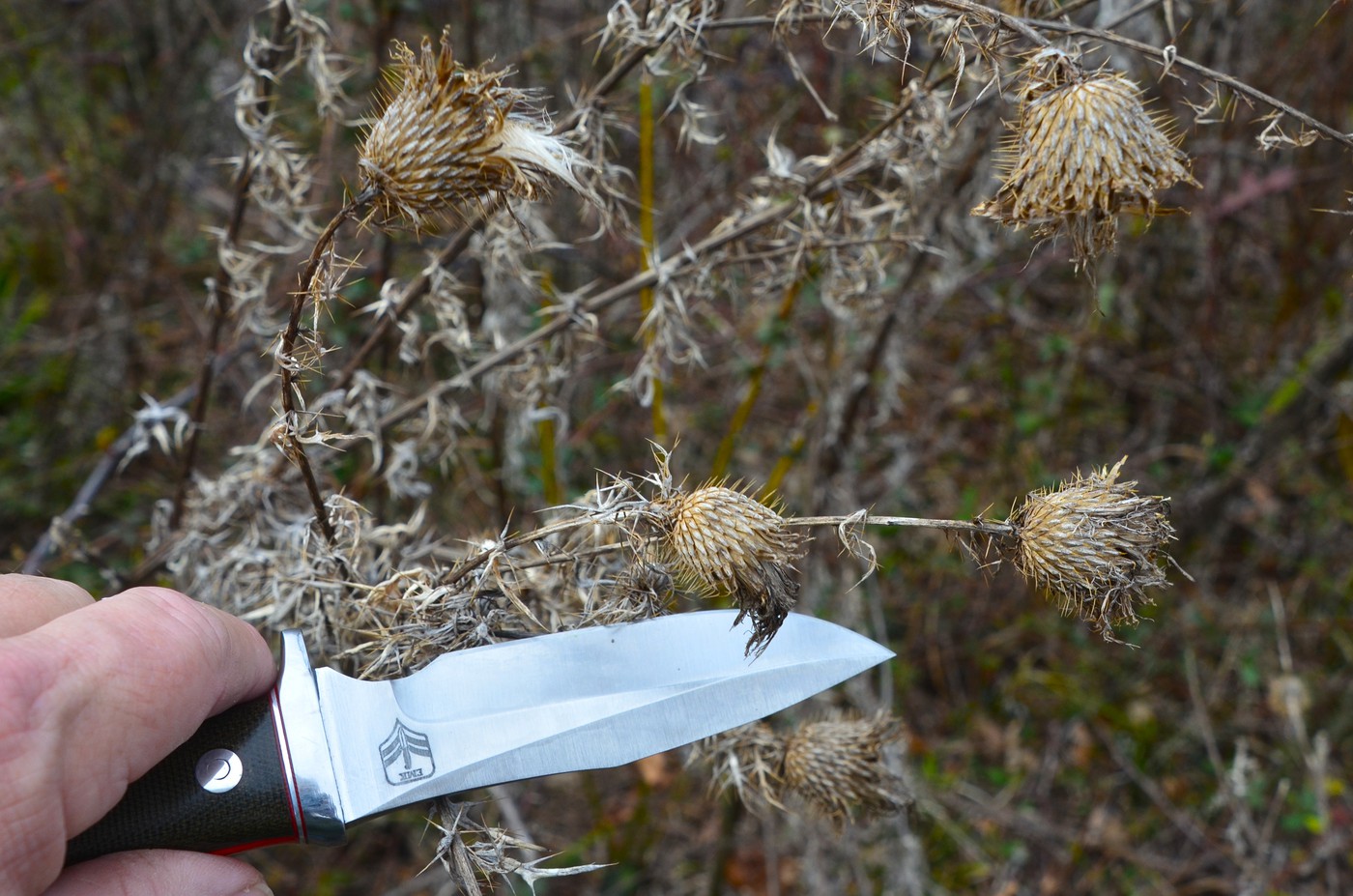
In fact it was with these two plants that I learned to understand the the meaning behind the verse that told me; I will know them by their fruits, for indeed we do not gather grapes of thornbushes, nor figs of thistles. For one of these is poisonous, and the other would be very unpleasant to eat under any circumstances.
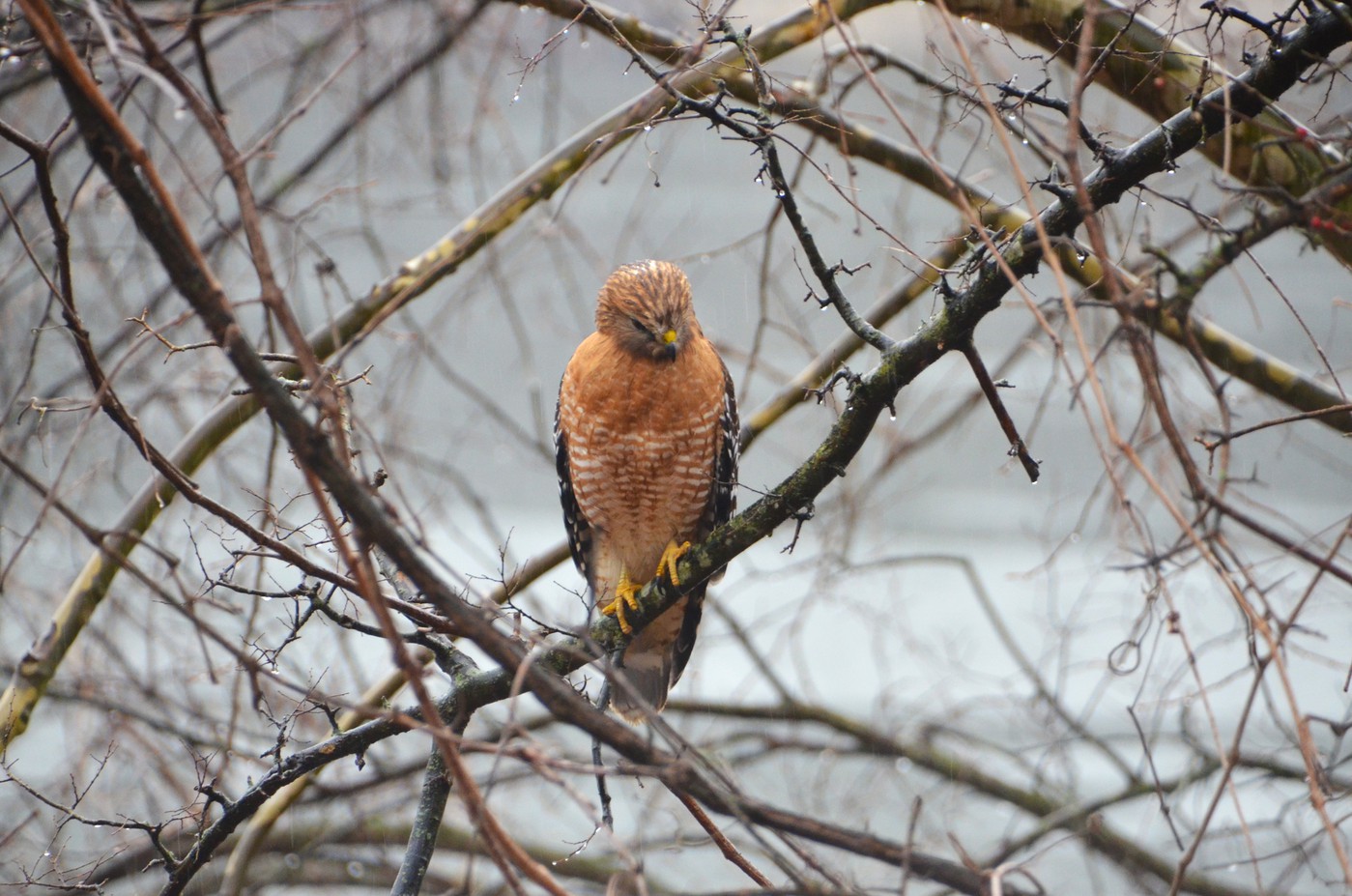
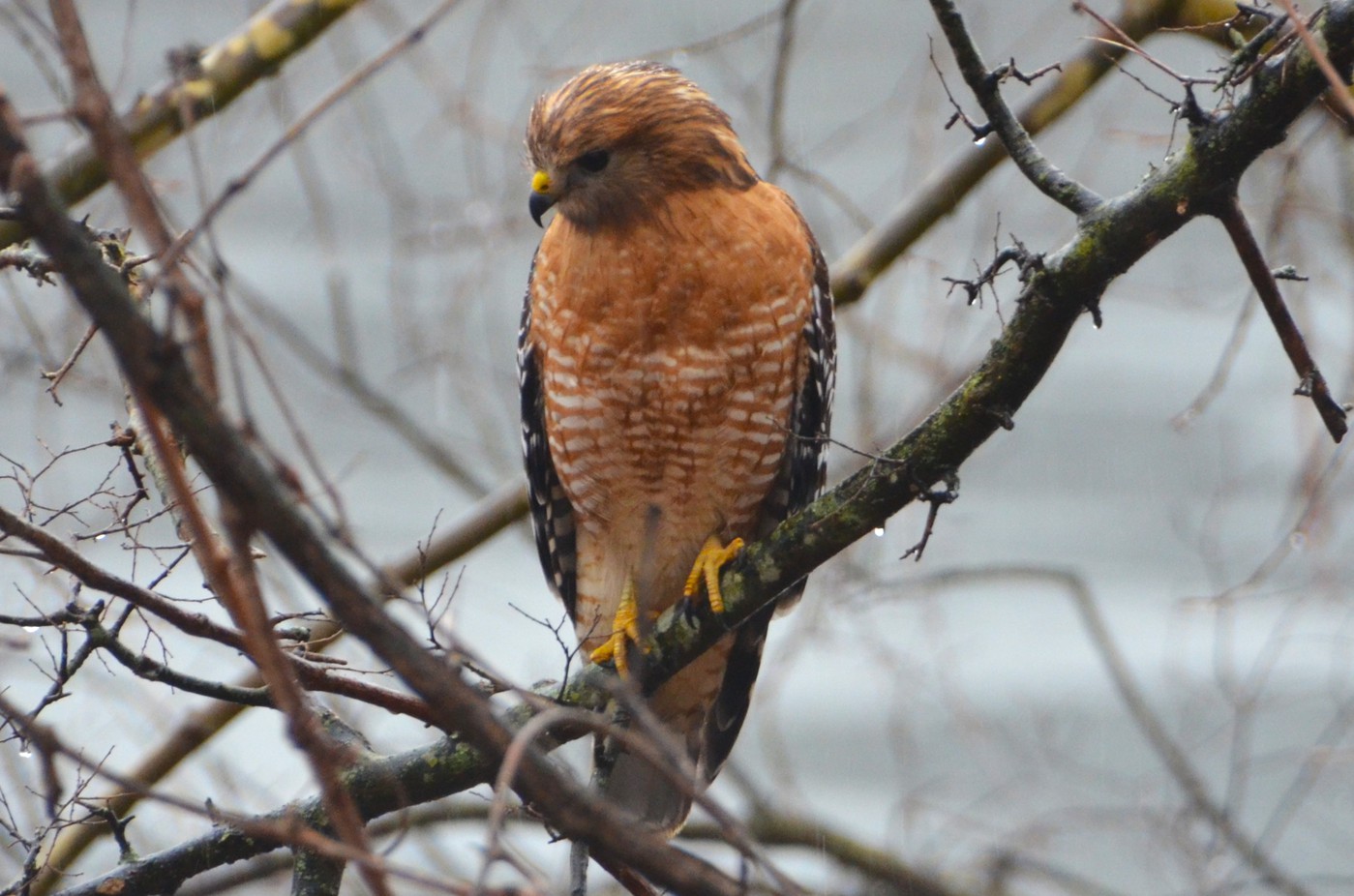
It was raining the day I got to watch this guy, a Red Breasted Hawk, hunting for a while. Between the falling rain and the bushes he flew behind, I couldn't focus on him flying off with his prey, but I was happy for him finally getting it.
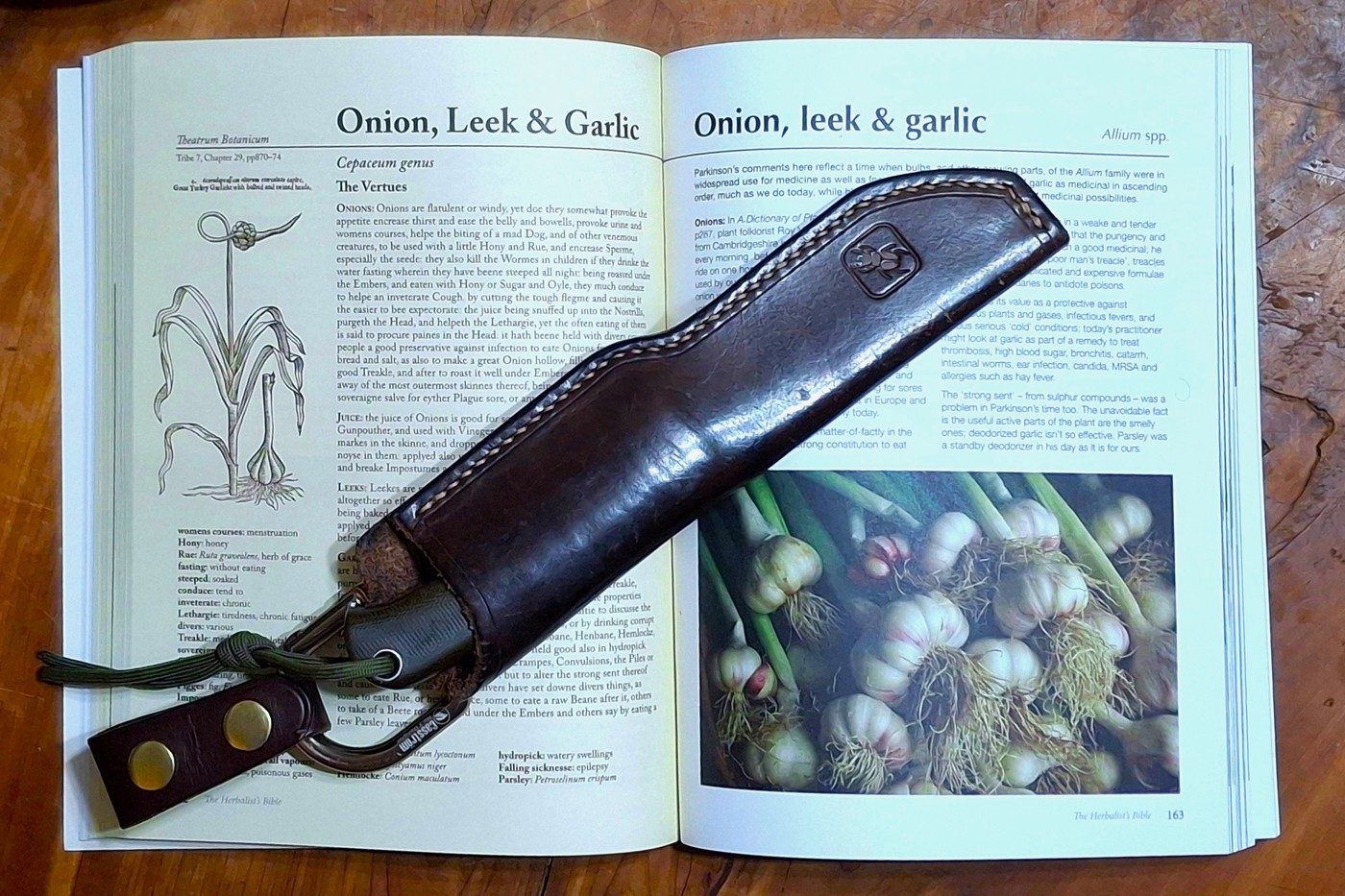
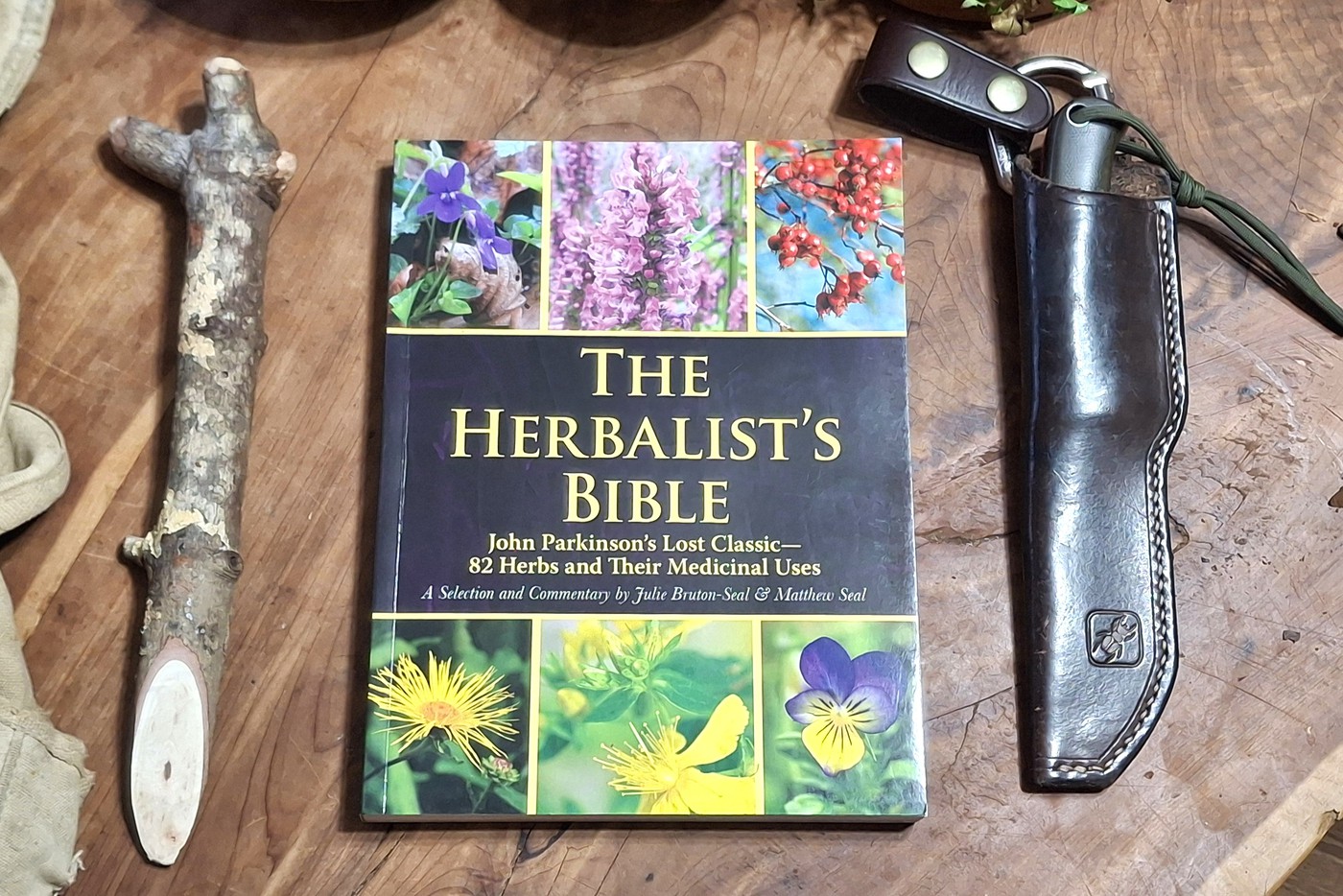
I recently bought a book called the Herbalist's Bible, and it's okay. But honestly some of the details I teach not being in this book either, was part of what inspired the projects I'm working on.
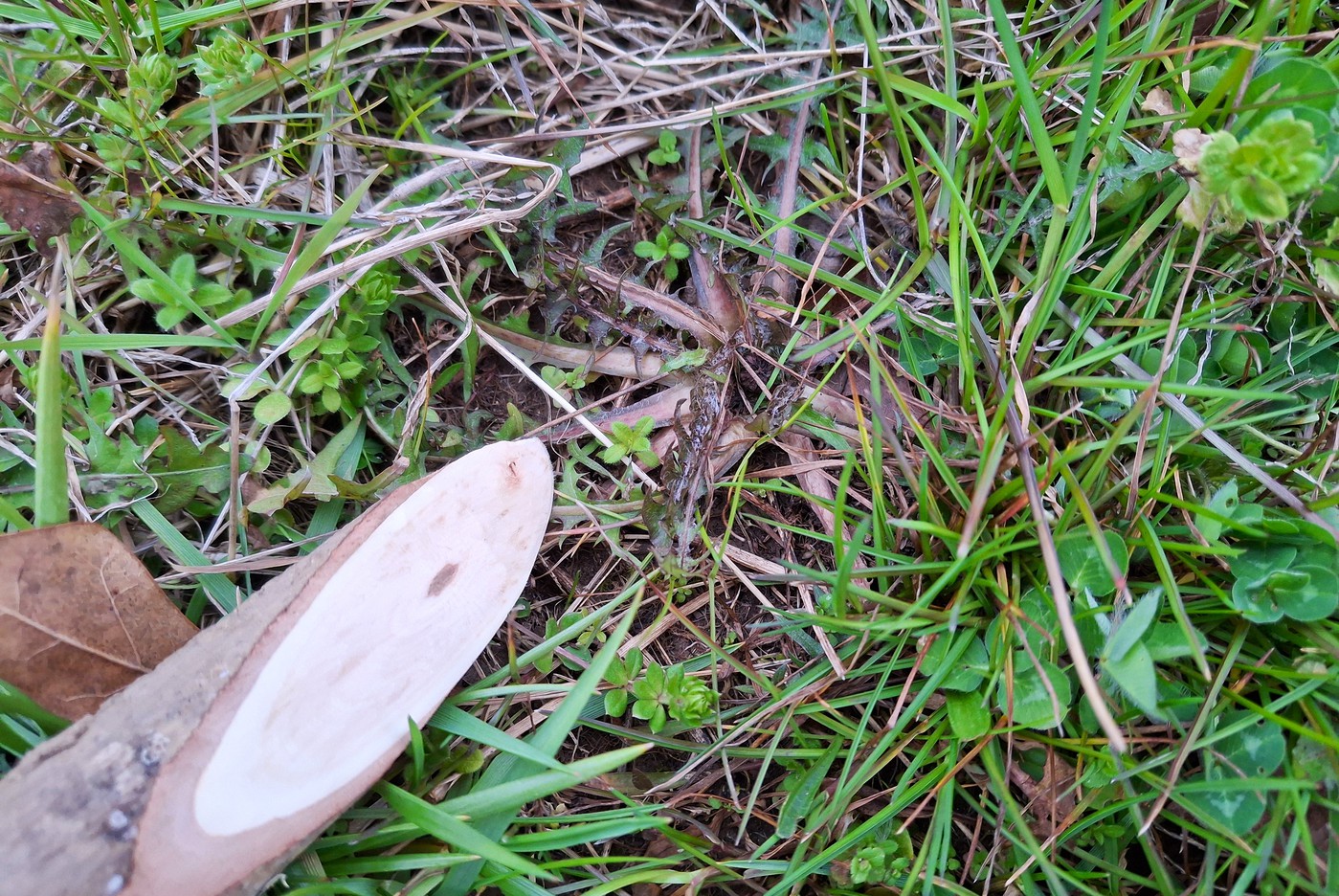
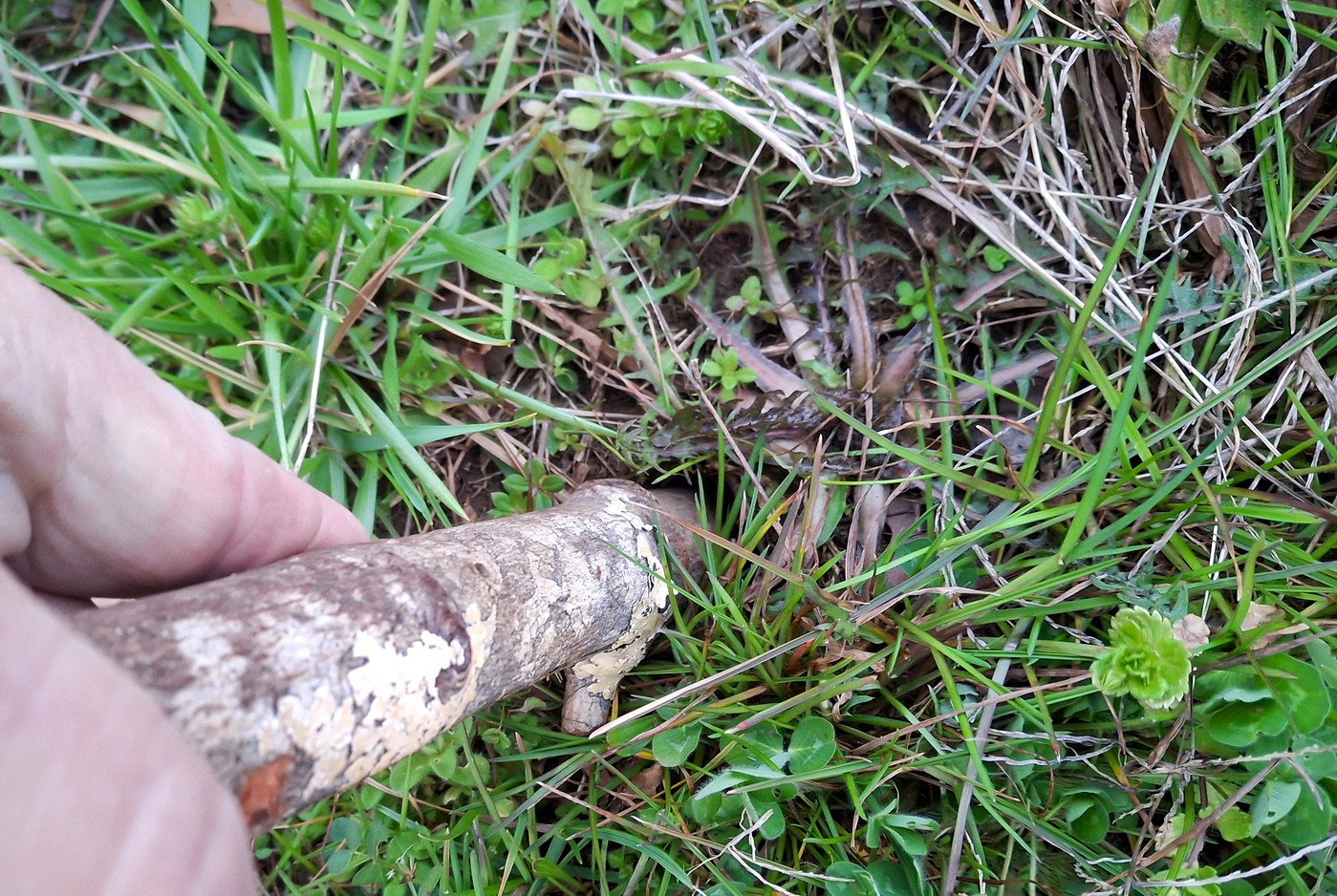
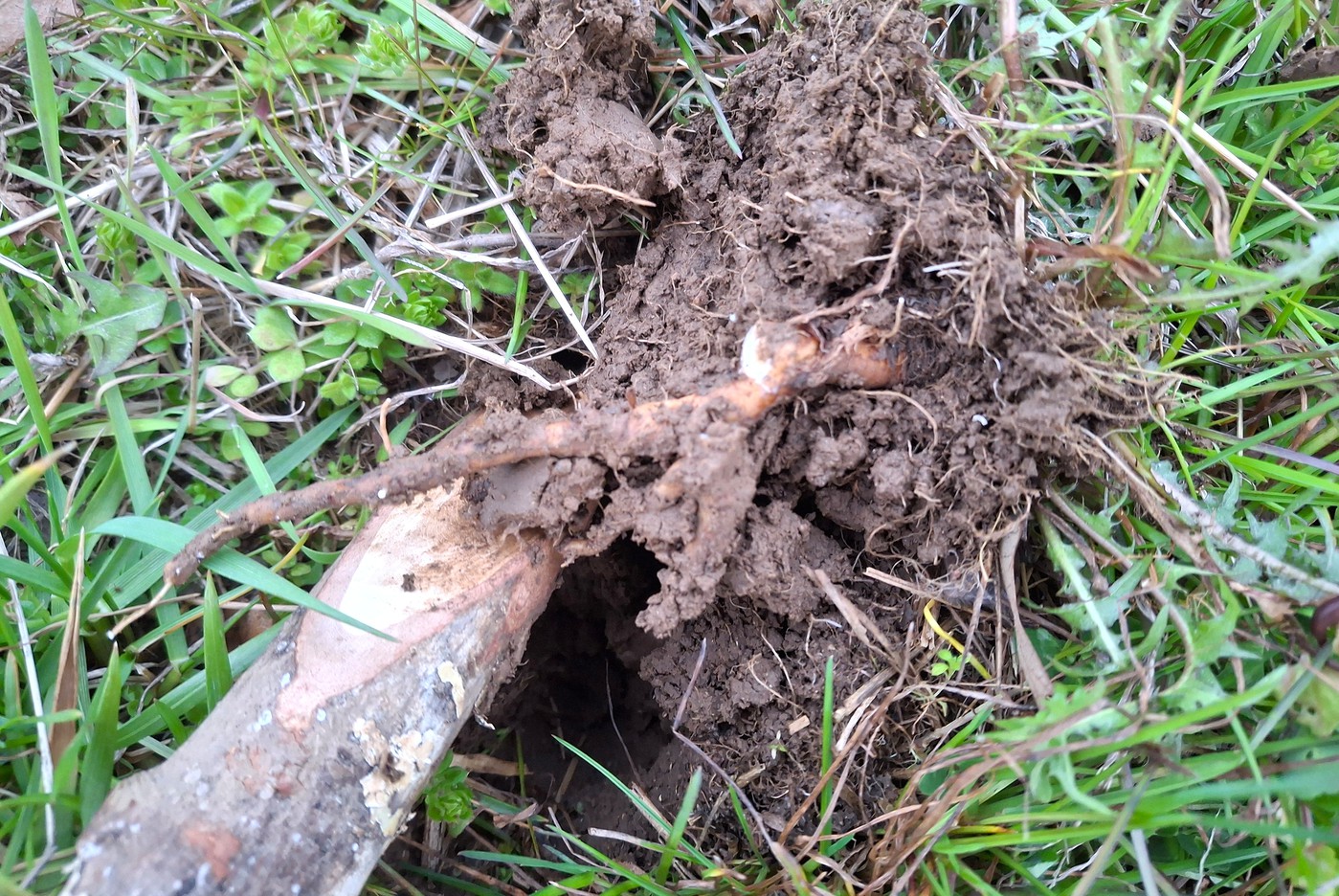
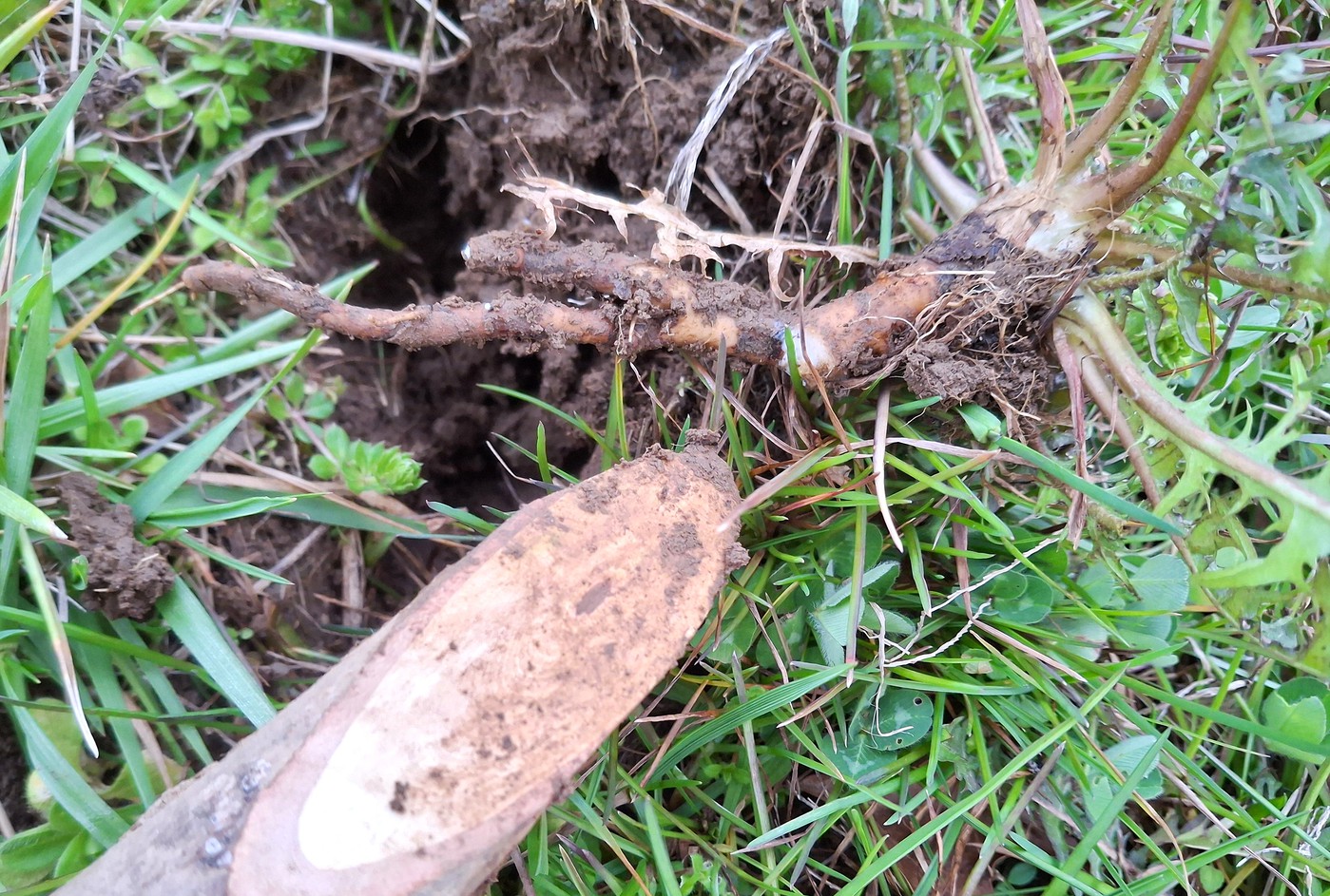
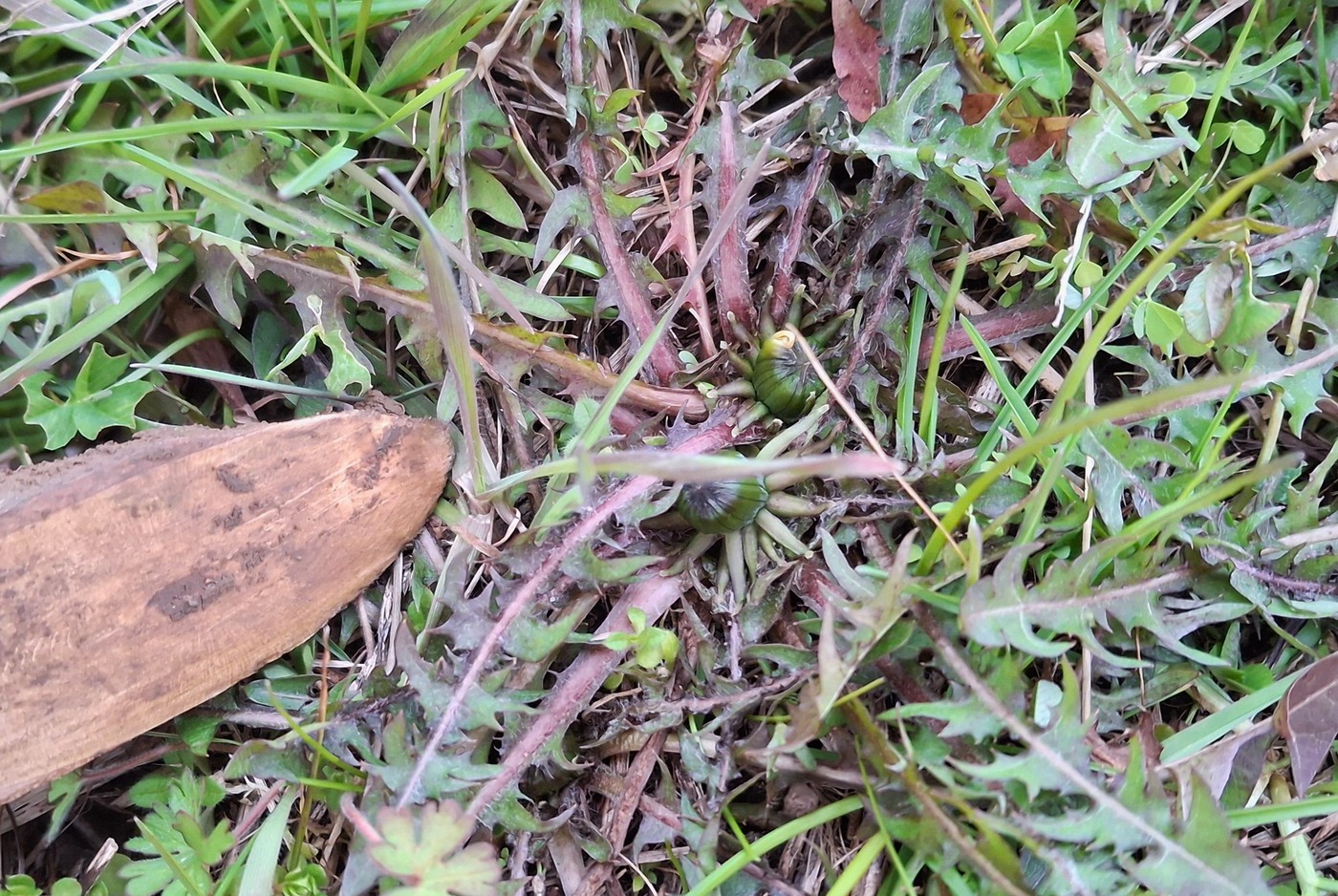
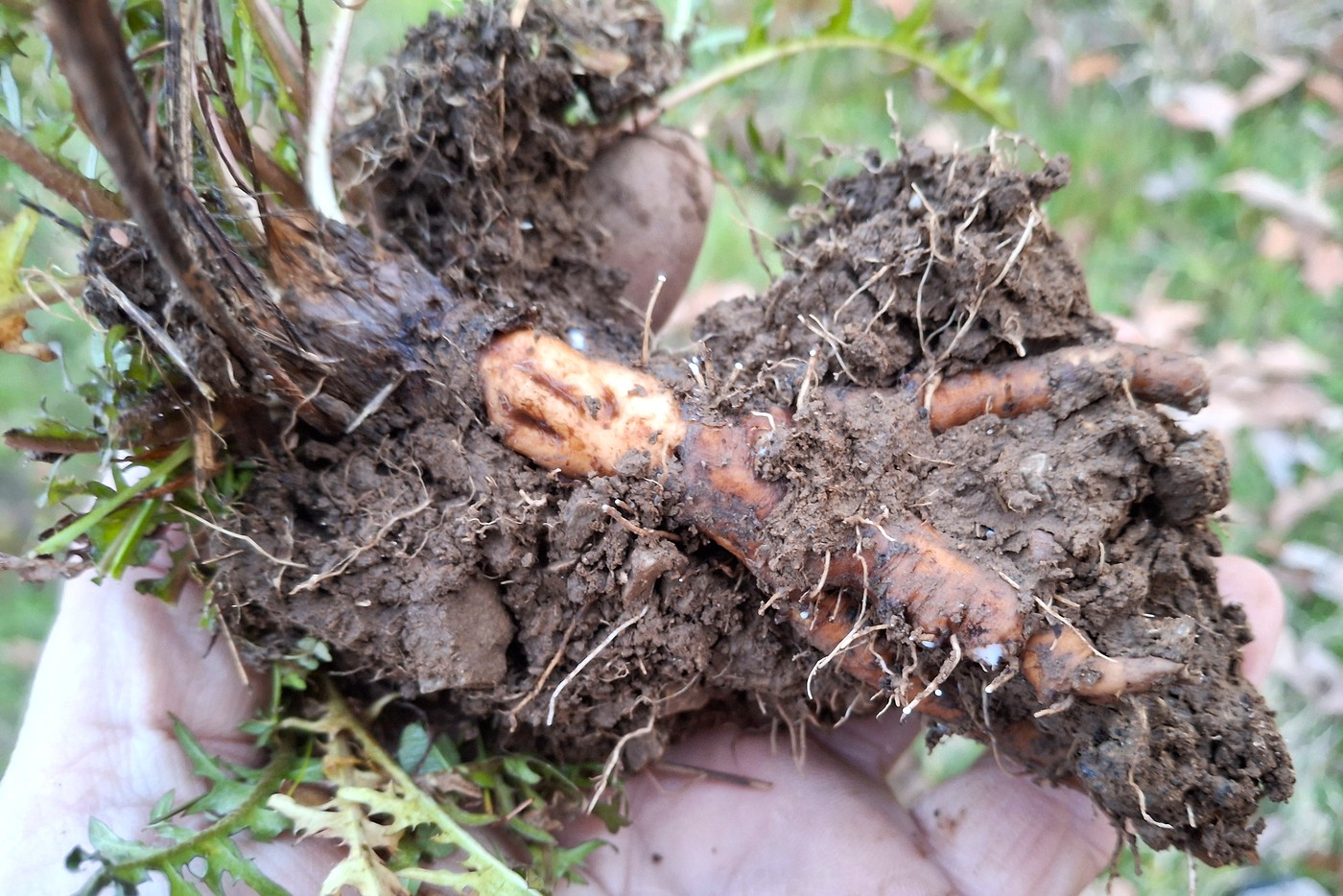
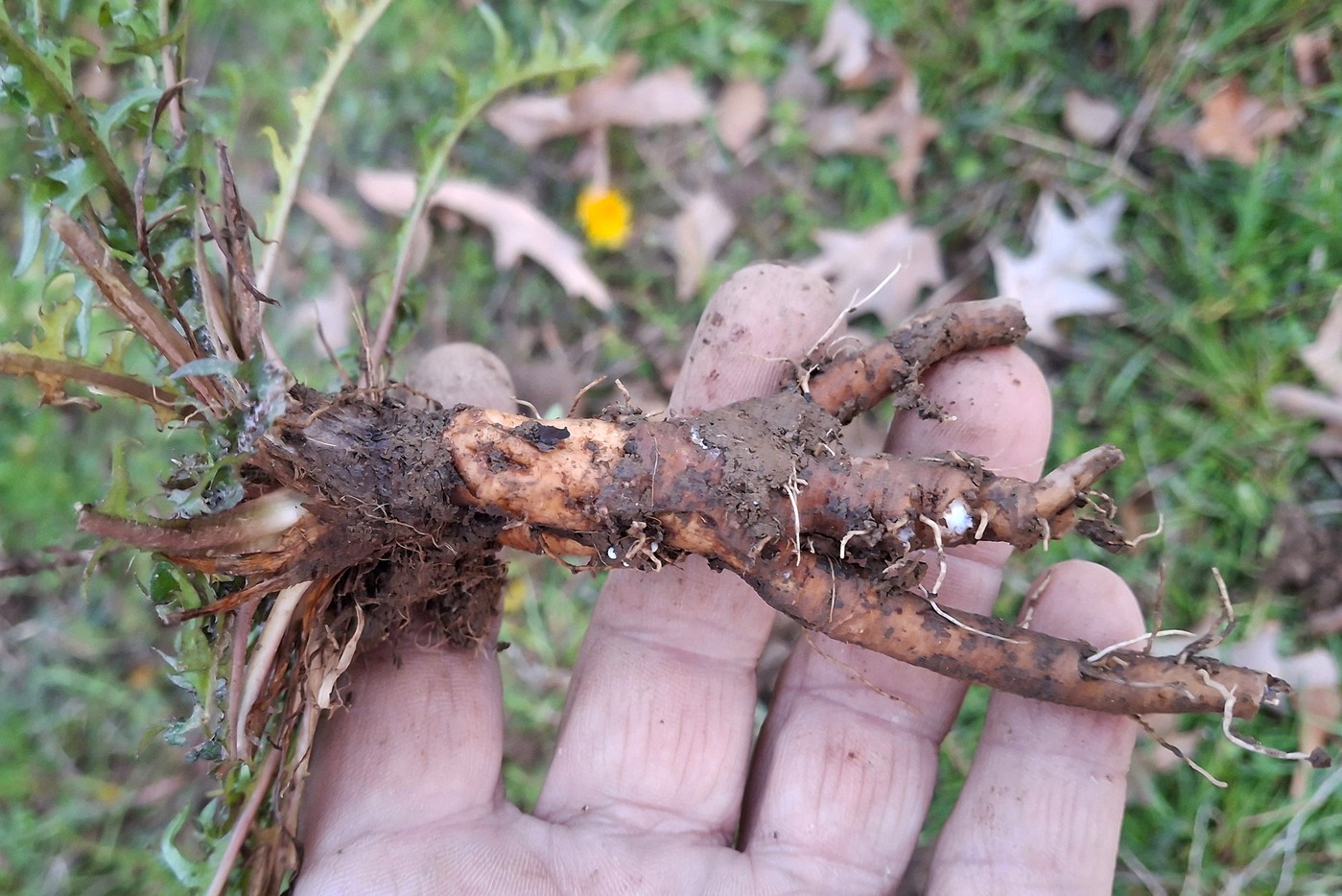
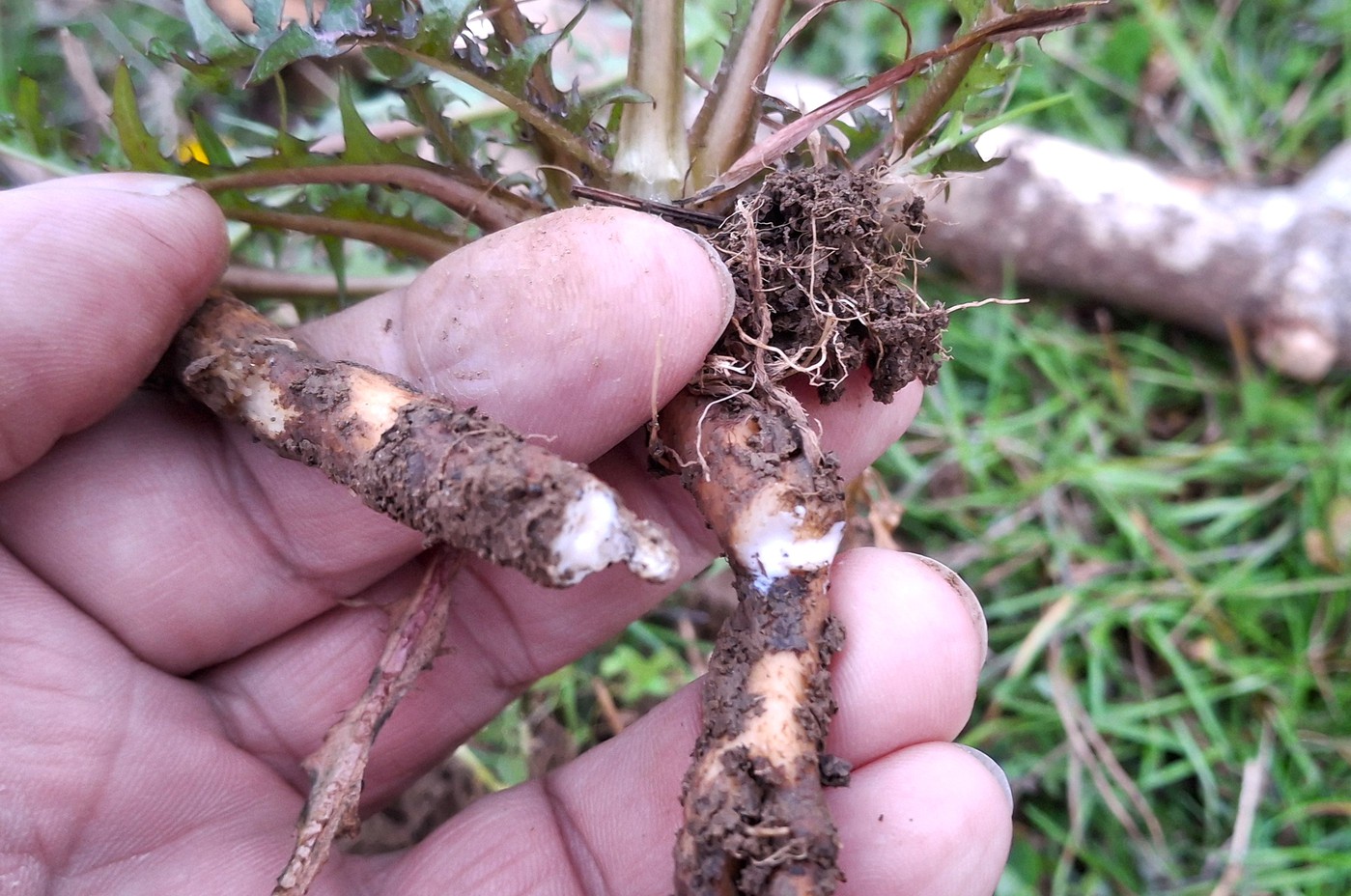
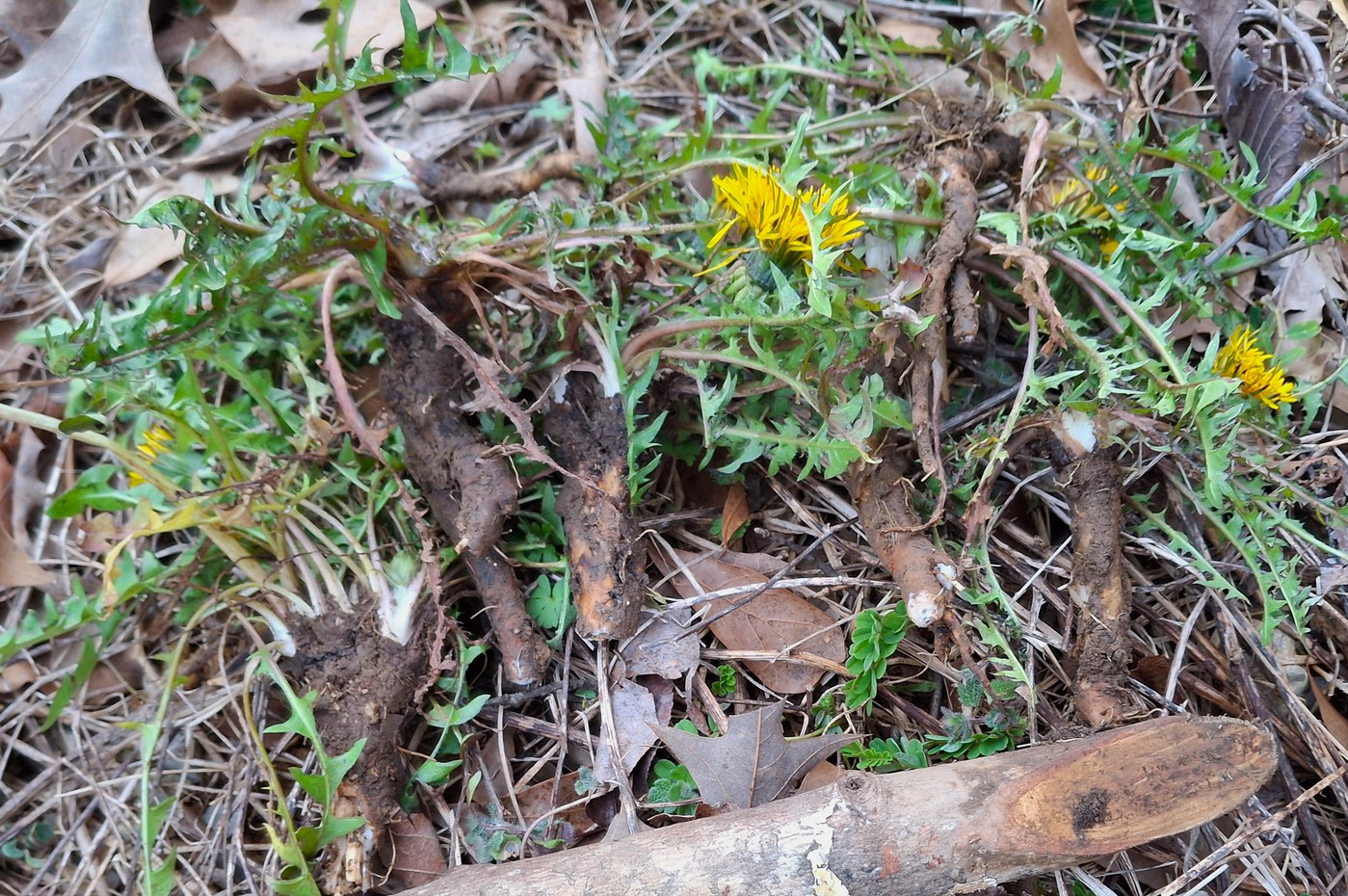
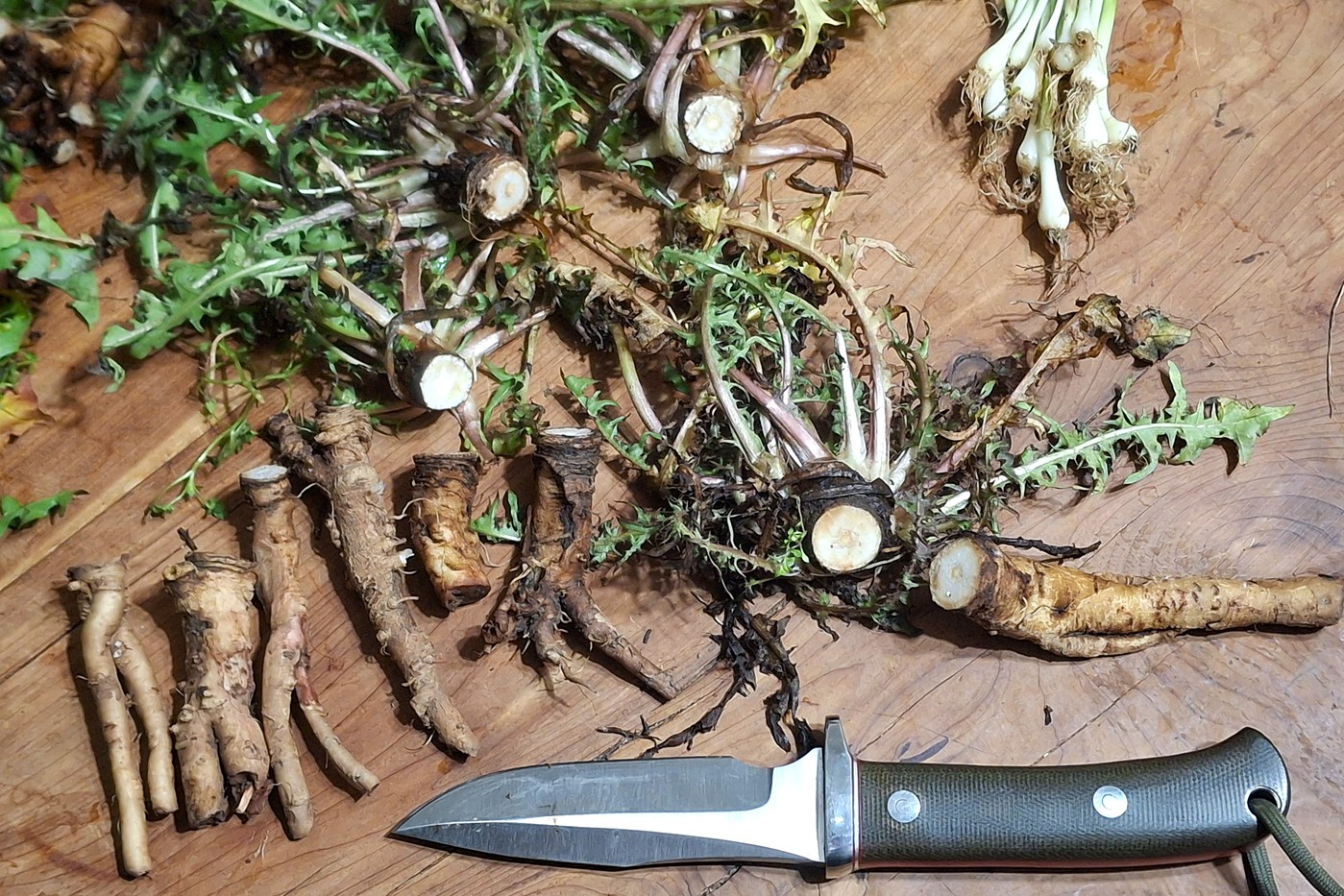
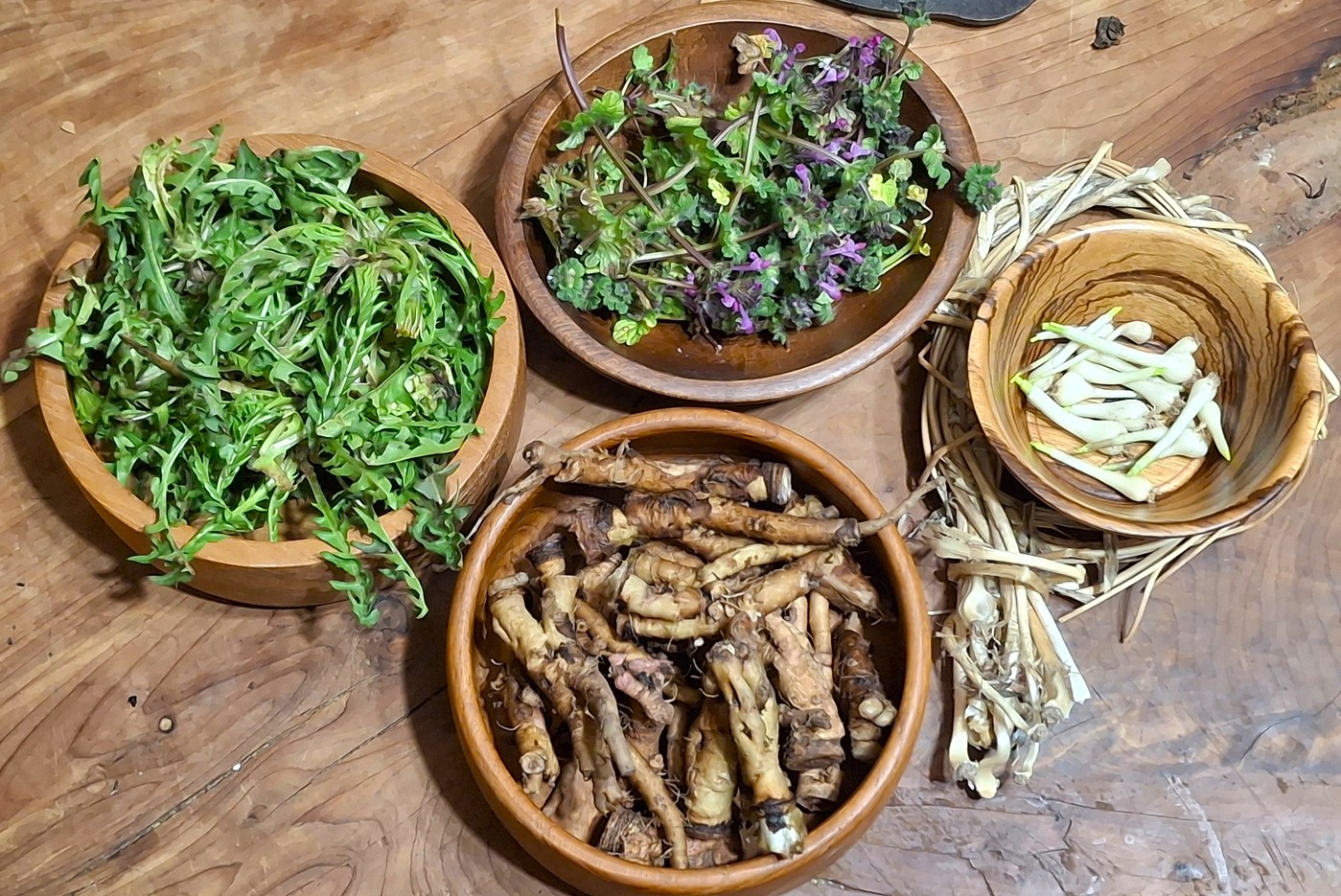
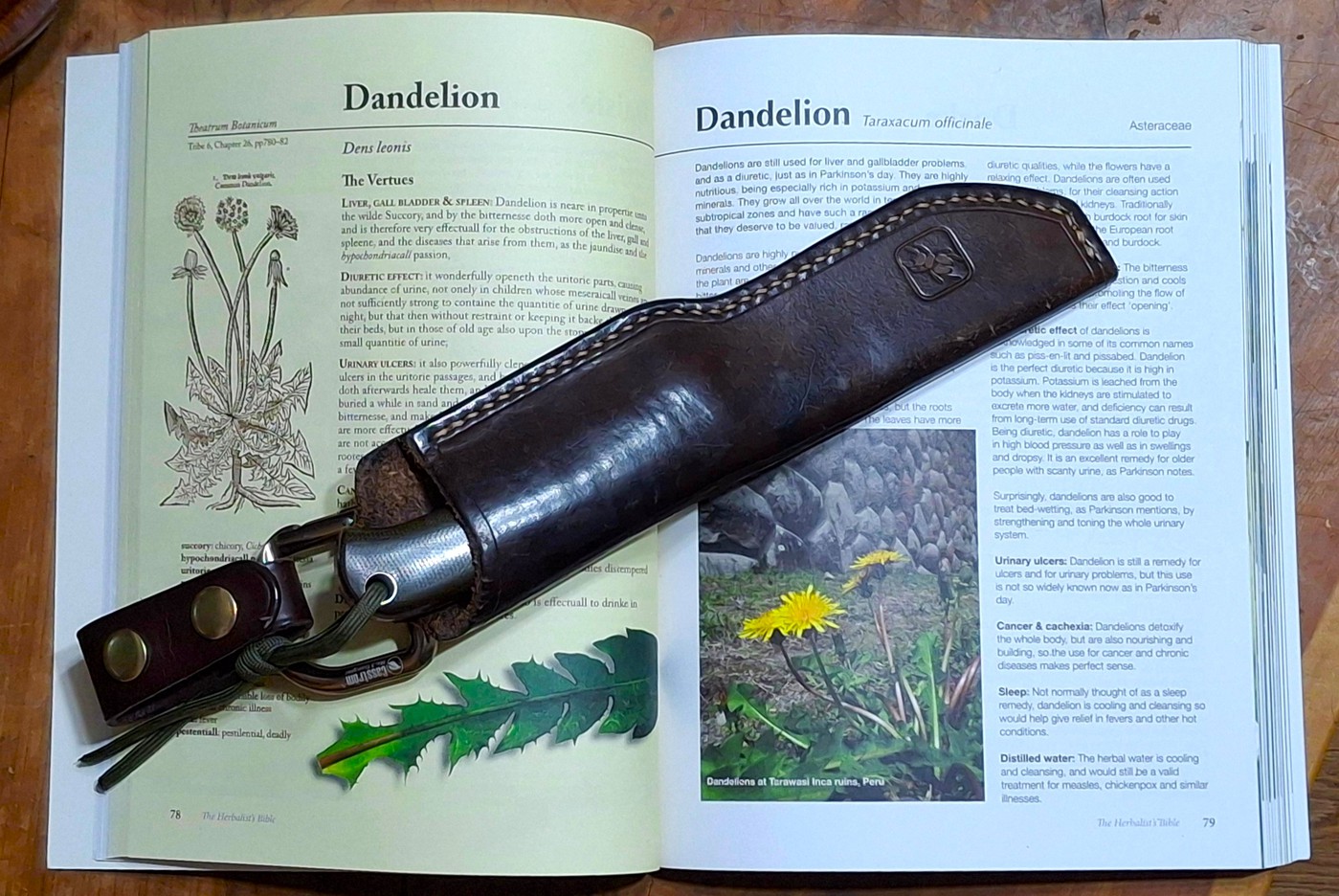
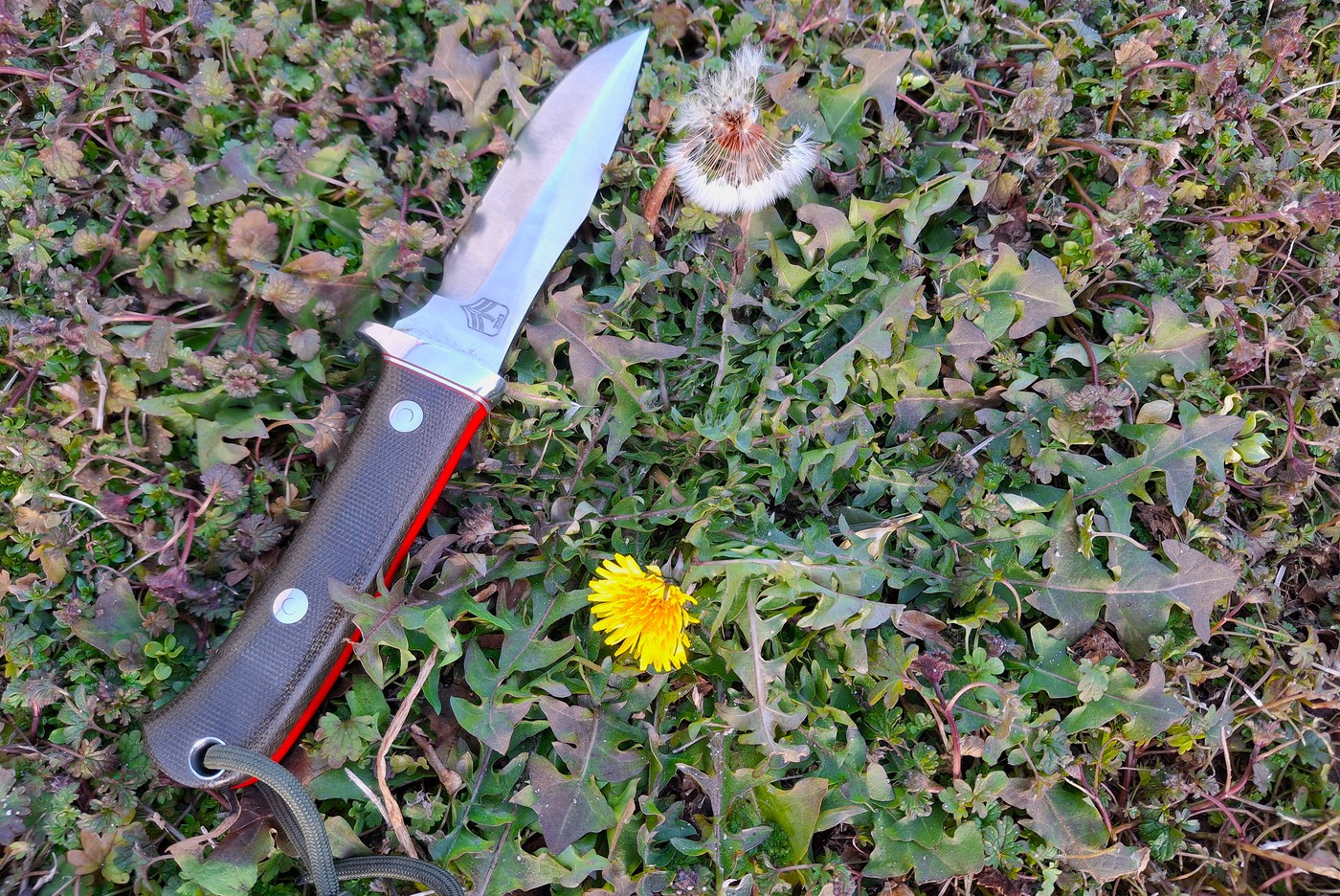
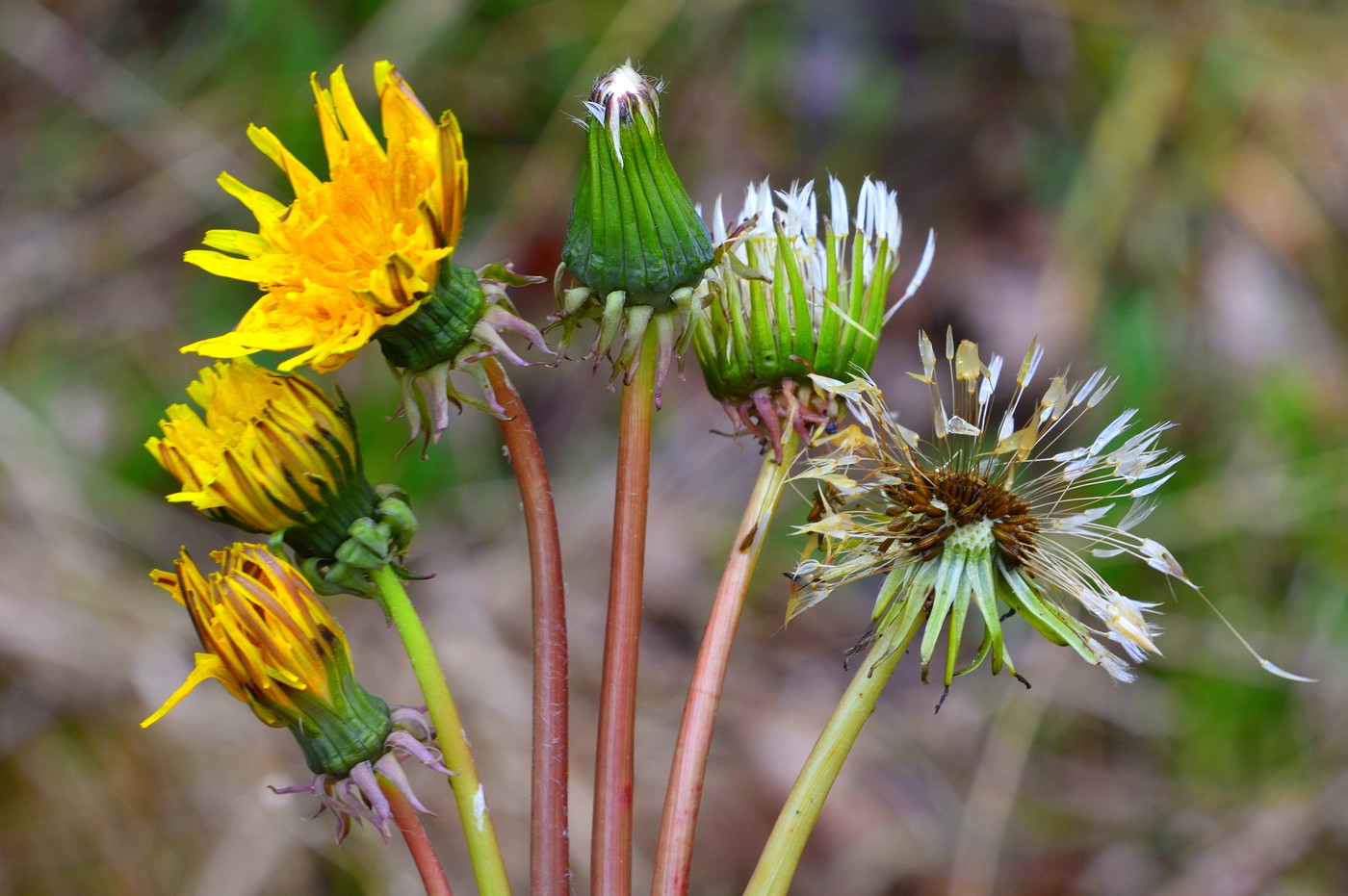
Every herb lore book I have ever read has had a section on Dandelions; as all parts of them are edible. I first learned that from the US Navy Survival manual I read in the 70s. And most do a great job at showing how to identify them in the growing season, showing the leaves and flowers, when the plants can have all stages of the flowers at once.
....
I've been gathering images for a book I'd like to publish someday, and a website I want to develop later on this year, after I buy a domain name I want for it. The point of both projects is to provide more in depth information on the plants I will write about, and the creation they exist in. With some details I haven't seen in any of the other herb lore books I have read, and written from a biblical woodsman's perspective, with verses that go along with my understanding of some of the plants as I've studied them over the last 50 years.
Don't worry, I'm not into proselytizing for several reasons, one of which is that was one of the main things that hindered my life from becoming what it is today, and I wouldn't wish that on anyone. So in this post there is only one bible verse referenced, the rest of it is just 40 images of fauna and flora, and nature in the winter, and some descriptors and tips.
I live in the mountains of a temperate rain forest, so snow is seldom an issue here, especially for long. We get more freezing rain than snow, so w're more apt to have ice coated plants more often than snow covered ones, and that's a two-edged sword. It can make it easier to find things in the winter, however it can also cause trees to not produce fruit. I remember a year right after I first started posting here, we had an ice storm and freeze so severe it prevented the oaks from producing acorns. I loved not hearing them falling on my truck at night, but I felt sorry for the deer.
We have a lot of hickory trees here, and scaley bark hickories are my favorite. To access the meats of the hickory nuts and black walnuts are the only reason I ever carry a hatchet to the woods here.
But there aren't any of these hickory nuts available this late into winter.
What these guys haven't already eaten or stored...
Look like this, because something much smaller has eaten them.
But the scaley bark that gets shed, or what pieces can be broken off without harming the tree, (probably best to be very careful and very respectful with that on strange lands where you don't know the locals and they don't know you) will add a nice smoke flavor to any meats coked over a fire. This is something I learned as a kid on a family farm with a few hundred acres of woods.
River Birch paper bark (probably best to use the same cautions and respect), and thistle wool can be very helpful for fire starting
In fact it was with these two plants that I learned to understand the the meaning behind the verse that told me; I will know them by their fruits, for indeed we do not gather grapes of thornbushes, nor figs of thistles. For one of these is poisonous, and the other would be very unpleasant to eat under any circumstances.
It was raining the day I got to watch this guy, a Red Breasted Hawk, hunting for a while. Between the falling rain and the bushes he flew behind, I couldn't focus on him flying off with his prey, but I was happy for him finally getting it.
I recently bought a book called the Herbalist's Bible, and it's okay. But honestly some of the details I teach not being in this book either, was part of what inspired the projects I'm working on.
Every herb lore book I have ever read has had a section on Dandelions; as all parts of them are edible. I first learned that from the US Navy Survival manual I read in the 70s. And most do a great job at showing how to identify them in the growing season, showing the leaves and flowers, when the plants can have all stages of the flowers at once.
....
Last edited: