Split Springs (Photo Request)

Cory Hess

Basic Member
Joined
Jul 1, 2014
Messages
2,117
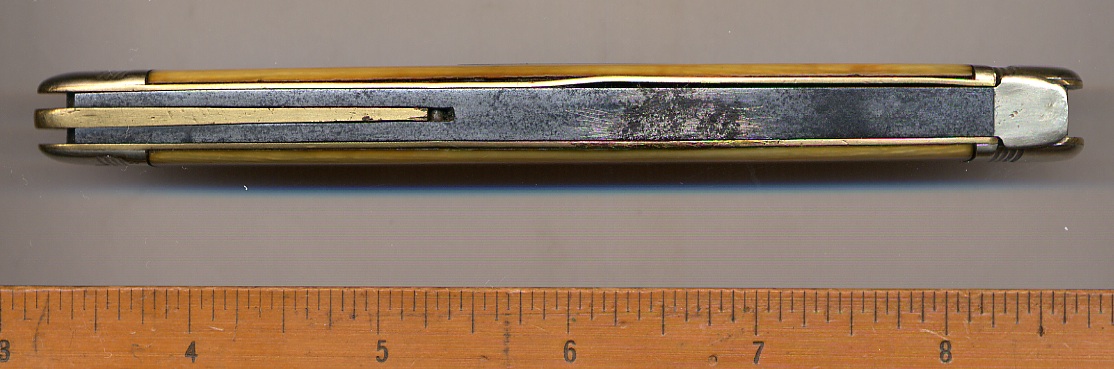
I have found an interest in split spring whittlers. Not whittlers where the main blade straddles two secondary springs, I'm talking true split springs where there is one Y shaped piece of metal. I do not yet own any, and haven't had any luck tracking one down. I know that we have to have members that have these in their collections. Can you please post pictures of your split springs with a quick description of the knife so that I know what I'm looking for?

Thanks in advance.
 
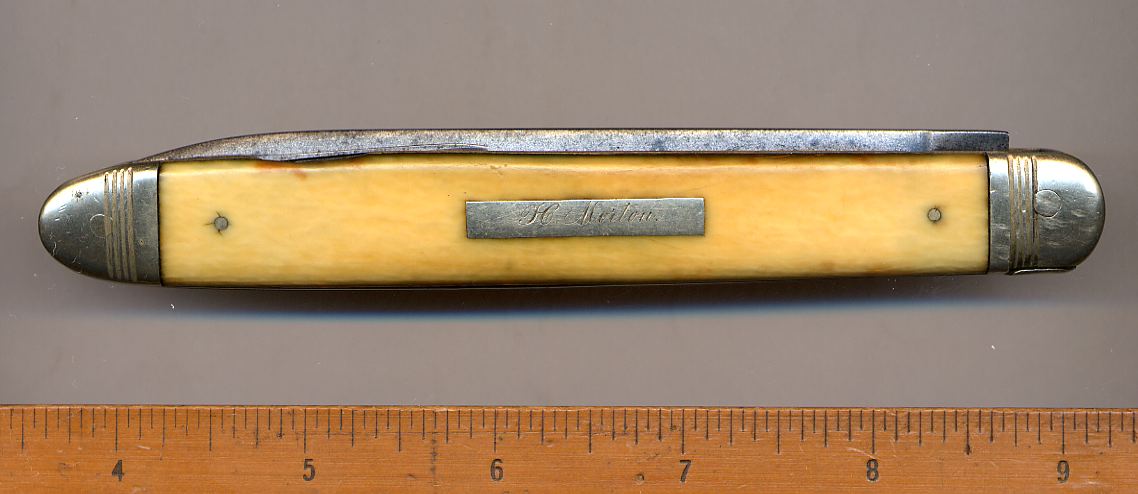
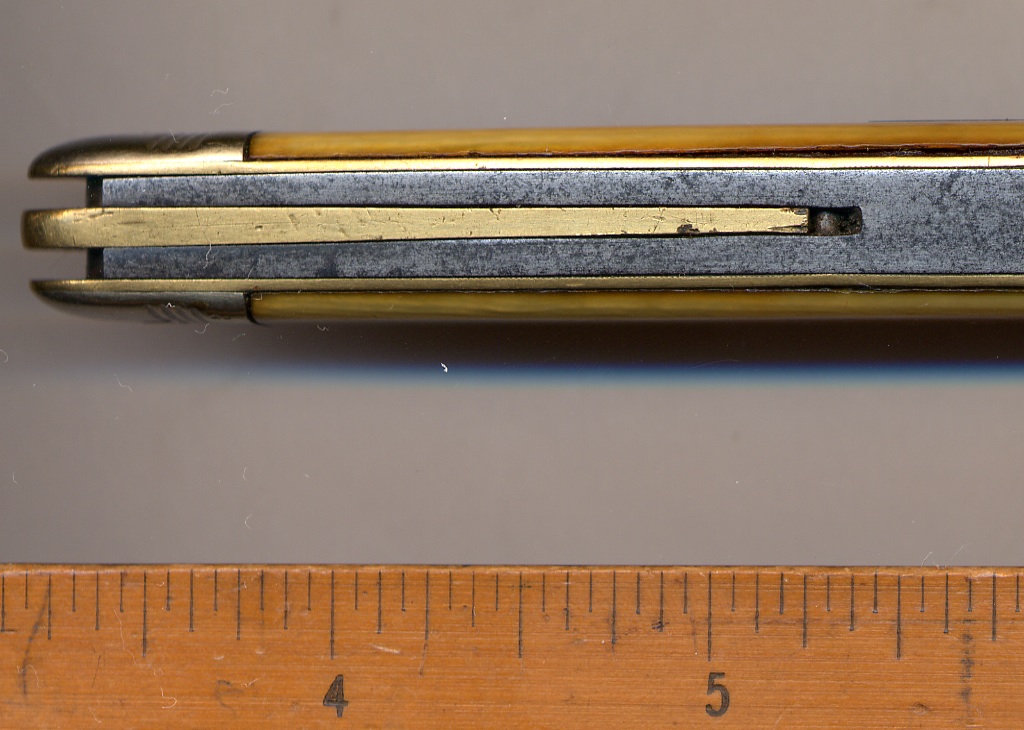
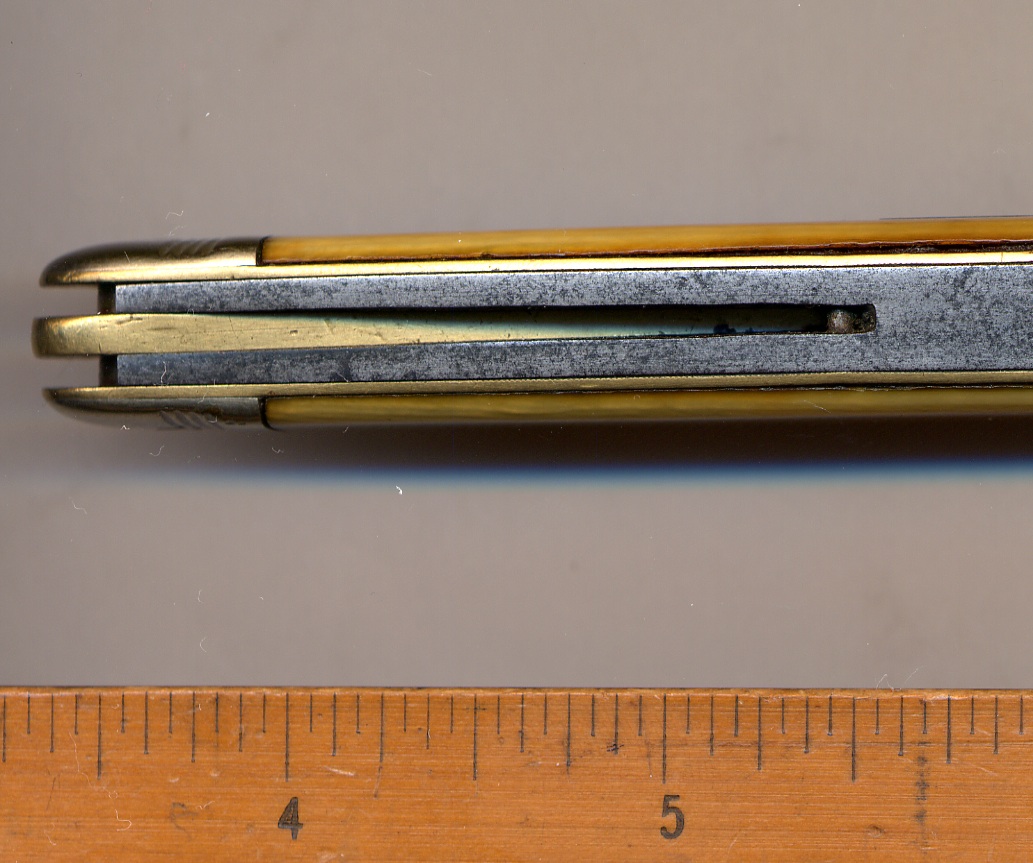
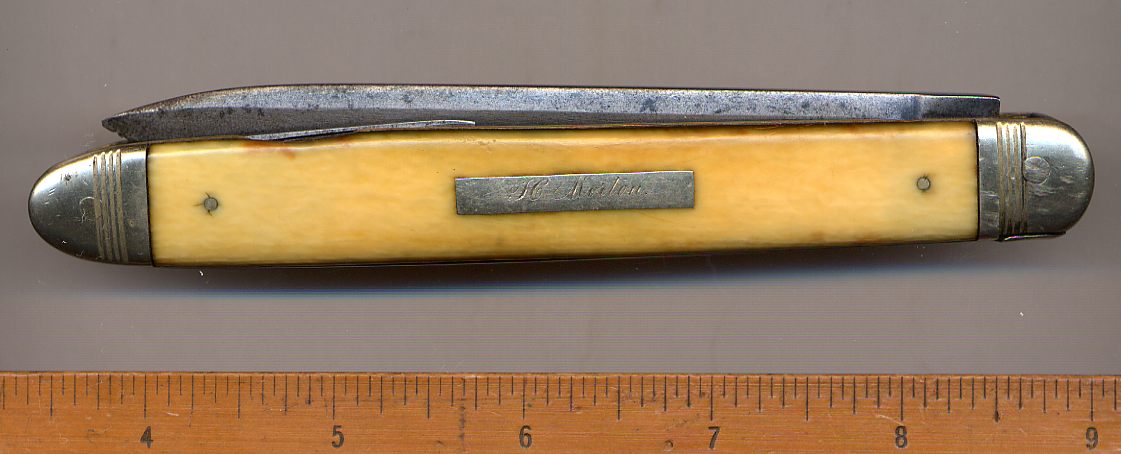
wharncliff whittler

T. Reaney
Shalesmoor

(1833-1857)


KDIH8FH.jpg


YFqtv4H.jpg
 
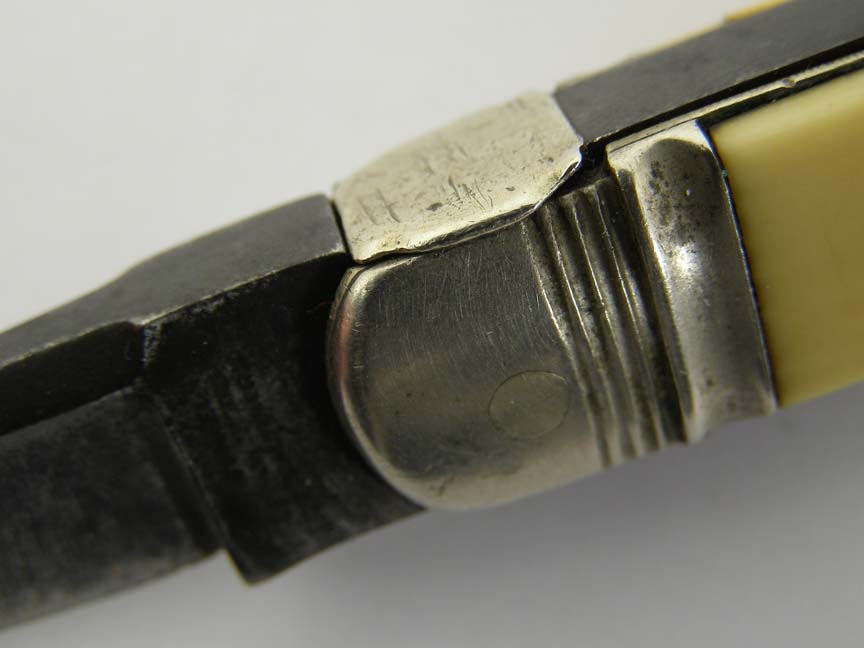
I copied this picture back in 2007. I don't know (remember) anything else about it. The bolsters are forged with the liners as a piece.
SplitBackspring_zpsawibua1q.jpg
 
Thanks for the pics, guys. All of the single spring whittlers I've seen are from the 1800's and all but one were made in Sheffield. I've been working under the assumption that this style was abandoned because of the difficulty (resulting in higher prices). Is this correct? Are there drawbacks to this style such as weakened springs or anything that would push manufacturers into the more common two springs with a wedge style?
 
So all of this begs the question: how is a split spring created? Are two springs hammer forged together? Or, Is a single spring cut halfway down the middle?
 
I'm going to guess forged together. I imagine the inside edges facing each other need to be smooth so they won't hang up on each other.
 
I have never seen that design before, thanks for the pictures! My next question would be about longevity, but I guess that is answered since those knives are well over 100!
 
I'm going to guess forged together. I imagine the inside edges facing each other need to be smooth so they won't hang up on each other.

Thanks--that would be my guess. Heat and flux on one end. BTW I like the integral bolsters on the knife in your pic. I guess they were made for knives besides Barlows, too.
 
B.Levine had something on this a few years back on his Forum. There were cutlers in France and England who actually made split-springs but they (unsurprsingly) proved far too fragile in use. So I would believe that the ones shown would be forged together. It also explains the fix of using a wedge/spacer to divide the backsprings on many Whittlers.
 
i would do differently. I would cut and then forge down the end of the cut...less heat involved and no flux trapped in between
 
Thanks for the pics, guys. All of the single spring whittlers I've seen are from the 1800's and all but one were made in Sheffield. I've been working under the assumption that this style was abandoned because of the difficulty (resulting in higher prices). Is this correct? Are there drawbacks to this style such as weakened springs or anything that would push manufacturers into the more common two springs with a wedge style?

all blades still have snap on my (only) example
 
This is the knife that originally captured my interest. Mr. Levine did a write-up on it back in 2008.

jackson-141.jpg


It's a split spring made by Samuel Jackson in Baltimore, Maryland sometime in the mid 1800's. The secondary blades are sunken, and you can see the small notch to allow access to the nail nick. The main blade has no nail nick. Instead the catch bit rotates on the end pin and you push it down from the top to rotate it up, pushing the blade up far enough for your fingers to catch it.

jackson-146.jpg


jackson-148.jpg


jackson-149.jpg


As you can see, the spring was made much differently from the Sheffield examples that we've seen so far in this thread.

jackson-145.jpg


Bernard had guessed that the damage to the spring and liners was a result of somebody trying to force open the main blade, not knowing the trick with the catch bit. This knife also has a lockback mechanism that operates with a tab behind the main blade that is pulled up to release the lock.

P1122178sm.jpg
 
Back
Top