- Joined
- Dec 2, 2005
- Messages
- 72,486
Thought you folks might like a weekend treat 

Walker & Halls Electro Work in the 1920s.

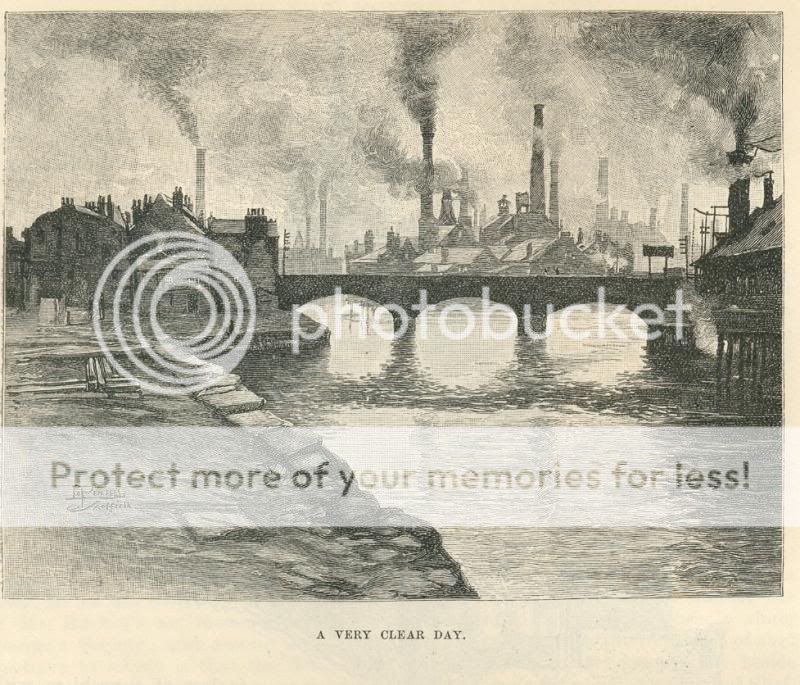
Sheffields Lower Don Valley in the 1930s.

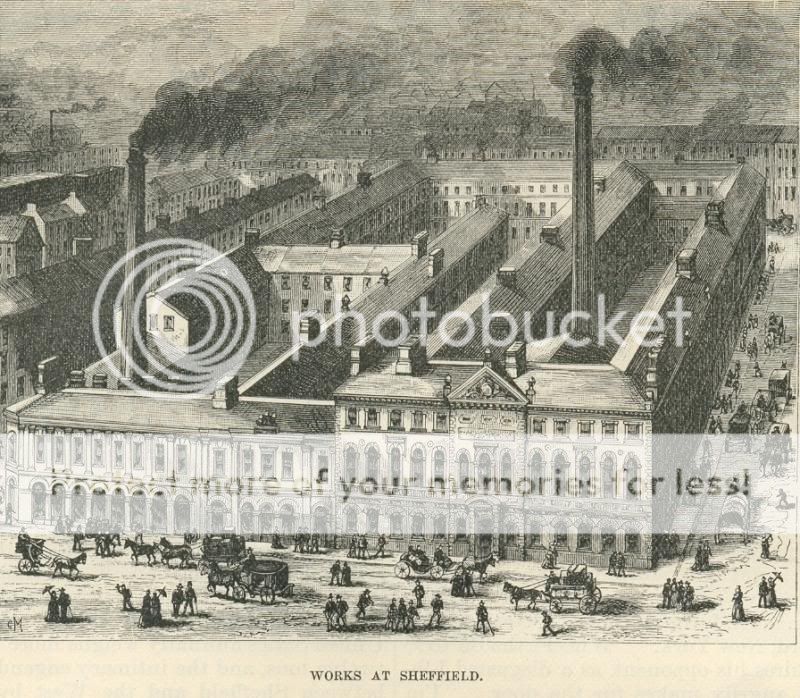
Hadfields East Hecla Works in the early 1900s.

W T Flathers steelworkds in the 1930s, showing the close proximity of workplace and home for many Sheffield workers.

Workers at the end of a shift in the heart of industrial Brightside.

Bar rolling (inset) and hammer forging.

Crucible melting team.

Teeming crucible steel in the early 1900s.

Crucible Teeming at Cammell Lairds Work during WW1.

Rolling a locomotive axle at Camell Lairds Works during WW1.

Producing Bessemer steel at Camell Lairds during WW1.

A team working a steam hammer at English Steels River Don Works in the 1940s.

Pattern Shop workers at Vickers Sons & Maxim Ltd, early 1900s.

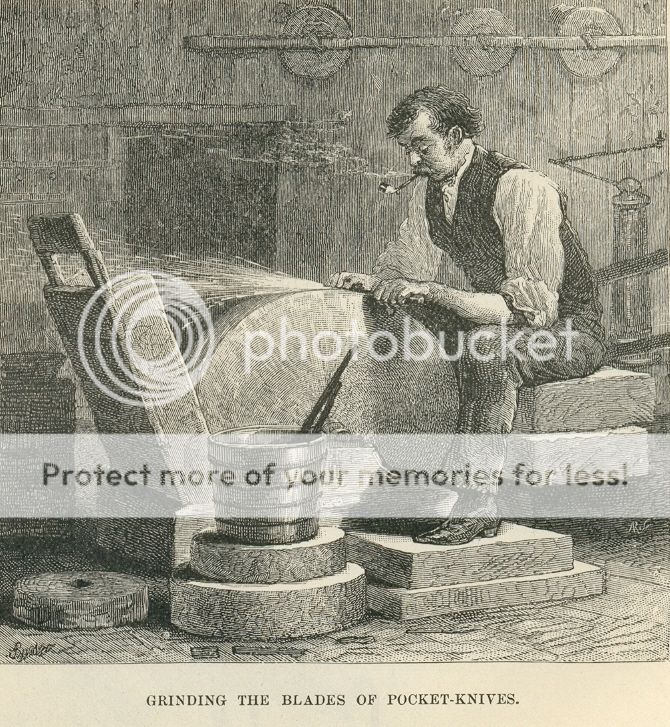
Old Sheffield grinders.

Buffer Girls.

John Thomas Ridge, Gimlet Maker, 1950s.

Jack Stedman, File Cutter at Brown Brothers, 1950s.

Scissor Maker in the early 1900s.

Women Munitions Workers at Firth Brown during WW1.

A Sheffield schoolboy admires the famous Norfolk Knife made by Joseph Rodgers & Sons for the Great Exhibition in 1851.

Walker & Halls Electro Work in the 1920s.

Sheffields Lower Don Valley in the 1930s.

Hadfields East Hecla Works in the early 1900s.

W T Flathers steelworkds in the 1930s, showing the close proximity of workplace and home for many Sheffield workers.

Workers at the end of a shift in the heart of industrial Brightside.

Bar rolling (inset) and hammer forging.

Crucible melting team.

Teeming crucible steel in the early 1900s.

Crucible Teeming at Cammell Lairds Work during WW1.

Rolling a locomotive axle at Camell Lairds Works during WW1.

Producing Bessemer steel at Camell Lairds during WW1.

A team working a steam hammer at English Steels River Don Works in the 1940s.

Pattern Shop workers at Vickers Sons & Maxim Ltd, early 1900s.

Old Sheffield grinders.

Buffer Girls.

John Thomas Ridge, Gimlet Maker, 1950s.

Jack Stedman, File Cutter at Brown Brothers, 1950s.

Scissor Maker in the early 1900s.

Women Munitions Workers at Firth Brown during WW1.

A Sheffield schoolboy admires the famous Norfolk Knife made by Joseph Rodgers & Sons for the Great Exhibition in 1851.