**Updated w/ Results** Filing Down Protruding Scale Pins

Joined
Jan 4, 2009
Messages
885
*** Result pictures in post #11***

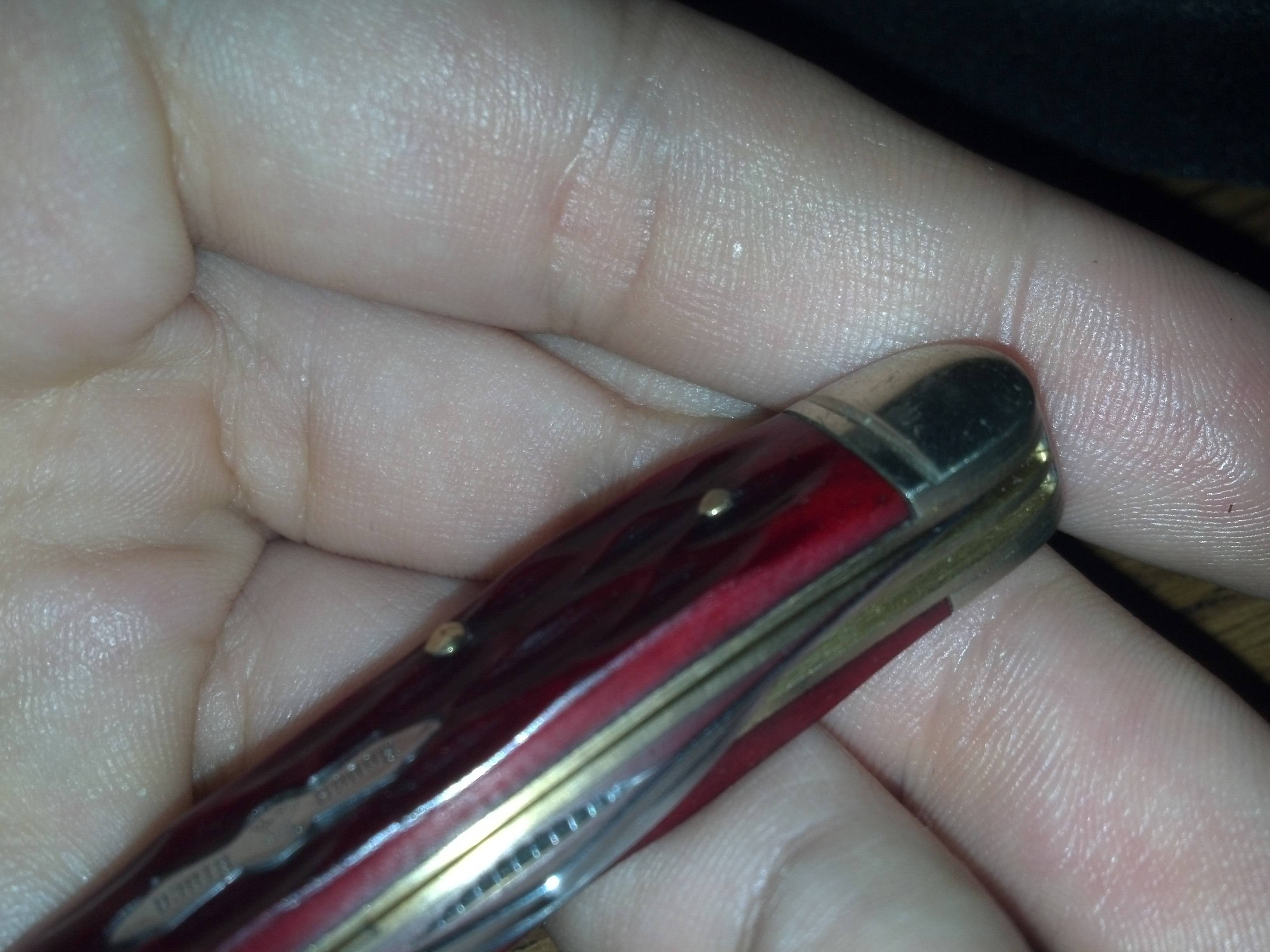
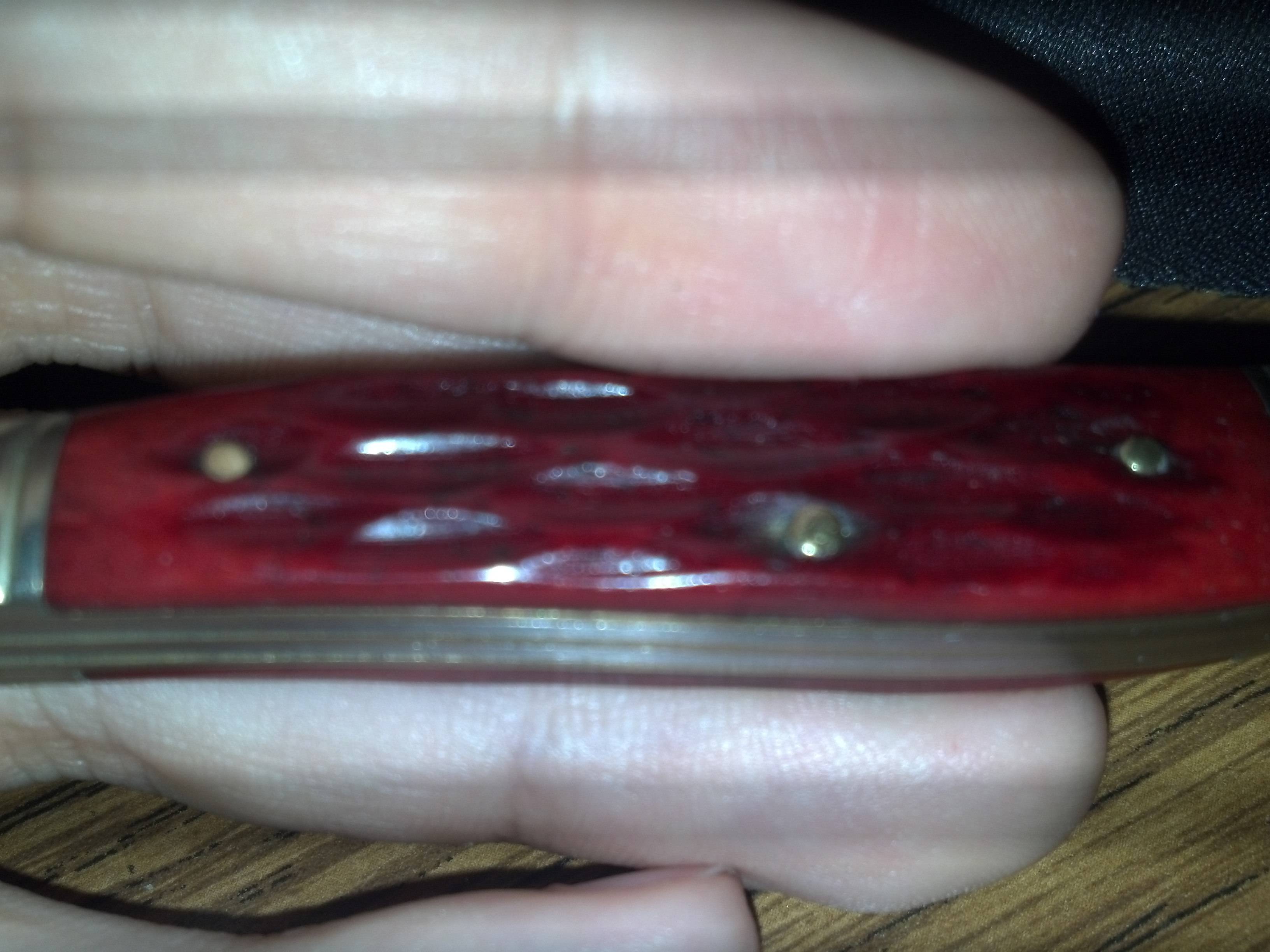
So besides my Case Mini Copperhead, I also ordered a little cheapy RR Peanut to play with. Some of the pins on the Peanut are protruding, on in particular because it's pinned at an angle, and I wanted to try and knock them down to be a bit more flush (especially the angled one as it catches). I did a search on the forums / google but couldn't find anything useful. Any ideas as far as methods / tools to use?

(And yes, I will post before and after pictures if I get it done :P )
 
Last edited:
If you have a Sharpmaker, one of the rods will take care of this problem.

A worse situation, in my view, is very recessed hollow pins as often found on GECs. Queen Cutlery usually does the best job with pins I've found.

Thanks, Will
 
A small file, I use a jeweler's file. Most files cut on the push stroke, so push, lift, return to the pin and push again.

You can also use a dremel, either grind them down or use a polishing wheel with some rouge and polish it down.

With a dremel go real slow, let the tool do the work. I think more people tend to ruin things with dremels than fix them, but they do work if you take it slow and build some skills.

Sounds like a great knife to practice on
 
Before suggesting any fix, I would have to know which pins, and what handle material you are referring to. Pivot pin, handle pin, backspring pin - they each have different recommendations.
 
Before suggesting any fix, I would have to know which pins, and what handle material you are referring to. Pivot pin, handle pin, backspring pin - they each have different recommendations.

- The backspring pins are protruding do to the nature of the rounded heads and their not being counter-sunk.
- One of the backend scale pins is the bent one and the one I most want to take care of.
- The front set of scale pins are 95% perfect so I wouldn't bother with these at all.

If you have a Sharpmaker, one of the rods will take care of this problem.

I don't have a dremel but I do have a Sharpmaker (yay!), would finishing it with the ceramic rod leave it with a polished (or near polished finish?)

Sounds like a great knife to practice on

Haha, yeah. Irony: I've had seizures ever since I had gotten my license a few years back and have been restricted from driving due to state laws. I finally have a clean bill of health and got my license back earlier this year which coincided with my mother getting a new used car so I took her old '97 Sable. Fast forward 10 days later and the passenger mirror got taken off due to a fluke (not really anyone's fault). Being as it were an old car, I took the home project method and bought a used + painted it myself, $55 all said and done and looked pretty damn good. Sad part is, 3 days later someone tried cutting in front of me and bumped/scraped my newly replaced mirror (100% their fault). Womp Womp...
 
Last edited:
As far as I remember, yes. But it depends on the brass, the brown rod may be enough.
 
As long as one of the rods that comes with the base set is enough, that's good enough for me :P Any tips as to how to approach this as far as technique?
 
By backspring pin do you mean the center pin that goes through the spring? From the way you describe those pins it sounds like they're spun and not peened. If you file them down too much they'll loose their "grip" on the covers and your knife will be ruined. You could maybe just smooth them over a bit but that's about all I'd do. The backend scale (they're covers or handles, scales are the liners) pins sounds like you're talking about the cover pins. Those are usually countersunk so you could have at them with no problem.

Eric
 
After reading the responses I got a bit antsy and jumped right into the filing and neglected to take before pictures.

Here is the picture of the back end pin which was at an angle - very happy with how this one came out. Scuffed the bolster a tiny bit but I'm fine with it.
ebdqJLI.jpg


And here is the backspring pin which was protruding further than I'd like. Due to the jigging you can still catch your finger on the pin if you're sliding your finger along it kind of hard but I'm satisfied with it.
bLebN4x.jpg
 
Looks good. I had a Case Swayback Jack that you could catch your finger on the backspring pin a little. Also, the shield sat a little high, which I don't mind, but the edge was kind of sharp. I used a jeweler's rubber wheel on it and it worked very well. They are little rubber discs you use with a dremmel type tool. The nice thing about them is you can get very, very fine grit wheels, so I wasn't worried about removing too much metal, just wanting to smooth out the edges.
 
Back
Top