great work! That is how a slicer should look. Do you mind sharing your grinding process/hints? I've really wanted to do this to a knife of mine but have been afraid of overheating etc..
First, use the most powerful sander with the longest belts you can get your hands on. Professional knifemakers use a 1-2 horsepower 2"x72" sander (that for some reason usually go for about $2000). I find a 1/4 horsepower motor way too easy to stall (even though that's what I used for nearly five years), if you can find something with 1 or 3/4 horsepower that should be good. Also pay attention to the platen, my sander right now is made for shaping 2x4's and the frame around the platen gets in the way when grinding the edge near the tang (finger guards on fixed blades hit the side of the grinder). It shouldn't be too hard to find a decent grinder for under $200.
Change belts often, the fresher the grit the cooler it grinds.
Once you're grinding, I find that I dip the blade after about four seconds on the grinder. With a wet blade you can see the water boil off and sort of gauge how hot things are. If you do go too far you will start to turn the steel brown, a little brown shouldn't kill the knife, but if you get any blue, that's the trouble zone. And if you see anything glowing you know it's toast (the steel at that spot will have gone soft), grind off that part of the edge and re-shape the blade accordingly.
Ideally you want to keep the blade under 500F (260C), but going up to 700F shouldn't hurt too much. The real damage happens above 1100F where more significant structural changes happen.
I found a few temperature color charts, unfortunately things are going to be different for every steel, but at least we have a basic guideline.
(stainless steel)
http://www.bssa.org.uk/topics.php?article=140
(carbon steel)
http://www.smex.net.au/Reference/SteelColours.htm
You killed a Boa AND an Offset too?

Actually I made the Boa "better", it cuts really nicely. The Offset is the only grinding job I've botched up.

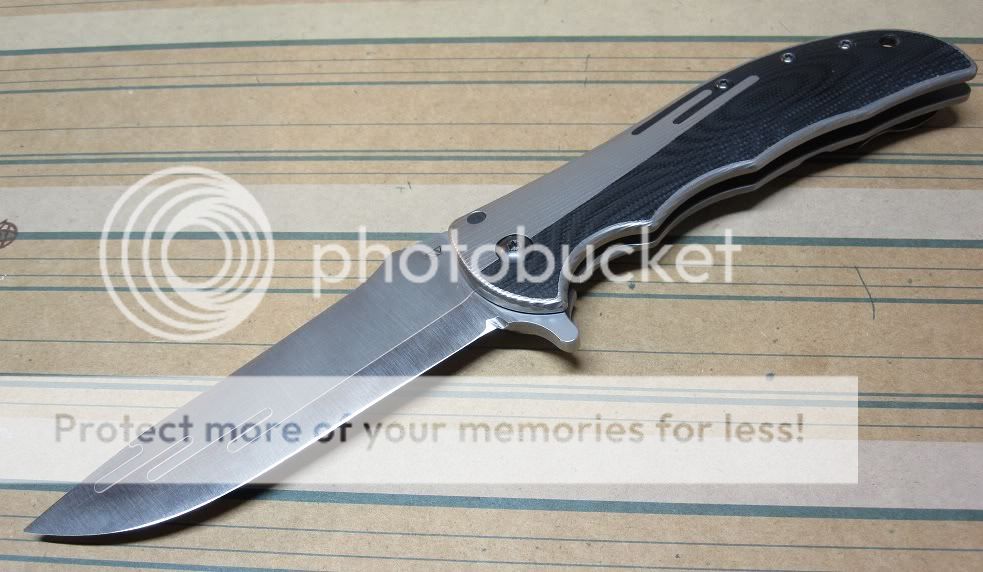
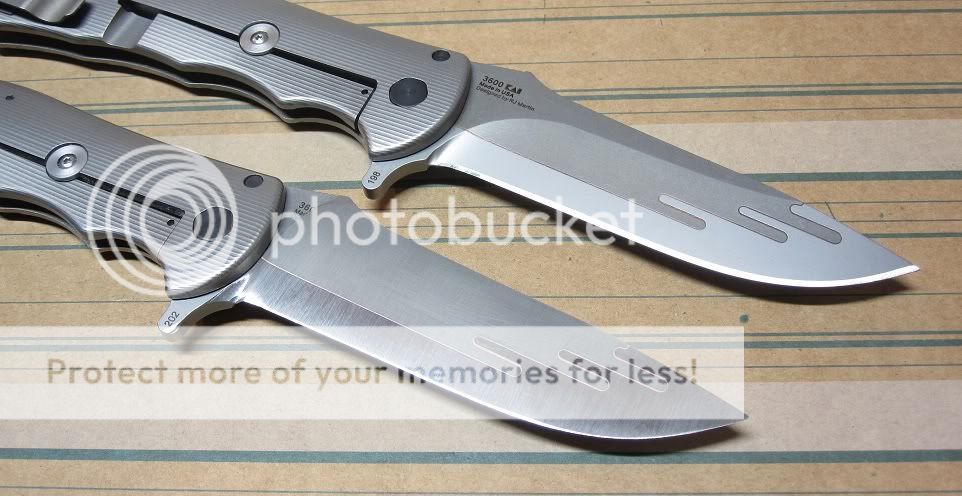
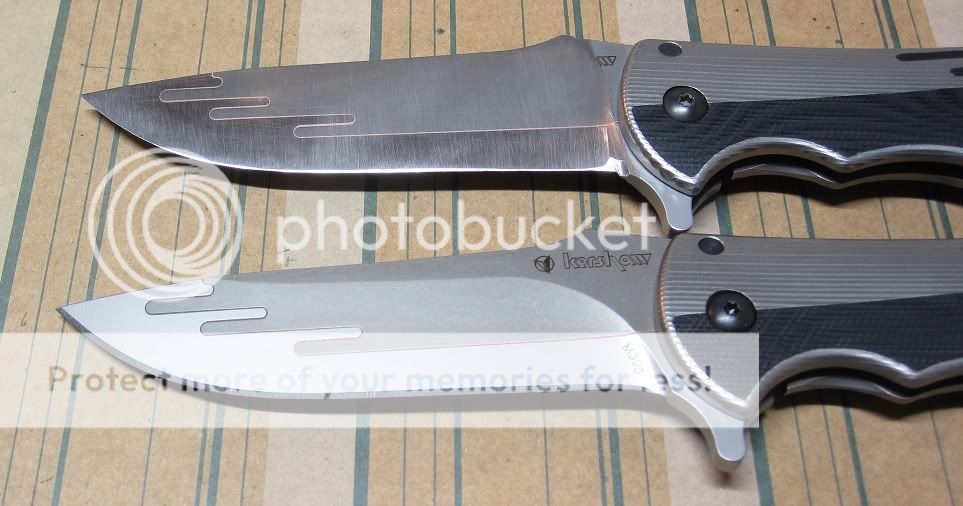
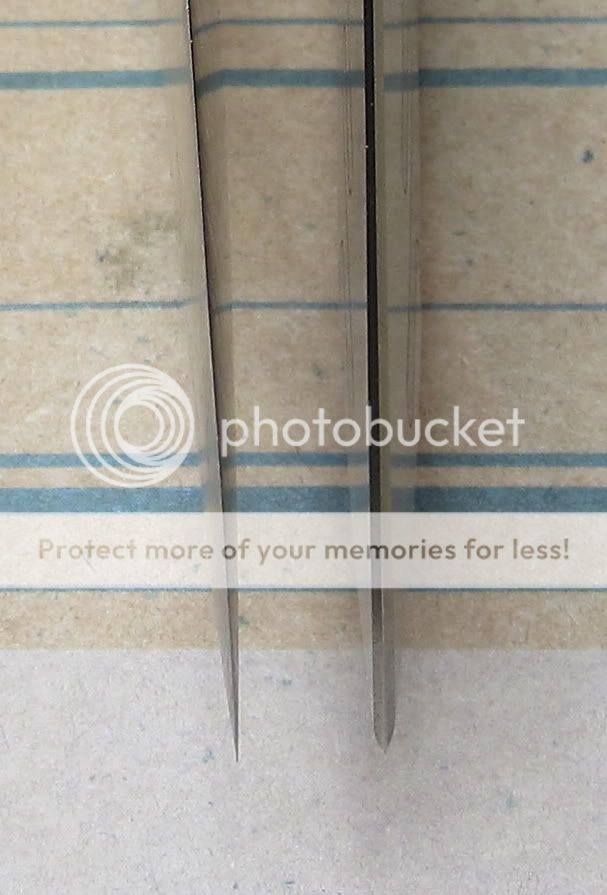
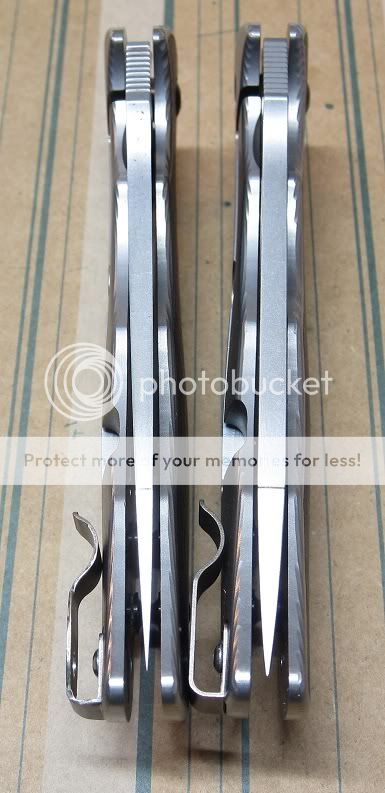


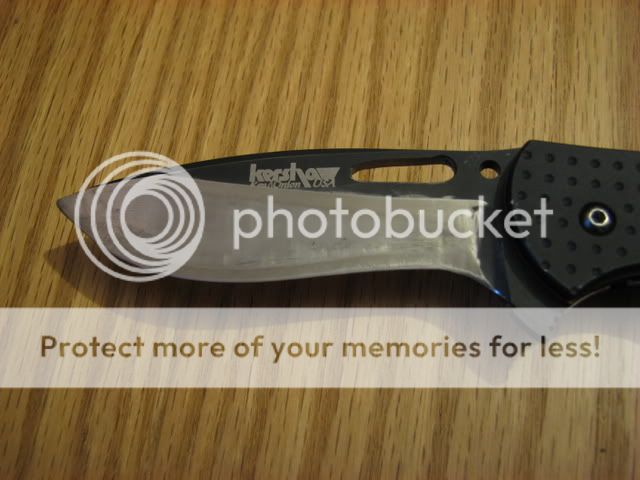
 :foot:


