Wabi Sabi and its application to vintage traditional folding knives

Joined
Aug 10, 2013
Messages
8,038
Wabi Sabi. 侘寂 Anyone here ever heard of it?

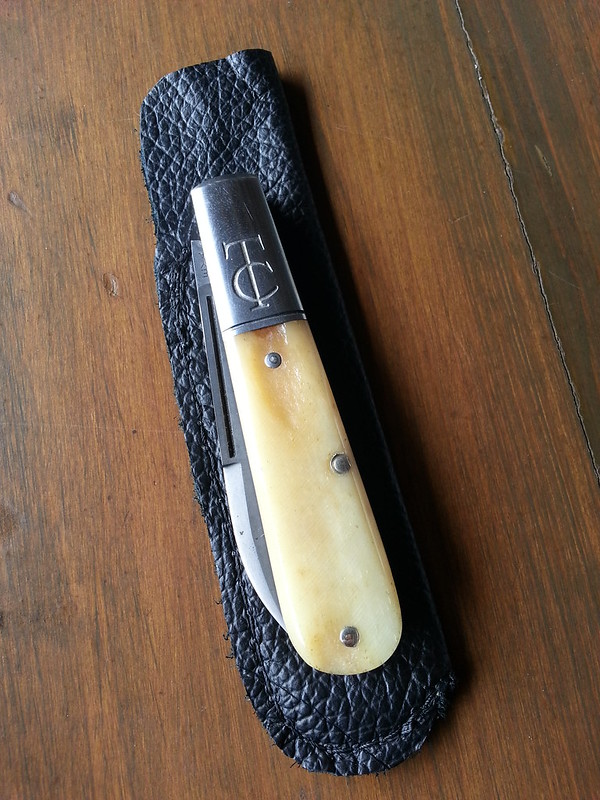
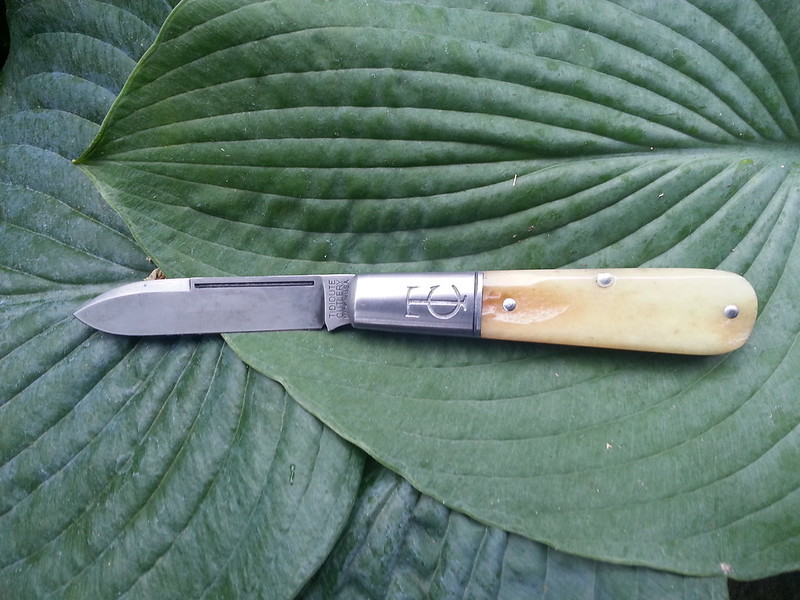
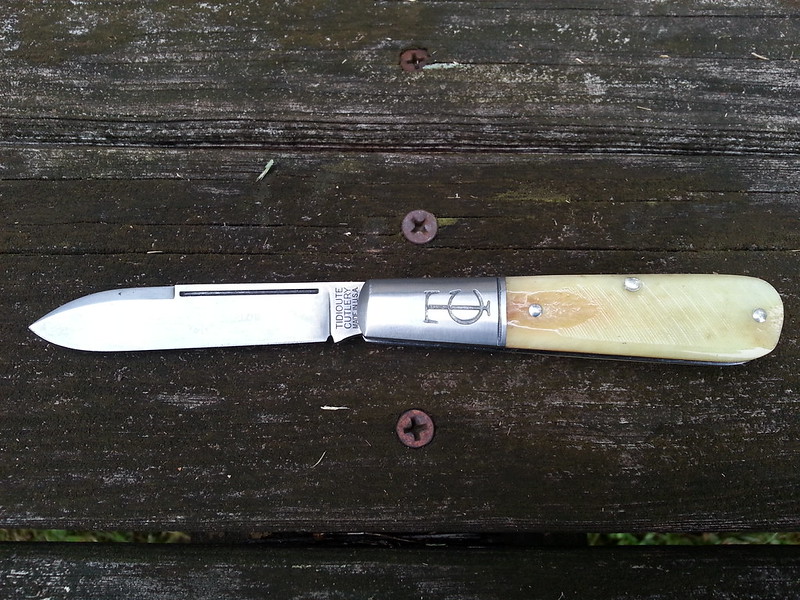
The Japanese aesthetic concept of wabi sabi, and its acceptance of the inherent beauty in imperfection, captures well the well used but cared for traditional folders you guys seem to find in various and sundry places. Perusing the English Jack Knife Extravaganza thread immediately brought to mind wabi sabi. Wabi sabi is why I lean toward such beauty.

Wabi sabi. Look it up and see how it applies to vintage traditional folding knives and their wear, care, presentation, and use.
 
Last edited by a moderator:
I always thought of Wabi Sabi as the concept of beauty of imprefection in nature, in art, a potter trying to copy the feeling of a drought cracked earth in his/her pottery. Some of the work of Grace Horne reminds me of Wabi Sabi. Interesting thought.

Best regards

Robin

10136808335_8217939a42.jpg
[/url][/IMG]
 
Last edited:
What great art! What is that handle made of Robin? Do you know?

Is it really (does it have?) Wabi Sabi?
 
Charlie, I think that handle is made of fabric. Grace Horne does a lot of cloth-handled knives. She's big on tweed. :D
 
Hi Charlie
I love some of Grace Hornes work but in my vague understanding of Wabi Sabi it's a stretch imo. In some ways it fits (Knife collecting) The appreciation of a knarly piece of stag as art, the crazing in a piece of bark Mammouth ivory. I have always thought of Wabi Sabi as an artists work based on the "imperfection"s found in nature. I honestly think that you have to be Japanese :D I just googled Wabi Sabi, the images were not what I have always considered to be Wabi Sabi. But here are some Grace Horne images. The latest Blade mag has a Grace knife with an iron handle that is as close as it gets to my idea of wabi sabi in knives. http://ca.images.search.yahoo.com/s...ges&fr=slv1-msgr&ei=utf-8&n=30&x=wrt&y=Search

Best regards

Robin
 
Hi Charlie
I love some of Grace Hornes work but in my vague understanding of Wabi Sabi it's a stretch imo. In some ways it fits (Knife collecting) The appreciation of a knarly piece of stag as art, the crazing in a piece of bark Mammouth ivory. I have always thought of Wabi Sabi as an artists work based on the "imperfection"s found in nature. I honestly think that you have to be Japanese :D I just googled Wabi Sabi, the images were not what I have always considered to be Wabi Sabi. But here are some Grace Horne images. The latest Blade mag has a Grace knife with an iron handle that is as close as it gets to my idea of wabi sabi in knives.


Wabi sabi need not be intended by a designer. Like I said, there are knives in the English Jack Extravaganza thread that ooze wabi sabi but were never intended to.
 
To me I think it is more akin to kintsugi - which is often interpreted as when something has suffered damage, and has a history, it becomes more beautiful. You see that in broken pottery repaired with gold lacquer, just as you do with an historic knife, cleaned up and re-used. Less about the transience of natural things and more about the history of made things.
 
I just reread the wikipedia article on it, and this fine quote presented itself:

"Wabi now connotes rustic simplicity, freshness or quietness, and can be applied to both natural and human-made objects, or understated elegance. It can also refer to quirks and anomalies arising from the process of construction, which add uniqueness and elegance to the object. Sabi is beauty or serenity that comes with age, when the life of the object and its impermanence are evidenced in its patina and wear, or in any visible repairs."

western_barlow.jpg~original


Though an argument could be made for 'rustic simplicity', I suppose most of our ratty old knives show more "sabi" than "wabi"...

--Mark
 
Though an argument could be made for 'rustic simplicity', I suppose most of our ratty old knives show more "sabi" than "wabi"...

But some of the vintage beauties I've seen in this forum truly exude wabi sabi.
 
Hmm - that wiki provided description is different than how I've come to understand the term, but it certainly works. It almost seems like wabi sabi has taken on those elements of kintsugi
 
If this is now the way Wabi Sabi has been adopted then I agree fully with old knives with patina and wear fitting the bill. Are old cupboards, baskets, hand planes and other tools also considered Wabi Sabi? My introduction to Wabi Sabi was through a group of artists whos focus was the beauty of certain "imperfections" found in nature. I adopted that way of thinking but reading here and the net it seems like the concept has widened and grown. Think I'll go and fondle my Wabi Sabi knives:D

Best regards

Robin
 
Japanese would ornately repair pottery in an exaggerated way --- an example of wabi sabi. The original piece was not, but the repaired piece is.
 
No, that's kintsugi. But I guess you could loosely use wabi sabi to describe the effect that has...

Sang-Bleu_kintsugi.jpg
 
Last edited:
In my limited understanding wabi sabi, among all the other things, represents objects of beauty that do not aspire to be 'art' or beautiful. Beauty through a sort of modesty. Just as the Japanese see beauty and honour in sadness. Unlike us westerners who always aspire to happiness...
 
Modified the title with words from the opening post so as clarify the topic. Otherwise this gets put on the <what's new> page with the result that we get odd posts.
 
Back
Top