
Hi there,
This very same afternoon I started a thread about my first try at knife making. It was a beefy scandi with blue micarta handles. It is almost done, just needs some sharpening (waiting for a 10" DMT).
This weekend after finishing the handle of that scandi knife I had enough time to start a new proyect. This thread is about this new proyect.
SHAPING THE BLADES
After thinking it for a while I decided that making a single knife from a 250 x 63 x 5mm leaf spring was a waste of good steel. I decided to craft two blades out of the same piece of metal.
I don't have a band saw and cutting it with the angle grinder was going to be a waste of steel as well, so I did it by hand.
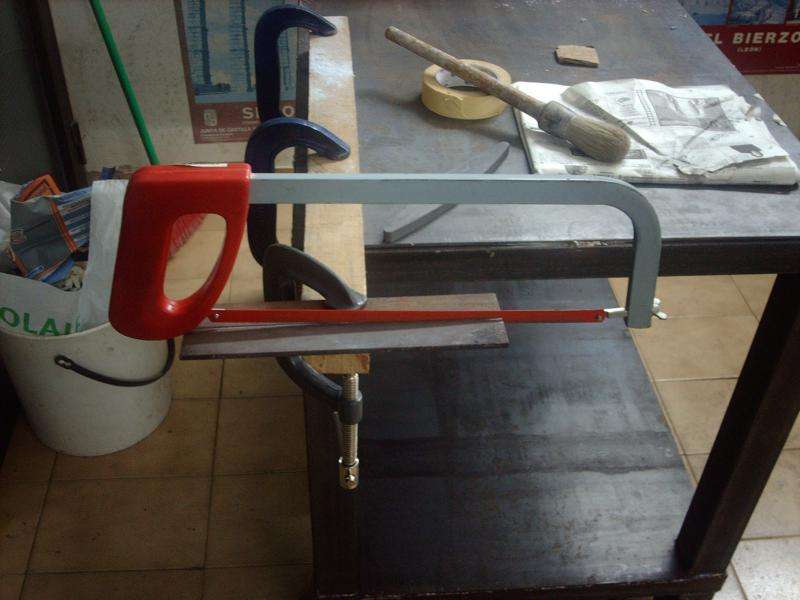
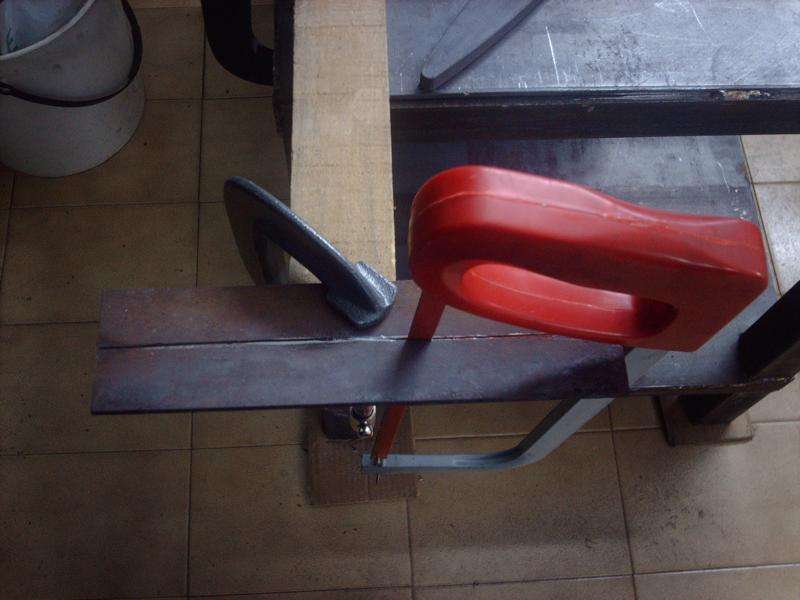
PICTURE 1 AND 2: Cutting the 5mm thick leaf spring.
I started cutting from both ends because the blade of the saw is only 30mm. It took a while but to my surprise I didn't even dulled the edge of the saw. I had bought like 10 more of them just in case.
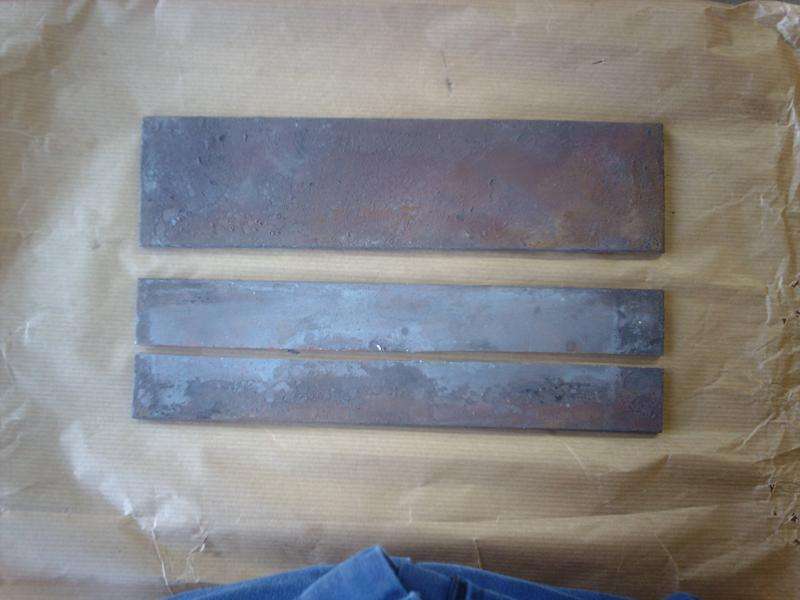
PICTURE 3: Cut pieces.
I screwed up the alignment for 0,5mm... not too bad. And took me like 30 minutes or so.
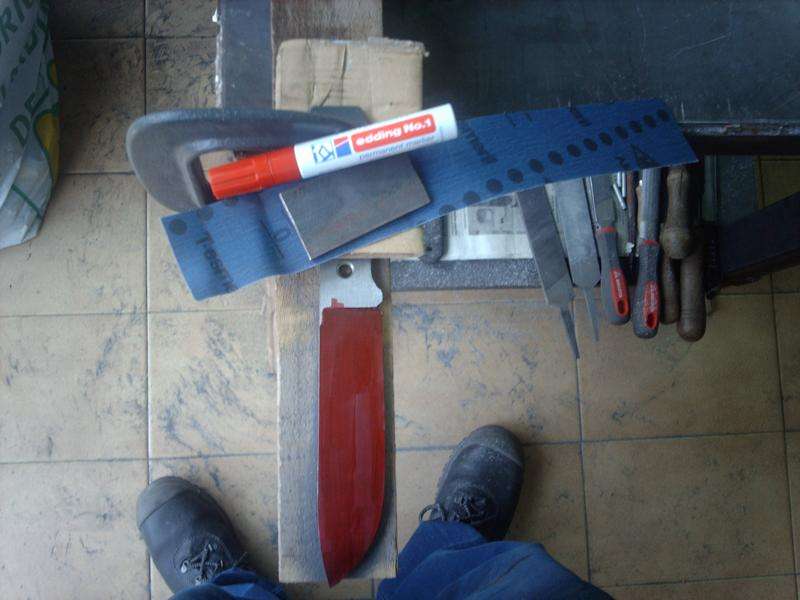
I wanted them to be twins so I had to shape both blades at the same time. No rocket science here. Three nails driven into the wood and some vice clamps did the trick nicely.
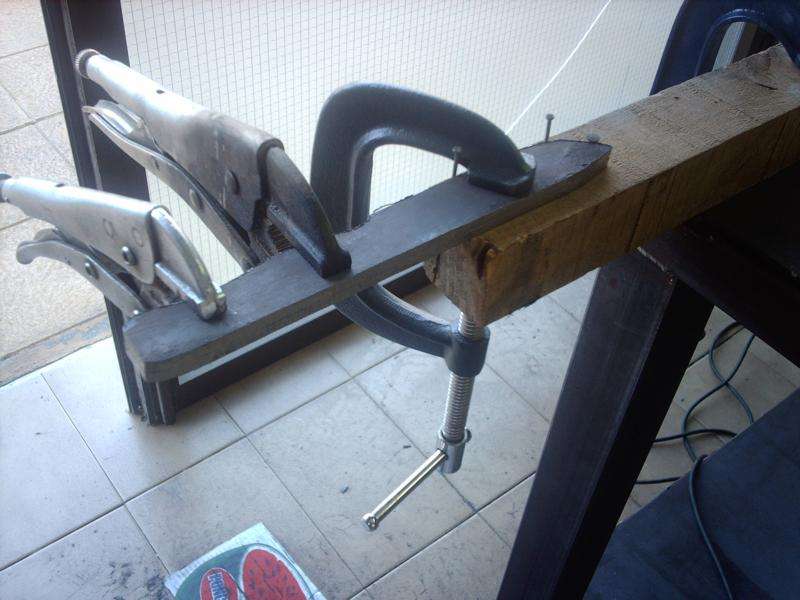
PICTURE 4: Shaping the blades.
I thought about drilling the handle and use the holes for aligning the blades but I wasn't sure about the finished size of it and I wanted the wholes to be perfectly centered.
DRILLING AND SKELETONIZING THE HANDLES
The first knife I made was heavy... veeeeeeeeery heavy to tell the truth. I wanted this one to be lighter. I was planning on flat grinding the blades and a heavy handle would throw the whole knife out of balance. So I said: if BRKT can skeletonize his handles, so do I!
I don't have any pictures of the process but I can talk you through. I started center punching 10mm spaced holes in the tang. Then I drilled with cobalt 3 mm holes in the drill press (hand drill fitted with a Wolfcraft support, not a full blown drill press... I can only wish!). Then I used a 6mm cheaper HSS drill bit to enlarge them. Finally I ended up using 8mm HSS drill bit.
WARNING: 8mm drill bit + 5mm thick steel + 700W drill = trouble. Out of five holes, the drill bit catched on four of them. I had it clamped down but the drill stoped after lifting the blade a little bit (just like a screw). Gloves and googles recommended. A full blown drill press with an industrial strenght vise surely helps.
Once I had it all drilled out I tried to use my jigsaw with a metal blade to cut in between the holes but it didn't work out. I couldn't fit the hacksaw either so I had to use once again the angle grinder. The disk diameter didn't allow me to go in deep without screwing up the edges so I did the best I could. Once I have room for working with files, I did so.
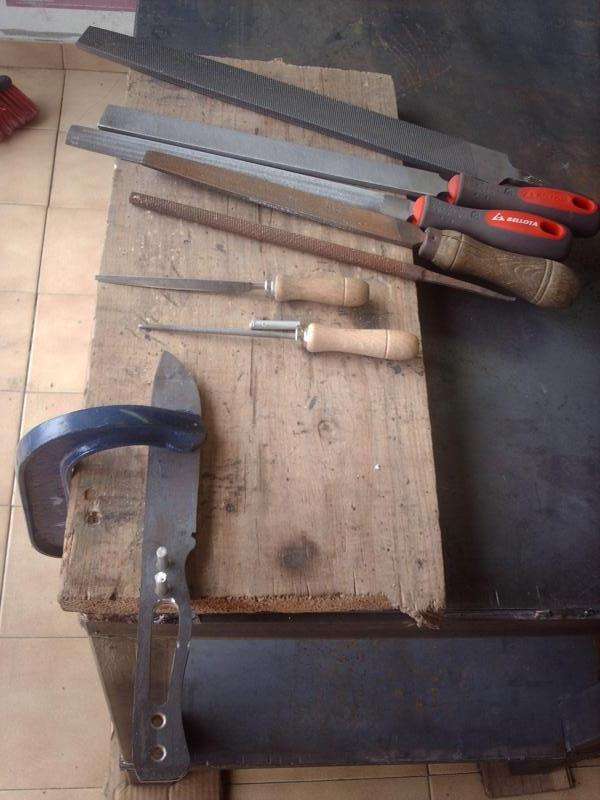
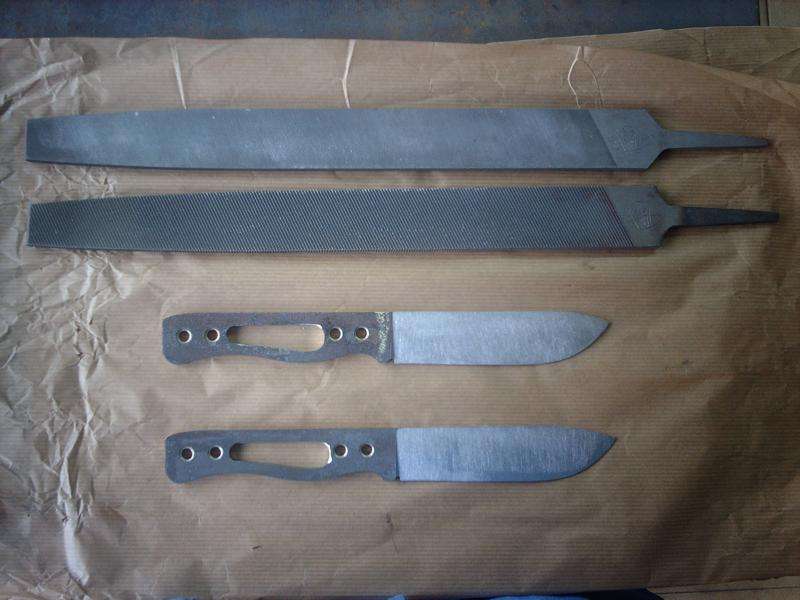
PICTURE 5: Skeletonized handles. Both blades in the picture with trying aluminum pins for alignment. Shortage of files used in the process.
I worked the blades like 95% on each own and then matted them to work the remaining 5%. I wanted them to be perfect twins!
WORKING THE BEVELS
When I did my scandi i thought I could use that very same rig to do full flat grinds. It works great but needs a lot of tweaking untill you get the angle right. I will show you how I did it.
I also posted this very same How To thread on a spanish cutlery forum so I am using the same drawings (some spanish words in the pictures).
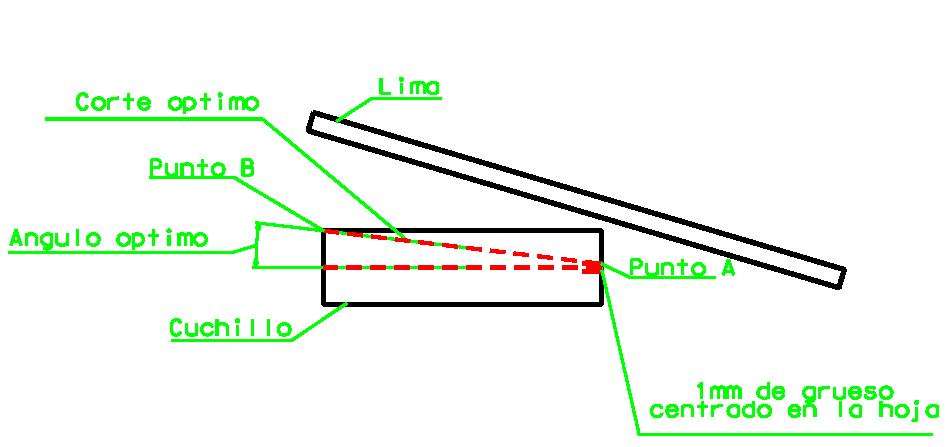
PICTURE 6: Desired angle (angulo optimo), desired cut line (corte óptimo), file (lima), knife (cuchillo), 1mm centered edge (1mm de grueso centrado en la hoja), point A and B (duh...).
Before you start grinding anthing, blacken the edge of the blade with a sharpie or whatever and draw two paralel lines evenly spaced so they define the center of the blade with 1mm thicknes or so. To do it you can lay the blade flat on a table, a 3mm drill bit on the table as well and scratch it all along the edge. Flip the blade and do it on the other side. You will end up with two lines on the edge of the blade evenly spaced.
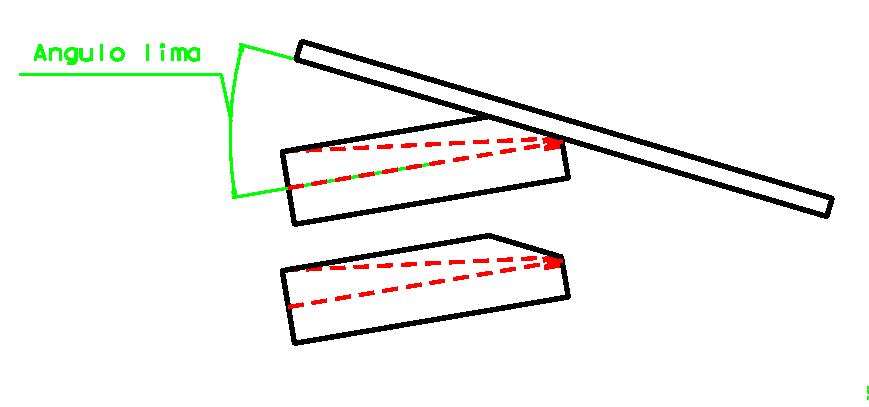
PICTURE 7: First step
First cut a bevel like you do to make a scandi. Make sure you stop when you reach Point A. I use the angle grinder a lot. I grind, then file, check for scracthes and see where I need to work some more. Grind a little bit more, file again... etc. Once you have this first bevel nice and even it is time to decrease the file angle. The file angle is set so what we really do is turning the rig in the bench vice clockwise.
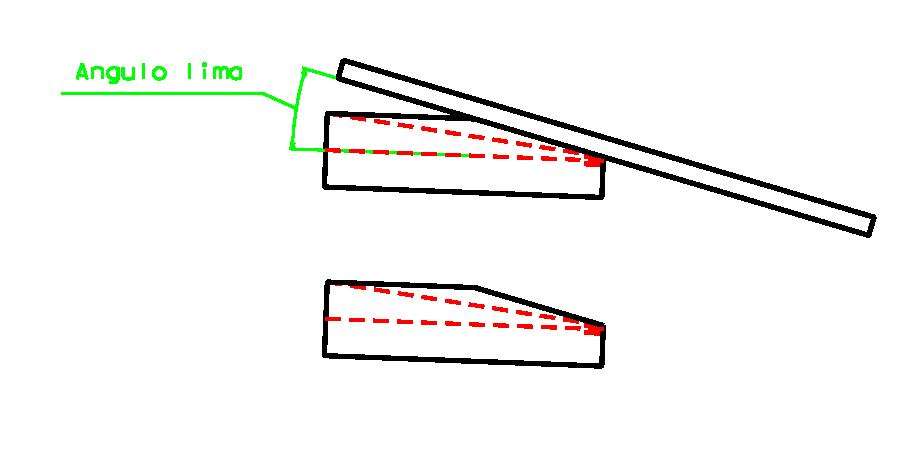
PICTURE 8: Another bevel with the file angle still bigger than the desired angle.
Grind, file, check. Grind, file, check. You shoule file untill you get to point A... or point B (if you decreased the angle too much). Time for some more tweaking. If you reached point A, turn it clockwise.
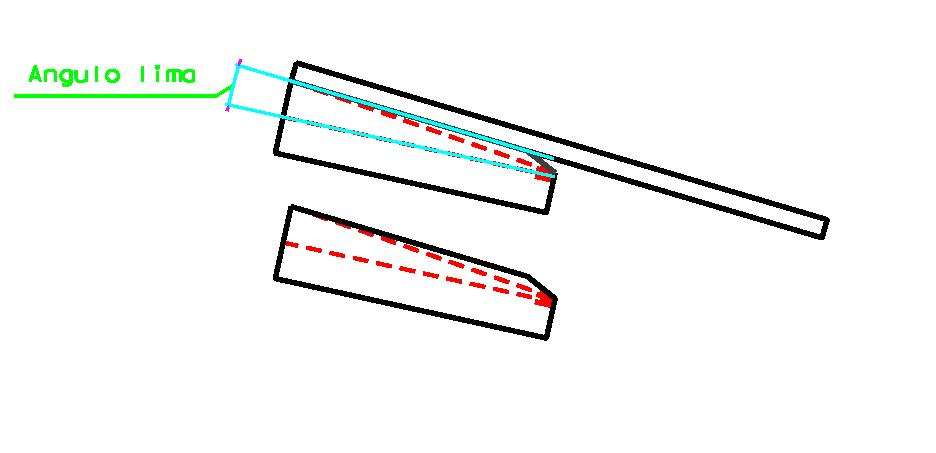
PICTURE 9: Another bevel with the file angle smaller than the desired angle.
If this happens (your bevel reaches point B instead of point A), don't worry, as long as you don't file/grind like a wild monkey, you should be ok. Just stop and turn the rig counter clockwise a little bit.
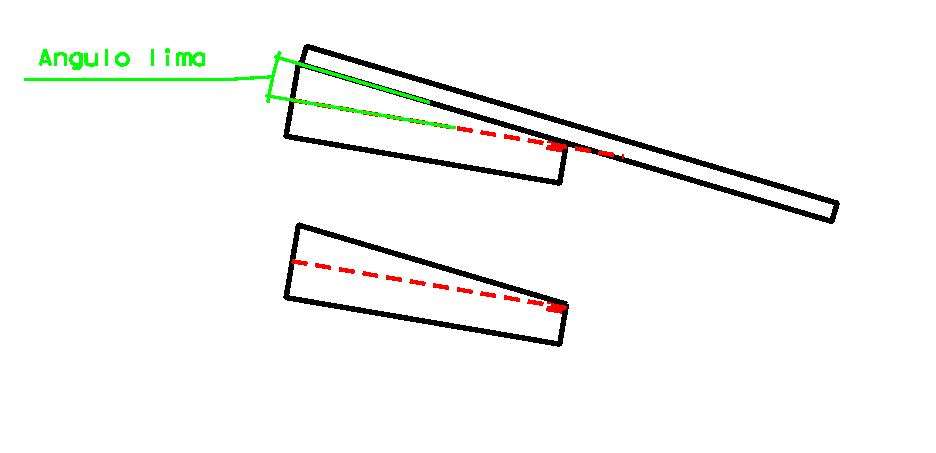
PICTURE 10: Desired angle finally reached.
After some tweaking you will eventualy get to this. I did four bevels. The first time I got the right angle with the first tweak. The third one took me a while!
HINT: Now that you have reached the desired angle, don't be an idiot like me and remove the rig from the bench vice! Just loosen the screws of the rig, pull out the blade and thread it the other way. Now you can work on the other side of the blade without any more tweaking! Just grind, file, check untill you have a nice flat bevel.
If you did it right, you will end up with a perfect V grind with 1mm thick edge. I read somwhere that this thickess comes handy so as not to burn the edge while heat treating it. Once I harden them I am not sure if I will put a convex edge on them or just a 30º flat edge.
Keep reading....
This very same afternoon I started a thread about my first try at knife making. It was a beefy scandi with blue micarta handles. It is almost done, just needs some sharpening (waiting for a 10" DMT).
This weekend after finishing the handle of that scandi knife I had enough time to start a new proyect. This thread is about this new proyect.
SHAPING THE BLADES
After thinking it for a while I decided that making a single knife from a 250 x 63 x 5mm leaf spring was a waste of good steel. I decided to craft two blades out of the same piece of metal.
I don't have a band saw and cutting it with the angle grinder was going to be a waste of steel as well, so I did it by hand.
PICTURE 1 AND 2: Cutting the 5mm thick leaf spring.
I started cutting from both ends because the blade of the saw is only 30mm. It took a while but to my surprise I didn't even dulled the edge of the saw. I had bought like 10 more of them just in case.
PICTURE 3: Cut pieces.
I screwed up the alignment for 0,5mm... not too bad. And took me like 30 minutes or so.
I wanted them to be twins so I had to shape both blades at the same time. No rocket science here. Three nails driven into the wood and some vice clamps did the trick nicely.
PICTURE 4: Shaping the blades.
I thought about drilling the handle and use the holes for aligning the blades but I wasn't sure about the finished size of it and I wanted the wholes to be perfectly centered.
DRILLING AND SKELETONIZING THE HANDLES
The first knife I made was heavy... veeeeeeeeery heavy to tell the truth. I wanted this one to be lighter. I was planning on flat grinding the blades and a heavy handle would throw the whole knife out of balance. So I said: if BRKT can skeletonize his handles, so do I!
I don't have any pictures of the process but I can talk you through. I started center punching 10mm spaced holes in the tang. Then I drilled with cobalt 3 mm holes in the drill press (hand drill fitted with a Wolfcraft support, not a full blown drill press... I can only wish!). Then I used a 6mm cheaper HSS drill bit to enlarge them. Finally I ended up using 8mm HSS drill bit.
WARNING: 8mm drill bit + 5mm thick steel + 700W drill = trouble. Out of five holes, the drill bit catched on four of them. I had it clamped down but the drill stoped after lifting the blade a little bit (just like a screw). Gloves and googles recommended. A full blown drill press with an industrial strenght vise surely helps.
Once I had it all drilled out I tried to use my jigsaw with a metal blade to cut in between the holes but it didn't work out. I couldn't fit the hacksaw either so I had to use once again the angle grinder. The disk diameter didn't allow me to go in deep without screwing up the edges so I did the best I could. Once I have room for working with files, I did so.
PICTURE 5: Skeletonized handles. Both blades in the picture with trying aluminum pins for alignment. Shortage of files used in the process.
I worked the blades like 95% on each own and then matted them to work the remaining 5%. I wanted them to be perfect twins!
WORKING THE BEVELS
When I did my scandi i thought I could use that very same rig to do full flat grinds. It works great but needs a lot of tweaking untill you get the angle right. I will show you how I did it.
I also posted this very same How To thread on a spanish cutlery forum so I am using the same drawings (some spanish words in the pictures).
PICTURE 6: Desired angle (angulo optimo), desired cut line (corte óptimo), file (lima), knife (cuchillo), 1mm centered edge (1mm de grueso centrado en la hoja), point A and B (duh...).
Before you start grinding anthing, blacken the edge of the blade with a sharpie or whatever and draw two paralel lines evenly spaced so they define the center of the blade with 1mm thicknes or so. To do it you can lay the blade flat on a table, a 3mm drill bit on the table as well and scratch it all along the edge. Flip the blade and do it on the other side. You will end up with two lines on the edge of the blade evenly spaced.
PICTURE 7: First step
First cut a bevel like you do to make a scandi. Make sure you stop when you reach Point A. I use the angle grinder a lot. I grind, then file, check for scracthes and see where I need to work some more. Grind a little bit more, file again... etc. Once you have this first bevel nice and even it is time to decrease the file angle. The file angle is set so what we really do is turning the rig in the bench vice clockwise.
PICTURE 8: Another bevel with the file angle still bigger than the desired angle.
Grind, file, check. Grind, file, check. You shoule file untill you get to point A... or point B (if you decreased the angle too much). Time for some more tweaking. If you reached point A, turn it clockwise.
PICTURE 9: Another bevel with the file angle smaller than the desired angle.
If this happens (your bevel reaches point B instead of point A), don't worry, as long as you don't file/grind like a wild monkey, you should be ok. Just stop and turn the rig counter clockwise a little bit.
PICTURE 10: Desired angle finally reached.
After some tweaking you will eventualy get to this. I did four bevels. The first time I got the right angle with the first tweak. The third one took me a while!
HINT: Now that you have reached the desired angle, don't be an idiot like me and remove the rig from the bench vice! Just loosen the screws of the rig, pull out the blade and thread it the other way. Now you can work on the other side of the blade without any more tweaking! Just grind, file, check untill you have a nice flat bevel.
If you did it right, you will end up with a perfect V grind with 1mm thick edge. I read somwhere that this thickess comes handy so as not to burn the edge while heat treating it. Once I harden them I am not sure if I will put a convex edge on them or just a 30º flat edge.
Keep reading....
Last edited:


 . Lots of elbow grease used there. Looks great!
 )
)