
3 New Knives, Critiques Please!

Joined
Dec 8, 2014
Messages
814
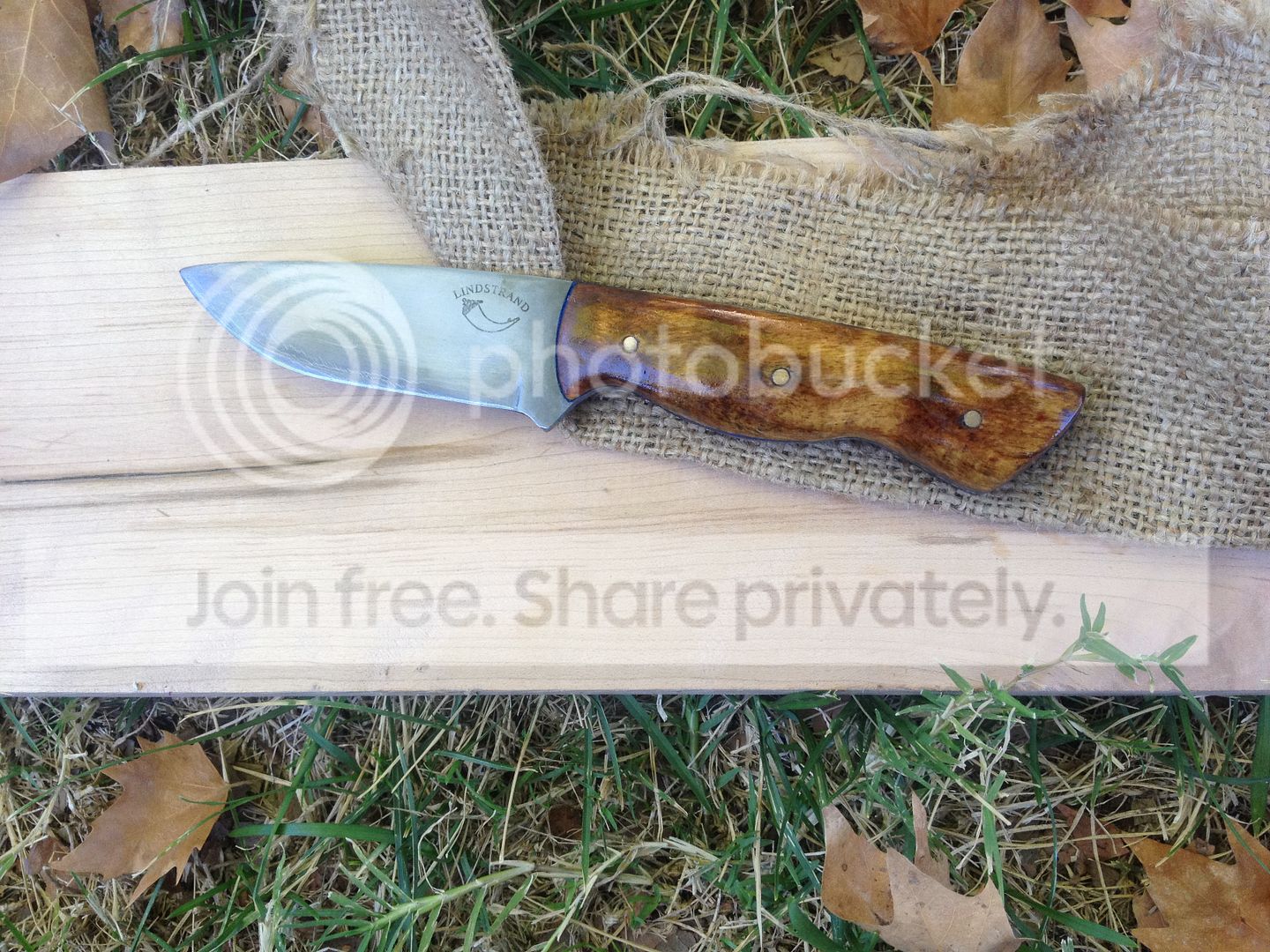
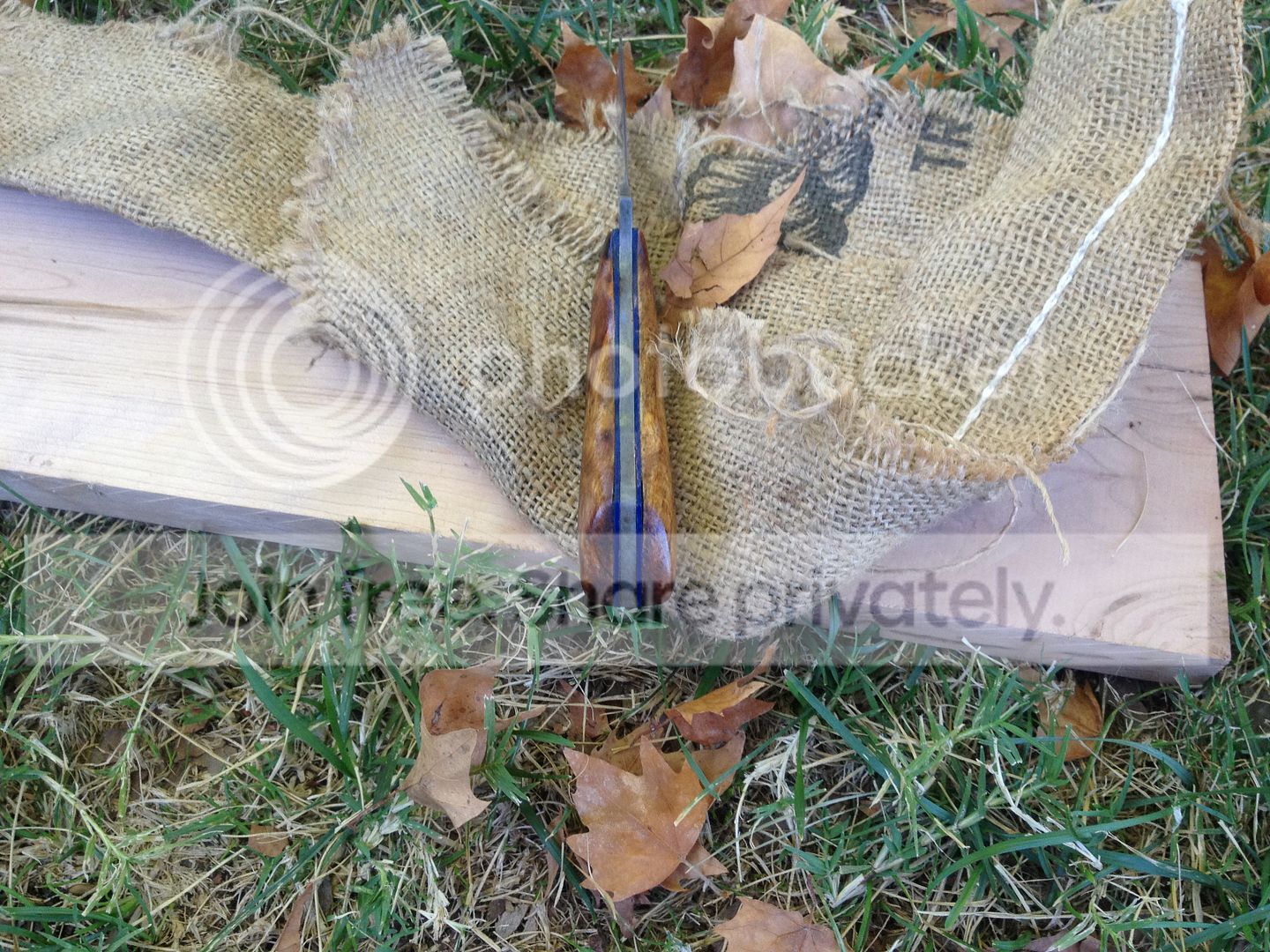
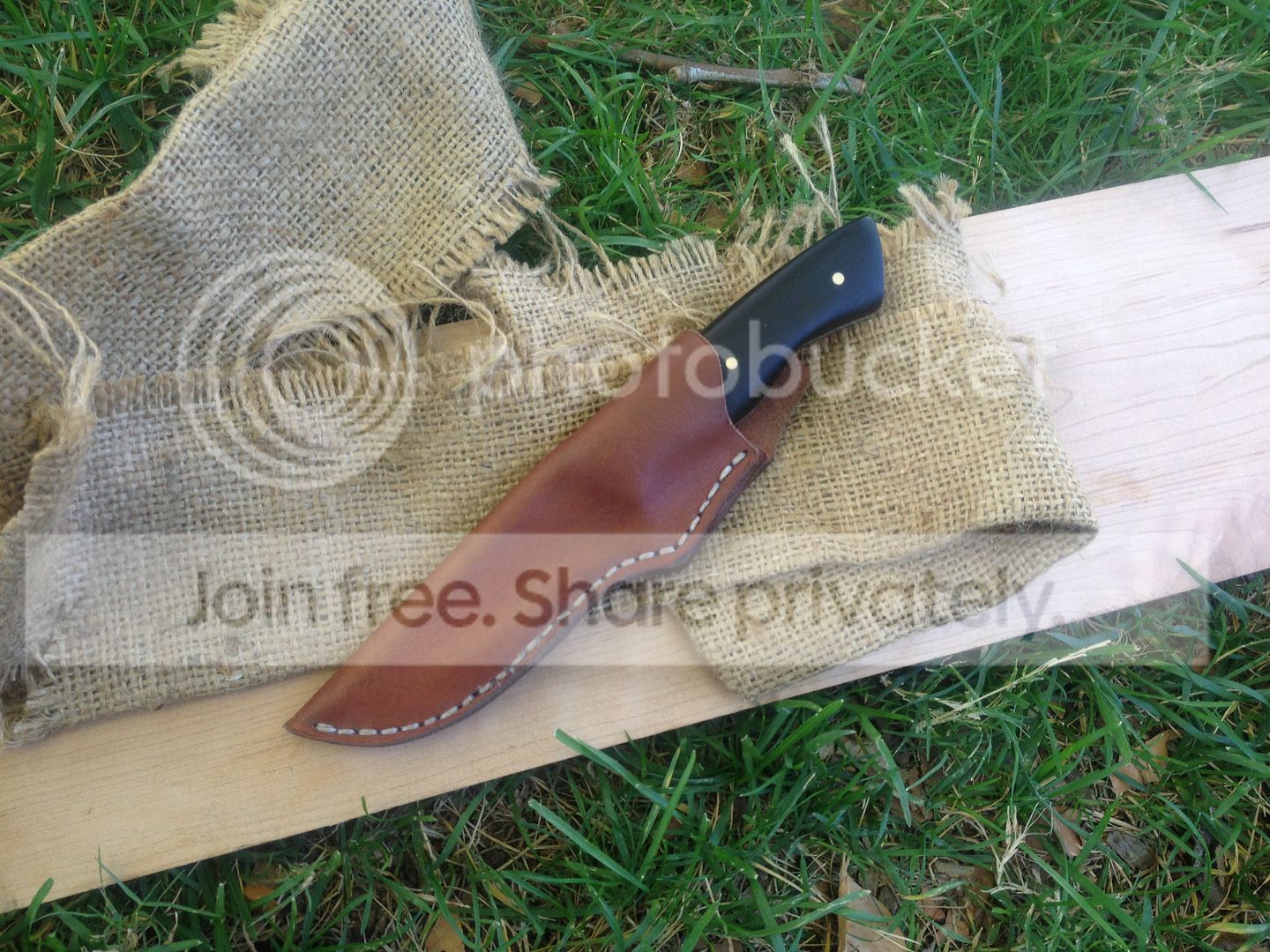
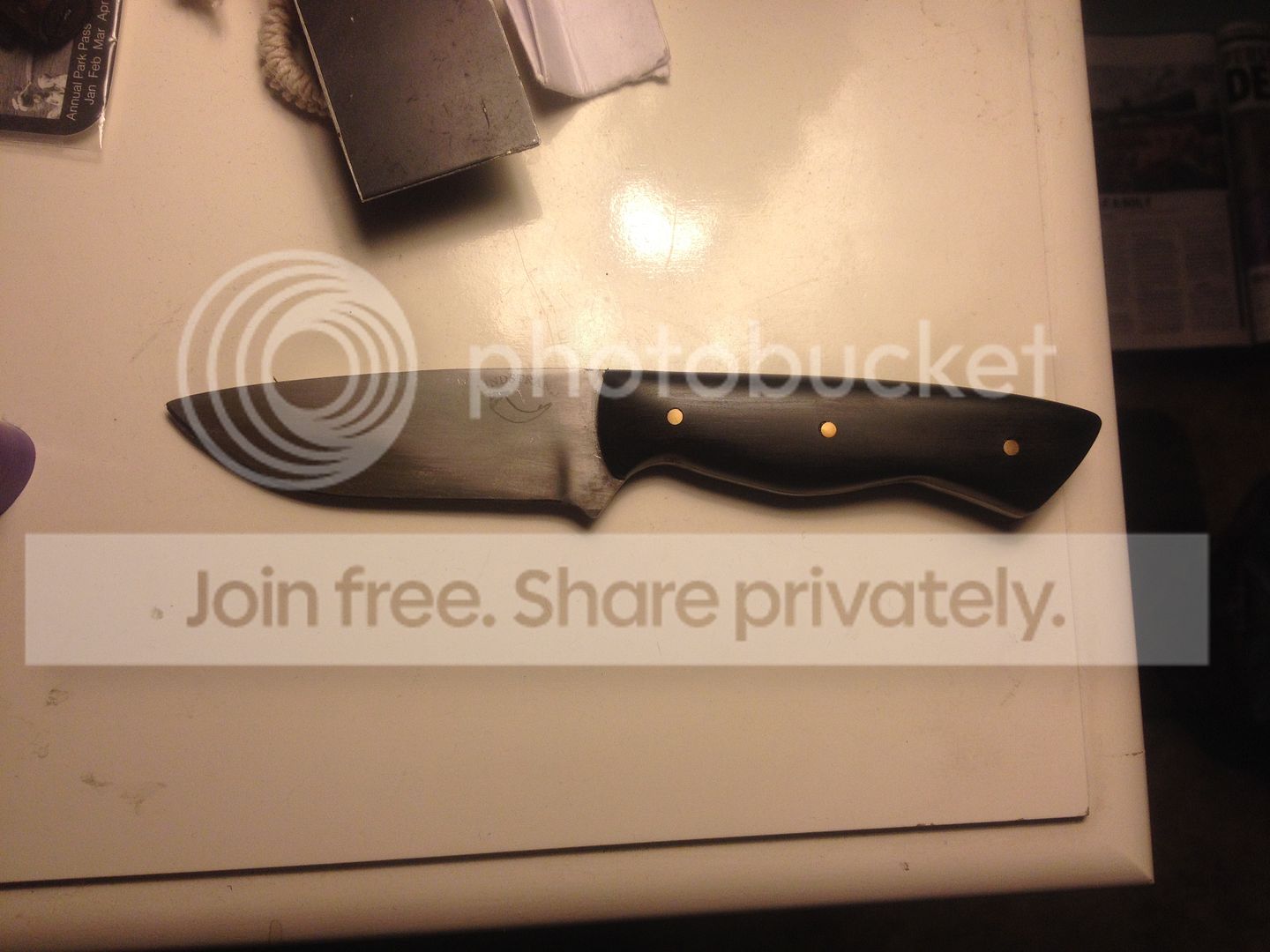
Hey all! Ive lost track of what numbers theses are, but here are three new ones I finished in the last couple months. All are 1084 steel. Ive been frustrated with the lack of precision using my 4x36 belt sander for grinding bevels, so a 2x42 is in cards here pretty soon…wish I could afford a 2x72. So for the first one, I was somewhat going for a small bush craft/ camp knife. It has G10 scales and black G10 liners. For someone with relatively small hands like me, it works well. The second and third are inspired by The Hammer Down Forge’s Bitterroot design and are very comfortable in hand. One has olivewood scales and blue G10 liners (and a light acid etch) For the other, I wanted it to look like an old knife; so it got a forced patina and ebony scales. Im finally starting to get decent at leatherwork , so this one got a nice sheath to go with it. Please let me know what you think!
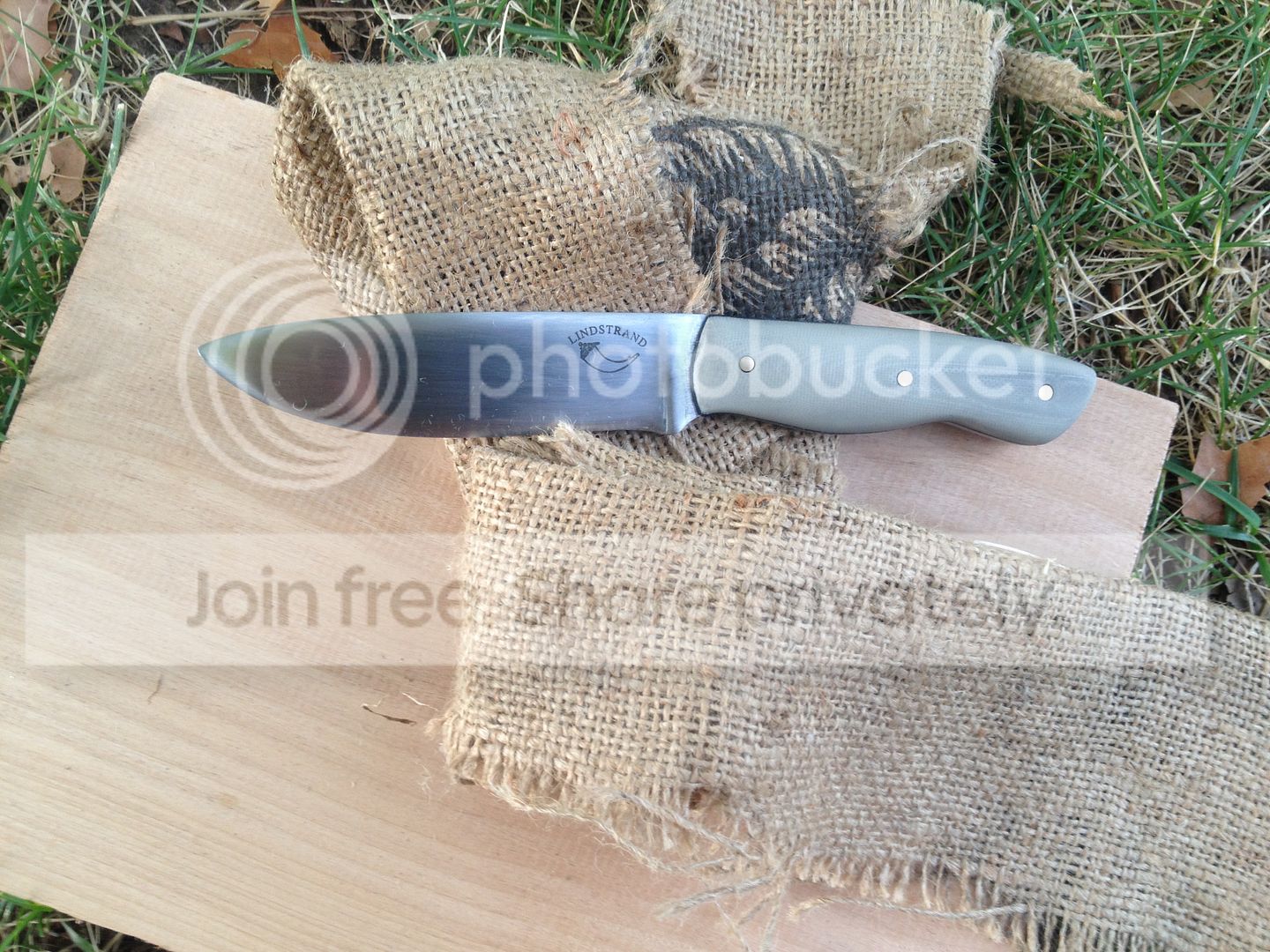
 
Nic, I am only a beginner at bladesmithing, but have been collecting custom blades for over 30 yrs. I will share with you what I see regarding the first blade with the green micarta scales. Overall, I really like the clean lines of the design, and it appears to be very comfortable to the hand. The first thing that would catch my eye is the lack of crispness at the plunge.
Next is that there appears to be some issues with the pins not being flush, and perhaps some gapping that was filled with epoxy. I would work on getting a better line on the front curve of my scales. I'm sure that you know what the issue is with the wood gripped knife with the blue spacers. The edge is way off to one side. I think that with a little attention to detail, and perhaps that 2x72 that is out of your grasp, you will be putting out some very marketable knives.
 
Nice improvement!

On the last knife I would second that the plunge is washed out and it appears the pin spacing is not even although they look good from the top to bottom of the knife.

It might be my personal preference but the I would make the rounding of the belly of the handle less "pointy".

The points are getting less rounded but they still could be less rounded. If I had to guess be careful during your hand sanding. That's when I have to pay attention to avoid rounding mine off.

Definitely making improvements!
 
Nic, I am only a beginner at bladesmithing, but have been collecting custom blades for over 30 yrs. I will share with you what I see regarding the first blade with the green micarta scales. Overall, I really like the clean lines of the design, and it appears to be very comfortable to the hand. The first thing that would catch my eye is the lack of crispness at the plunge.
Next is that there appears to be some issues with the pins not being flush, and perhaps some gapping that was filled with epoxy. I would work on getting a better line on the front curve of my scales. I'm sure that you know what the issue is with the wood gripped knife with the blue spacers. The edge is way off to one side. I think that with a little attention to detail, and perhaps that 2x72 that is out of your grasp, you will be putting out some very marketable knives.


Nic one thing you might want to add to your arsenal is something you can use to lap things flat on. A 12x12 piece of glass or a granite surface plate or something you can lightly fix with spray adhesive to make the blade handles and backs of your scales flat, flat flat will really improve fit and finish!

http://www.amazon.com/s/ref=nb_sb_noss_2?url=search-alias=aps&field-keywords=granite+surface+plate

http://www.amazon.com/3M-General-Pu...=1445709880&sr=8-1&keywords=3m+spray+adhesive
 
I echo what has been said. You can improve your plunge by filing in a small indent on each side and then grinding up to it. Second, always use crisp if not new belts. Third, I really like the gator belts, (the gray ones that have tire tracks on them), they make it much easier to get a good plunge, well, they do for me anyway. Another method, until you get the hang of the plunge, you can use a jig (two flat equally sized pieces of metal with tightening screws). Simply tighten it where you want your plunge to be and grind up to the jig. As you progress, you can remove it and finish your grind. Overall, your knives show a lot of promise, and you make a nice, clean sheath too.
 
Yeah nice sheath and I use my file guide and chainsaw files to get my plunges. I'm not good enough yet to do them freehand and that really helps. You only need to bring the plunge 1/2is or so of the height you want your bevel to go.
 
Looks good Nic. Like the others said, you need to work on your plunge lines. A carbide file guide works really well for keeping nice crisp lines. This will especially help if you're using a cheapo grinder. Once you start on hand sanding, use a sanding block and be careful around your plunge so you don't round it over.

If you can't afford or don't want to buy a file guide, you can make your own out of some hardened tool steel. Give it a try!
 
Nic, I am only a beginner at bladesmithing, but have been collecting custom blades for over 30 yrs. I will share with you what I see regarding the first blade with the green micarta scales. Overall, I really like the clean lines of the design, and it appears to be very comfortable to the hand. The first thing that would catch my eye is the lack of crispness at the plunge.
Next is that there appears to be some issues with the pins not being flush, and perhaps some gapping that was filled with epoxy. I would work on getting a better line on the front curve of my scales. I'm sure that you know what the issue is with the wood gripped knife with the blue spacers. The edge is way off to one side. I think that with a little attention to detail, and perhaps that 2x72 that is out of your grasp, you will be putting out some very marketable knives.

Thank you very much! Yep, plunge lines are my main struggle right now
 
Nice improvement!

On the last knife I would second that the plunge is washed out and it appears the pin spacing is not even although they look good from the top to bottom of the knife.

It might be my personal preference but the I would make the rounding of the belly of the handle less "pointy".

The points are getting less rounded but they still could be less rounded. If I had to guess be careful during your hand sanding. That's when I have to pay attention to avoid rounding mine off.

Definitely making improvements!

Thank you for all your feedback! so what are you saying the granite slab is to be used for, I dont quite understand- just to check for flatness?
 
I echo what has been said. You can improve your plunge by filing in a small indent on each side and then grinding up to it. Second, always use crisp if not new belts. Third, I really like the gator belts, (the gray ones that have tire tracks on them), they make it much easier to get a good plunge, well, they do for me anyway. Another method, until you get the hang of the plunge, you can use a jig (two flat equally sized pieces of metal with tightening screws). Simply tighten it where you want your plunge to be and grind up to the jig. As you progress, you can remove it and finish your grind. Overall, your knives show a lot of promise, and you make a nice, clean sheath too.

Does gator make 4x36 belts? Icant seem to find any ceramic belts for that size. Thank you for the feedback and ideas!!
 
Looks good Nic. Like the others said, you need to work on your plunge lines. A carbide file guide works really well for keeping nice crisp lines. This will especially help if you're using a cheapo grinder. Once you start on hand sanding, use a sanding block and be careful around your plunge so you don't round it over.

If you can't afford or don't want to buy a file guide, you can make your own out of some hardened tool steel. Give it a try!

Thanks Shane! So I made a filing jig when I first started making knives... do you think I could just use that for plunge lines or is a carbide guide better?
 
Thanks Shane! So I made a filing jig when I first started making knives... do you think I could just use that for plunge lines or is a carbide guide better?

I'm not sure what your file jig looks like, but a carbide guide is ideal. Here is one that I use (not my picture)

example.jpg
 
Thank you for all your feedback! so what are you saying the granite slab is to be used for, I dont quite understand- just to check for flatness?

You glue down a sheet of sandpaper. Something like 220 or so. Then you use the flat surface to flatten your material. You move your material on the sandpaper in a figure 8 pattern, you'll see the scratches to be able to see when that thing is actually flat. That way your fit between the blade and the scales/ bolsters will be tighter.
 
Overall, they are good knives.

Shane's suggestion for a file guide is a good idea. They can even be used ... with care ... in buffing the plunge area. Buffing should be used less and sanding more if you are getting washed out crispness.

The one thing I notice the most is your blades look a bit fat, especially toward the tip. Look at Shane's blade in his photo to compare and decide which looks more "knife-like" to you. A bit less width overall, and more sleekness may improve them.

Posting photos of your sketches and blade profiles for comments and suggestions before finishing a knife can fine tune these things before they are done, and greatly speed up the learning curve.
 
Back
Top