- Joined
- Nov 27, 2004
- Messages
- 3,124
Hi all,
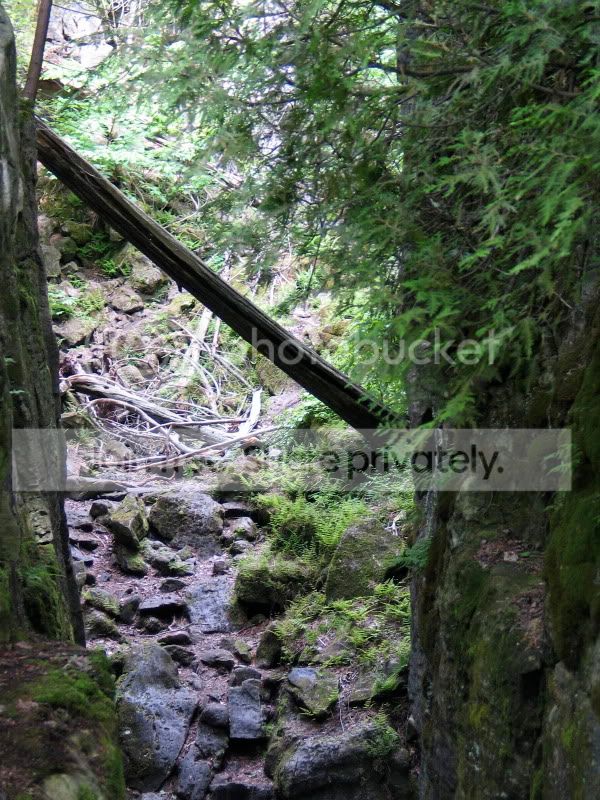
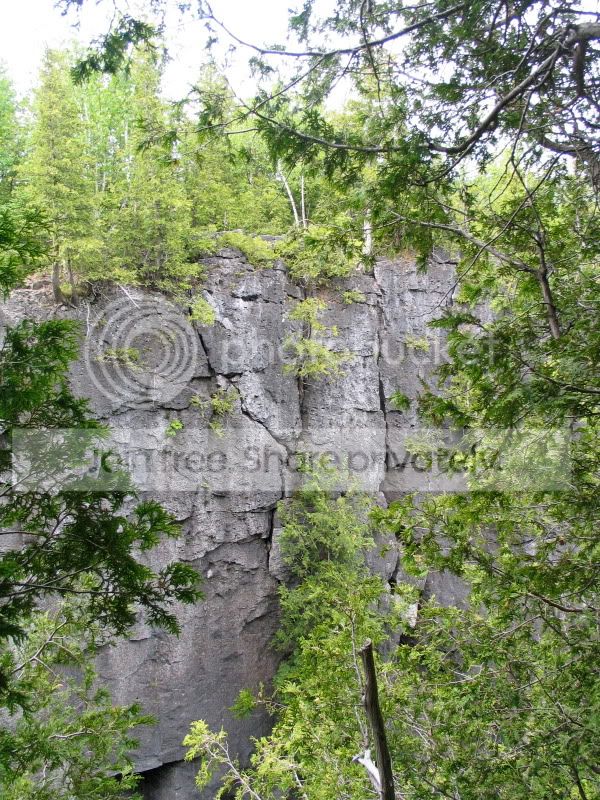
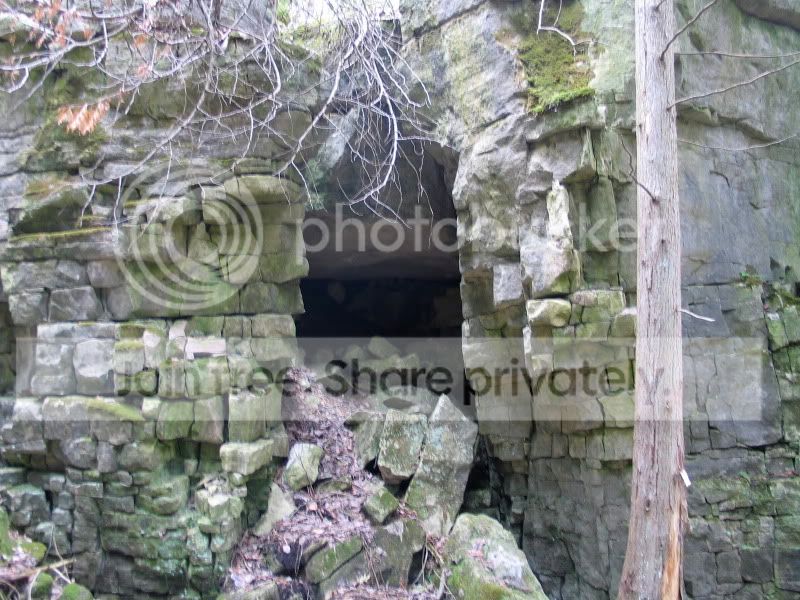
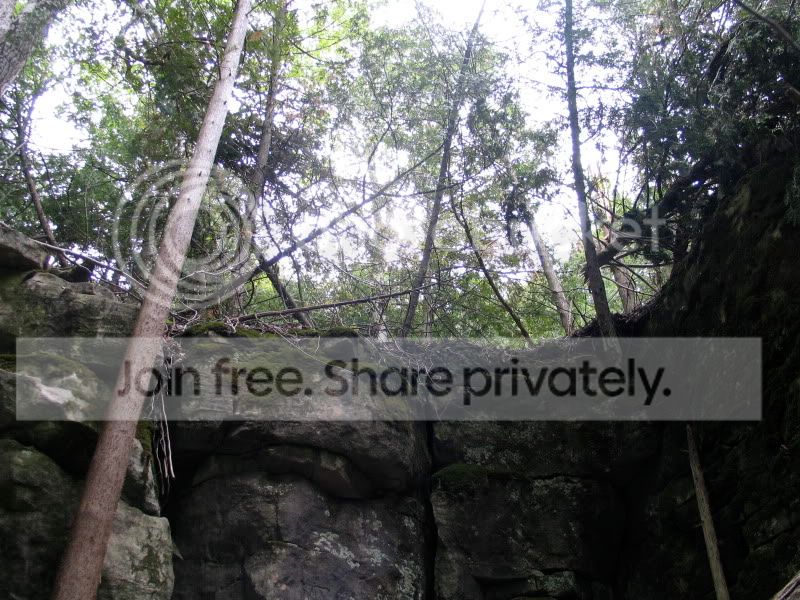
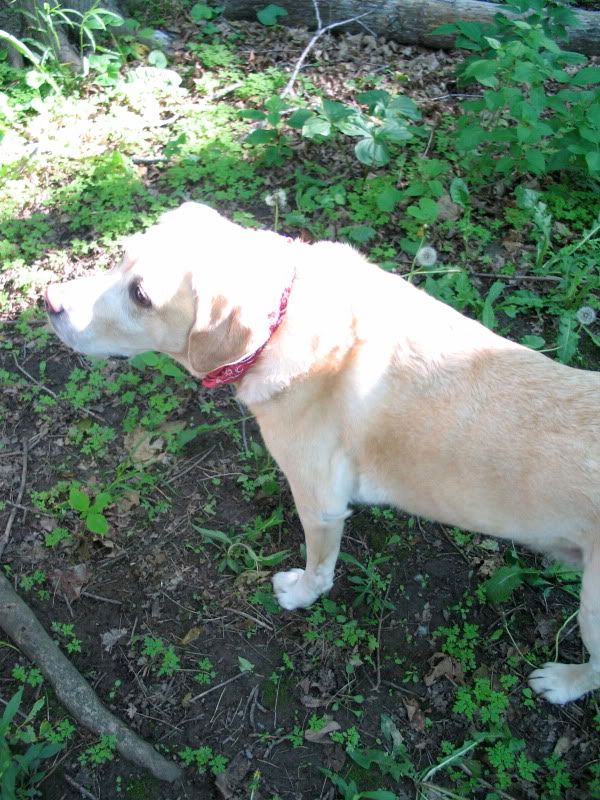
I spent Saturday, Sunday, and this morning hiking the Bruce Trail, on and around Blue Mountain, Ontario. With the exception an hour of rain, thunder, and lightning (which was awesome) on Sunday, the weather was great. The area I was in is part of the Niagara Escarpment, and is essentially a mix of forest, cliffs, meadows, and caves. The Escarpment is constantly eroding, which makes for some amazing crevices and caves. This is my regular hiking spot, and one of my all-time favourite areas for year-round outdoors enjoyment. There are a few designated camping areas along this stretch of the Bruce Trail. Thankfully, Ruby (my lab) and I had the trail to ourselves most of the time. We spent the days hiking, and the nights in the tent, as the mosquitoes were out in force. Ruby's getting on in years, and her hips are starting to give her trouble in the morning and at night, so I tried to avoid the steepest parts of the side trails (which can be difficult, as it is, after all, a mountain). Nonetheless, we had a few excellent days of hiking, including a bunch of off-the trail exploring.
Best moments I did not get pictures of:
1. Fireflies! Around 22:00 (and for hours thereafter), both Saturday and Sunday, we were treated to a real light show in the canopy. I spent a good half hour just enjoying the sight of thousands of fireflies wandering about under a clear sky. Absolutely awesome.
2. We walked past at least 3 deer (including a large buck) hanging out in a patch of undergrowth, at the bottom of an embankment. They saw us before we saw them, and bolted, making a heck of a racket. The look on Ruby's face was priceless.
Anyway, as they say, this thread is useless without pics:
My intrepid hiking companion:
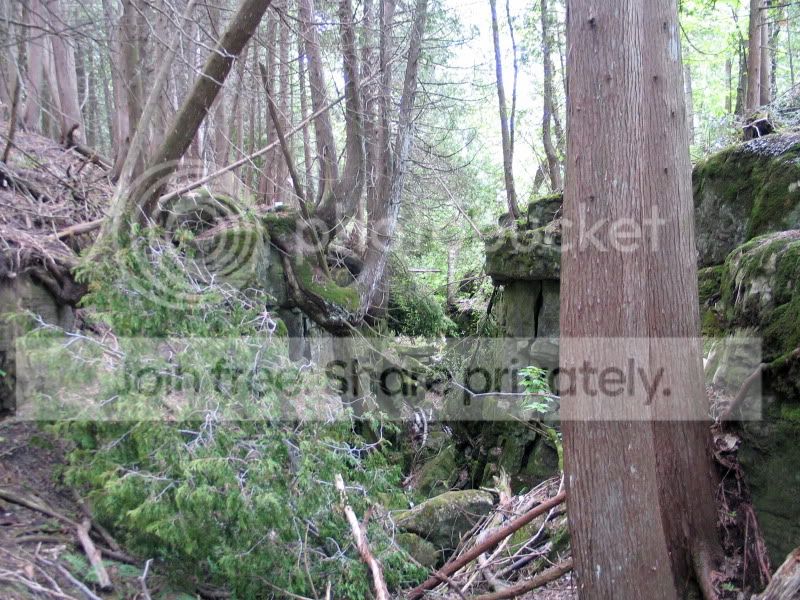
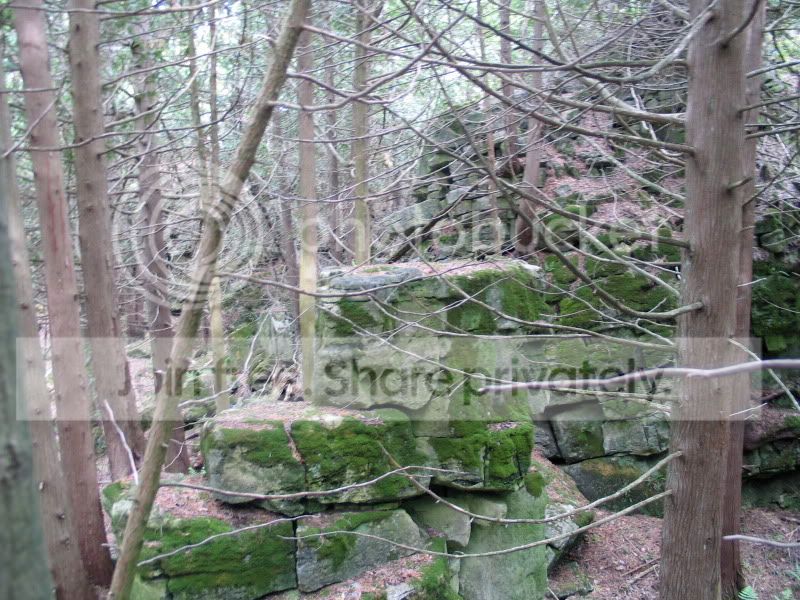
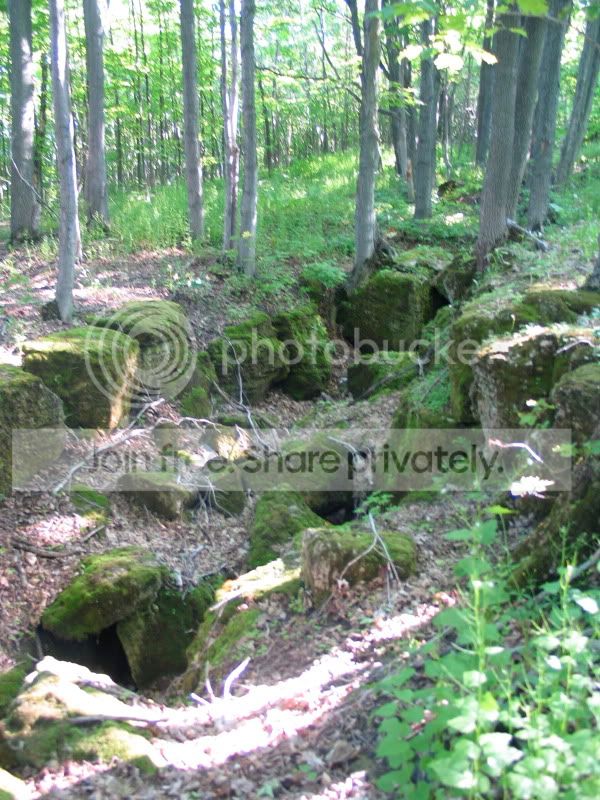
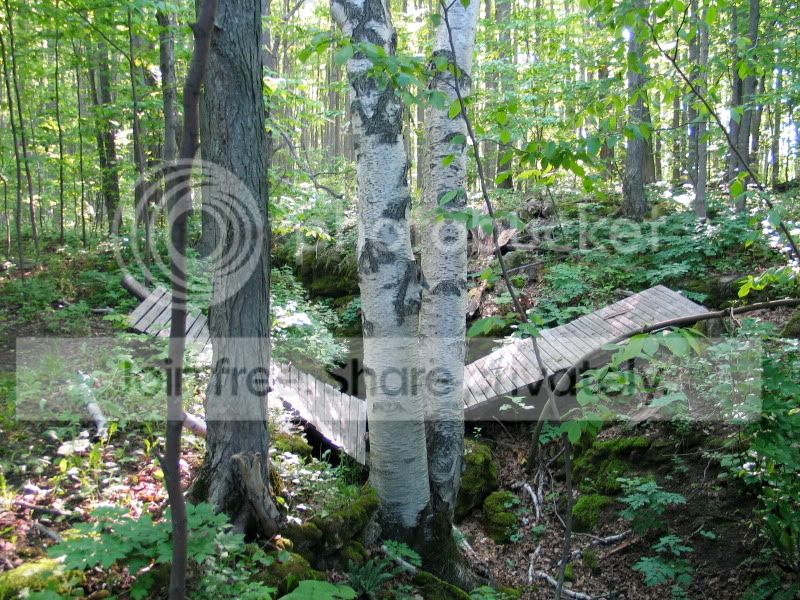
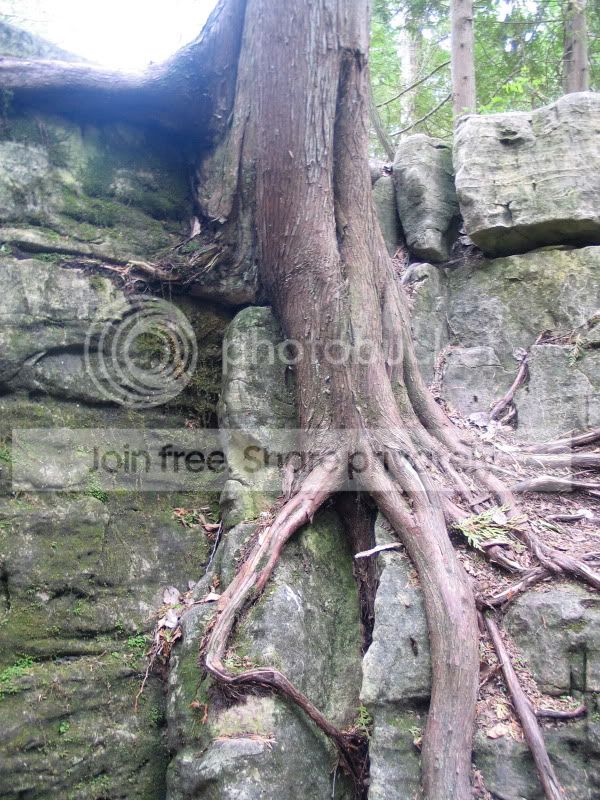
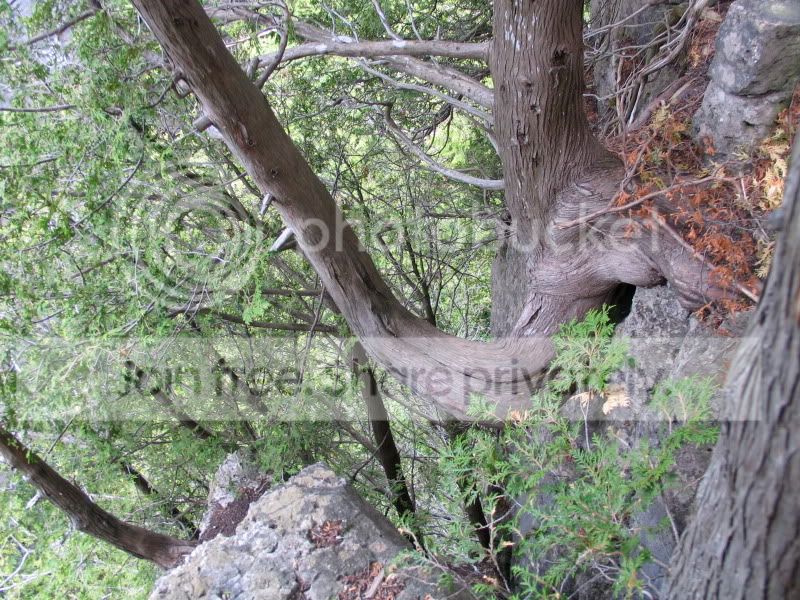
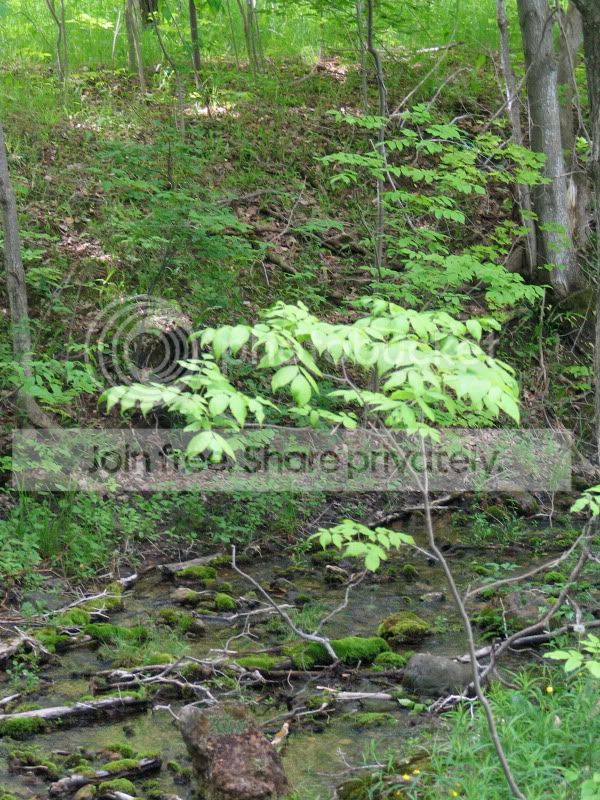
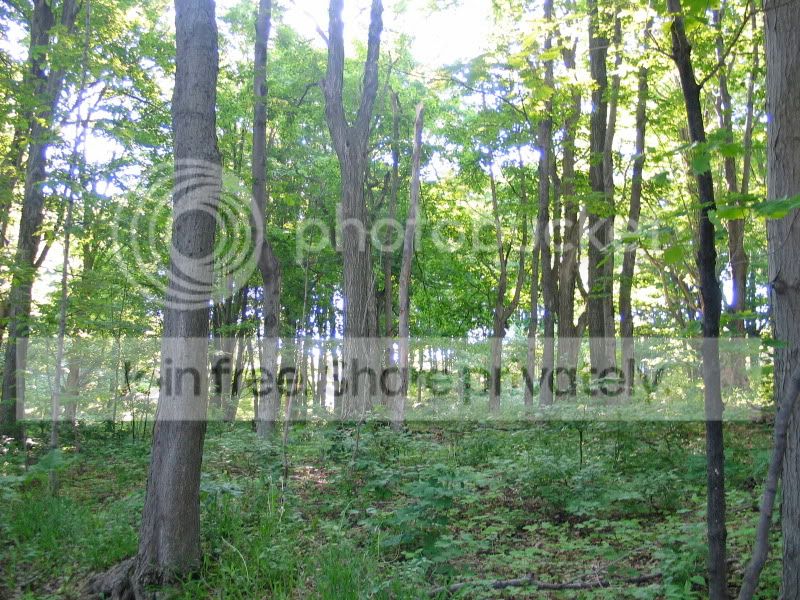
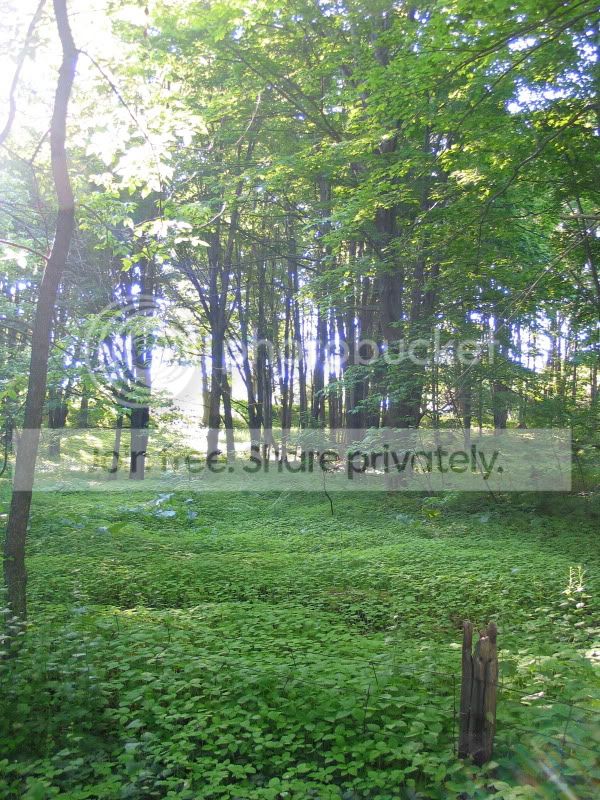
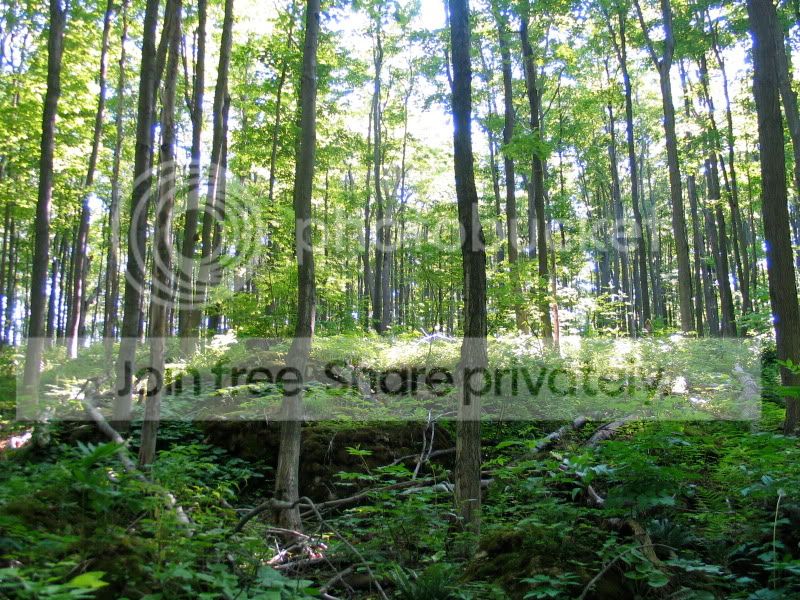
Some shots of the forest greenery:

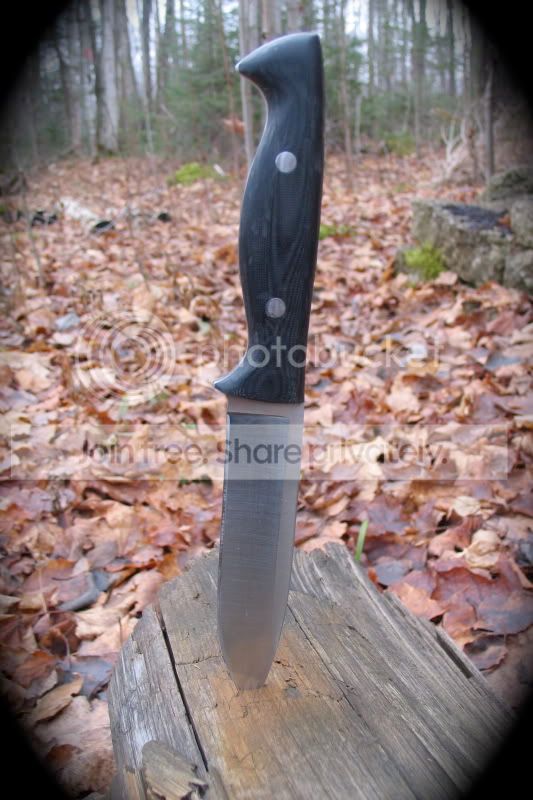
Obligatory knife content:
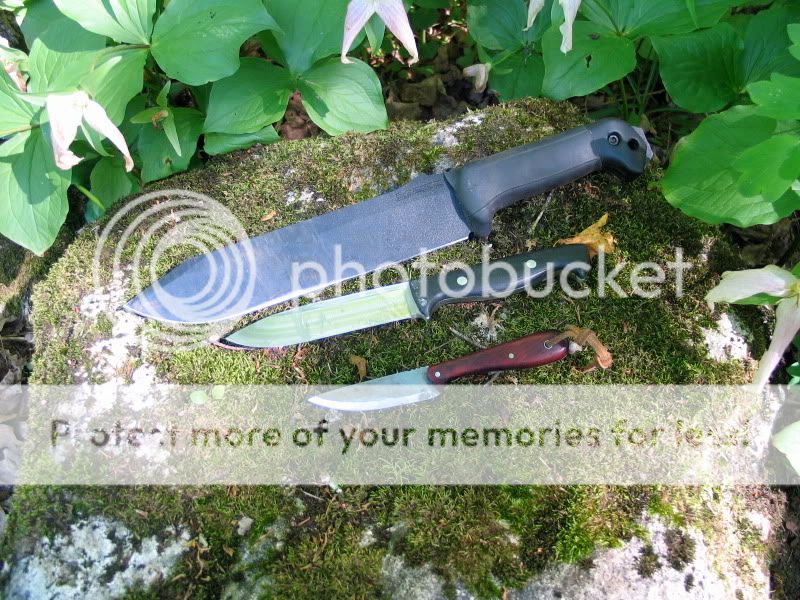
My BK-9 didn't come along for the full weekend. It saw some use on Saturday when I was grooming the hiking trails on some family property. It did a great job on fallen green wood, and, with some effort, took care of hard, dry wood as well. The bicycle tire tubing around the handle really helps with grip. I left this knife behind when I went hiking / camping, as I didn't foresee any need for it.
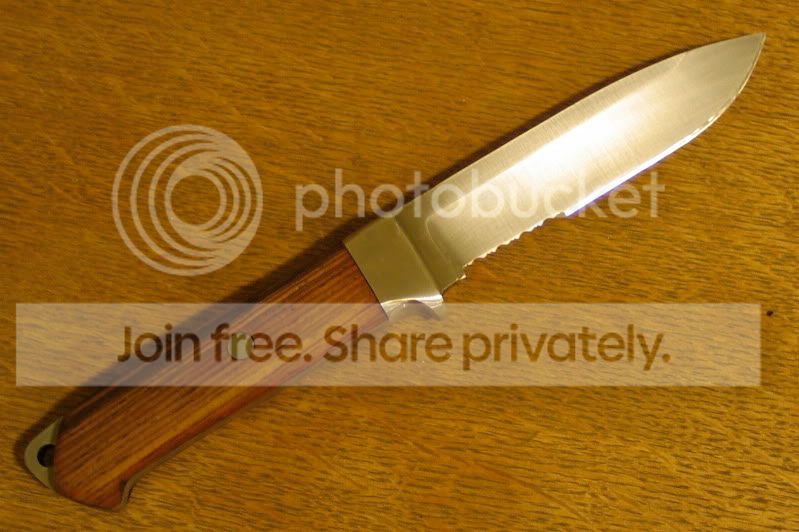
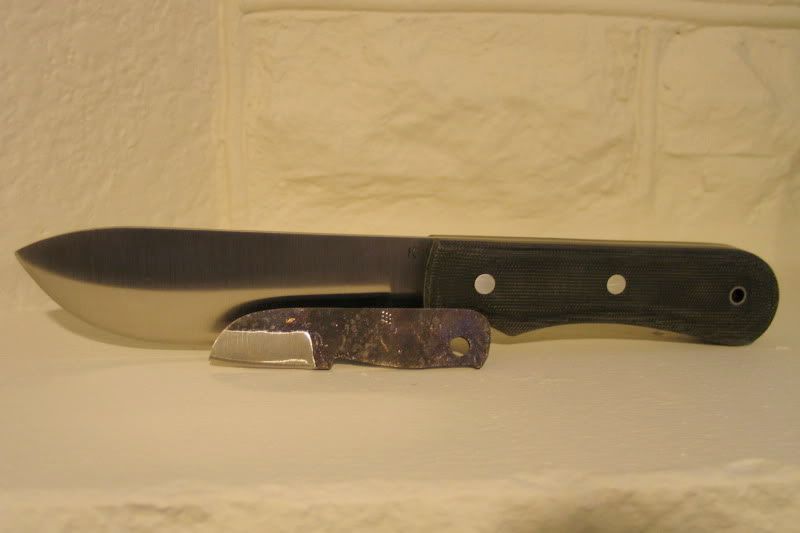
My Delta 5 and trusty EDC scandi saw use over the whole weekend, for food prep, whittling, and light trail grooming. No complaints here, but I was stoked to return to Toronto this morning and find my new JK Anniversary knife waiting for me! Next time I hit the trails, this knife will replace my Delta 5:
All the best,
- Mike
I spent Saturday, Sunday, and this morning hiking the Bruce Trail, on and around Blue Mountain, Ontario. With the exception an hour of rain, thunder, and lightning (which was awesome) on Sunday, the weather was great. The area I was in is part of the Niagara Escarpment, and is essentially a mix of forest, cliffs, meadows, and caves. The Escarpment is constantly eroding, which makes for some amazing crevices and caves. This is my regular hiking spot, and one of my all-time favourite areas for year-round outdoors enjoyment. There are a few designated camping areas along this stretch of the Bruce Trail. Thankfully, Ruby (my lab) and I had the trail to ourselves most of the time. We spent the days hiking, and the nights in the tent, as the mosquitoes were out in force. Ruby's getting on in years, and her hips are starting to give her trouble in the morning and at night, so I tried to avoid the steepest parts of the side trails (which can be difficult, as it is, after all, a mountain). Nonetheless, we had a few excellent days of hiking, including a bunch of off-the trail exploring.
Best moments I did not get pictures of:
1. Fireflies! Around 22:00 (and for hours thereafter), both Saturday and Sunday, we were treated to a real light show in the canopy. I spent a good half hour just enjoying the sight of thousands of fireflies wandering about under a clear sky. Absolutely awesome.
2. We walked past at least 3 deer (including a large buck) hanging out in a patch of undergrowth, at the bottom of an embankment. They saw us before we saw them, and bolted, making a heck of a racket. The look on Ruby's face was priceless.
Anyway, as they say, this thread is useless without pics:
My intrepid hiking companion:
Some shots of the forest greenery:
Obligatory knife content:
My BK-9 didn't come along for the full weekend. It saw some use on Saturday when I was grooming the hiking trails on some family property. It did a great job on fallen green wood, and, with some effort, took care of hard, dry wood as well. The bicycle tire tubing around the handle really helps with grip. I left this knife behind when I went hiking / camping, as I didn't foresee any need for it.
My Delta 5 and trusty EDC scandi saw use over the whole weekend, for food prep, whittling, and light trail grooming. No complaints here, but I was stoked to return to Toronto this morning and find my new JK Anniversary knife waiting for me! Next time I hit the trails, this knife will replace my Delta 5:
All the best,
- Mike