- Joined
- Apr 14, 2006
- Messages
- 7,021
No, not the musical . This is Beauty and the Beast -
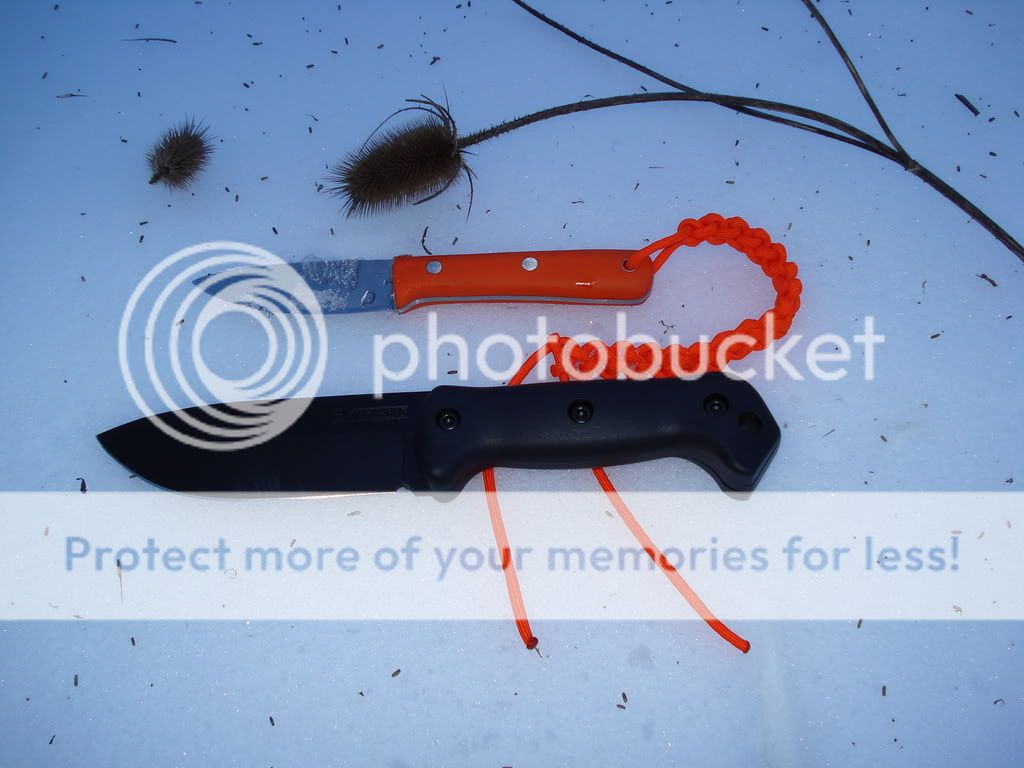
the beauty, of course, being the custom made Bryan Breeden DHLK (Doc's Handy Little Knife) and the Beast - Becker Campanion!
This is the first time they've gotten outdoors, but, unfortunately, it was only briefly. As a result, I didn't get to test them very much, but down the road.............
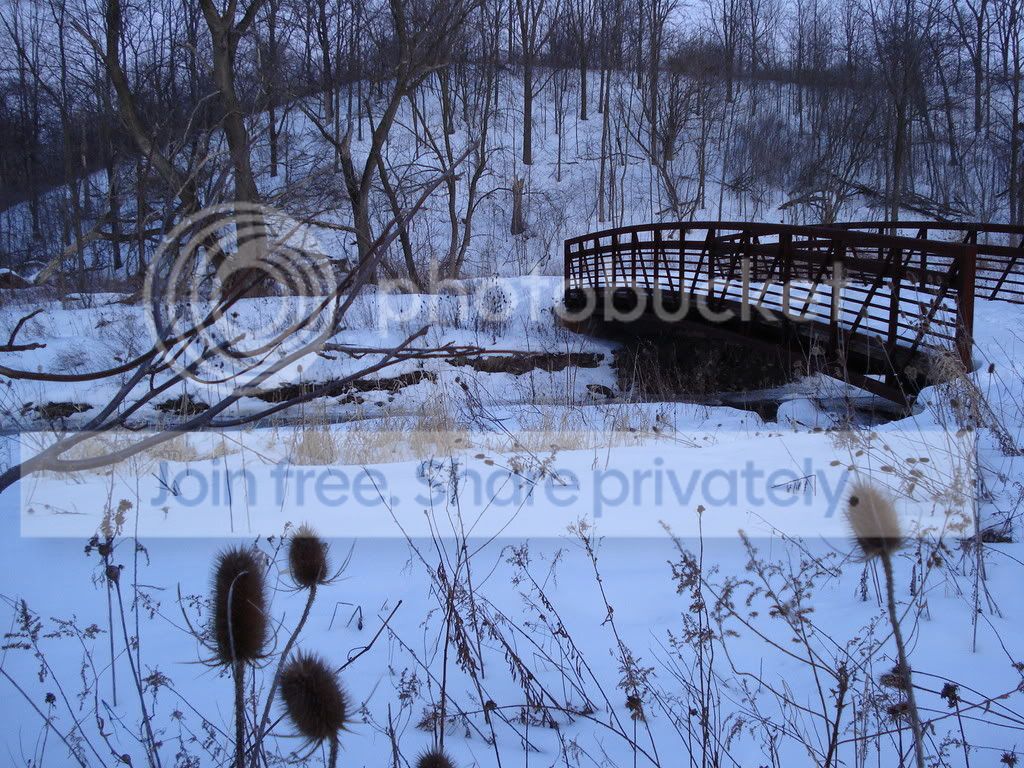
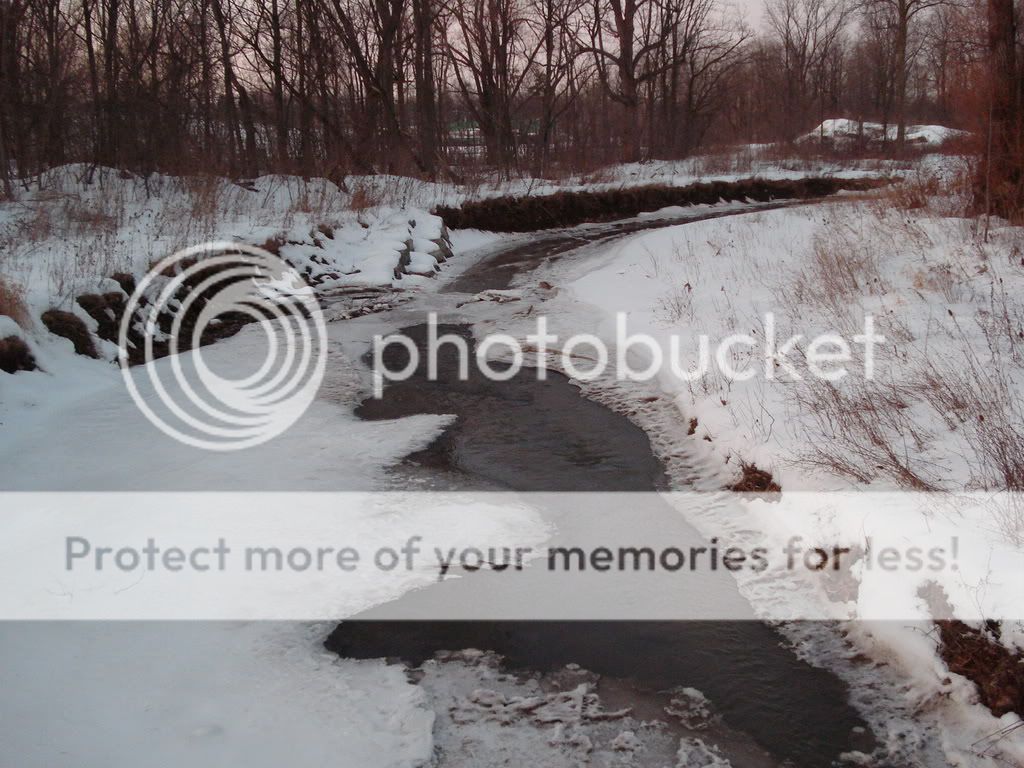
I haven't got out in the woods, too much, lately. Maybe it's an age thing. Nice and warm, here, sitting in front of the computer, not wet, not cold, and the frig has lots to drink. But anyway, today, I wanted to get out and get some hand drill materials. I haven't done any hand drills for awhile and I thought, I better do some practising, so I went out to gather some drills.
As it turned out, I didn't get there until about 5:00 pm, so please forgive the quality of the photos, and it didn't leave a lot of time for woodsbumming. (sorry Rescue Riley, I hope that term is not trademarked )
)
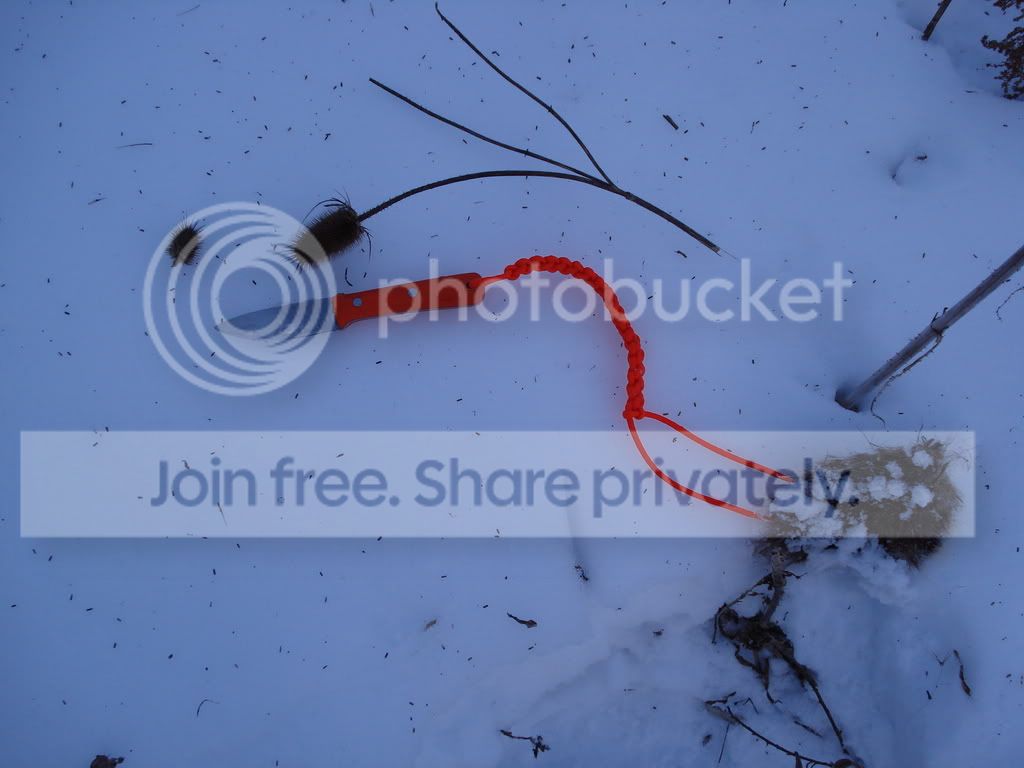
This picture addresses the question of hi-viz in the snow. The orange G-10 handle and the orange 550 make it pretty easy to spot, if you leave it laying around.
Please note the patch of deer hide at about 4 o'clock in the picture. I didn't notice it at first. Here's a closer picture. Had to start using the flash, at this point.
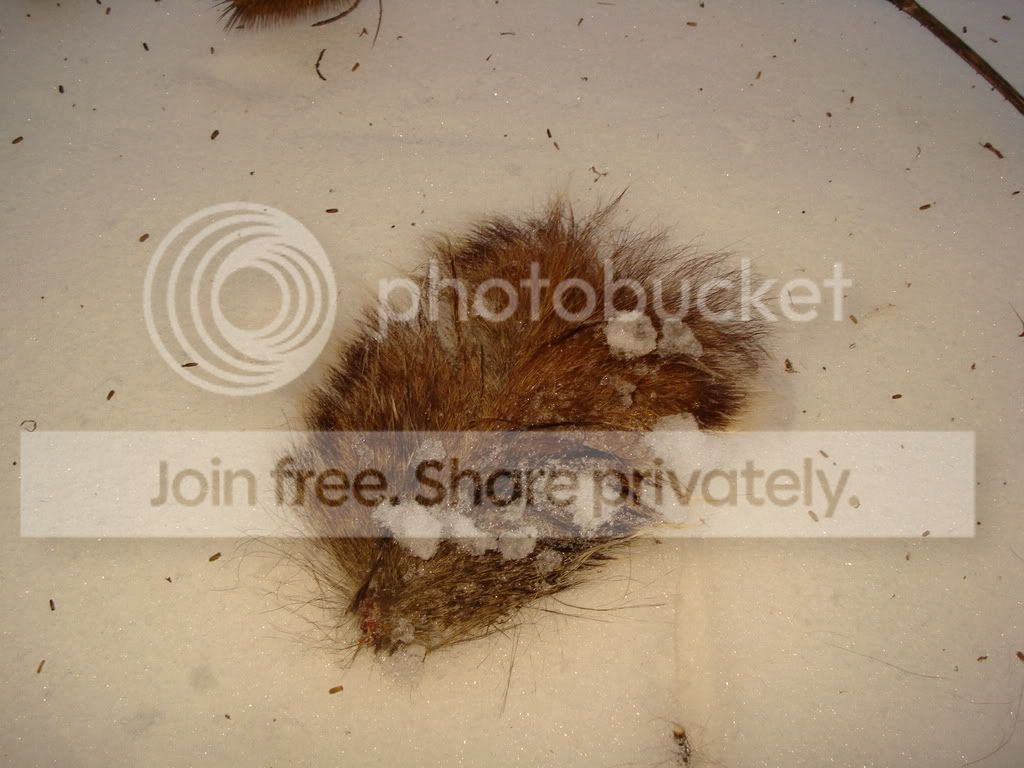
Here's my question - what would account for a piece of deer skin approx. 4" x 6" laying on the snow, no tracks around at all? I can't figure it out, so I thought I would post it here for better minds than mine to solve.
So anyway, back to the hand drill gathering. One of my favourite hand drill materials is Common Teasel (Dipsacus sylvestris). Here's a picture of a bunch of Teasel and a solitary Common Mullein (Verbascum thapsus) - Common Mullein is used as a fish poison, base for a primitive torch, 'Camper's toilet paper' (the leaves), 'Camper's pot holder' (the leaves), and a popular hand drill material for a lot of people (not including me ). Mullein is also used medicinally for respiratory problems.

Anyway back to the Teasel. Teasel is not a native plant but it is naturalized. It was brought here by early immigrants for use in the textile industry. I like it for hand drills because of it's ubiquitousness and efficacy. It's also useful for trap parts for light weight traps such as the Arapuca.
I hadn't counted on having to dig down, to cut the stem because of the snow depth. Off trail it's almost up to my knees. (We've had an unusual amount of snow this year, but that's a good thing. )
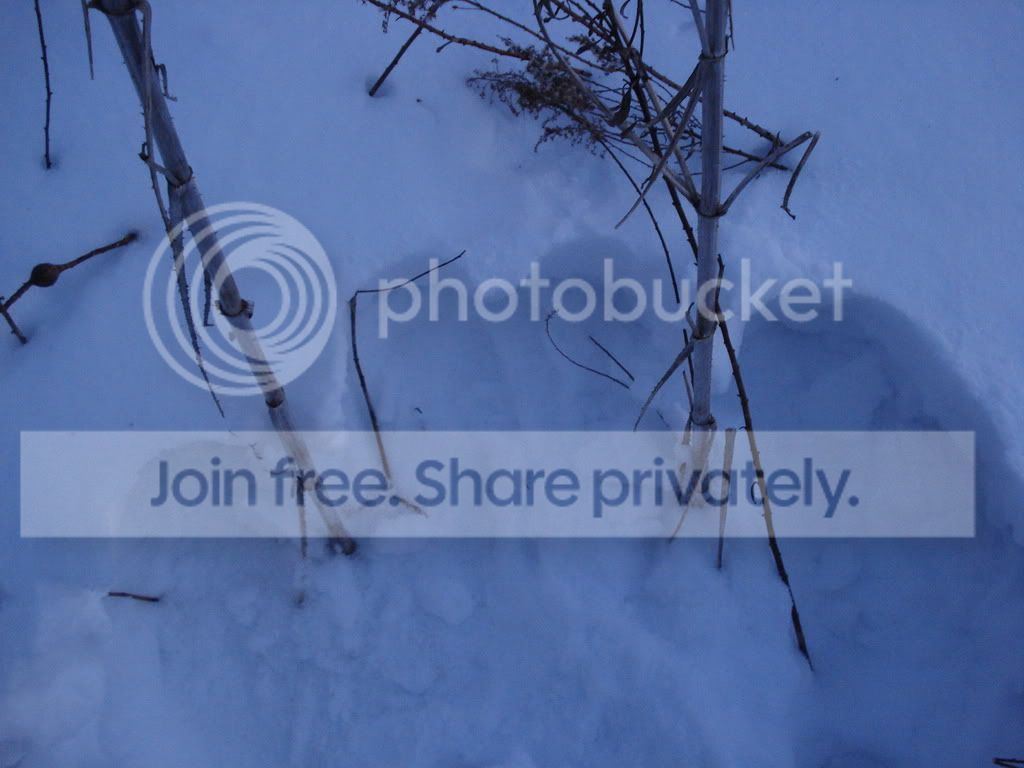
Please note at about 9:45 in the picture a round swelling in the stem of a plant. This is a ball gall and it's found on the stems of Goldenrod (Solidago spp.). The swelling is caused by a female spotted wing fly (Eurosta solidaginis) laying an egg on the Goldenrod in early summer. When the egg hatches, the larva burrows into the stem where it overwinters by feeding on the plant tissue. It then emerges in the Spring as an adult.
The survival-significance of this is, 1. the larva can be used as bait for ice fishing during the winter and 2. the larva is edible. One year I did a workshop on friction fire and cordage in January. One of the participants was a university student that dealt with Aboriginal Studies and as a result had spent a bit of time with natives in Northern Ontario. She said, "Oh yes, the larva are very edible and are quite often used as a trail snack" which she proceeded to demonstrate.
For my money, I would want to cook them first to eliminate any harmful parasites that may exist within the larva, and because of the size of them, I think the only practical way to do this, is to include them in a stew or soup of some kind.
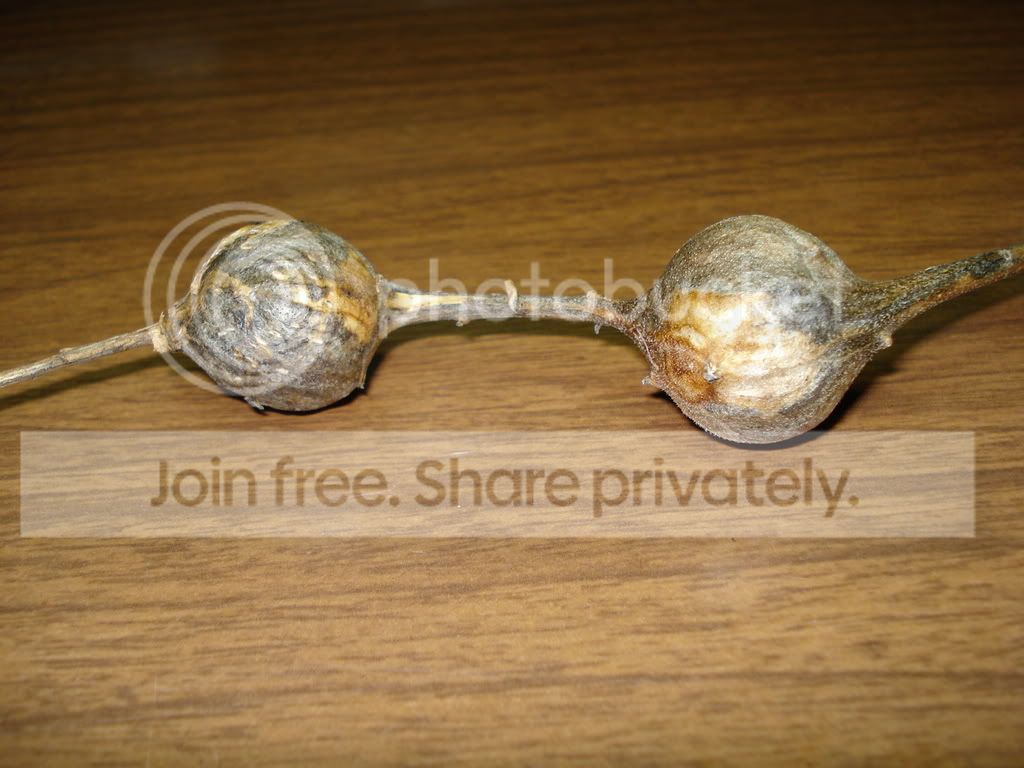
Here is a picture of 2 galls on the same stem.
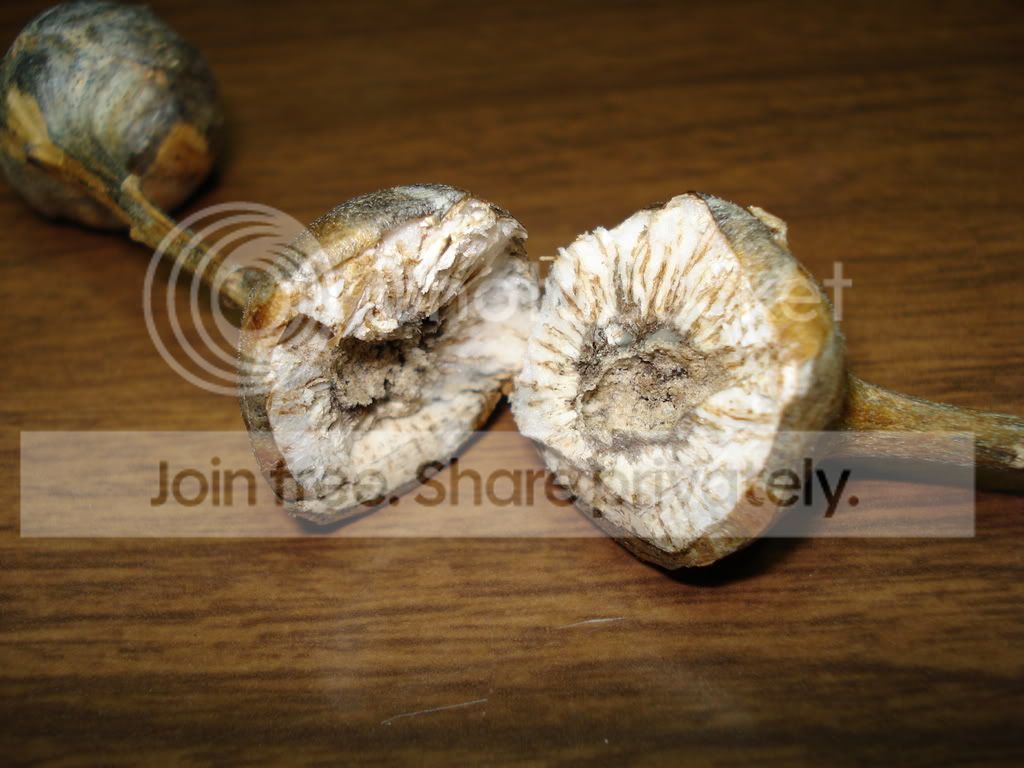
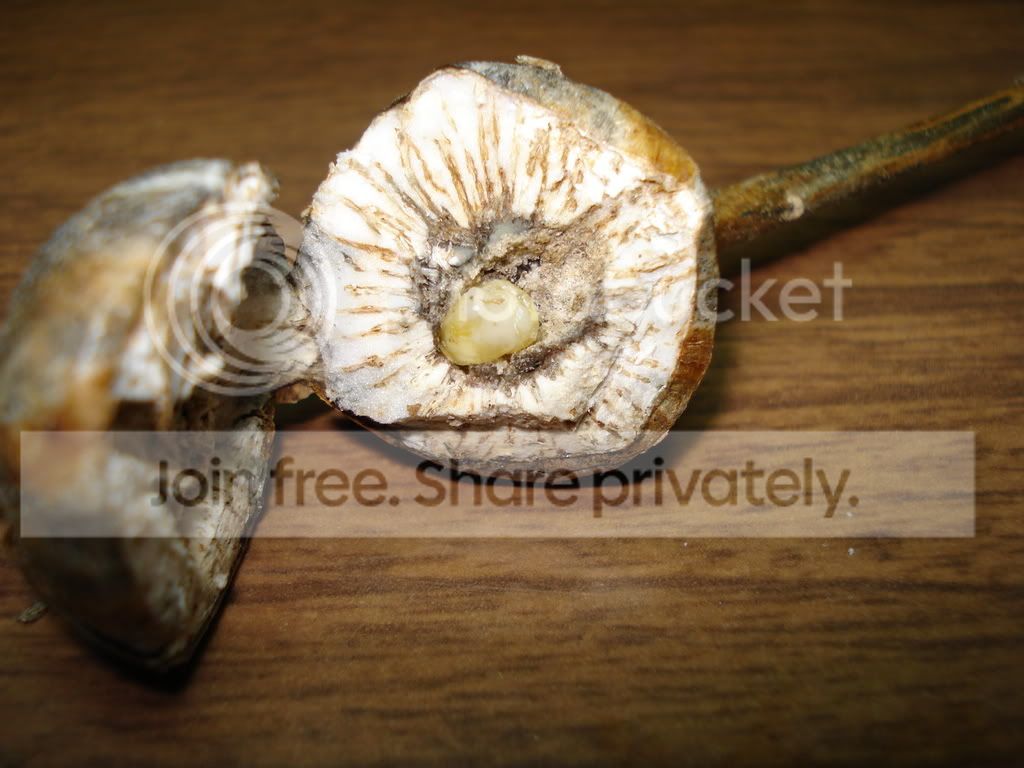
Here the gall is cut open showing the larva.
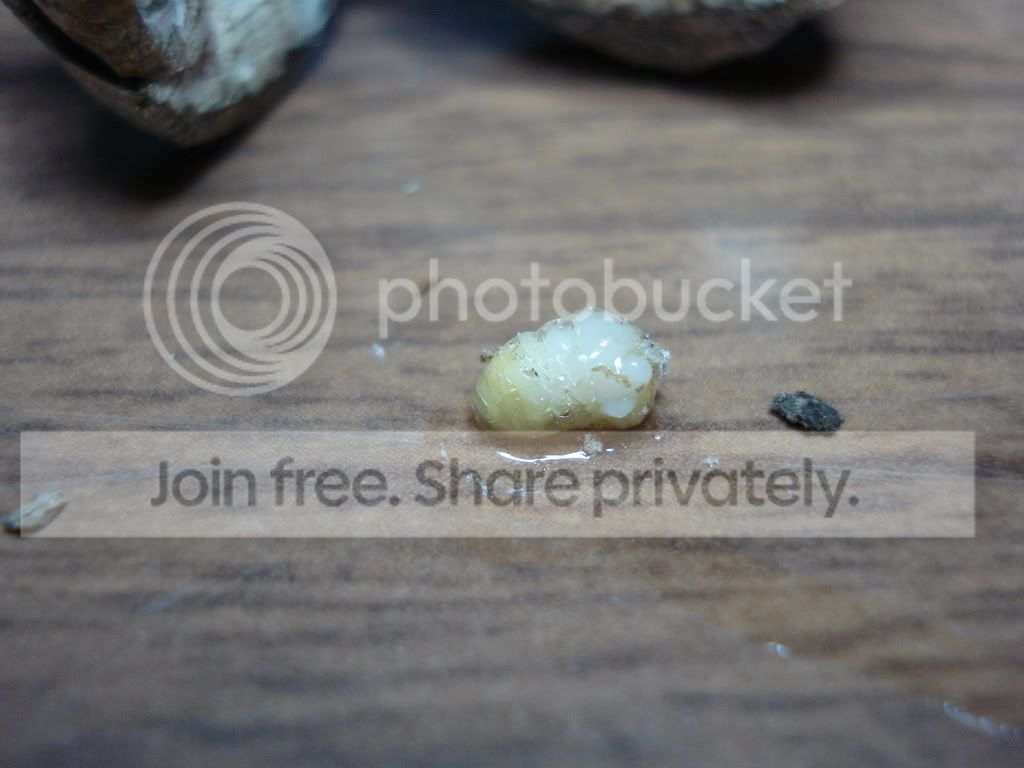
Another picture of the larva.
to be continued
the beauty, of course, being the custom made Bryan Breeden DHLK (Doc's Handy Little Knife) and the Beast - Becker Campanion!
This is the first time they've gotten outdoors, but, unfortunately, it was only briefly. As a result, I didn't get to test them very much, but down the road.............
I haven't got out in the woods, too much, lately. Maybe it's an age thing. Nice and warm, here, sitting in front of the computer, not wet, not cold, and the frig has lots to drink. But anyway, today, I wanted to get out and get some hand drill materials. I haven't done any hand drills for awhile and I thought, I better do some practising, so I went out to gather some drills.
As it turned out, I didn't get there until about 5:00 pm, so please forgive the quality of the photos, and it didn't leave a lot of time for woodsbumming. (sorry Rescue Riley, I hope that term is not trademarked
)This picture addresses the question of hi-viz in the snow. The orange G-10 handle and the orange 550 make it pretty easy to spot, if you leave it laying around.
Please note the patch of deer hide at about 4 o'clock in the picture. I didn't notice it at first. Here's a closer picture. Had to start using the flash, at this point.
Here's my question - what would account for a piece of deer skin approx. 4" x 6" laying on the snow, no tracks around at all? I can't figure it out, so I thought I would post it here for better minds than mine to solve.
So anyway, back to the hand drill gathering. One of my favourite hand drill materials is Common Teasel (Dipsacus sylvestris). Here's a picture of a bunch of Teasel and a solitary Common Mullein (Verbascum thapsus) - Common Mullein is used as a fish poison, base for a primitive torch, 'Camper's toilet paper' (the leaves), 'Camper's pot holder' (the leaves), and a popular hand drill material for a lot of people (not including me
). Mullein is also used medicinally for respiratory problems.
Anyway back to the Teasel. Teasel is not a native plant but it is naturalized. It was brought here by early immigrants for use in the textile industry. I like it for hand drills because of it's ubiquitousness and efficacy. It's also useful for trap parts for light weight traps such as the Arapuca.
I hadn't counted on having to dig down, to cut the stem because of the snow depth. Off trail it's almost up to my knees. (We've had an unusual amount of snow this year, but that's a good thing. )
Please note at about 9:45 in the picture a round swelling in the stem of a plant. This is a ball gall and it's found on the stems of Goldenrod (Solidago spp.). The swelling is caused by a female spotted wing fly (Eurosta solidaginis) laying an egg on the Goldenrod in early summer. When the egg hatches, the larva burrows into the stem where it overwinters by feeding on the plant tissue. It then emerges in the Spring as an adult.
The survival-significance of this is, 1. the larva can be used as bait for ice fishing during the winter and 2. the larva is edible. One year I did a workshop on friction fire and cordage in January. One of the participants was a university student that dealt with Aboriginal Studies and as a result had spent a bit of time with natives in Northern Ontario. She said, "Oh yes, the larva are very edible and are quite often used as a trail snack" which she proceeded to demonstrate.
For my money, I would want to cook them first to eliminate any harmful parasites that may exist within the larva, and because of the size of them, I think the only practical way to do this, is to include them in a stew or soup of some kind.
Here is a picture of 2 galls on the same stem.
Here the gall is cut open showing the larva.
Another picture of the larva.
to be continued
Last edited: