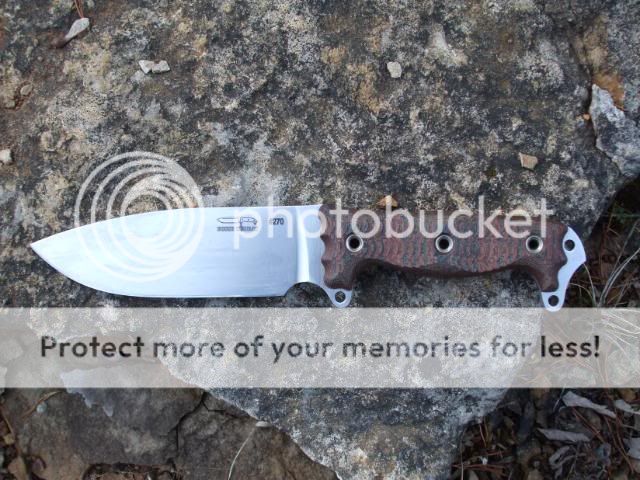
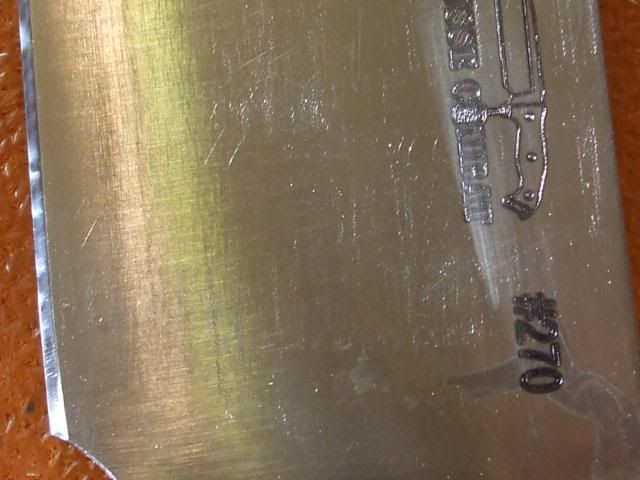
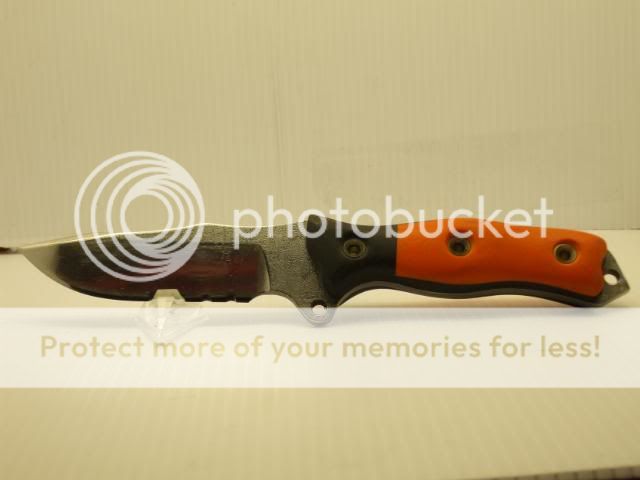
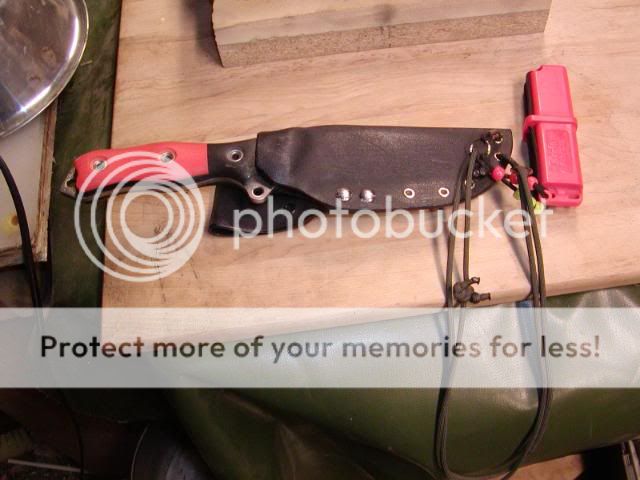
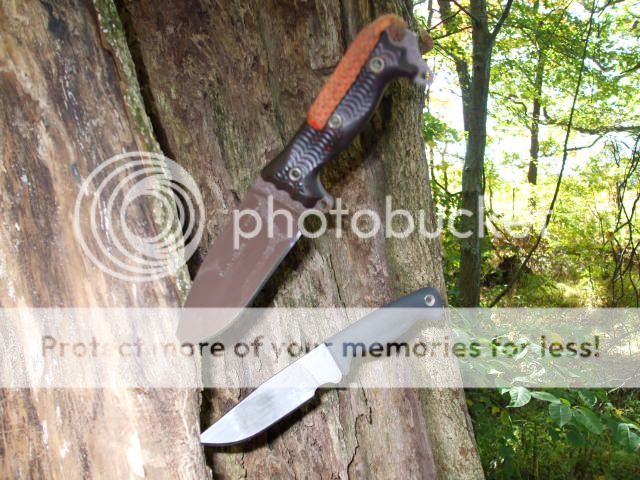
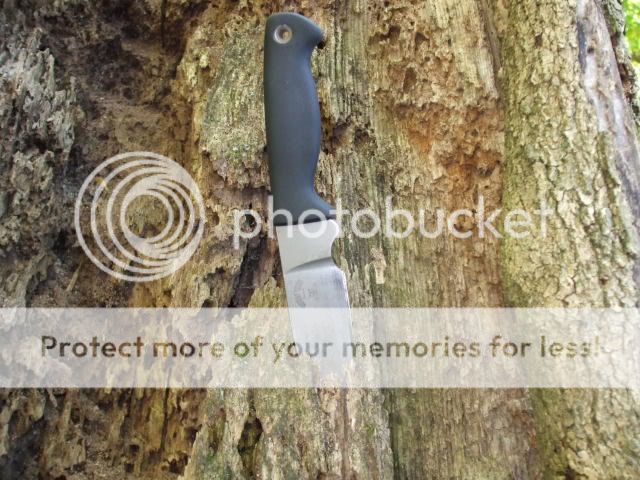
I look at it this way, how you use a busse knife should be determined by the geometry of that particular busse knife. I've had the gamut of thick and thin at the spine and at the edge, two entirely different points of performance. but I wouldn't necessarily use a thicker blade for heavier work, nor a thinner blade for lighter work.
a thick spine allows you to pry with less flexing of the blade, and more force applied in order to flex it at all.
a thin spine theoretically allows for less resistance when cutting through material, BUT only if the edge is thin enough for it. if the edge is extremely thick, then you'll have to shove the stuff apart right at the beginning, and the blade will feel like it's a twice as thick as it actually is.
a thick edge will let you use it on harder more abusive materials, because there is more backing metal to keep dents, mashes and rolls from creeping up into the main grind.
a thin edge will allow you to cut through material easier because you have to spread it apart less when cutting through it, but it also exposes the edge to heavier damage, as mashes rolls and dings are more likely to be deeper into the edge or potentially the main grind.
SO, what does your le look like? since the steel is the same for all busse knives, how you use your knife should be determined by the geometry, not by the designation. the thinner the edge, the lighter the work you should apply to it, the thinner the spine, the more careful you should be when doing extreme flexes because it will be easier to get it to it's breaking flex point. (which is probably farther then you will be able to get it by hand, but for the sake of argument

).
Busse knives are
not invincible. infi does well at very thin cross sections, but not as well as steels like d2 (as per jerry). if you're le has extremely thin cross sections at the edge, be careful to avoid thin solid metals (nails, screws), hardened metals, rocks, glass, ceramics and other hard materials, because they are likely to dent the metal farther up into the edge then is easily repaired. if your le is built like a cg with fairly thick edges and 3/16" spine or more, then there's little reason to worry about damage during use (though chopping glass is still probably a bad idea).