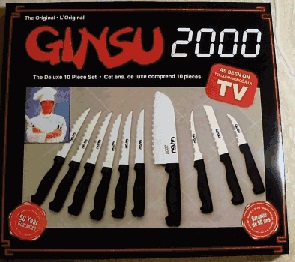
While the purpose of a knife is simply to cut stuff, the designers have no way of knowing what Elmer is actually going to try to do with it. And, knowing Elmer, he'll also use it in place of the correct tool for the job, usually a screw-driver, just because it's handy. When it breaks, he whines a little, and then goes and buys another one just like it, and uses it the same way. Good designers know this, and try to make a knife that will stand up for a reasonable amount of time before it needs to be replaced. Manufactures, however, count on the turn-over for their bottom line Good designers also know THIS, and so the knife you get is usually over-engineered and built to the least common denominator(cost to build vs retail price), the best of both worlds. The beater.
In my opinion, true customs, regardless of how they're used, do not count as beaters, because they are not readily available and/or easily replaceable. If you break it, it's on you. Beater is reserved for knives that may be called on to do more than just cut stuff on a daily basis. How many Buck knives have you seen with broken or reground tips? And, it depends a great deal on how much someone is comfortable spending on a tool that might not necessarily be lovingly cared for, or even receive more than just basic maintenance.