
- Joined
- Jun 25, 2008
- Messages
- 1,484
Birds shouldn't be overlooked as a food source when out in the bush.
Whilst there have been some recent posts on trapping them, this post is intended to offer some suggestions on what to look for when deciding where to set the trap/snare.
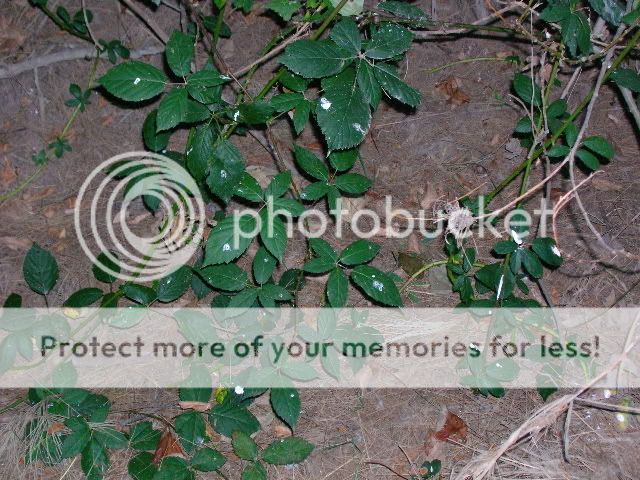
The first and most obvious sign is collections of droppings. A popular roosting spot will invariably have a collection of droppings underneath it.

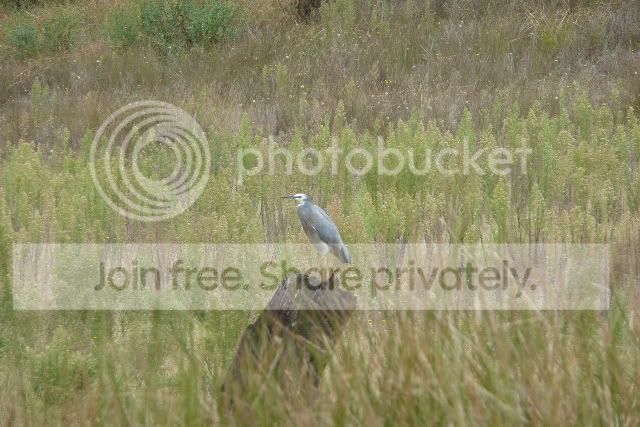
Other likely roosting sites include stumps that will allow the bird to keep an eye on its surroundings.
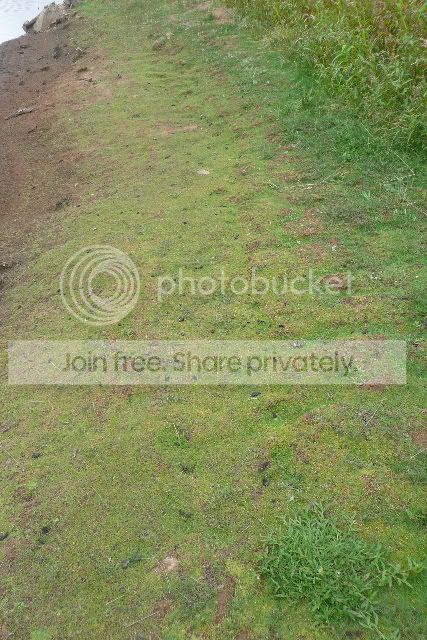
Whilst on the topic of bird droppings, keep a look out on grassed waterside banks. Ducks like fresh green pick and the presence of larger numbers of duck droppings will indicate the area is frequented by ducks and worth setting a snare or two.
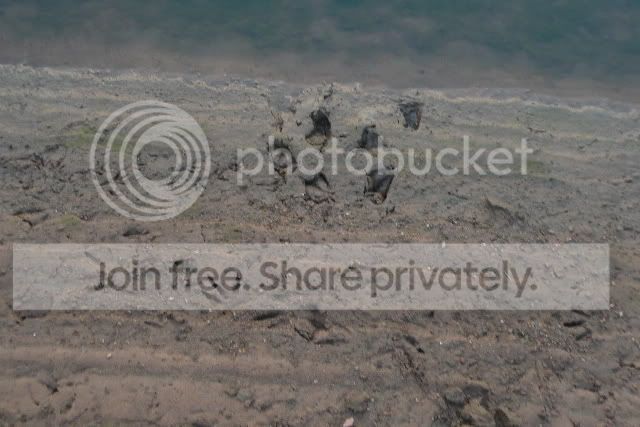
Also wading birds will often leave a series of tracks along the bank of the water course they are patrolling. Another good location for a snare.

Wading birds can be easily identified by their longer spread toes without the webbing (like ducks and other paddling birds have).
Hope this helps give some ideas of what I look for when setting traps/snares for birds.
Feel free to add any other indicators you use :thumbup:
Kind regards
Mick
Whilst there have been some recent posts on trapping them, this post is intended to offer some suggestions on what to look for when deciding where to set the trap/snare.
The first and most obvious sign is collections of droppings. A popular roosting spot will invariably have a collection of droppings underneath it.
Other likely roosting sites include stumps that will allow the bird to keep an eye on its surroundings.
Whilst on the topic of bird droppings, keep a look out on grassed waterside banks. Ducks like fresh green pick and the presence of larger numbers of duck droppings will indicate the area is frequented by ducks and worth setting a snare or two.
Also wading birds will often leave a series of tracks along the bank of the water course they are patrolling. Another good location for a snare.
Wading birds can be easily identified by their longer spread toes without the webbing (like ducks and other paddling birds have).
Hope this helps give some ideas of what I look for when setting traps/snares for birds.
Feel free to add any other indicators you use :thumbup:
Kind regards
Mick


 . Both wouldn't be my first choice, but if hungry enough and they were available.....