
Bleach for water purif.

Joined
Dec 16, 2008
Messages
916
Anybody use bleach for water purification.

2 drops per quart is the accepted method, but I rarely hear it used.

I use a 1 quart cup and boil mine when I go out, but this might work as an alternate.
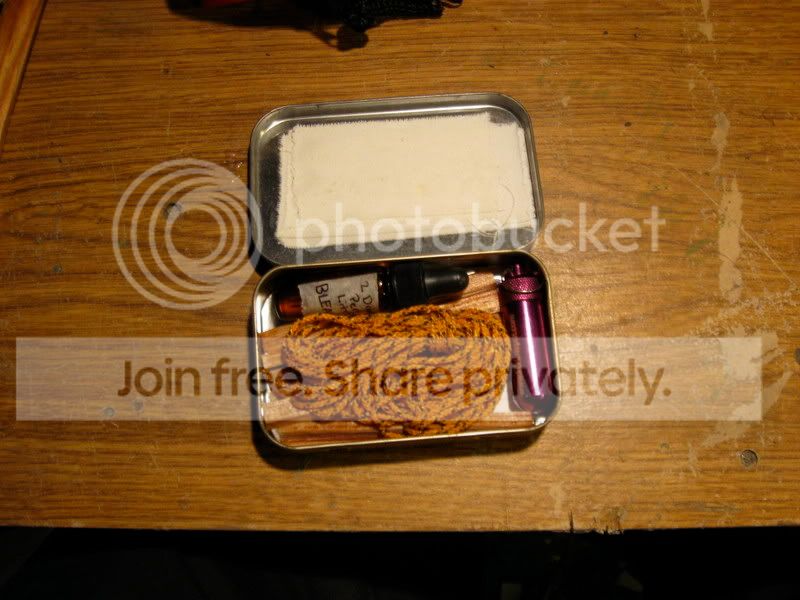
 
i carry a small dropper bottle of bleach, but haven't used it except to keep water stored in kits from growing things.

IMG_0146.jpg
 
For a civil engineering project in project, I had to make a water filter. It was a long time ago, so I can't remember exactly how we did it, but we took dirty, bacteria-infested water and turned it into drinkable water. Wish I could remember exactly how we did it. We basically filtered it through various natural materials such as sand and pebbles and then added some bleach. I don't use it in the wilderness, but it does work.
 
bleach is actually more effective than Iodine with some micro organisms if I remember correctly, however it is more difficult to transport than iodine or micropur tabs.
 
The reason I posted this question is the purif. tabs don't hold up well after opening/exposed to air and they are a bit expensive.

I did some research and apparently 2 drops per quart is the recommendation, but it is not wholly effective against some crypto.

I boil mine 90% the time, but like to have a backup if I run into a sitch with no fire.
 
Well, if you are in such dire straights that you need to drink water only purified with bleach, than you can deal with the crypto I guess. Boiling kills everything, and the tabs are fine if you leave them in the packaging. Micropur tabs are individually wrapped just for that reason. Iodine doesn't do well against crypto I have heard.
 
I use bleach when I do the camp dishes. I have two collapsable sinks – the first has soapy water and the second has water with a capful of bleech added. Wash the dishes in the first and rinse in the second. Keeps gastrointestinal ailments to a minimum. You can smell the bleach but not taste it.
 
Most places in the states have chlorine (basically bleach) in the water so no worries using it. Plus, if you put in too much you can let it sit and it will "cook off" into the air over time (part of the reason you have to keep putting chlorine into a pool).

Safe, and a great answer in many cases.

Iodine is also fine so long as no one with you has an allergy to it. It will turn starchy foods an odd purple color though if you have much in it. Great to cook spaghetti in some of it for Halloween, makes it look like purplish worms:D
 
I don't have any personal experience with it but I've known people that used it. A friend of mine was on Embassy Duty in the Congo and they even washed all the vegetables they bought with bleach treated water. :eek:
 
Bleach works fine for purification. The problem I have had with it is I always manage to drip some on my clothes or gear and it leaves a white spot. I use iodine drops often but mostly I use chlorine tablets (commercial product sold in Brazil, 1 tablet per liter). Mac
 
I've read that bleach (sodium hyporchlorite in a water solution) is not very effective against giardia and cryptosporidium, BUT chlorine dioxide (Aquamira, Micropur) ARE effective given sufficient contact time, as is the mixed-oxidant solution created by the MSR MIOX purifier.

Here is a well-written, though a little aged (2002), but still reasonably up-to-date article:

http://www.bushwalking.org.au/FAQ/FAQ_Water.htm

Here is a nice summary of options from equipped.org:

http://www.equipped.org/watrfood.htm
 
Last edited:
I've read that bleach (sodium hyperchlorite in a water solution) is not very effective against giardia and cryptosporidium, BUT chlorine dioxide (Aquamira, Micropur) ARE effective given sufficient contact time, as is the mixed-oxidant solution created by the MSR MIOX purifier.

Here is a well-written, though a little aged (2002), but still reasonably up-to-date article:

http://www.bushwalking.org.au/FAQ/FAQ_Water.htm

Here is a nice summary of options from equipped.org:

http://www.equipped.org/watrfood.htm
"Bleach" (chlorine hydroxide) and Iodine kill some nasties, but the problem is that the time/dosage for effectiveness depends on variables that are hard to measure in the field: Ph of water; organic load; dissolved minerals. Another variable, temperature, is easier IF you have a thermometer. Funny, haven't seen a single survival kit mention a thermometer. So you don't know how long/how much. Plus, bleach and iodine do not work well at all on cyyptosporidium, and both are far less effective on giardia than other "germs."

Micropur, Chlorine dioxide, is more effective BUT the manufacturer is suggesting four (4) hours treatment. Plus it's about $.50/qt.

The CDC, Red Cross, U.S. EPA and U.S. military suggest boiling on the grounds that chmicals are less reliable.

Commercial filters, in good condition and used per directions, take out everything but viruses, and harmful viruses are rare in wilderness water.

Some dead barteria, viruses, and parasites are better than none.
 
IIRC, turbidity also decreases the effectiveness of iodine and bleach. I prefer boiling if possible. Part of the problem that I have is we hike in the mountains of Colorado, and there are a lot of old mines. None of these treatments deal with dissolved chemicals.
 
I've used bleach while on a canoe trip in Algonquin park in Ontario, and it worked well for all of us involved.
 
I remember as a kid seeing and hearing bleach being recommended in hurricane kits as a water treatment. I don't see that anymore. I have the same problem as you, PM. I so rarely use the tablets, that by the time I do, the foil packets have worn open and the the tablets are crud. I've tried storing them in different containers to no avail. They just don't get rotated enough in my kit.
 
Yeah, I think I am going to chuck the tabs and find a strong bottle maybe 2oz that I can just refill once every 6 months to keep fresh.

I always boil my water, so it would only be used in emergencies anyway.
 
I think that nalgene makes dropper bottles that would work great for this. We had some in my chem lab, chemistry supply companies might be a good place to start looking.
 
Back
Top