Do this:
Get some of the lime at your local farm type store that is used in horse stalls and such. The finely grained stuff. (Vermiculite will work - poorly. It won't hold heat as well as lime.)
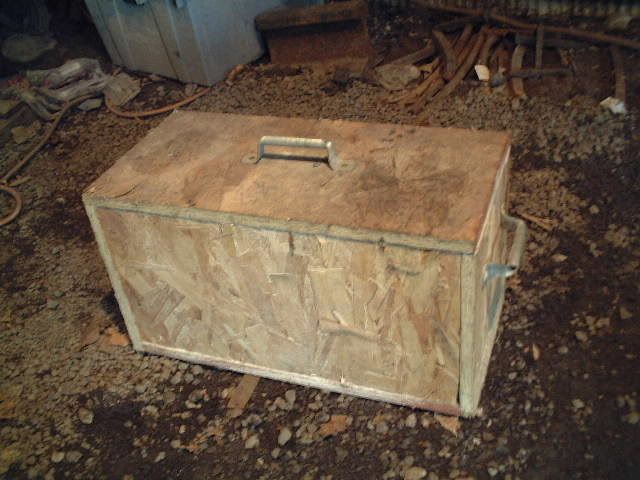
You'll need a container. I built a wooden box about 2 feet long and 12" square. Fill it with the lime. It'll be heavy! But, if all you have at the moment is a coal forge, and until you upgrade, you should use it with almost every knife you forge.
Get two heavy pieces of steel. I was using some 1/2" thick by about 3 inch wide and 10 inches long when I was still using this method before I upgraded.
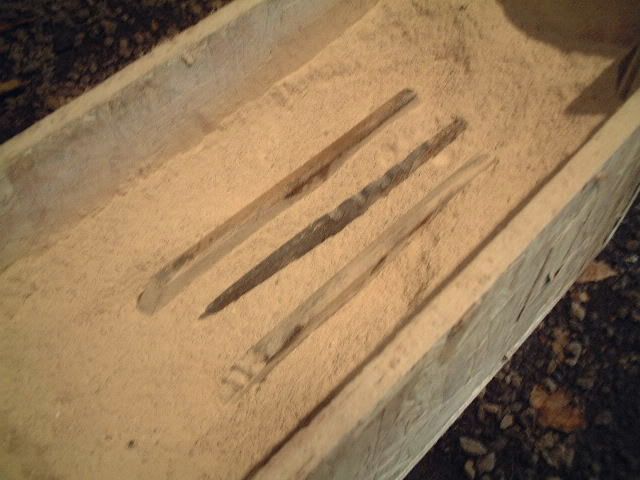
Heat these pieces of steel up in your coal until they are fairly even red - not orange or yellow! - and bury them in the lime on edge about two inches apart.
Heat up your steel that you want sperodized up to about the same color as the steel bars. you don't want to get too hot! Not up to 1500 or you may end up actually hardening them some! Just red!
Then, stick this between the other two bars. Pour a couple inches of lime on top and cover this with some type of lid.
Back in the day when I was using coal and spherodizing like this, I would do it in the evening so I could be careful of my colors. When I would go out to the forge the next morning, that lime was still hot! Even a few hours later, the steel was still RED!!
You can do it. I know you can.
Some people just wig-out when they hear the word "anneal" and start shouting about how you don't need to do a full anneal on blades. Well, this is NOT a full anneal!! This is a spherodizing anneal that equally pools all of the carbides throughout the steal which allows for free machining and drilling and grinding, etc. (And tapping!!)
That is why I said not to go to full orange color! Just up to a good even red. It's probably even still fully magnetic at this point. It's the slooooooooooooooooooooooooooow cooling that is doing the trick here - NOT the heat. If that makes sense.
My good friend Mike Fitzgerald (Fitzo) will tell you that almost all steels with any carbon at all will go non-magnetic at 1413 degrees. Not to go off on another tangent, but that's why some folks have a hard time hardening their steel is that they think if they go non-magnetic and quench, their steel should get hard! Sorry! For instance, 5160 needs to be held at 1525 for a while. That's a long way from 1413/non-magnetic!!!!
Anyway.....
The first pic is the box itself.
The second one is how you would anneal a blade or any tool steel. I removed some of the lime so you can see the positioning.
This you then cover with as much lime as you have.
That box weighs over 100 pounds!