Building Forge Question

Joined
Jul 4, 2017
Messages
6
I'm in the process of building a forge and need some info.

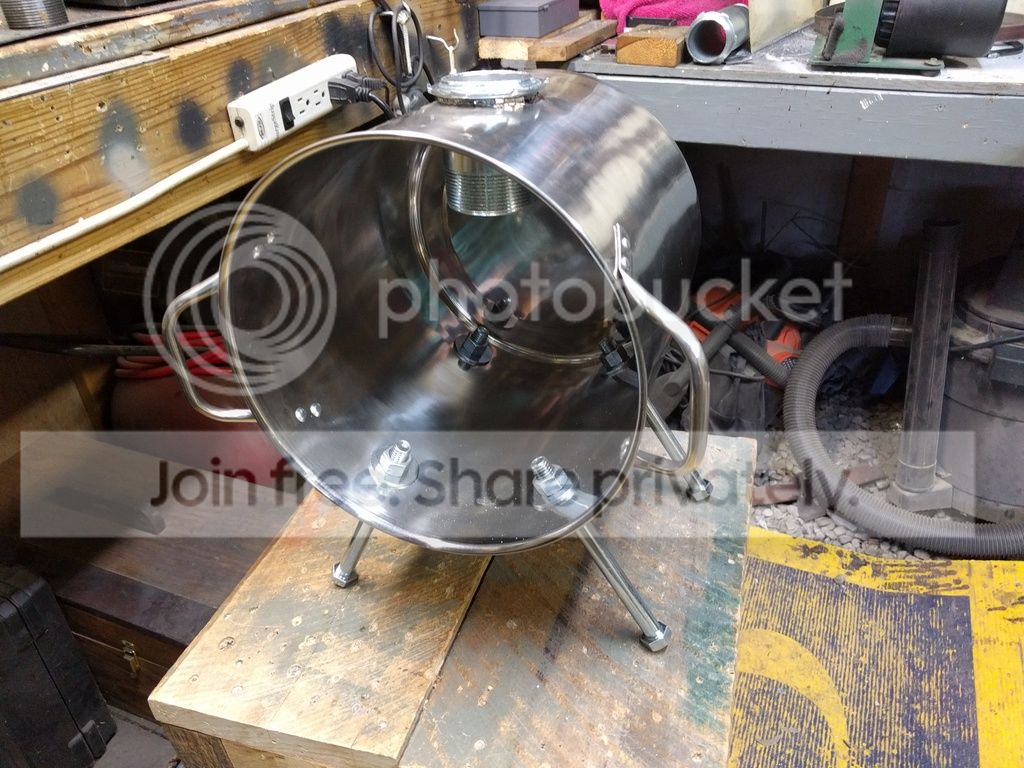
My plan is to use 2 stainless steel containers, one is 10" diameter and the other is 7".

I intend to put the smaller one inside the larger one and put insulation around the outside of the inner container. Is there anything wrong with doing it this way??

The inner container would be the actual burn chamber with stainless walls that have insulation on the outside. This would leave bare SS inside the forge and exposed to the burner.

Will it work??
 
Maybe, but probably not for long.

The inner container will reach the full forge temperature.

Stainless steels tend to Oxidize when they get hot and then, as they cool, the difference in thermal expansion between the base metal and the Oxide layer causes the Oxide layer to spall off. Although the Oxide layer will provide some protection from further Oxidation once it's all up to temperature, you'll lose an Oxide layer each time the forge heats and cools.

If you are using 1/4"-wall pipe, you'll get lots of heat cycles before you get all the way through. If you are using .032"-thick containers, you'll only have a few heat cycles before there's no good metal left.
 
It might work, but you are more or less wasting the inner pipe. It'll just get burned up eventually through scale.

I think you'd be better off using just the outer tube, 2" insulation fabric, a refractory clay like satanite and some bubble alumina for the "floor" of your forge. A coating of ITC 100(? Might be 200) will help reflect the IR back into the forge too...

If you haven't read the stickies about making forges I recommend you do. Tons of good info there!!
 
It might work, but you are more or less wasting the inner pipe. It'll just get burned up eventually through scale.

I think you'd be better off using just the outer tube, 2" insulation fabric, a refractory clay like satanite and some bubble alumina for the "floor" of your forge. A coating of ITC 100(? Might be 200) will help reflect the IR back into the forge too...

If you haven't read the stickies about making forges I recommend you do. Tons of good info there!!

Thanks for the info. I figured something was wrong with the idea or someone else would have done it already. I saw a forge on eBay with a SS grate on the bottom but have not seen anything like what this is.
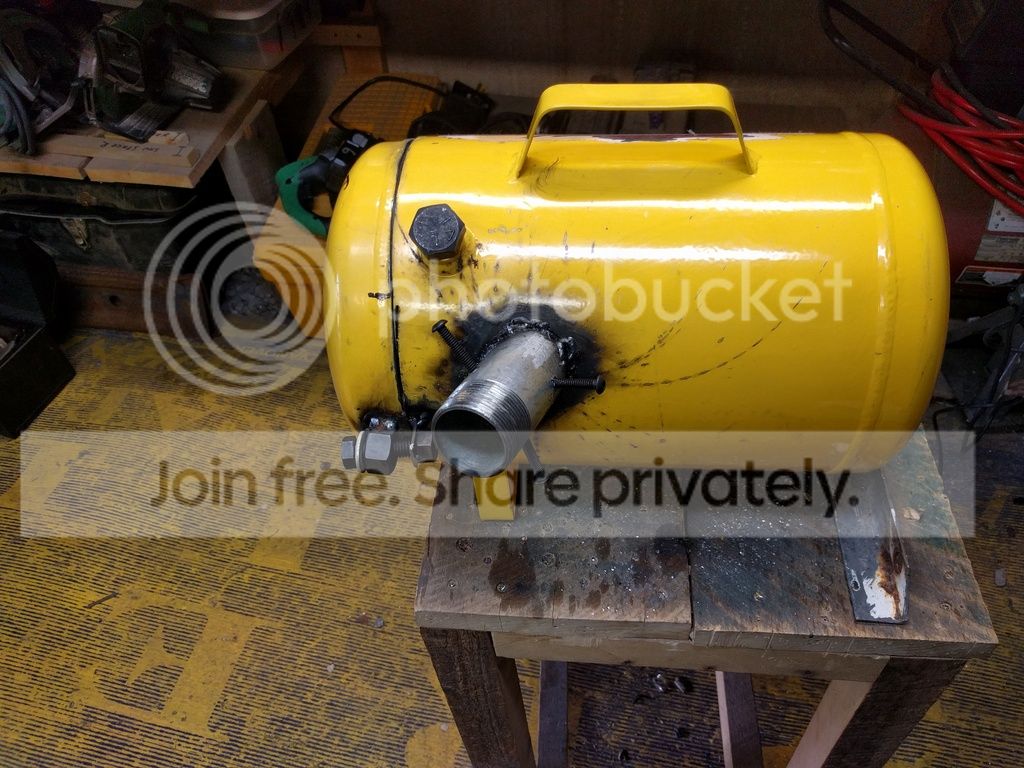
Here's what I have so far:

IMG_20170704_2011141_zpslbp0drrr.jpg
 
The way you have your burner positioned isn't the best for knife making.
You want the burner either on the 1st third of the body, angled back, so that the flame swirls around the inside towards the back. Or on the back third, positioned so the flame swirls around towards the front.
This will create a more even heat. The way you have it now will create a hot spot directly under the burner.
 
The way you have your burner positioned isn't the best for knife making.
You want the burner either on the 1st third of the body, angled back, so that the flame swirls around the inside towards the back. Or on the back third, positioned so the flame swirls around towards the front.
This will create a more even heat. The way you have it now will create a hot spot directly under the burner.
Gotcha. I cut out a notch in it today with the idea of angling it away so it should be able to be pointed to the side and either backwards or forwards.
I'm waiting on the 8# insulation, thought it would be here today, but its due tomorrow. I plan on putting an inch in the round back of the can and then an inch all around the inside.
After that it will get some firebrick for the bottom and angled part way up the sides......maybe. Then a coat of castable cement.
That's the plan anyway. I need to cut some angle to frame the brick to hold it in place. Maybe I should just cement the insulation and go with that but was worried about the flame damaging the insulation and need a platform inside the forge anyway so figure the brick should be good for that.
Thanks for all the advice.
 
So much wrong I don't know where to start.

My best advice is to read the PID amd Forge section of the stickys. The proper angles and sizes are discussed in them. Using the custom search engine you can also search for Forge Build and get tons of info.

I posted this last night, but for some reason it didn't post.
 
So much wrong I don't know where to start.

My best advice is to read the PID amd Forge section of the stickys. The proper angles and sizes are discussed in them. Using the custom search engine you can also search for Forge Build and get tons of info.

I posted this last night, but for some reason it didn't post.

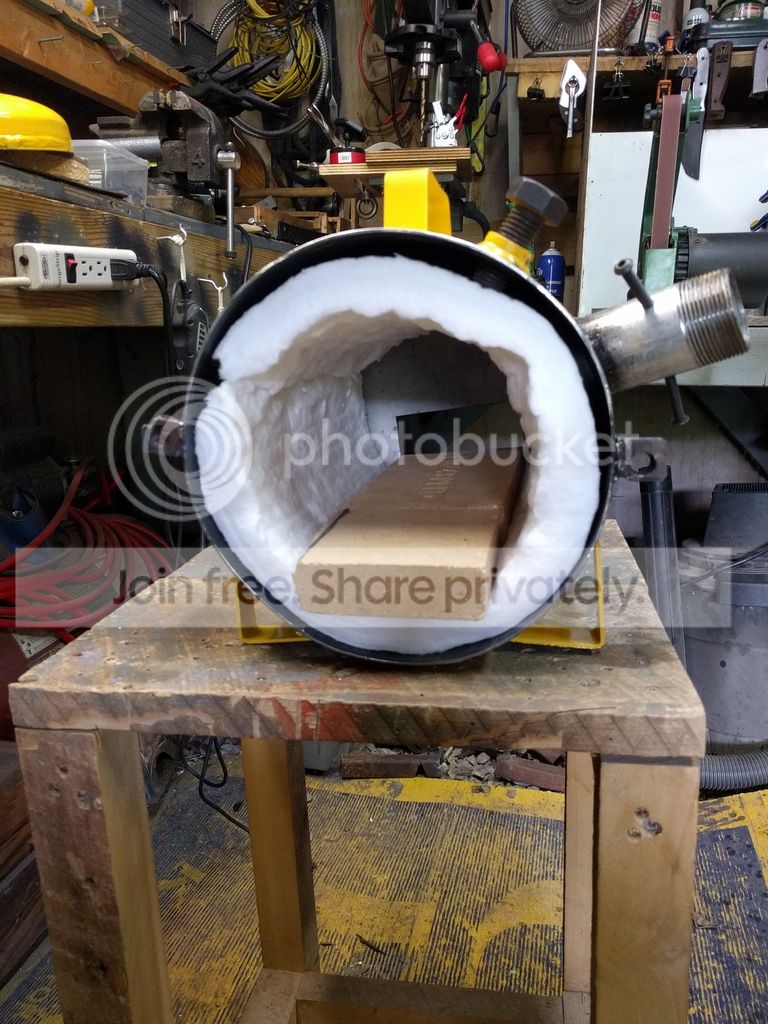
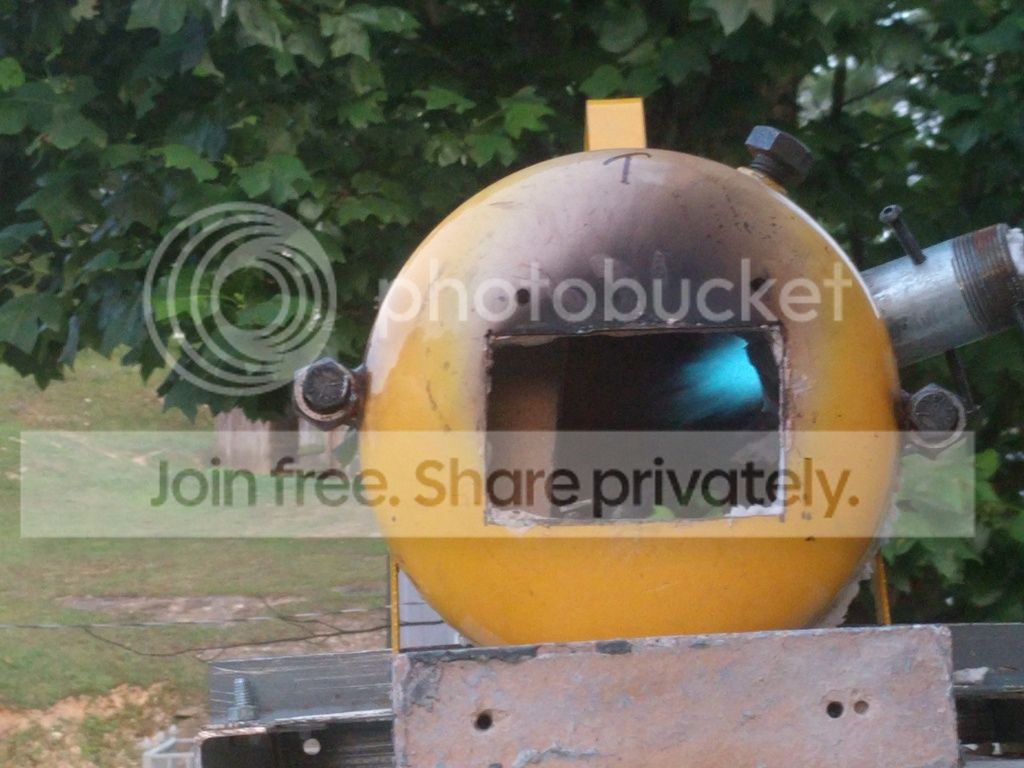
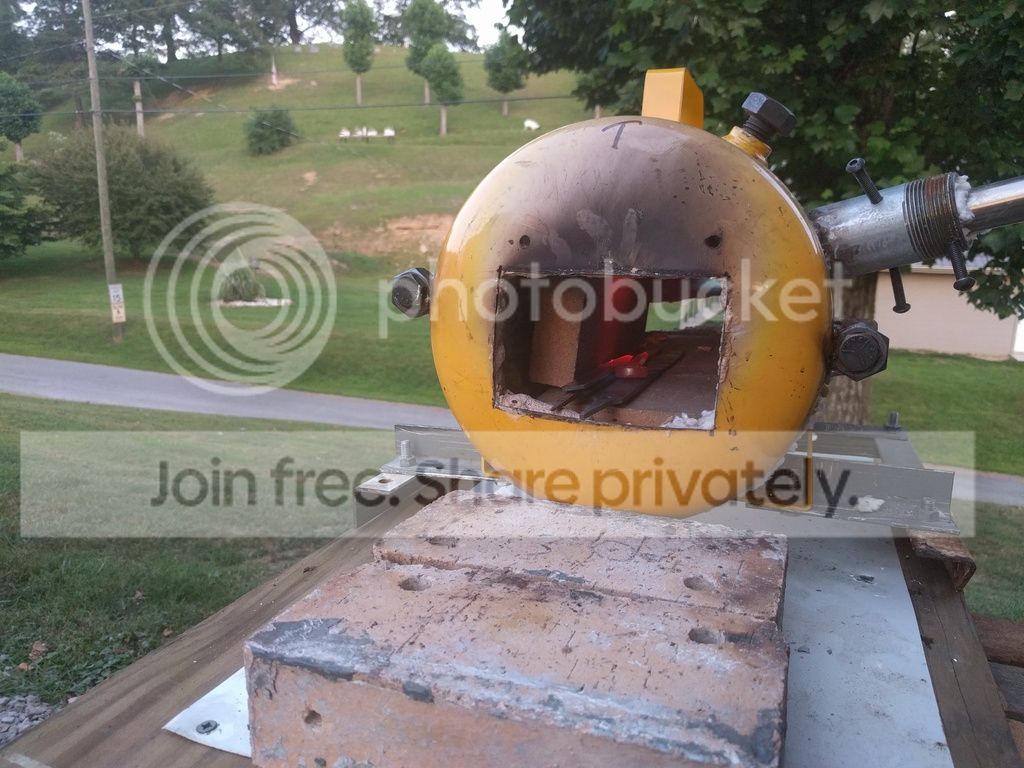
For all you naysayers out there take a look at how it turned out::::cool::cool::cool:

IMG_20170706_112908_zpsa9lljbib.jpg


IMG_20170706_123002_zpslu5rlulj.jpg

:D:D:D:D:D:D

Still some work to do but it's looking a bit better now, huh??
 
Is that just fire Brick for wood stoves? If so you will melt it, for the floor you need kiln shelf. I tryied a wood stove fire brick to close up the back of my forge once and it cracked and melted. I onley use refractory bricks now unless it needs to be tough that I use kiln shelf. What's with the small square hole in the back? My advice is make the front and back opening the same size and close the up with fire brick.
 
The back port is a pass through that also helps to reduce turbulence in the forge, increasing efficiency of the flame. A front to back to front swirl is the key to efficiency.

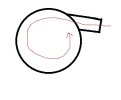
As for your port angle, front to back is good, but you also need central offset for it to swirl. Here's an image to show what I mean.

swirl.jpg
 
Get some insulation on the back wall and get it coated with something like satinite.
 
Thanks everyone.

I got it going pretty well and have been able to easily get blades to temp for HT. It has also been good so far for forging and I was able to make some 'functional' tongs out of 1/2" round bar.

I put a fire brick standing on edge opposite the burner and that helps with the swirl and there is a good area of high heat along side that brick and toward the back.

It could stand some tuning but so far its good for me when running at 12 psi gas. There was 6 knives in various stages of completion and they have now been HTed and finished and given to the lucky recipients. They turned out pretty well for an amateur and the last 2 were were better than the others. I have about got the handles down pretty well but the blade finishes are pretty rough but they will definitely cut. The mirror finish is not really what I want anyway and the first knife made got a dose of hot sauce for a patina which looks pretty good to me.

I will work with the forge some more and adjust it some while making a few more tongs and whatnots to get used to the work and get some of the bugs out of me and the railroad anvil creation that has been made. Here's a couple of pics of it in action with some files inside:

forge3333_zpshamf8dre.jpg


forge33_zpsfm7qqqkc.jpg
 
While not as horribly dangerous as some may describe, using a forge with un-coated wool is a very bad idea. A simple 1/4" coating of stove mortar, APT, Satanite, Rutland's, etc. on the wool will keep the fibers in place, make the wool last much longer, and make the forge far more efficient.
 
Yeah don't breath thoes fibers in. I hope it gets a lot hotter then what your pic shows. When done correctly the entire inside of the forge should be glowing yellow not just one spot.
 
It is coated with Rutland's so that's not a problem. There's a bare spot in the front on the pic but that has been fixed now.

Yeah, this was shortly after lighting up so not full heat yet. Still, closing up the front and back is a good idea and I use bricks to hold in the heat.

Thanks.
 
Back
Top