Clothing for winter backpacking?

Joined
Apr 23, 2002
Messages
181
Hi,

I've only been on one backpacking trip so far, and I'll be going on my second trip towards the end of this month (Central Idaho, 8,000+ ft.). So far I just picked up a soft-shell windstopper jacket. Should I be looking for a waterproof shell to go with it? Would a good down vest be a good addition?

Any advice will be appreciated.

Thanks,
Jason
 
JMFWSU, do you live in Idaho? Where are you backpacking? "Central mountains" covers a whole lot of ground. Sawtooths? Lemhi Mountains? Bitterroots? Clearwater/Lolo Mountains??

Are you going alone?? (Not the wisest of ideas at that time.) For how long??

As for the end of the month, at 8,000 feet, you should definitely be prepared for snow, and wind. I kinda doubt that you'd get rain rather than snow up at that altitude, but you might.

A good waterproof shell should also do fine for a good windbreak.

I love my two goose down vests... but I doubt I'd use them for that kind of venture, at that time. If the down vest gets wet, it's nearly useless. There are some good synthetics that would be more efficient, in that high country at that time of the Fall.

Don't forget, at the end of the month, elk and deer seasons are on in Idaho, so I strongly suggest you wear some blaze orange outer garments.

Make sure your family or a trusted friend knows exactly when you're leaving, your planned route, and exactly when you'll be back. Idaho's mountains are extremely unforgiving when cold weather settles in.

Good luck and have a good time. Take some pictures and post them for us to enjoy. :)

L.W.
 
I've never been to Idaho, but I live in Minnesota and the best thing IMO would be wool with a layer of polypropylene under it. Don't skimp on the socks either get the best you can get, cold feet suck. It's all about layering and avoid cotton at all cost. Wool watch cap, and a good scarf go a long way as well. Easily pealed off layers so you don't get sweaty is the ticket.

You can usually find some decant stuff at surplus store priced right, or go all out and get some King of the Mountain or comparable brand but you may need a second mortgage.

Good luck, have fun, and be safe.
Helle
 
Jason, you need to check with the people you are going with before you buy any more gear. At 8000 feet around the first of November, that is no place to play around. You'll want more than a softshell can provide; in fact, soft shells aren't very good for multi-day hiking.

Properly equipped and with experienced hikers, it could be a great trip. You're going to get a workout!

http://gorp.away.com/gorp/location/id/id_mtns/sevdevil.htm
 
Helle's advice is great. I second the recommendation for wool. wool and synthetics like polypro, unlike cotton, insulate to some extent even when they're wet. If you go the surplus route check around for the SPEARS baselayer. You're going to want to make sure everything is clean and loose-fitting, especially your socks. You don't want to get so hot that you sweat so strip off layers before you start hiking or doing whatever. Change your socks out for dry ones when you get to your camp if you're hiking to it. Your feet will probably be numb most of the whole time. Be careful around the fire if you build one as far as melting stuff.

Read up on signs and symptoms of frostbite and how to prevent it. Maybe altitude sickness too but that is unlikely at that altitude.
 
Jason, the Seven Devils range, huh?? Wheew! That is some rough country. Of course, most of Idaho is "rough country."

I've hunted elk and deer up in the Seven Devils, so as others have said, be prepared for inclement weather. I prefer polypro underwear, and lightweight layers of wool. Add some fleece, if you're going light. I, too, am a big fan of a warm hat and lightweight wool, or fleece scarf. Amazing how a wool scarf can keep your neck and face warm in cold, harsh winds. I always carry one.

Don't forget good gloves.

I like Smartwool socks, although there are some other good wool socks out their.

Drink plenty of water. Dehydration at high altitudes is a recipe for Altitude Sickness. That's something you do not want to happen.

At what altitude do you presently live?

Good luck.

L.W.
 
L.W.,

What do you think the road from Riggins to Seven Devil's will be like? Should I expect snow on the ground?

Are there any specific wool jackets that you would recommend?

We'll only be there for one night.

Thanks,
Jason
 
L.W.,
Are there any specific wool jackets that you would recommend?

"Might as well have the best."

Filson® is the "gold" standard -- going back to the days of the Alaska Gold Rush in 1898 or so. Available online, as I recall. Yes, it is at http://www.filson.com/home/index.jsp. Buy large enough to wear over other items so not too tight. Wool stays warm even when wet, which is not true of most alternatives.

Filson also has blaze orange items for hunting season. I have several of their products.
 
L.W.,

Are there any specific wool jackets that you would recommend?


Yes,

Fleece, cheap lighter, warm as wool and doesn't retain water.

Ya I know it melts but I dont plan on sitting in a fire any time soon.

I would plan for snow as its possible.

Skam
 
I'd second the polypro under fleece idea. Regardless of how warm it is, a toque makes for a good night's sleep. A synthetic blanket or down jacket (if your pack is big enough) is great for the campsite when you start to cool down. I'm always coldest between the time camp is set up and bedtime, hence the jacket suggestion. USGI style poncho liners are an awesome piece of kit.

EDIT: another 'trick' that helps is to chuck a thermos of hot water in the tent when you go to bed. When you wake up, a couple slugs of that will get rid of the "holy crap it's cold !' feeling while you're making the coffee.
 
L.W.,

What do you think the road from Riggins to Seven Devil's will be like? Should I expect snow on the ground?

Are there any specific wool jackets that you would recommend?

We'll only be there for one night.

Thanks,
Jason

Jason, I assumed you were backpacking in for several nights/days but as you're only going in for one night, I don't think you'll have any trouble on that road out of Riggins. (You are speaking of FR 517, "Seven Devils Road," aren't you? The one leading up to "Heaven's Gate," and the "Seven Devil's Loop Trail," ??)

Snow on the ground?? Who knows?? Only Al Gore can predict the weather, weeks, months, years ahead of time! :D

That dirt road will be well travelled at that time of the year because as mentioned before, elk and deer hunters will be in there. Black bear and Mountain Lion seasons will also be in effect.

As stated above, Filson makes great wool products. I have an older, medium weight Woolrich wool jacket that I put on over my polypro underwear, and lighter weight wool shirts, when needed. I am a firm believer in "layering." Works for me, but there are plenty of other good choices out there. Others like the lighter weight fleece outer garments. It just kinda depends on what your outdoor activities are.

After several trips out into the boonies over a period of time, you'll find what works best for you.

I'm curious as to where you live?? Are you in Idaho? If you're already living at a higher altitude, you should have no problems with the 8,000 feet mountains, so long as you remain hydrated.

Have fun.

L.W.

EDIT: P.S. - Be sure you stop at the National Forest Station in Riggins and get a map of the Nez Perce National Forest. That includes the area where you're going hiking/camping.
 
Backpacking at that time and location is very advanced winter camping.

Do you have lots of experience tenting out in the cold and snow? If not, I suggest you get that experience before going on the to far more demanding activity of backpacking.

If you have that experience, we should have only a little to add to what you already know.

If the choices of polar and antarctic expeditions and the military are guidance, wool is good and polyester fleece and polyester fill are better - and down is totally out.

Polyester fleece is so abrasion resistant that it is showing up in quantity in resale shops. I got a North Face vest for $5.00 in the Salvation Army in Franklin, PA a week or so ago. It needed a wash but had no wear I could see.

SOFT SHELLS
This term is applied to garments so different that they have only sleeves in common.

A good "soft shell" of Schoeller Dry Skin is the type of outer garment selected by mountaineering professionals. I mention the Schoeller fabric becasue it has tested best and is presently used only in "name brands." By universal repute and from my limited experience, it is highly water and wind repellant, breathes better than any "waterproof/breathable" garment , drys very quickly, and insulates some if used as an inner layer. It is not for steady, heavy rain. I have tried it once under a poncho and so far, so good. It kept the condensation from the inside of my poncho off me. I tried it once alone in a steady, light rain, and it kept me dry for an hour, at which point I came in. Cost? I got mine on sale for $129.00 (Google:thumbup:). That ain't cheap, but you can pay lots more for less functionality.

Other "soft shells" are only lightly water repellant "wind-breakers." Such a garment is useful in dry (or almost dry) conditions where a "waterproof/ breathable" is too hot but you need to keep off the wind.

BOOTS
Boots are a special issue in winter backpacking. Youi need all the function of a summer backpacking boot (comfort, stiff counter, stiff shank, traction) + the correct level of insulation and probably water resistance. I like Mendels 'cause they fit the shape of MY foot. You?

(Do you speak gaiter? If not, go back and read the first two paragraphs of this long-winded post because the answer was "no.")

 
I've romped around in the northern, very rocky, bush at -40. If you don't have boots with serious ankle support, your trip may be over by the end of the first day. ANY exposed skin at these temps means frost bite in minutes with even the slightest breeze. Simply moving into the tree line for wind protection is sometimes the difference between bearable and unbearable cold. Dress in layers. If you have too much you can take it off, not enough though, you might be pooched. Don't wait until you are super cold to start a fire, your body will make the experience much tougher. Ever whimper from your hands being burning cold trying to start the fire miles away from a community, then having a tear drop fall on your outer layers and freeze on contact? Try to avoid it, I sure do these days.
 
My winter backpacking layer system goes like this:

Base layer: Patagonia Capilene silkweight top and bottom
Mid-layer (or base): Power Stretch micro fleece
Insulation: Patagonia MicroPuff vest or a Primaloft-filled jacket
(note that I don't use down)
Outer layer: tough nylon pants (REI) or Marmot Precip rain gear.
Gloves vary by temp: Mountian Hardwear Tempest SL for cold rainy weather and mittens with fleece liners when it gets really cold.
Hat: Outdoor Research Peruvian Windstopper beanie (has ear flaps)
Scarf: fleece
Balaclava: polyester knit
Socks: merino wool and/or heavy polyester.
Boots: light Gore-Tex hikers.
Gaiters: Outdoor Research "Celestial" Gore-Tex

You can ramp up by using thicker base layers if it's really cold. I have expedition weight bottoms that work really well with rain pants-- better than heavy insulated pants. They are loose fit so I can wear silkweight long johns with them if needed and they are really comforatable to sleep in. The Power Stretch clothes cost like #$%^, but it's really comfortable and sheds moisture quickly. it will dry from body heat alone. Power Stretch is great to sleep in too.


Don't forget good sunglasses. Glacier-style glasses with side shields and high UV filtering are best for long exposure on snow. Snow blindness is incredibly painfull and losing your sight in the wrong place could kill you. A good pair of ski goggles can do the trick too.

Remember, when you are hiking, you are working hard and you need to vary your layers to suit your level of exertion. Your back will have the pack for insulation and wind protection. You need a good layer of down or polyester when you stop to rest or camp. Your stuff needs to breathe well-- getting too sweaty can kill you in the cold. Pit zips, venting pockets and other means of ventilation are really needed. Full front zippers really help to vent as you get too warm without having to take a whole layer off-- like you will be heading downhill in a minute, etc.
 
Thanks for all the replies so far. I take all of your advice seriously.

L.W., I live just north of Spokane at about 2,000 ft. I went on a backpacking trip last month at about 5,200 ft. and couldn't tell a difference, but maybe 8,000 ft. will be different. I plan on taking 517 to Seven Devils...as long as I can make it in my car.

As far a layering, here's what the guy at REI suggested:

polypropylene undershirt or shirt
Fleece Jacket
Marmot Precip Breathable Rain Jacket -or- Windstopper Fleece (depending on weather)
Neck-warmer and Hat
 
I plan on taking 517 to Seven Devils...as long as I can make it in my car.

Hey JMFWSU, you are probably getting sick of all the warnings, but here is one more....

As long as I can make it in my car IN may not equal as long as I can make it in my car OUT.

Even if just going in for one night, may you want to equip your vehicle with additional supplies: more food, extra clothing, another sleeping bag or blankets, a good buck saw and axe to clear fallen trees and a good radio in case your road gets blocked up while you are gone. Dirt roads don't usually get that much attention during epsodic incliment weather.
 
In that type of weather I usually carry a synthetic filled vest. keeps your core temp up and doesn't restrict your arms.

I'd have a base layer, fleece jacket, vest, shell jacket.

Have a good hat and a neck gaiter. Warm socks are also a must, I recommend Smartwools.

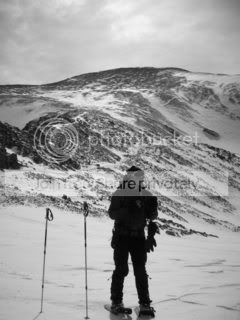
On this trip I wore a synthetic t shirt, synehetic long sleeve, fleece jacket, vest and shell. On the legs i had long underwear, schoeller type pants and shell pants. This was in February in the rockies above 14,00 feet. I was plenty warm.

DSCN0838.jpg
 
L.W., I live just north of Spokane at about 2,000 ft. I went on a backpacking trip last month at about 5,200 ft. and couldn't tell a difference, but maybe 8,000 ft. will be different. I plan on taking 517 to Seven Devils...as long as I can make it in my car.

As far a layering, here's what the guy at REI suggested:

polypropylene undershirt or shirt
Fleece Jacket
Marmot Precip Breathable Rain Jacket -or- Windstopper Fleece (depending on weather)
Neck-warmer and Hat

Jason, I imagine you'll feel some of that 8,000' altitude, but it shouldn't bother you if you stay hydrated. Drink plenty of water: much more than you do at home.

Is your car a four wheel drive vehicle? If not, and you get out of Riggins on FR 517 and it's snow covered, or if the weather forecast says it is likely to snow.... I suggest you not drive a two wheeled drive vehicle.

Living near Spokane, you obviously deal with snow at times, but remember that those old forest service, logging, and mining roads are not nearly as "friendly" as town streets. Especially when they have snow on them, or are muddy ;)

As for clothing, I'd add a wool shirt to your list, as it seems a bit light for my tastes. Also make sure you have good, warm pants, to go over your polypro underwear pants. No cotton.

As ILBRUCHE (and others) said, as long as you're going in by vehicle, take MORE than you think you'll need. Food, water, extra warm clothing in case you get wet, extra wool blankets or sleeping bag, First Aid, etc. Far better to have it and not need it, than to need it and not have it.

Be sure and take some pictures, have fun, and let us know how you did.

L.W.
 
Back
Top