

- Joined
- Jul 20, 2011
- Messages
- 351
First a disclaimer: I really don't know much about electricity and neither one of theese electronic devices are meant to be used in this manor so anyone brave or stupid enough to attempt to dublicate this "build", do so without me being responsible.
However, this device was built so easily that I want to share it with you guys.
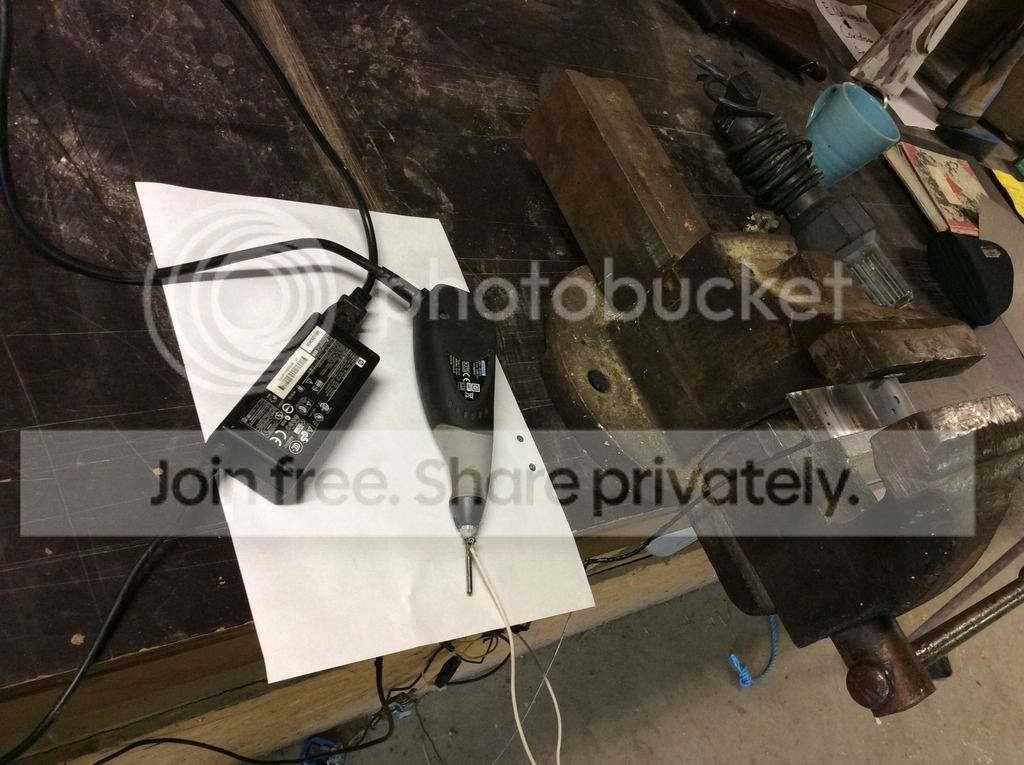
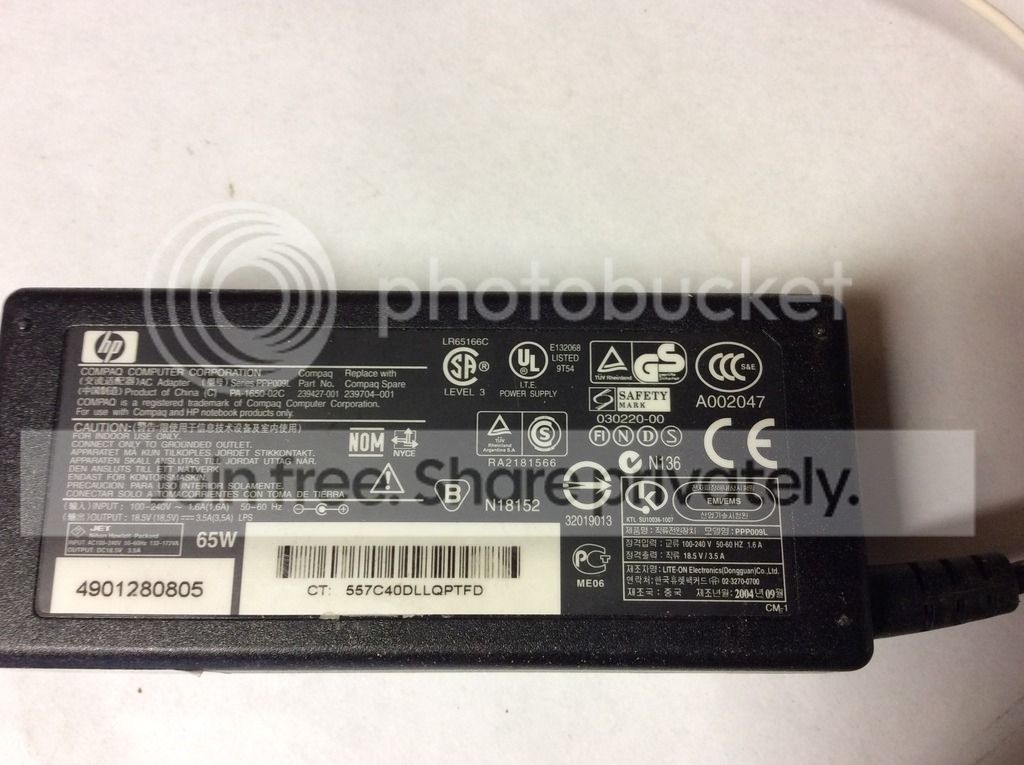
Background; I needed a carbidizer but I was on a budget and living in Sweden, I could not find one that would fit our 230 volt single phase power grid. I already owned a Dremel engraver but I could not find a complete and detailed information about building the rest. The little pieces of info I did find, seemed to suggest that the power output needed to be around 25 volts and 0,9 amps, but I do not pocess the skils needed to build one myself, so I started looking for alternatives. By chance, I stumbled upon an old charger for a laptop computer, with a DC output of 18 volts and 3,5 amps. I split the output cable, connected one wire to the tip of the engraver and the other to the workpiece ( No, I had no Idea which one was the anode and which was the cathode) and fired it up. Much to my surprise, it worked right there. I have tried it on a few linerlock faces and some scrap pieces and it really seems to work. Sticky locks are sticky no more.
Now, I have no doubt that a proper unit will work better and/or faster, but it solved an immideate problem for me without any costs.
Brian
However, this device was built so easily that I want to share it with you guys.
Background; I needed a carbidizer but I was on a budget and living in Sweden, I could not find one that would fit our 230 volt single phase power grid. I already owned a Dremel engraver but I could not find a complete and detailed information about building the rest. The little pieces of info I did find, seemed to suggest that the power output needed to be around 25 volts and 0,9 amps, but I do not pocess the skils needed to build one myself, so I started looking for alternatives. By chance, I stumbled upon an old charger for a laptop computer, with a DC output of 18 volts and 3,5 amps. I split the output cable, connected one wire to the tip of the engraver and the other to the workpiece ( No, I had no Idea which one was the anode and which was the cathode) and fired it up. Much to my surprise, it worked right there. I have tried it on a few linerlock faces and some scrap pieces and it really seems to work. Sticky locks are sticky no more.
Now, I have no doubt that a proper unit will work better and/or faster, but it solved an immideate problem for me without any costs.


Brian
 but I will do so and let you know. Idon't think it is a lot though. The deposit is clearly visible but It has not been necessary to refit any locks.
