Rabbits have fat. If you eat nothing but protein, you can shift your nitrogen balance way over and end up ketotic, but it isn't easy to do and it has nothing to do with fat content.
Yep - this is essentially pushing your body into symptoms very much similar to advanced diabetes. Under advanced diabetes, your body stops producing insulin which is the hormone that signals the muscle and fat cells of your body and the hypothalmus of your brain that regulates the feeding centre to detect and use glucose that is circulating in the blood.
So the diabetic has lots of sugar in the blood, but the brain doesn't see it and interprets this as the body being in a fasting or starvation state. It then upregulates glucagon which stimulates the breakdown of fat to release even more sugar in the blood as well as the breakdown of protein to release ketone bodies. The brain can only use glucose or ketones bodies for a fuel. Since the brain doesn't recognize the presence of sugar, it just keeps causing the body to breakdown its own protein to produce ketone bodies. This causes a wasting syndrome or weight loss, all while the patient remains constantly hungry and over-eating.
The build-up of ketone bodies contributes to acidosis of the blood and can lead to symptoms such as blindness, kidney failure and under severe blood acidosis coma. So, the rabbit diet can contribute to blood acidosis if you eat only the protein portions of it and do not include fats or carbohydrates. As indicated by CaptInsano above, you need to effectively first deplete your own fat reserves before the rabbit diet will contribute to this condition. Even small amounts of fat and carbohydrates will offset the blood acidosis effect. While it was mentioned earlier that fats are what is lacking in the rabbit diet, the symptoms can also be offset by consuming carbohydrates.
For example, the major storage of carbohydrates in our (and most vertebrates) bodies is in the form of glycogen that is stored primarily in the liver. By eating the liver of the rabbit you will effectively obtain a good shot of carbohydrates that will offset the ketosis symptoms. As already indicated the eyes and underlining of the skin (facia) can hold good amounts of fat. Eating some of the mesentary, the membrane that holds the organs in place can also provide some fats. Fats can also be found lining many of the organs, particularly around the intestines.
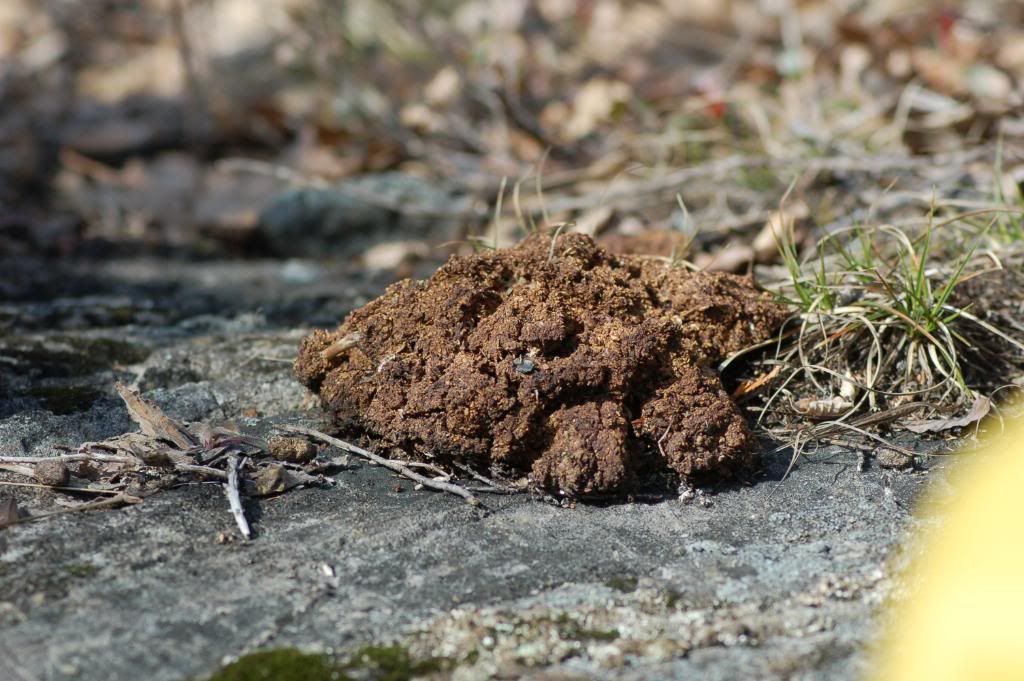
One other little tidbit, rabbits undergo what is called coprophagia - they eat their own feces. They are designed to do this and produce two types of feces, one is a soft dark mucous covered pellet that they re-consume; the other is a dried out, harder pellet that isn't consumed. Since these herbivores do not contain multiple stomachs like cows to optimize digestion of cellulose, their symbiont microflora is seeded in the lower intestines. The beneficial bacterial they house in the lower intestines breaksdown cellulose into sugars and fatty acids but can't be effectively absorbed here. The first set of pellets (the soft mucous covered ones) is thus re-consumed so the rabbit can get the benefit of all the nutrients released by the bacteria symbionts. So the whole reason for iterating that last paragraph was to suggest also eating the stomach contents of the rabbit.