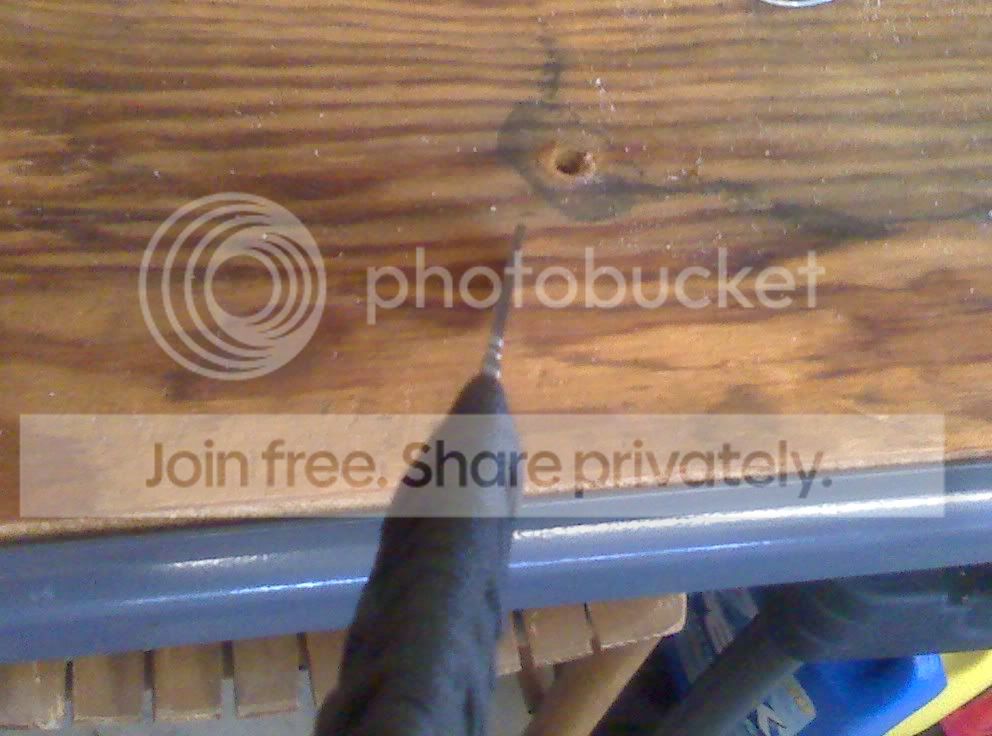
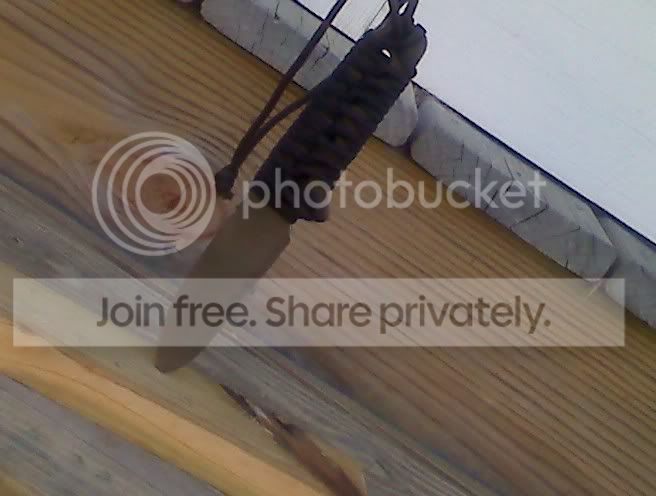
First decent looking knife (:

Joined
Mar 22, 2009
Messages
1,518
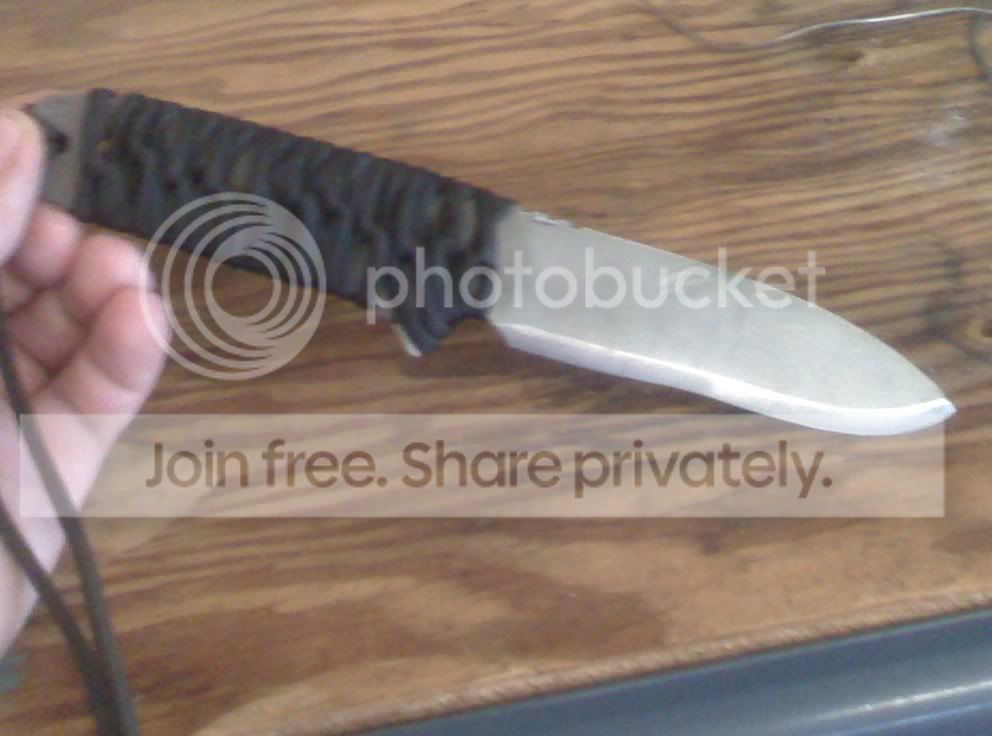
Finished up this today, 1/8in o1 from saw blade, drop point camp knife. 4in cutting edge, 8in overall. the finish was sandblasted then the blade was polished on a brass wire wheel, the handle left with the sandblast finish. OD 550 cord wrap for the handle. Did my own heat treat and got it where I can go baton some wood and still be sharp enough to shave paper. This one developed a bit of recurve in the middle of the blade, kinda looks like a kershaw blur blade, but it will prolly sharpen out. any comments/crit. welcome

Edit: forgot to mention, but do remember Im only 13.


0418101754a.jpg

0418101754b.jpg

0418101755a.jpg
 
your def on the right track. just curious but i see you wrote its saw blade steel and if im reading that right o1 steel. how come you think its o1? alot of saw blades are variations of L6 steel and variations of 15n20 steel but havent heard of o1. if you know something i dont please clue me in. what was your heat treat process? the recurve portion of the blade would be from forming the burr uneven when sharpening and so its grinding that area down when your trying to form the burr on the rest of the blade. for your next knife or if you decide to regrind this 1 just keep working it down nice and even on both sides and across the length of the blade and if you get an area thats thinner you need to stay off that area til the rest of the blade catches up therefore giving you a nice even burr across the edge and no recurve...
 
your def on the right track. just curious but i see you wrote its saw blade steel and if im reading that right o1 steel. how come you think its o1? alot of saw blades are variations of L6 steel and variations of 15n20 steel but havent heard of o1. if you know something i dont please clue me in. what was your heat treat process? the recurve portion of the blade would be from forming the burr uneven when sharpening and so its grinding that area down when your trying to form the burr on the rest of the blade. for your next knife or if you decide to regrind this 1 just keep working it down nice and even on both sides and across the length of the blade and if you get an area thats thinner you need to stay off that area til the rest of the blade catches up therefore giving you a nice even burr across the edge and no recurve...

I believe it said it on the blade I cut it from, that it was "high carbon o1 toolsteel"

As far as heat treat, just got the entire blade red hot in the fire, then quenched in water. then for temper used a torch to get it straw colored, then immediatly went into quench bath.


Edit: forgot to mention I just started on 2 more blades, gonna be 2 edc/neckers. I speant a couple hours tonight on one, its a nice little wharncliffe with 3 finger grooves. I want to try and flat grind this one. Any one help me with flat grinding as in how its done?
 
well good job! as far as the flat grinding goes are you using a belt grinder or hand filing or bench grinder?
 
13???!!!!! when i was 13 i could not have done such great job, keep at it you'll be making masterpieces by the time you are 20:):thumbup::thumbup::thumbup::thumbup:
 
About your heat treating, how long did you keep it red hot? My understanding is that it takes about 10 minutes of red hot on a 1/8" blade?
 
Its primarily designed for oil but water will work if it doesn't respond to just oil. Since I'm stuck with coffe cans as quench tanks (!!!!) I have to first dip the blade in water then quickly transfer it to the 2nd coffee can filled with oil else..the water or oil would heat up too quickly preventing it from cooling at a sufficient rate. This method helps some, but I'm not sure if it still works or not. The blades still don't seem to harden much.

Anyway, I consider that as a good start. My first knife developed a curve in the blade as well (inward curve instead of recurve though). Fortunately for me, that actually improved the design for my purposes. (if the tip was sharper it would have that is) Your knife also seems to be a very practical design
 
O-1 is designed to be quenched in oil. If you want to use water just heat it up with a few pieces of spare hot metal or if your using a coffee can just place it in the fire until it boils. When you go to quench it in the water the thermal shock won't be as drastic. Here's more than you ever wanted to know about O-1

http://www.diehlsteel.com/o1.aspx
 
Back
Top