- Joined
- Feb 6, 2010
- Messages
- 1,427
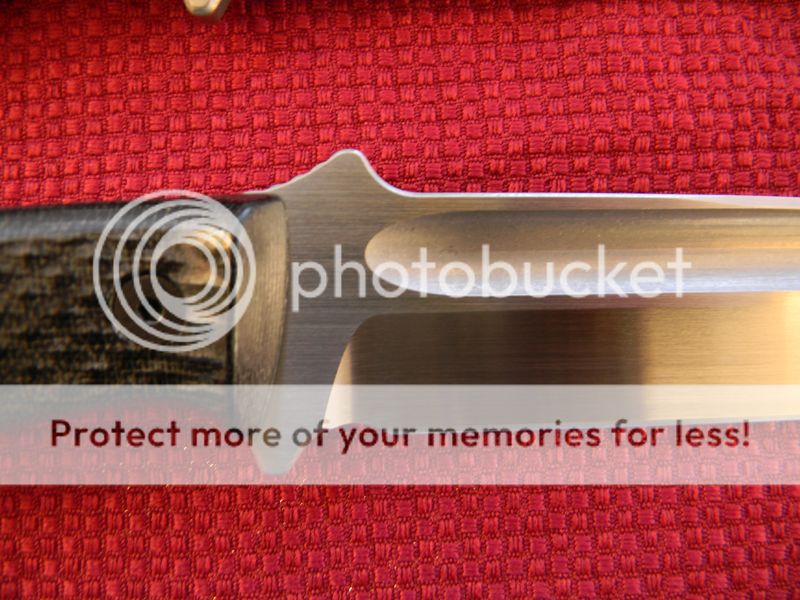
95% of the knives I have made since I started making knives are hollow ground. I am now flat grinding some blades and I don't like the look of my plunge lines. On the wheel I curl over the belt a bit to dish out the plunge which I think looks great but I am not sure how to get a nice plunge line with the platen. I have two grinders with platens made f D2 and A2 steel by Nathan Carothers.
Should I try to chamfer or radius the edges of my flat platens to get a nicer plunge? If so what method of making them the same do you suggest? I was looking at some video of Salem Straub showing some nice plunge lines on some of his knives but could not tell if his platens were modified. He makes beautiful plunges on his grinds and I would like to attempt the same.
Any advice would be appreciated. Also, before I forget I have noticed that some knife makers start their flat grinds by hollow grinding the blade first. Is this a big advantage and if so should I use a large wheel like the 14 inch? I need some advice . Thank you, Larry Lehman
Should I try to chamfer or radius the edges of my flat platens to get a nicer plunge? If so what method of making them the same do you suggest? I was looking at some video of Salem Straub showing some nice plunge lines on some of his knives but could not tell if his platens were modified. He makes beautiful plunges on his grinds and I would like to attempt the same.
Any advice would be appreciated. Also, before I forget I have noticed that some knife makers start their flat grinds by hollow grinding the blade first. Is this a big advantage and if so should I use a large wheel like the 14 inch? I need some advice . Thank you, Larry Lehman