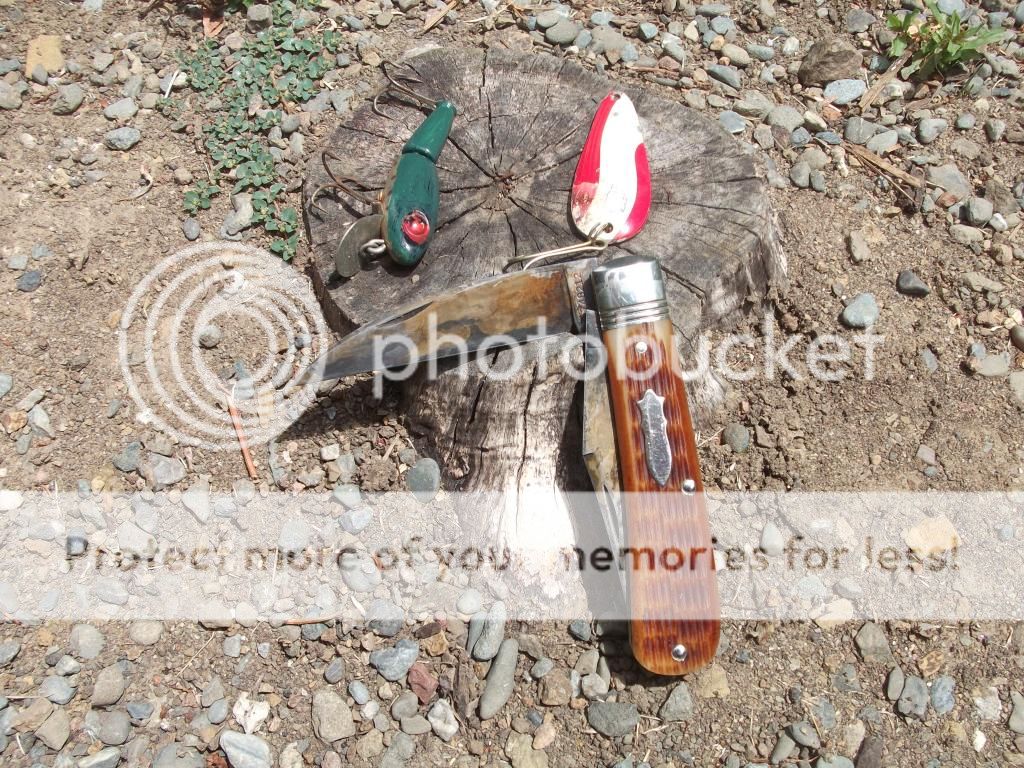
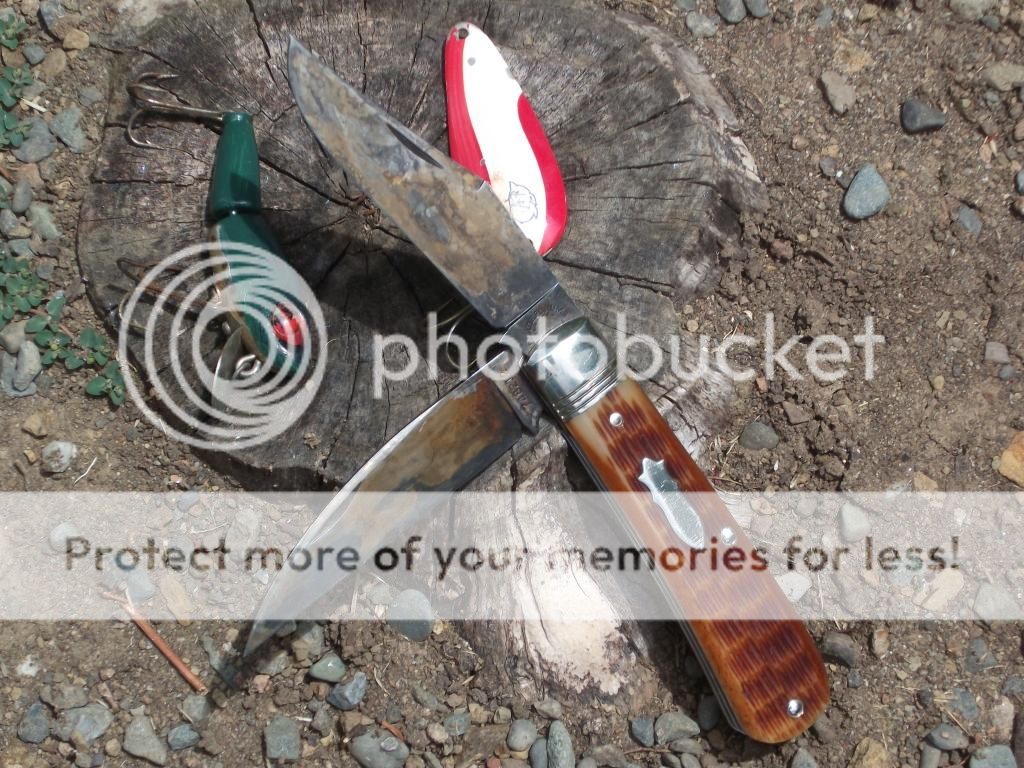
I have been playing with vinegar patina lately. The gold color is just the first coat color. If you do another treatment, it will add to what is there. By about the 3rd treatment, you will begin to get a stable gray, in some lighting angles.
Here for example is a first pass treatment. It consisted of a paper towel soaked in some apple cider vinegar that I microwaved to steaming, and left the blade wrapped for 30 minutes. The shiny part of the blade is the result of 1500 grit emery paper rubbed along the blade when closed.
Here is the same blade, treated a second time, same way, but for 1 hour, and barely wiped, and just oiled. I just finished the treatment about 15 minutes ago, and some of it will still rub off. It will change again with use and exposure to acid foods.
keep in mind that if you wipe the blade right after it comes out of the vinegar wrap, a lot of the patina wipes back off. I rinse the blade in running water, let it dry, and oil it. I then wipe lightly with a paper towel, which again removes some of the patina.
It will probably end up a bit less black, more like this one, treated in similar ways
My goal is to develop a somewhat uniform base layer, instead of splotchy as produced by mustard or other lumpy acids. With any newly forced patina, it looks best if you strop or polish away some of it at contact points along the spine and cutting edge, in my opinion.
Here is a kamagong's beautiful ebony spearpoint showing how edge polishing makes a forced patina look more natural. imho, it would also benefit from having the spine swedge, and long pull highlighted a bit.. (not to the exaggerated degree of the one I posted, which is a completely straight line.. and looks contrived.. I like experimenting, since I know I can change the patina if I dont like it..)
That patina is a very nice and even grey. Especially on the wharncliffe blade. Is that because you don't cut anything with that blade? My users get very uneven patinas, that change constantly..