Help fixing a rolled edge on my convex bravo 1

JCK

Joined
Nov 7, 2009
Messages
645
So I've been using my bravo 1 around the house doing stuff, and I was cutting an apple in half, and i pushed down on the knife and the apple had a bit of resistance, so I pushed a bit harder, it cut through, and because the board I was using was a thin plastic one, it hit the granite like bench underneath, which is very hard, and it rolled the edge of my bravo 1.

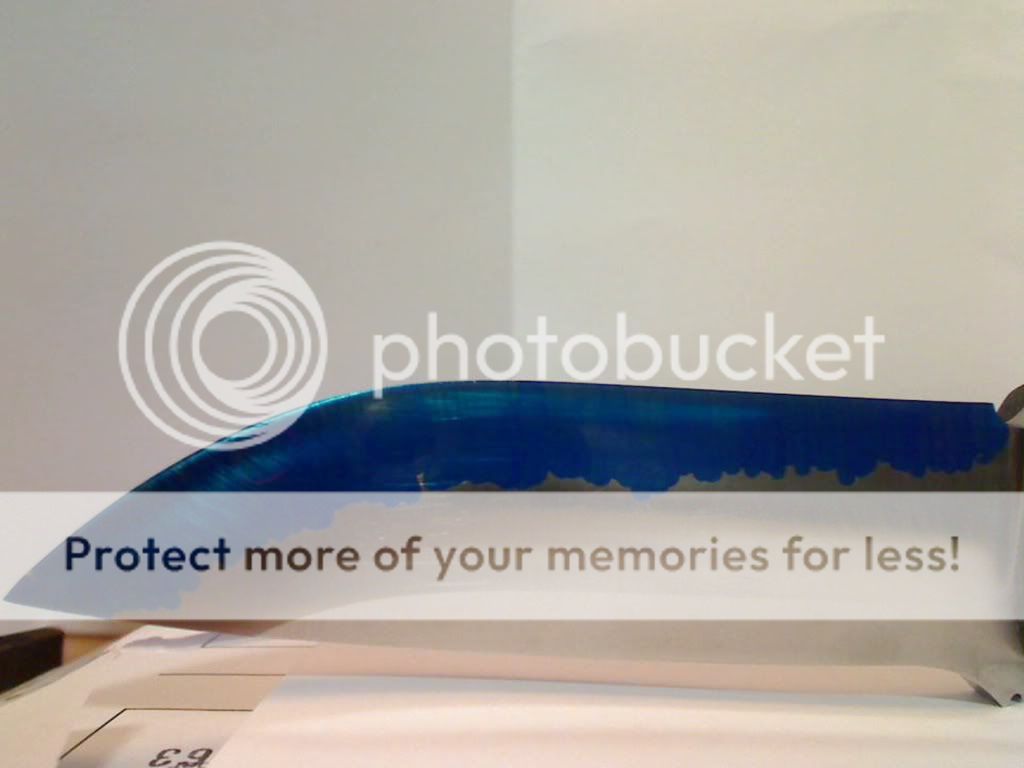
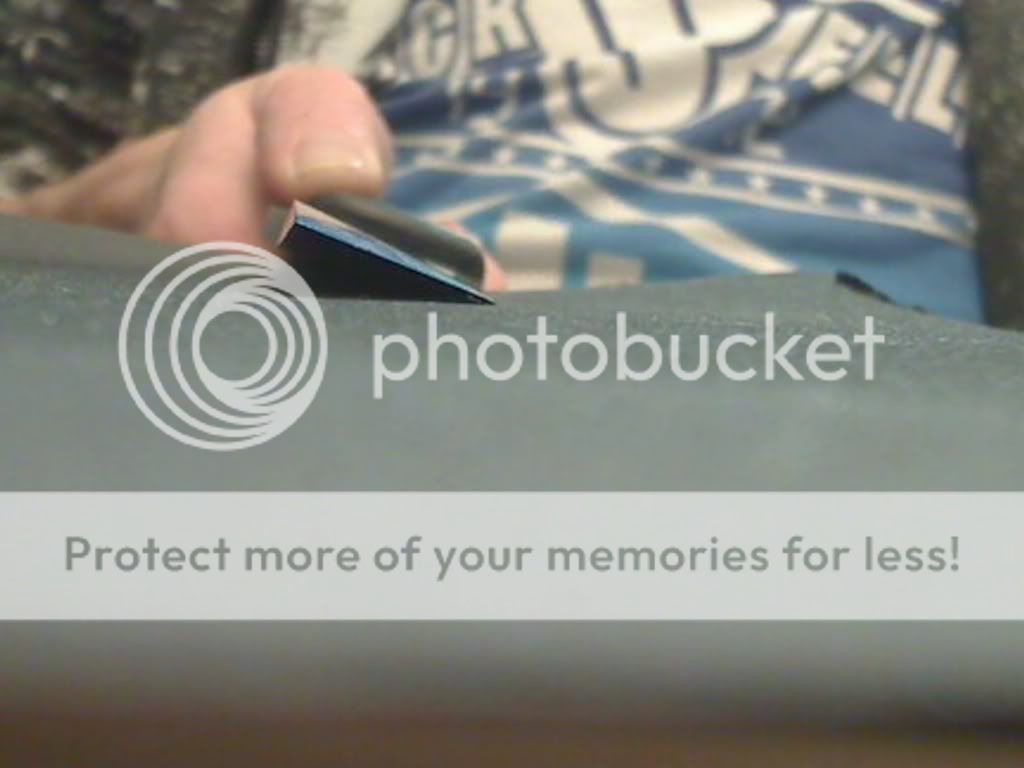
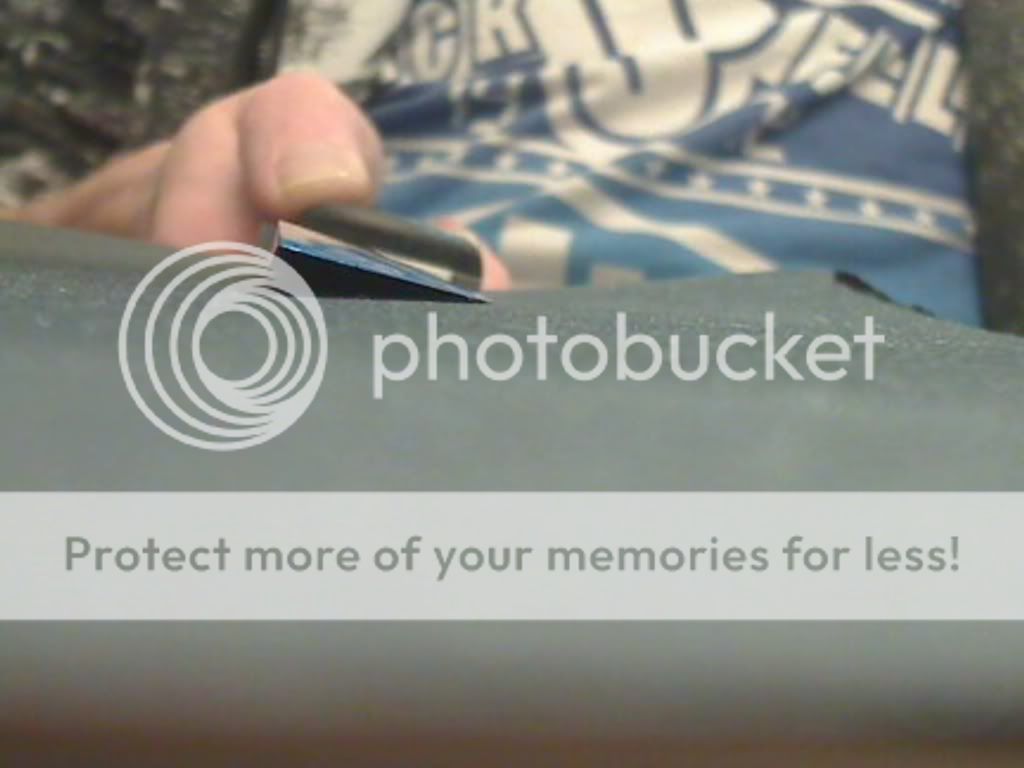
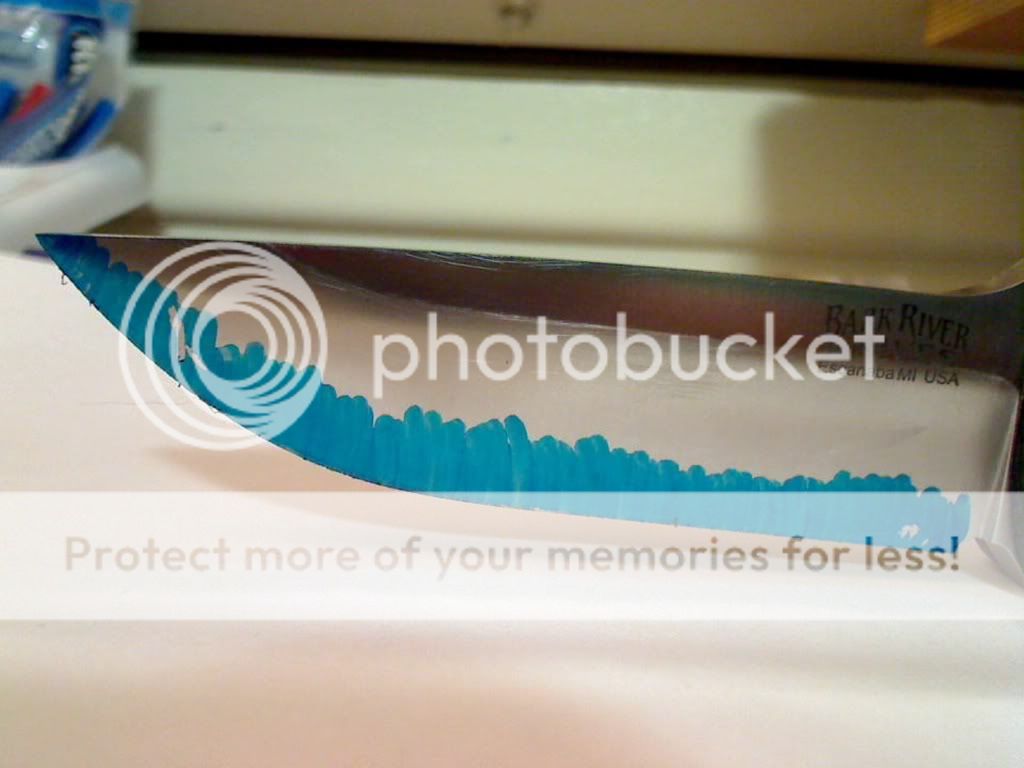
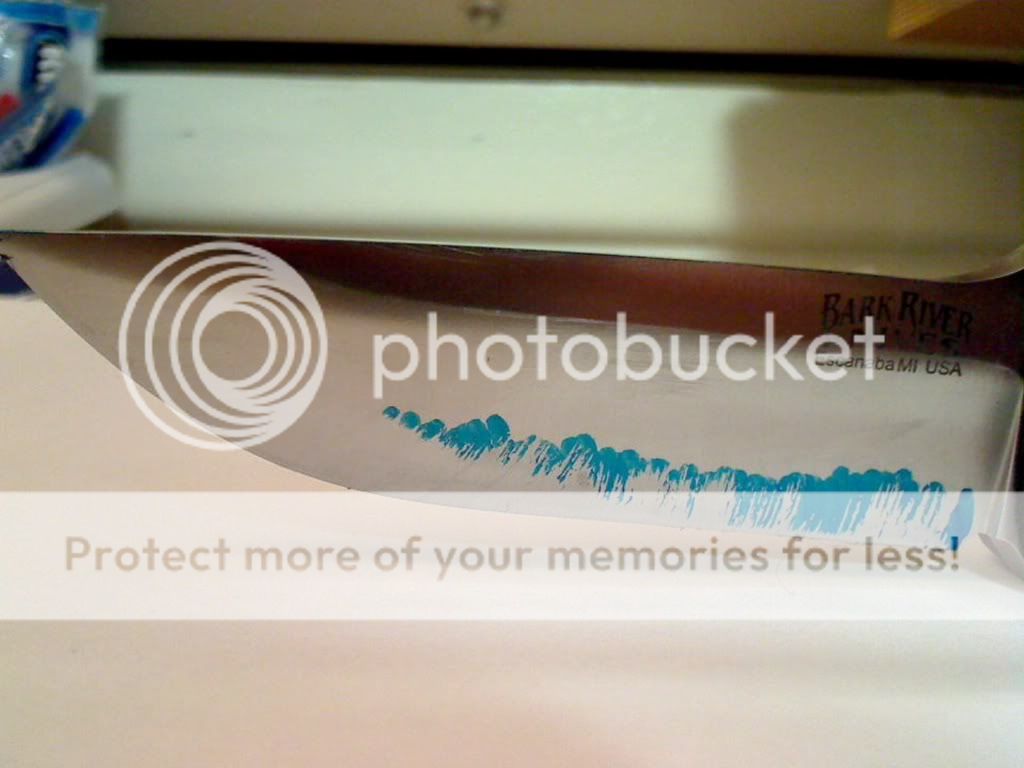
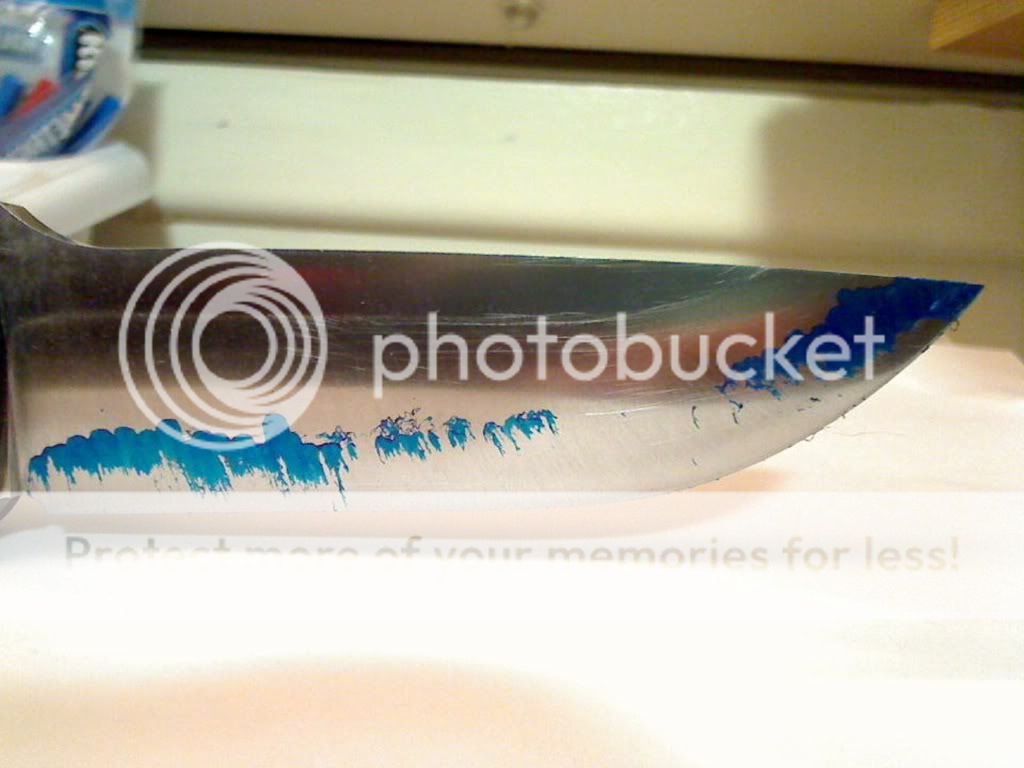
here are some pics to show you. They are not the best as I only have a webcam.

Picture4.jpg


Picture3.jpg


Picture2.jpg


Picture-5.jpg


I added the black around the last one as I think it helps to see the edge, as its a bad photo with bad lighting.

I can see it without a camera on it, and feel it as well.

I have no idea how to unroll my edge. Is this permanent damage? I guess its better than a chip in the edge.
I have sandpaper in 120, 320, 600, 1000 and 2000 grit, but no leather strop. I don't have any experience really even sharpening with sandpaper. I did try a reprofile on my old folder, and it did seem to convex it, its just a very dull convex.

I have no idea how to fix my knife, as this is my first convexed edge knife, and my first FB.

any help would be appreciated.
 
You should have no problem, the BRKT convex practically finds its own angle when you sharpen. Watch the knives ship free vids and I would probably start with 320 grit, also remember to keep your pressure even.
 
should I use the sandpaper and mousepad method. I saved all their videos, but was going to view them when I get my strop.

I'll look at the mousepad + sandpaper one
Should I go up to 2000 grit?
also should I do the whole knife edge, or just concentrate on the rolled section?


thanks for the help knifenut
 
Do the whole knife, you want to keep it even. Yes go to 2k.

When you start don't worry about sharpness at first just work on getting the edge smoothed out. Once you get the damage out work on making it sharp, even with 320 you should get a shaving or near edge. Every grit beyond that should make it sharper and more refined in looks, by the time you reach 2k the edge should be scary sharp and hair popping.

Yes, mouse pad and sandpaper. Most will say light pressure but I think heavy works best, when I sharpen BRKT's my grind goes about 1/2 inch up the side of the blade. Also watch the top of the scratch pattern it lets you know how even your pressure is. A nice straight line means you are using even pressure, a wavy line means your pressure is uneven.
 
Some ppl say it is wrong to work up a burr on convex but I find that works the best. Burr on one side then switch and go up to 2000 and at this point the burr is super fine. Hit it with the strop to remove the last of the burr and your blade will be awesome.
 
That's what most call chasing the burr, your going too raise a burr if you are doing things correctly but should only be done with your coarse grits. all finer grits should be used to refine and make the edge sharper than the previous grit, you should have almost NO burr before stropping.
 
How do I know when to stop using 320 and start using the next grit up. Is it just keep using 320 until it can cut paper cleanly?

Also do I just focus on one side and then do the other side, and then go up a grit. The video on KSF shows doing one side after the other.
 
Doing one side at a time prevents you from making a uneven grind in relation too the center line of the knife.

When the edge will not get any sharper by feel and the scratch pattern in the blade is no longer changing its time to move on. This can be difficult to notice at first but try and think of it more like surface polishing, your simply refining the scratch pattern over and over until you end up with a finish and sharpness you are happy with.
 
ok so I shuold be doing one side at a time not alternating. I did it the other way, it de rolled the edge, so it is sharp again, but it still catches at some points, like gliding it through a piece of paper, the edges of the cut will be clean, but then a bit ragged when it catches, will still slice, its just maybe "toothy".

Is this to do with my hand not holding a consistent angle.

Maybe i should take some photos of what the blade looks like after one pass with some blue whitboard marker on the edge? would that help correct and see errors in ym technique?

thanks for all the tips though, they are helping.

EDIT: Ok so I've been doing it one side at a time, and I am raising a burr, I can feel it, so I must be doing something right, it is switching sides as far as I can tell, so do I move up, or shoudl I kep going until it can slice paper cleanly, as it won't really slice paper (this would be the burr that is catching?)
 
Last edited:
No you want to alternate, doing one side at a time is best left for experienced sharpeners.

Pics would help
 
Sorry to confuse you with that other post, I worded it wrong...
 
Are you using the 320?

Yes, the burr will prevent a clean slice but so will the edge at that grit. As you finish with each grit ease up on the pressure with the last few strokes it will help to reduce the burr.

If there is no underlying scratches and all you see is the scratches you are making and the edge is feeling sharp then you can probably move up a grit.
 
Here are some pics
Picture8.jpg


Picture7.jpg

I used a blue whiteboard marker on each side, about 1cm thick.


Picture11.jpg

Here is the anlge I am trying to hold. Is this too low or to high

Picture12.jpg

Is this a better angle


Picture14.jpg


Picture15.jpg


before and after doing the logo side

Picture13.jpg

after doing the non logo side
 
Unfortunately I am at work and my phone won't allow me to see all the pics. The first angle hold pic looks good, I be able to tell more when I can see the rest oof the pics though.

Pressure will be the next most important aspect, you need to be pressing hard enough to create the shape. Usually about 2 to 3x the weight of the knife.
 
You think that's a rolled edge? Check out what happened to my cheap knife when I tried to carve wood with it....

P5194708.jpg


P5194706.jpg


P5194707.jpg


Might make a thread later on that. In the mean time: any advice on this? On the other hand I might as well throw it out after breaking it completely but it's nice in a display.
 
Repeat after me, "Iron is NOT the same thing as ironwood."

;)

Haha, no, no it is not. It was cherry wood from my own garden. I know it's a bit tougher than most woods but none of my other (some cheap, some high end) knives had trouble with it at all. I made a new handle for a firesteel :cool:

Also, JCK, the angle you're sharpening at may be a little too steep. I'm not sure though, I don't have much experience with convex sharpening. Don't listen to me! ;)
 
Last edited:
:eek: keep it.

Thanks for the tip, so a bit shallower may make it better. I have managed to get it pretty good, still a bit toothy, so I may start ffrom 600 again and go up from there.

But thanks for the tips and advice everyone, I know know (not perfectly) how to sharpen a convex edge. I'm still waiting on a strop though.
 
You can probably use both angles, the lower one to flow the main bevel into the edge and the higher one to continue the flow but make the edge stronger. Kinda like a microbevel that you don't know is there.

From the pics of the removed marker it seems that your pressure and consistent hold angle are a little off. When you press the knife onto the sandpaper you need to use a twisting force to force the edge into the surface of the paper. As you drag the knife down the paper you lift the handle as you get to the belly and the twisting force will keep the angle correct along the length of the blade. I describe it here a little better.
 
Thanks for the link to you post. I'll reread it tomorrow mornning wehn I continue practicing sharpening my convex edge. Should I try and get maybe some higher grit sandpaper? or the 2000 should be fine?

But it did make the part about twisting the knife like you were saying more understandable
 
Back
Top