Help Please- Patina on Bronze to Contrast w/Silver Inlay

Joined
Dec 7, 2008
Messages
7,187
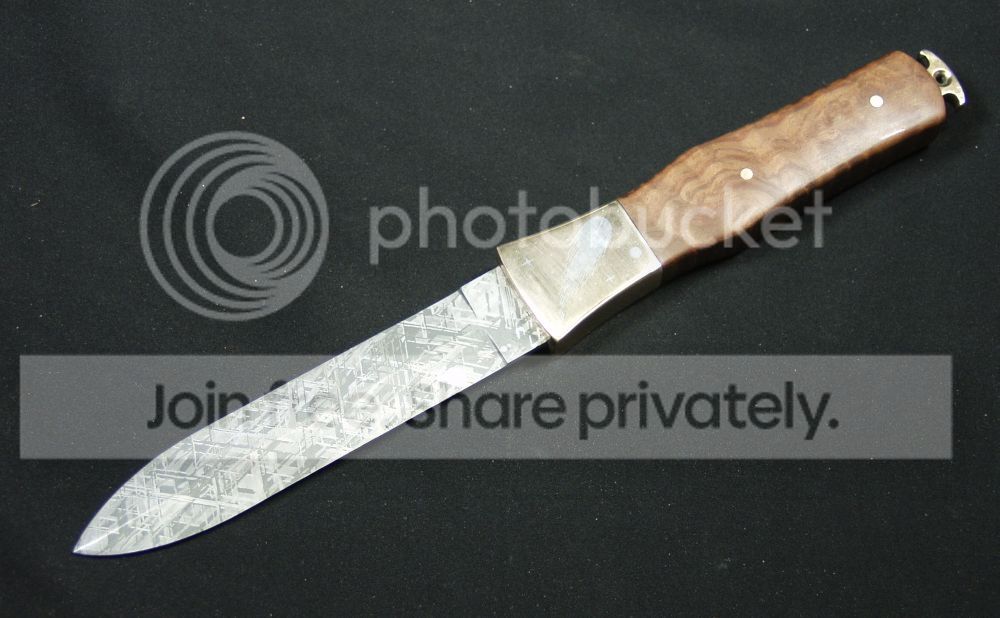
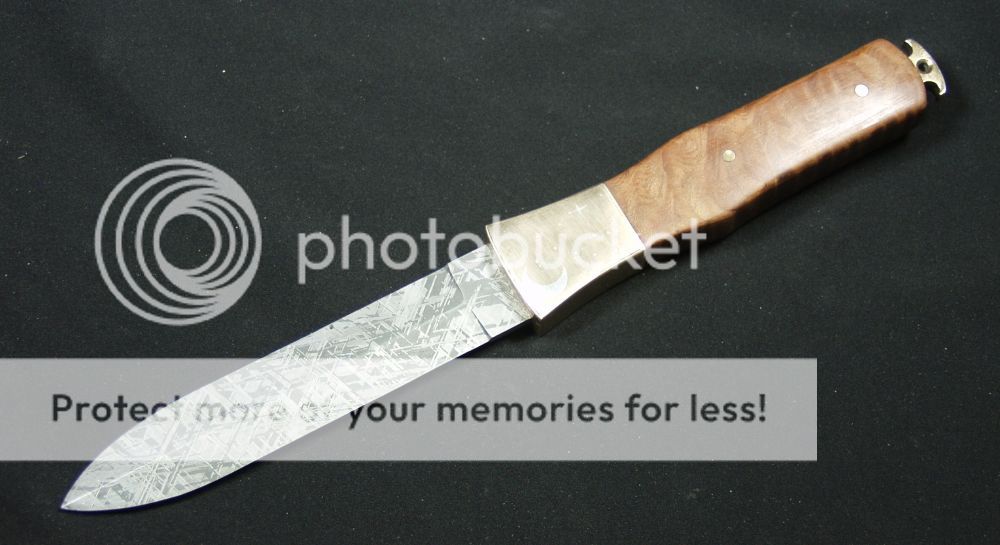
I am hoping there is somebody out there who can help me with this.
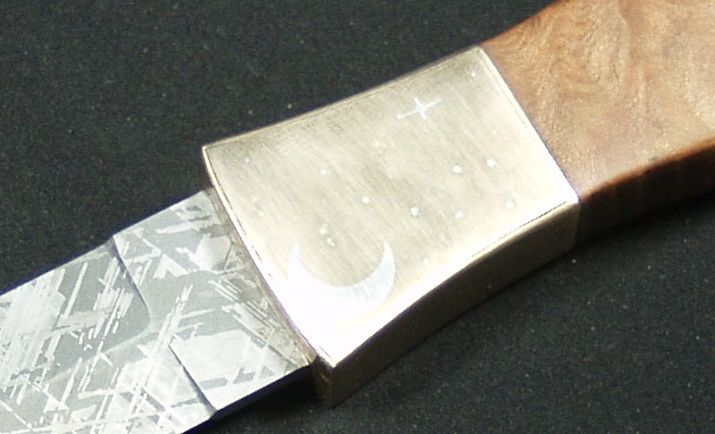
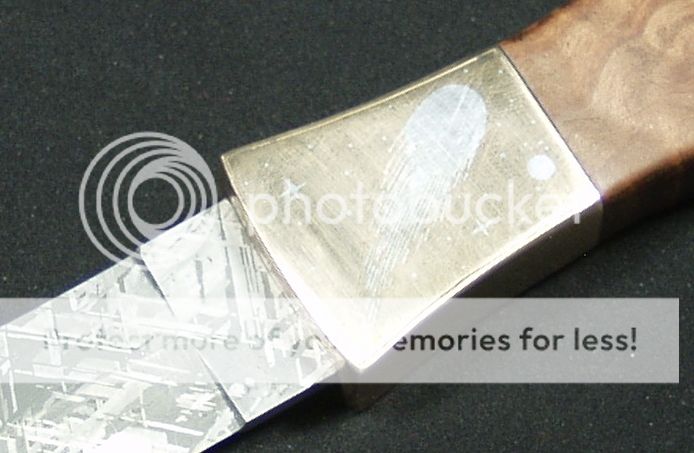
Stacy, Delbert or anyone else who has used bronze with silver inlay. What I am hoping to accomplish is a patina that would give a contrast between the 2 metals. This was inlaid with pure silver by Ken Hurst. He mentioned using sulfate of liver. When I read the bottle it says it will give a dark patina to silver or bronze. If anyone has done this will it react differently and give a good contrast? I hesitate to try masking the inlay because the detail is so fine.

I am sorry about the bad photos but maybe they will help explain what I am working with. Any help is greatly appreciated.
Thanks, Mark

Closeup side A - Shooting star and planets.
1a-57.jpg


Side A
1-7.jpg


Closeup side B - Moon and Stars
2a-53.jpg


Side B
2-6.jpg
 
Dan,
I just returned from a local jeweler who had the same opinion but no first hand experience. She recommended masking off the silver but the detail is so fine I would need a 1 hair brush and a microscope. I will look into the website you mentioned. Thanks, Mark
 
Maybe you could try 'painting' it on lightly with great care using a fine brush?
 
As a silversmith, I can offer you the perfect treatment for that inlay, at the low, low price of... free.

Give it some time, handle it a lot, and the silver will "come up". It's not ever going to be a striking contrast, but I can't think of a patina enhancer or coloring agent that will do anything besides darken both metals.

My 2 cents, worth prolly exactly that.
 
I am hoping for someone with first hand experience with a similar project. I appreciate the input so far as well. Maybe I am looking for a magic bullet but I was hoping somebody knew of something that would react to one of the metals but not the other.
 
Last edited:
Go to reative metals and order some of their patina prep and a small bottle of Baldwins patina and a small bottle of antique patina try them both and decide wich one you like the best. both will color the brass and leave the silver, silver. I like the Baldwins patina best. I have tried them both. you can also try using some household ammonia put a little on a cotton ball and wipe it on and let it set use the clear kind, it should give you a dark olive brown almost black color.
 
Bill,
Thank you for your post and messages. Your help is appreciated.

Looks like brass, but it's actually bronze. Hard to tell with my bad photos.
The look Bill mentioned is what I am hoping for. The silver staying light with the background darker for contrast.

The detail of Ken's inlay is amazing. Now I just want to make it stand out like stars in the night sky.
The blade is meteorite. That is why the shooting star theme.

This dagger has been a collaboration between Delbert Ealy, Fred Rowe and Ken Hurst.
The only part they left for me are the final patina and a display case.
 
Last edited:
I believe you will want to be very careful not to splash on or get the edge of the wood covered by any fluid you try. I'm sure the wood , would become discoloured immediarely.
 
I believe you will want to be very careful not to splash on or get the edge of the wood covered by any fluid you try. I'm sure the wood , would become discoloured immediarely.

You make a good point Frank. The wood is natural/not stabilized redwood. Redwood can easily be discolored by contact with chemicals, even steel filings will turn it black. When a final decision is made for the patina chemicals I might experiment with it's effect on a piece of redwood. This handle might look good with a dark patina as well. Who knows?
 
I pointed you to Reactive Metals too. One thing they say to pay lots and lots of attention to is test this on some scrap first! Frank is also correct about what this might do to the wood.

Do you really want to have to cover the wood evenly in some patina compound, getting the exposure and reactions even, then neutralize it, then clean up the result without damaging the engraving?
 
Sorry it took while to get to replying to your email.

You should use the liver of sulfur or any copper/brass/bronze patinator. It will patina the bronze, but will not affect the fine silver. The key word here is "FINE" silver. It is 100% silver, and won't patina. It is the 7.5% copper in sterling that makes it tarnish. The 60-80% copper in the bronze will patina a lot. The contrast should be quite clear when the bronze darkens.

There are several ways to deal with getting a patina on bronze:
Wait...it will turn brown in a few weeks.
Rub it with your hands a lot...it will turn brown in a week or two.
Use liver of sulfur...it will turn brown/black quickly.
Use brass black...same as above.
 
I like what Ken came up with, keeping with the celestial theme. Getting the contrast will make it even nicer looking and Kens work will stand out better.

I don't have any experience in patinas so will just watch and learn.

Keep us posted if you would Mark.

Regards, Fred

The meteorite dagger was a fun project to work on. It is a strange feeling to hold a piece of star in your hand.
 
Dan,
You are correct with your comments on the wood. I'll still probably experiment on scraps for future projects. I went to the reactive website right after you mentioned them and plan to call them tomorrow.

Stacy,
Thank you for your input. Ken mentioned Liver of Sulphur as the chemical he thought one of his other customers uses. He also said it is pure silver that was used for the inlay. My concern was when I read the label on a bottle it said it would turn silver black. Now that you clarified the difference in sterling vs pure silver it makes sense now. The contrast between the bronze and silver right now is very subtle. I wanted the darker background for a crisper contrast to show off the detail of the inlay. Ken did such a good job on the inlay that I just wanted to make sure I double checked with you guys to make sure I didn't mess things up.

Fred,
You pulled this whole project together with your design and your excellent work with the bronze and the handle. It doesn't just look good, it feels good to hold in your hand as well.

Delbert,
If you are out there reading this. Thank you for the fantastic work with the blade and helping me get this project started. Without your help and encouragement this dagger might not have ever progressed beyond being just an idea. It only took me 10 years or so to get started. Without your help it would have been a lot longer, if ever.

Ken,
I still don't understand how you were able to attain such fine detail with your inlay. It all looks like one piece of metal except for the colors. You must have been using a microscope. You are quite the artist. What you did with the silver would have been difficult to draw let alone inlay. I am impressed.

Thank you to everyone who has replied to this thread and sent messages. With your good help maybe we can make my part in this idiot proof.
 
Last edited:
Wow, that dagger is amazing. Whatever way you decide to go with it please post pics when it is done.
 
This was inlaid with pure silver by Ken Hurst.

I'm sorry, I totally missed this on the first read & response!

Mr. Apelt is correct - about any coloring agent will add patina to the bronze without affecting the fine silver.

In spite of that, I'm going to stick to my original vote. Lots of hands-on loving will give you a finish that no chemical can match.


Doc
 
I'm sorry, I totally missed this on the first read & response!

Mr. Apelt is correct - about any coloring agent will add patina to the bronze without affecting the fine silver.

In spite of that, I'm going to stick to my original vote. Lots of hands-on loving will give you a finish that no chemical can match.


Doc

Thanks for your post Doc,
This dagger will not be a user so it will not be handled nearly as much as any other knife. The blade is meteorite that was not hardened. Seems the heat would destroy the pattern in the steel.

Another question for you guys;

Any ideas on masking off the blade and handle portions that come in contact with the bronze?

I can think of a couple ways but don't want to re-invent the wheel unless I need to.
 
I've done all kinds of inlays in copper and silver. The key is this - by "pure silver" do you mean sterling or do you mean fine silver? Fine silver barely reacts to liver of sulfur and you can get some nice contrast. Sterling silver will turn gun gray pretty quickly from liver of sulfur while the bronze will turn a dark brown.

Regarding masking - one of the best ideas I've seen used was rubber cement. seals the area to be protected pretty well then rubs right off. If any residue is left behind, just a touch of mineral spirits on a Q-tip and you're good to go.
 
Hi Los Angeles,
I am glad you posted your info.
It is fine silver, not sterling. I like the idea of rubber cement as well since it is so easy to remove.
 
Back
Top