How do you evaluate the heat treatment of a knife?

Joined
Oct 30, 2015
Messages
25
We all know that when it comes down to steels and their properties, the heat treatment is an incredibly important factor that ultimately determines how a given knife or steel will perform. Rowen's 1095, Buck's 440C, Cold Steel's AUS-8, Swamp Rat's SR-101, etc. are all well known for having perfected their heat treatment process and wringing every bit of performance out of their respective steels. I'm sure most of us have also experienced steels that have let us down and not lived up to their reputations because they weren't treated properly.

My question is, how do you evaluate a heat treatment? Let's say you're given a random knife in a particular steel; how do you determine if it was treated right? Is there any way to tell without using it? Is it related to ease of sharpening? Toughness? The Rockwell hardness? What are Rowen and Busse doing that other companies are not, and how do they figure it out? This is something I've always been curious about.
 
Colour?
SVONKTc.jpg
 
Last edited:
How it takes and edge, how much it wants to roll, wire out, or how the stones act on it. Flex can tell you a lot, but it may be slightly destructive.
 
A comparison with other knives in the same steel and of a similar type.
 
Put it in a bench vice and bend it to 90 degrees, then bend it back straight. But on a more serious note, experience and use of multiple knives of the same steel, how the knife takes and holds an edge. Wether or not the edge rolls or chips.
 
Examples of catastrophic failures in knives using that steel. Failures at blade tang juncture, large dime size divots taken out of edge on moderate use. HEavy chipping where there should have been none. Trying to sharpen a knife but it is to soft to sharpen. That's how I evaluate HT
 
It comes down to performance, knives that do well tend to be used a lot more, and the lucky ones ride on my belt. The duds tend to be set aside deep in the drawers.
 
I don't. it's one more picky thing to obsess over, just like a number on all the password steels, and I don't have time in the hobby for obsessing over trivials.

If I like a knife I buy it. I look at steel as 'the steel' and not its heat treat. If I get a turkey edge, or in any other way a bad steel, I just eliminate that steel from my list for the future. Too many good steels out there to mess with a bad one.

With steel, I currently try to stay above AUS8, although a few of my favorite older knives are in AUS 8, 440's and even 420's. I've never brooded over heat treat or who did it. If I like the blade, I like the blade. Some steels hold an edge longer than others. When they need it I just sharpen them. I don't necessarily "appreciate" the knife that holds an edge the longest. They all require sharpening eventually.

While I realize the importance and value of heat treatment to a steel, I find that I mainly consider the steel itself, not who heat treated it, when making a judgement. If that 420x doesn't perform well I don't buy 420x any more.

Works fer me.
 
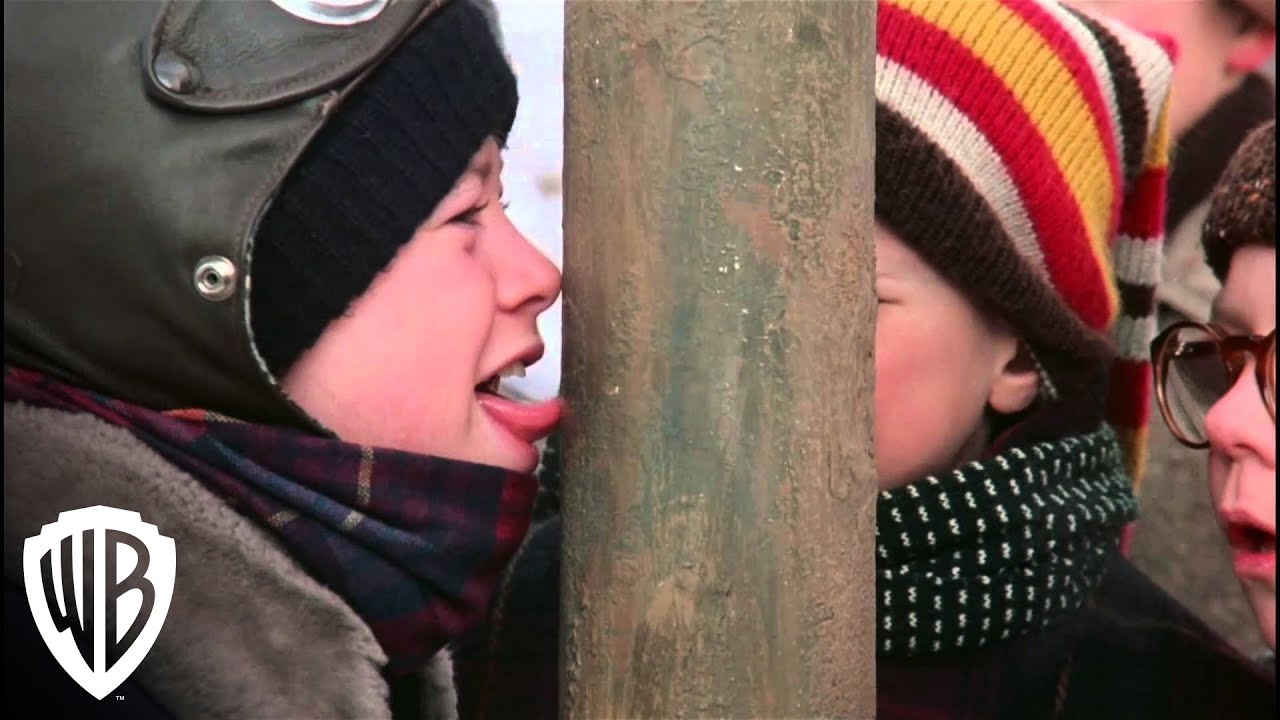
Like This................


maxresdefault.jpg


Or Sometimes Like This
.....


nqfgr2wt7rren0y9tl9t.jpg


Seriously to ask a question like that in the General Section...the greater majority haven't even heat treated a blade, it's a hobby.

If you're serious the best is to find out yourself and after you've completed a hundred or so...we'll be asking you.........

Otherwise I'm with EChoil "Works for me"
 
Last edited:
Like This................


maxresdefault.jpg


Or Sometimes Like This
.....


nqfgr2wt7rren0y9tl9t.jpg


Seriously to ask a question like that in the General Section...the greater majority haven't even heat treated a blade, it's a hobby.

If you're serious the best is to find out yourself and after you've completed a hundred or so...we'll be asking you.........

Otherwise I'm with EChoil "Works for me"

Laughing here.... good pics!
 
You can always send it to a place where they are equipped to do Rockwell testing.
 
Back
Top