We agree as you have said the same thing but have explained it better [a 16 tpi blade will always have at least two teeth cutting on a 3/16" piece]. I sometimes don't explain things are explicitly as I could.
I saw your post and it was good unto itself,
but sometimes we have to justify to the questioin asker that we know what we are talking about.
That's why I went for the long winded-ed explanation.
It's more memorable if readers know why and can adjust their use based on their need.
I agree with Stacy that 24 is a good universal.
I also keep an 18
Try one of each and see you you like it.
I do use a 32tpi, but only in .040 TI and such for liners.
If I used that in blade steel it would try my patience and I would push too hard.
Those bandsaws are bad for blades popping.
I had one that angered me so much that I threw it away.
Read some posts here and on tool specific forums
Try reading the manual, Grizzly has good ones on every tool page.
As mentioned above"
adjust the bearing guides
adjust the tracking - works just like a grinder- but not so obvious which screw is which
adjust the tension
be sure you are using a 1/2" wide blade - the wheels have a step so the teeth are off the wheel
and
Thanks to Sam Salvati you smart little bugger
The bottom wheel is on the shaft with only a flat key and set screw
The wheel will slide on the shaft and out of position- check it's lined up with the top one and the guides and fix it on there better.
Every time I went to make a cut, the blade came off as it was out of alignment and unsupported on the bottom.
This is why I tossed a bandsaw- I'm pretty sure the guy who got it was smarter than me and knew this.
How to fix that?
Pin it
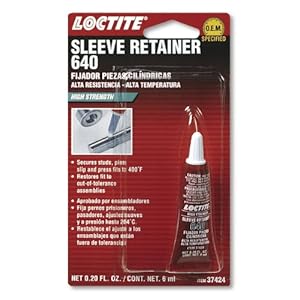
Loctite bearing/sleeve retaining compound
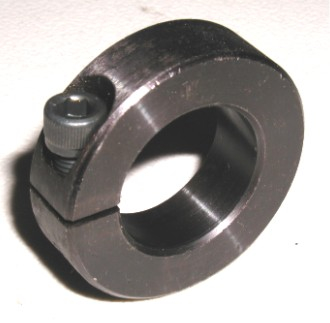
One or more of these - notice that the screw tightens the ring and not just pokes in towards the shaft
Pretty simple - that AND loctite.