I am not Nick but I have a little experience with the electrolytic rust removal process. I cleaned up my dad's old shop vise - it sat for 13 years on a bench with a roof leaking on the bench. It took about a week as I had to clean one part of the vise at a time.
As to your question: sodium carbonate (aka soda ash), the stuff in Arm and Hammer Washing Soda is the recommended product. I used a 5 gallon Homer bucket and about a tablespoon per gallon of water. The purpose is a PH adjuster and to increase the conductivity of the water. Some folks say baking soda works also, just have to use more of it. I am not sure how much more to use.
I found internet sources that purport baking soda can be turned into washing soda by: pouring the baking soda on a cookie sheet, put in an oven at slightly above 300 degrees F for at least an hour. I cannot confirm nor deny if it works.
As for the process working slowly.. that is ok because it is a slow process. I came to the realization that, for me, a good visual indicator the workpiece was 'clean' was if the bubbles were 'whiter' or 'cleaner' than earlier, i.e., not red or rust tinted. Remember, it is getting rust off the surface of the metal, then out of the pores of the metal... just takes time. I used a piece of cheese cloth to clean the surface of the solution of the scum. That will help you see its progress.
If it were summer, I would say put on the back porch and let it run all night. You may already know this... it generates hyrdogen gas... no sparks, no flames or it makes a loud noise and then your wife makes loud noises...
Hope this helps...


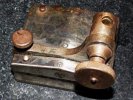
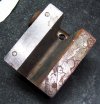


 I use it all the time, and it's very effective and VERY SAFE to use on fine tools such as this one.


