How to evenly distribute heat from an oven

Joined
Dec 27, 2013
Messages
2,696
Hey guys, not EXACTLY knife making, but very close.

I work in a lab, and we have a vacuum furnace for heating sample in a near perfect vacuum "Yes i have thought about doing blades with zero decarb"

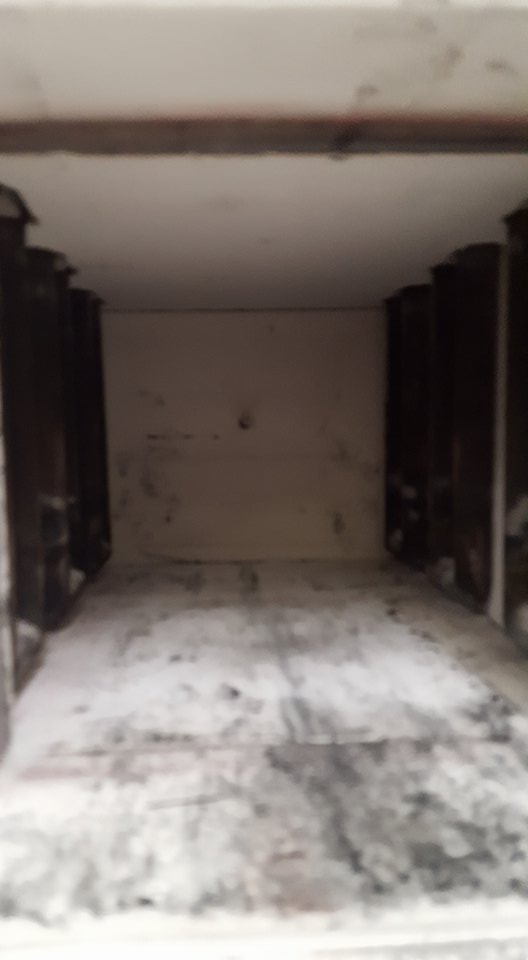
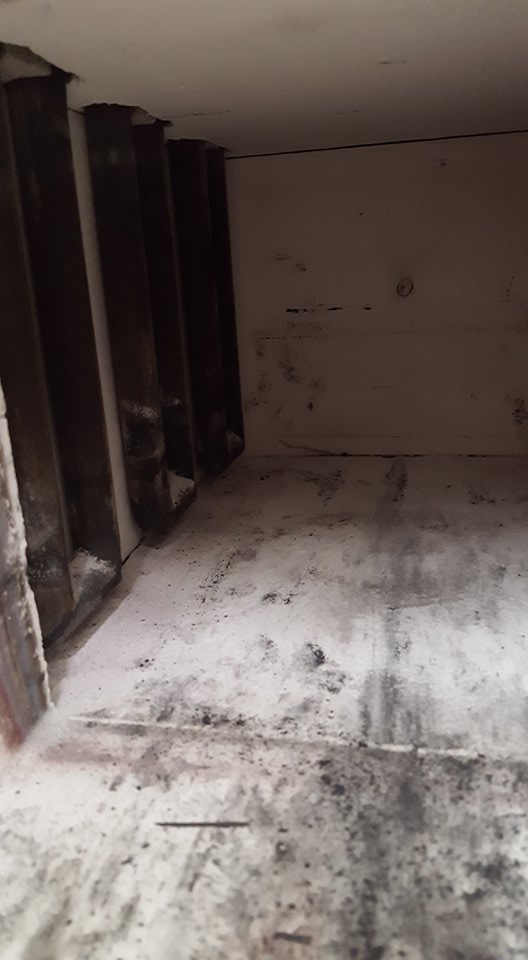
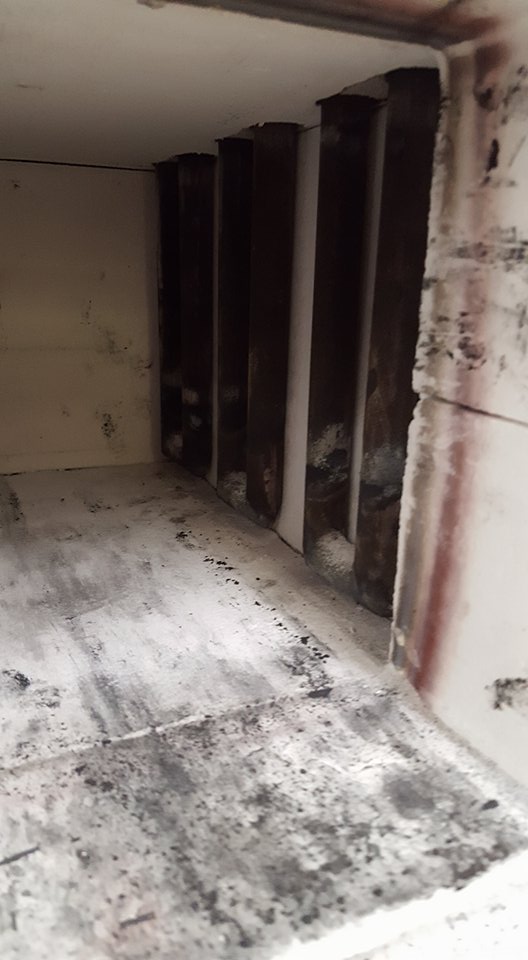
But the furnace has series hotspots near the sides, as the elements are actually producing from the walls

I want to even out theh eat so we can use it. I was thinking of taking fir brick and drilling lots of holes at an angle so it could heat up and radiate the heat out, or getting some ceramic plates to cover the elements. The thing is because its in a vacuum there is only radiant heat, no convection.

Anyone like @Stacy E. Apelt - Bladesmith or @Atlas Knife Company have any sugestions? A ceramic plate? a sheet of stainless steel to radiate out heat?
boEu1bz.jpg

HbTUhgK.jpg

74GO5aN.jpg
 
A muffle tube will probably do it.

The physics behind heat transfer can get fairly complex, fairly quickly and most of us have a limited understanding at best.

If you put your workpiece in a pipe and put the pipe in the oven, the workpiece will heat much more evenly. You'll probably need to make a bent-wire rack to hold the workpiece without it contacting the pipe. And something similar to stop the pipe rolling around. It doesn't need to be round pipe. Box section steel will work just as well.
 
in a vacuum, heat transfer is purely via emission and absorption, zero convection, zero contact transfer. Usually, vacuum ovens have a complex system of thermocouples designed to measure absorption and level of transfer based upon the specific material being treated. A non-vacuum oven will just have a thermocouple inside measuring the ambient temperature of the air. No air = no ambient temperature.

That said, how are you sure that there are hot spots? have you measured the temperature radiance throughout the oven to know the radiance levels? In a vacuum, the heat acts more like light than in air so think of the elements as light bulbs rather than heat sources to visualize how the heat is emitted. The heat will overlap as it radiates out from the elements until it strikes an object that will absorb the radiation. If the blade is far enough from the elements to get a blend of distances from all elements, you shouldn't have too many hot spots.
 
in a vacuum, heat transfer is purely via emission and absorption, zero convection, zero contact transfer. Usually, vacuum ovens have a complex system of thermocouples designed to measure absorption and level of transfer based upon the specific material being treated. A non-vacuum oven will just have a thermocouple inside measuring the ambient temperature of the air. No air = no ambient temperature.

That said, how are you sure that there are hot spots? have you measured the temperature radiance throughout the oven to know the radiance levels? In a vacuum, the heat acts more like light than in air so think of the elements as light bulbs rather than heat sources to visualize how the heat is emitted. The heat will overlap as it radiates out from the elements until it strikes an object that will absorb the radiation. If the blade is far enough from the elements to get a blend of distances from all elements, you shouldn't have too many hot spots.

Its not for blades, if for sintered electrodes.

I actually think ill be able to back fill it with argon which should make my job a lot simpler.
 
Your instinct of putting a material in front of the elements is good, but since all the heat transfer in the furnace is radiant make sure it's something that will emit IR at least as well as it will absorb IR. There's probably a ceramic which will do this. In a perfect world you would want the side of the material towards the elements to absorb without emitting and the side towards the center of the furnace to emit without absorbing. Alas the world is not perfect. But the material in front of the elements would emit the IR at a more even temperature, sort of like frosted glass in front of a light bulb. Even with argon in the furnace the uneven radiance may continue to be a problem.
 
Back
Top