HT oven build WIP

Joined
Nov 28, 2014
Messages
1,864
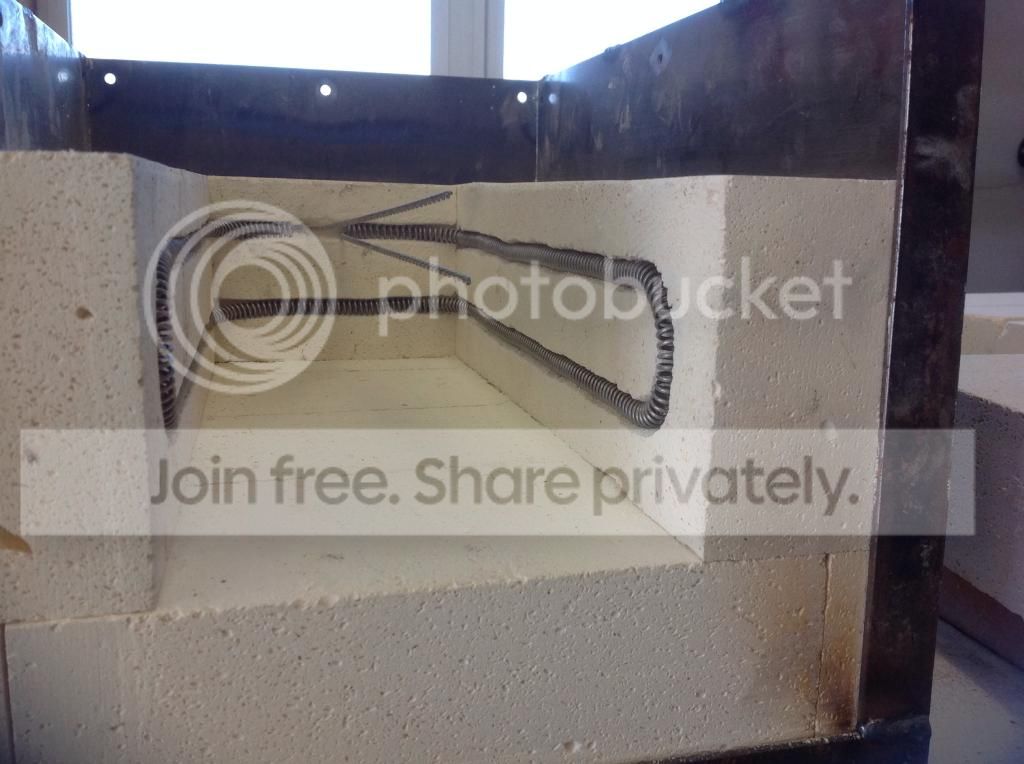
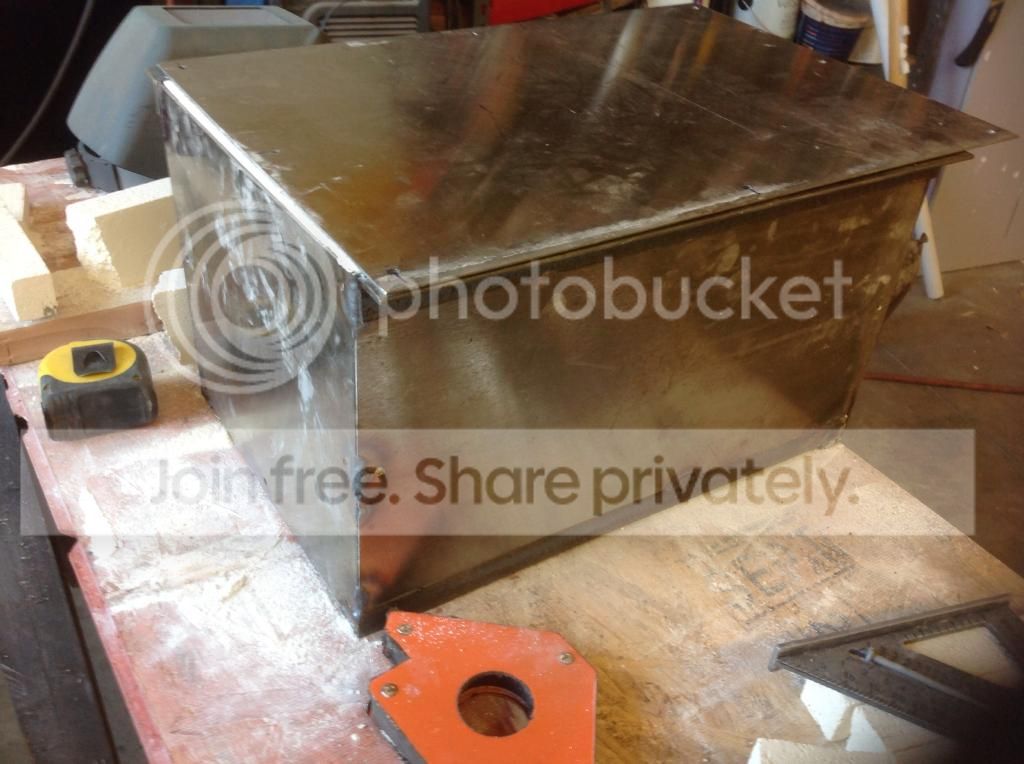
I'm building a HT oven and wanted to post the progress. Started with laying out the base making sure to keep it as square as possible. The frame is 1 inch angle and the sheet metal is 12 gauge stainless. 115 v-1600w-14 amp element.
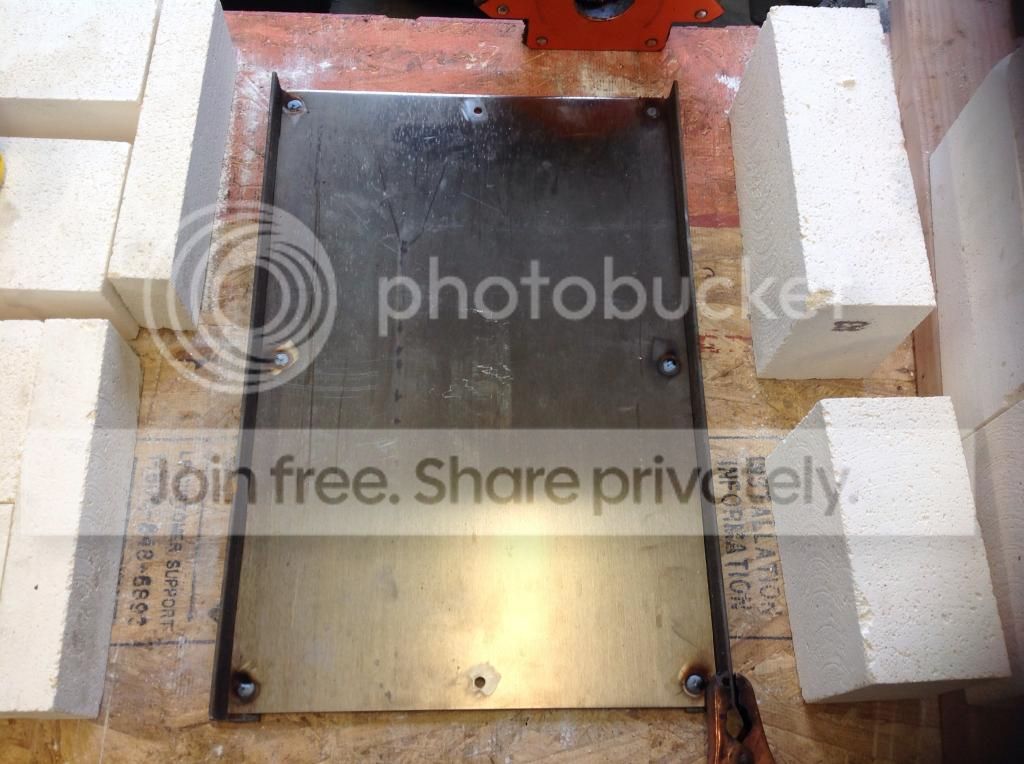
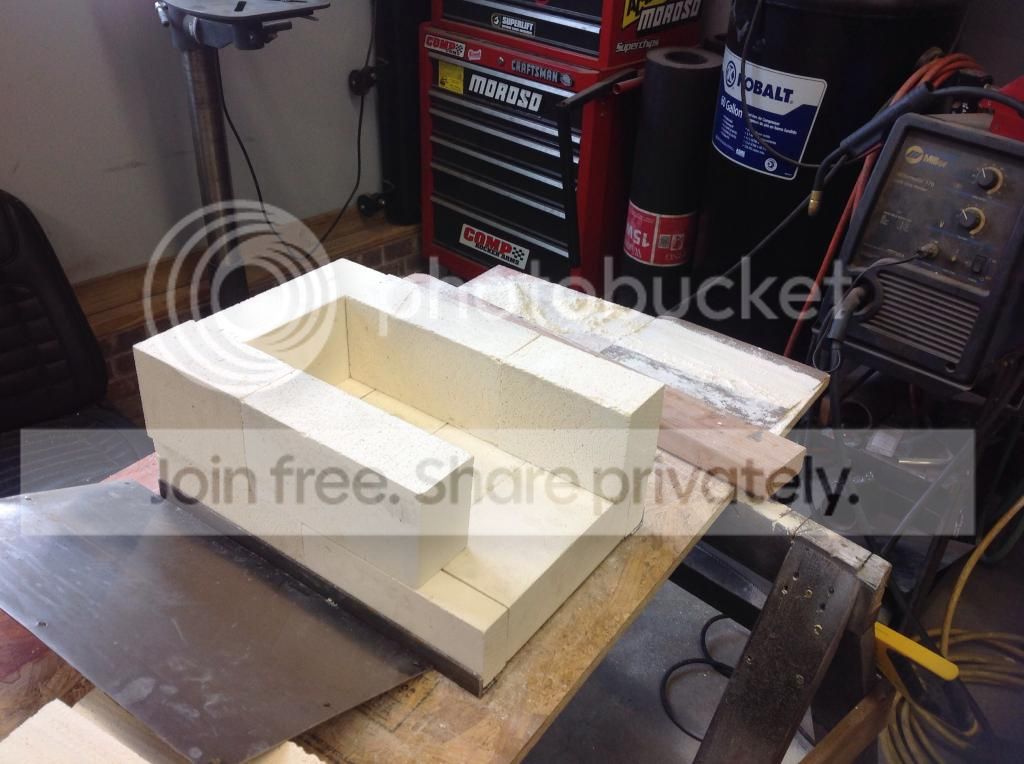
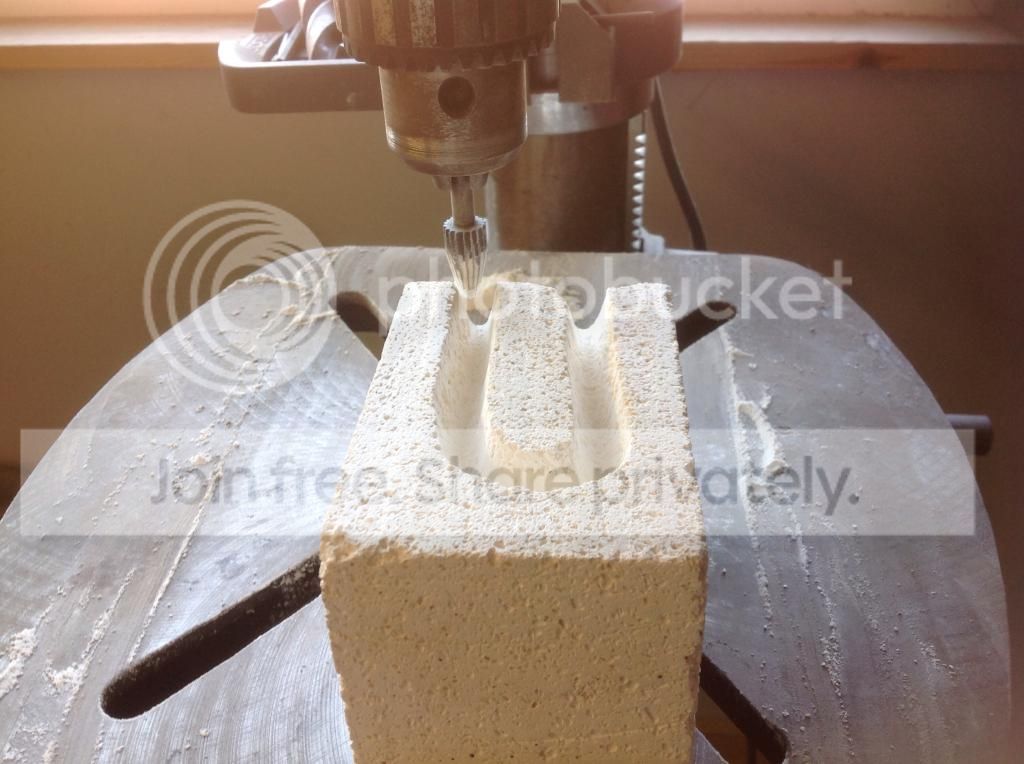
Used a deburing bit and a drill press to route the channel for the heating element.finished fitting all the bricks and finished the exterior.
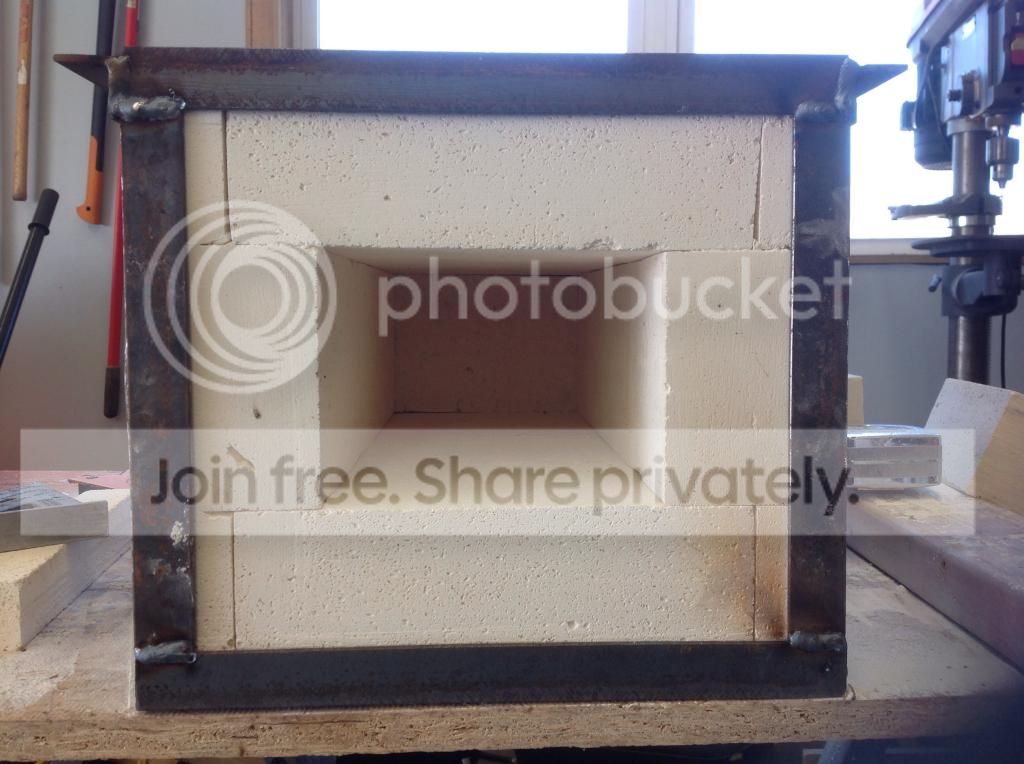
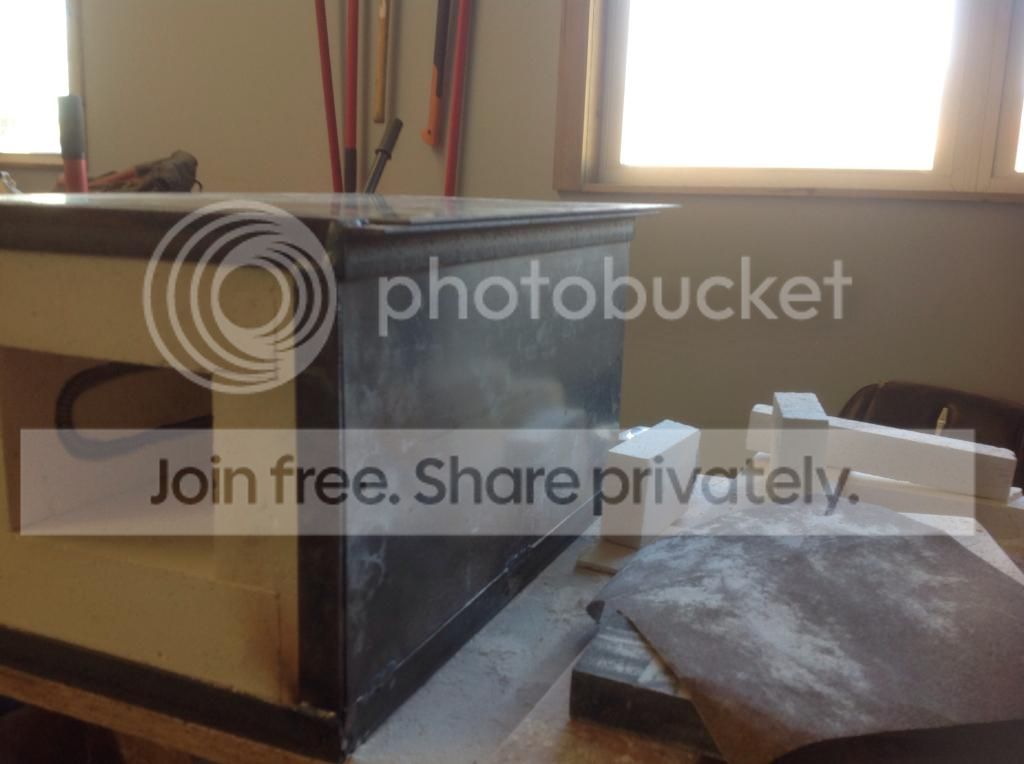
Now I need to make the door and wire it up. For any of y'all that have build one before, should I fill the gaps between the bricks with refractory cement or just let it be? I will post more as I go. I'm waiting on my K type thermocouple.
 
I haven't built one, but the body of the kiln I purchased is assembled like yours with no mortar; however the bricks on the door are mortared, but with extremely small joints, say, a sixteenth or even less...
 
Nice work, looks good!

Might I ask about how much you have invested in materials? I just spent a load on a new grinder and already want a HT oven. I haven't even finished my first knife yet. I was hit by the bug ;)

I would like to make a 21" deep oven.
 
Last edited:
Now I need to make the door and wire it up. For any of y'all that have build one before, should I fill the gaps between the bricks with refractory cement or just let it be? I will post more as I go. I'm waiting on my K type thermocouple.

Looking great- nice build! I filled between the bricks on mine and seems to work well. Some don't and seem to have good results. Even with mine sealed my stainless outer cover can get quiet hot when doing high temperature stainless blades for a while so you probably want to do it. Also, my stainless panels are secured with rivets on the edges and tend to bulge from the heat again when at high temperatures so best not to over constrain them- they tend to expand more than the angle iron frame.

You may want to cut a little more of a downward pocket for your elements in the firebricks- they tend to droop when you fire them up, and if they have a place to droop into then behave well over time. Otherwise you may find yourself trying to get them back in place every once in a while. If too late for that you can secure them with wire staples too.

You are going to love using that thing!
 
Might I ask about how much you have invested in materials?

I did a 15" deep oven of similar construction. I think I spent something like:

bricks: $110 (2x 12 packs, but only used 20)
elements: $15
PID/SSR: $35
1000 C thermocouple: $30
miscellaneous electronics (switches, fuse holder, high temp wire, fan, etc): ~$30
miscellaneous mechanical stuff (sheet metal, rivets, hinges, etc): ~$30

= ~$250

It isn't cheap, but compared to the cost of a commercial oven that size it's economical. And easy if you have enough electrical knowledge to not kill yourself.

Sandeggo has a build thread of an oven made from a ceramic kiln he got for free. I hear that used kilns can be had cheap sometimes, you might want to keep an eye out for that. Or if you live near a firebrick factory you can get the bricks for $1 each instead of $4.50.
 
Thank you!

Not at all a bad cost, the wiring I might have an issue with. I will keep my eyes peeled and check out that build thread.
 
I've built 5 or 6 without mortar.

I didn't even give them a sheetmetal skin. Intended to with the first one, but didn't know how hot the surface would get. Choices were plastic-coated steel, galvanized steel or stainless steel, in increasing order of temperature resistance and cost. Built the first one and measured the surface temperature (129 degC/264 degF after 3 hours at a chamber temperature of 1204 degC/2200 degF) to see which would be the best choice, decided that steel at that temperature would cause more damage than Insulating Fire Brick at that temperature, and kept with the bare IFB.

I had borrowed an IR camera from work and found that, even at 129 degC, I could press my hand onto the IFBs for a good few seconds before it became uncomfortable, then take it away and see the relatively cool handprint with the IR camera.

I think there's a skill to the mortar which I simply do not have.

The bricks just seemed to suck up all of the moisture and stop the mortar squidging down to a nice thin joint. I tried wetting the bricks, but probably not enough as I still couldn't get a tidy joint. I'm in the North-East of England and immersing the bricks in water, mortaring them together and drying out the assembled structure is not something to which our climate is particularly conducive. YMMV.
 
Looking great- nice build! I filled between the bricks on mine and seems to work well. Some don't and seem to have good results. Even with mine sealed my stainless outer cover can get quiet hot when doing high temperature stainless blades for a while so you probably want to do it. Also, my stainless panels are secured with rivets on the edges and tend to bulge from the heat again when at high temperatures so best not to over constrain them- they tend to expand more than the angle iron frame.

You may want to cut a little more of a downward pocket for your elements in the firebricks- they tend to droop when you fire them up, and if they have a place to droop into then behave well over time. Otherwise you may find yourself trying to get them back in place every once in a while. If too late for that you can secure them with wire staples too.

You are going to love using that thing!

Thanks for the advice. I'm going to pin the element with 1/8" stainless filler rod. I welded everything and didn't use any rivets. I guess I will see how it takes the heat. I'm thinking of just using the mortar to fill gaps after the fact. It will make replacing bricks a pain down the road but I think it will help insulate.
 
The bricks just seemed to suck up all of the moisture and stop the mortar squidging down to a nice thin joint. I tried wetting the bricks, but probably not enough as I still couldn't get a tidy joint. I'm in the North-East of England and immersing the bricks in water, mortaring them together and drying out the assembled structure is not something to which our climate is particularly conducive. YMMV.

I had good luck with the soaking. But it took a couple hours to get up to temperature because it had to vent so much steam (even after drying out for a couple weeks).

I'm thinking of just using the mortar to fill gaps after the fact. It will make replacing bricks a pain down the road but I think it will help insulate.

I kind of agonized over the mortar and used some recipe I found involving fireclay (which is hard to get in my area) to make a high temperature mortar. I put some on the face of the door to help seal it and it hasn't held up to the high temperature at all (which is ok). I think I would just use regular mortar next time.

One thing I'm a little concerned about is how rusty my coils look. I can't think of any way to prevent that.
 
When I tried the mortar with dry bricks it sucked the water out of the mortar so fast I wasn't able to get the bricks tight together, With wet bricks I was able to push the bricks together until the mortar squeezed out

No other benefit that I am aware of
 
I'm building a HT oven and wanted to post the progress. Started with laying out the base making sure to keep it as square as possible. The frame is 1 inch angle and the sheet metal is 12 gauge stainless. 115 v-1600w-14 amp element.
Now I need to make the door and wire it up. For any of y'all that have build one before, should I fill the gaps between the bricks with refractory cement or just let it be? I will post more as I go. I'm waiting on my K type thermocouple.

Very cool project. Glad you took the time to post the pictures. This is inspiring.
 
I didn't soak my bricks before mortar and didn't seem to need to. I used this:

http://www.amazon.com/gp/product/B002CTQYMK/ref=oh_aui_search_detailpage?ie=UTF8&psc=1

It is rated for 3000f and fully cures once you bring your oven up to temp.
I just squirted onto the surface, spread a little with a putty knife then pressed against next brick. Ended up with a very slight probably around 1/32 inch seem. Wasn't enough to throw off the way the bricks fit into the oven at least. You do have to leave a couple without mortar in case you need to get back in and change coils or thermocouple. I actually sealed up the top and made two bricks in the bottom that can come out- thought it might keep the heat in better? No idea if it makes a difference but working out fine.

When I applied the mortar, it was dark grey as can be seen in my original post before firing it up. After the first run it lightened up to almost the color of the firebricks.

http://www.bladeforums.com/forums/showthread.php/1215117-Heat-Treat-Oven-Done-Thanks!
 
I didn't soak my bricks before mortar and didn't seem to need to. I used this:

http://www.amazon.com/gp/product/B002CTQYMK/ref=oh_aui_search_detailpage?ie=UTF8&psc=1

It is rated for 3000f and fully cures once you bring your oven up to temp.
I just squirted onto the surface, spread a little with a putty knife then pressed against next brick. Ended up with a very slight probably around 1/32 inch seem. Wasn't enough to throw off the way the bricks fit into the oven at least. You do have to leave a couple without mortar in case you need to get back in and change coils or thermocouple. I actually sealed up the top and made two bricks in the bottom that can come out- thought it might keep the heat in better? No idea if it makes a difference but working out fine.

When I applied the mortar, it was dark grey as can be seen in my original post before firing it up. After the first run it lightened up to almost the color of the firebricks.
http://www.bladeforums.com/forums/showthread.php/1215117-Heat-Treat-Oven-Done-Thanks!
*Does it heat up quick? I see yours is 220 and 3300 watts. Twice the element I have. I guess I can always run a different element if I need too.
 
Last edited:
*Does it heat up quick? I see yours is 220 and 3300 watts. Twice the element I have. I guess I can always run a different element if I need too.

Yes, it comes up to temperature pretty fast. Plenty of people using 110 though so I wouldn't worry, it will just take a little longer. If you find yourself doing a lot of stainless blades the extra wattage would be worth going for eventually, those last few hundred degrees seem to take the longest to hit.
 
Yes, it comes up to temperature pretty fast. Plenty of people using 110 though so I wouldn't worry, it will just take a little longer. If you find yourself doing a lot of stainless blades the extra wattage would be worth going for eventually, those last few hundred degrees seem to take the longest to hit.

I do a lot of 440c and I think it's around 1800 so, we will see. What did you do on the initial start? How did you verify your temps?
 
Last edited:
I took it to about 600 and measured with another thermocouple attached to a multimeter that I know to be accurate.
 
Just to clarify, when you get the bricks, did you use the common hard bricks or the soft k23s?
 
The K23s.

These are the best-insulating and least-dense IFBs by some margin. Good insulation (higher temperature from a given power input) and low thermal mass (faster to reach temperature) are the characteristics you need.

Even "upgrading" to K26s would really be a downgrade in this application, because the density of the K26 is slightly higher and the insulation value slightly lower IIRC.
 
Back
Top