

- Joined
- Nov 29, 2005
- Messages
- 475
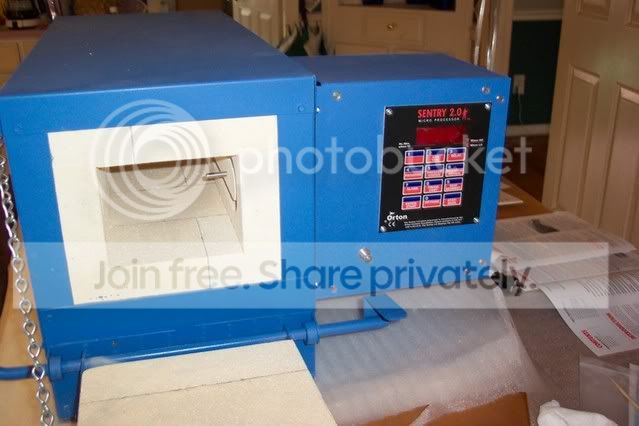
I figure this is a step up from my brick forges. 
Can't wait to try some good stainless . The first "good" knife I ever had was one I made, so I've only experienced quality blades that were carbon steel. I've heard you guys talking about the different stainless steels you use, but for my clarity I want to see if I can't get some non-argumentative info on them. Which stainless steel is the 1095 of the group, with very good edge holding? Which one would be more a the camp knife steel? I realize these may be questions up for debate, but I'll see what I can't gather from any debate.
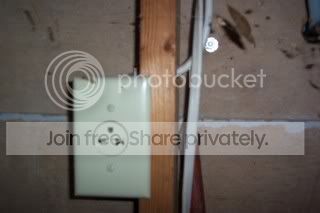
Is this the right socket? My dad said is was 240v.
Can't wait to try some good stainless
. The first "good" knife I ever had was one I made, so I've only experienced quality blades that were carbon steel. I've heard you guys talking about the different stainless steels you use, but for my clarity I want to see if I can't get some non-argumentative info on them. Which stainless steel is the 1095 of the group, with very good edge holding? Which one would be more a the camp knife steel? I realize these may be questions up for debate, but I'll see what I can't gather from any debate.
Is this the right socket? My dad said is was 240v.


 .
.