Identifying, processing and using Fatwood in the bush part I

Mistwalker

Gold Member
Joined
Dec 22, 2007
Messages
19,207
Because of it's great flamibility and it's ability to be easily ignited under wet and rainy conditions and even after being submerged under water for hours even days. fatwood is a great resource and being able to recognise it in the bush can make things a lot easier on wet days. If you get enough of it going it will continue to burn in the lighter rains. I went up onto the Suckreek Mountain section of Walden’s Ridge to do some hiking and photography and some peace and quiet. While I was out hiking I collected some fatwood stumps, I gathered three different ones to show how the look of it can vary in the wilderness. Fatwood as I know it comes from pine tree stumps, where the sap has settled in the lower sections and maybe gone through some type of fermentation process. You will see if you look at the forest floor and the other trees around, that while these are pine tree stumps I am collecting, I am in a forest that is predominantly hardwood with only about five to ten percent pine trees (getting fewer by the year thanks to the southern pine beetle.


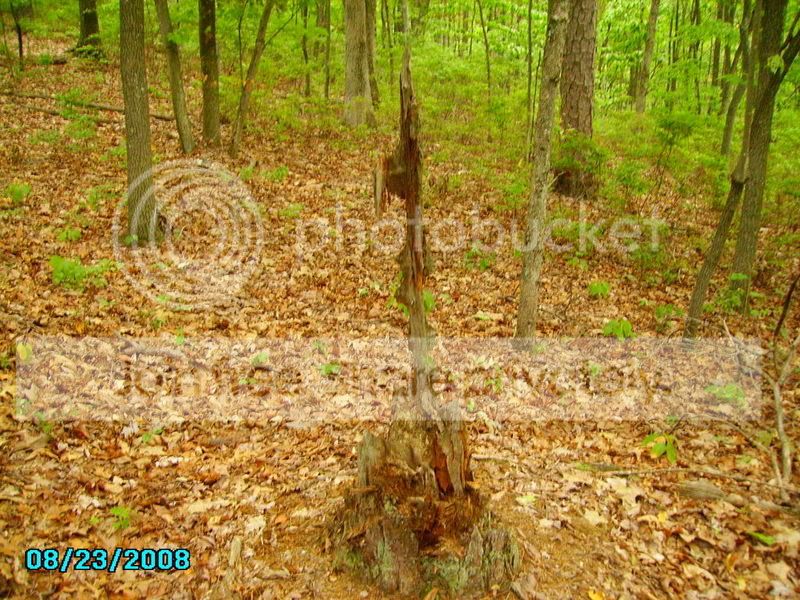
This is the first stump I found and used to start my fire that night. The part sticking up that is circled in green is what I am pulling out of the ground.
PICT0385circled.jpg


and this is what it looks like when you pull it out.
PICT0388.jpg


If it is a fatwood stump you will know because it will be much heavier and less fragile than you’d think for such a rotten piece of wood. Beat it on a rock, a fallen log or another tree to remove the unneeded rot, dirt, and debris it will be easier to carry back to camp this way.When you cut into it you will see rich red and gold colors and it will be very glossy and shiny.
PICT0392.jpg


PICT0393.jpg


I find it best to slice it into thin sheets (here you can see how glossy it is)…..
PICT0394.jpg


PICT0395.jpg


then slice the sheets into smaller slivers. Thin edges are best for lighting.
PICT0396.jpg


This lit easily using a swedish fire steel
PICT0404.jpg


PICT0405.jpg


PICT0406.jpg
 
Living in a temperate rain forest where rains can come often and last for days fatwood can be a great natural resource for quickly starting fires under wet or damp conditions. Because fatwood can appear in different shapes and forms in the wilds I am posting more pics that will hopefully help you identify it in the bush.

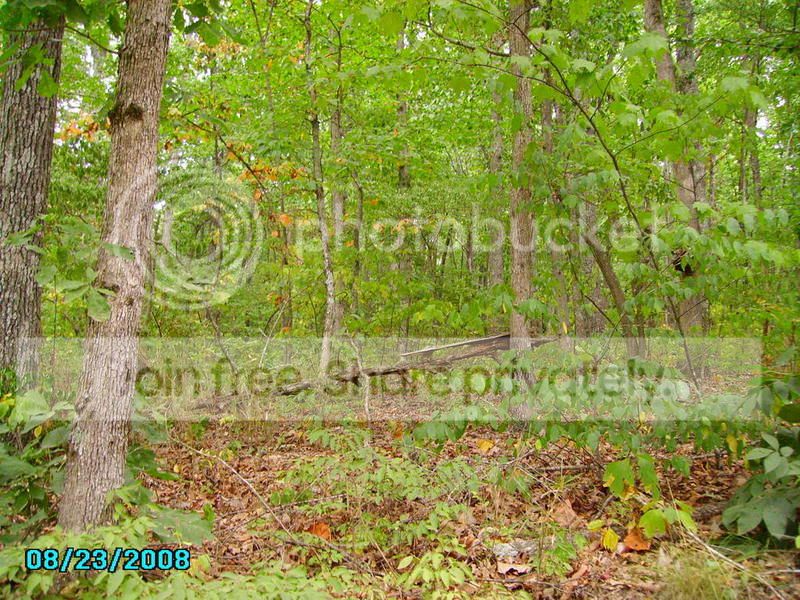
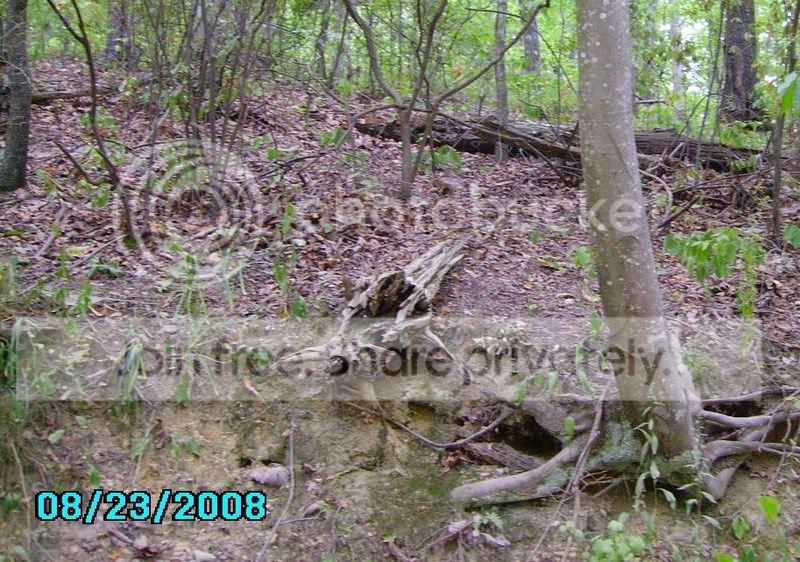
Here are more examples of what fatwood can look like when you find it in the woods they are in the green rectangles.
PICT0451.jpg


and this is it from a little more distance
PICT0452.jpg


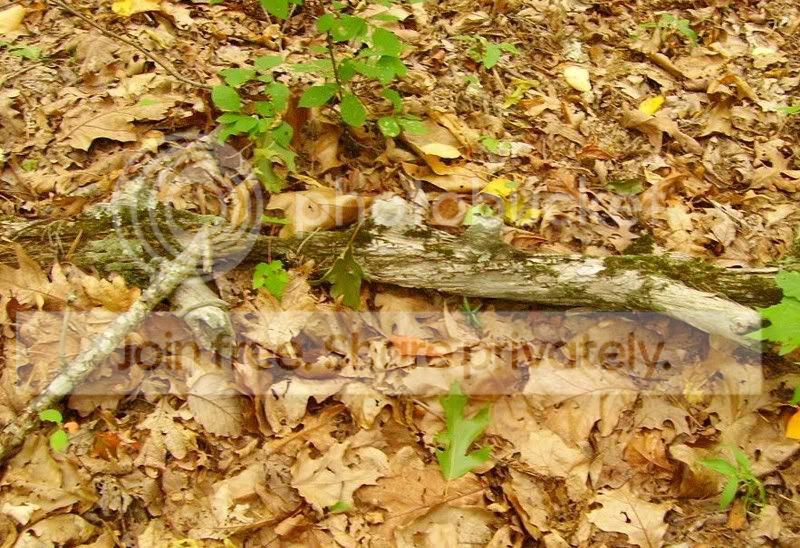
this one shows what gives it away, how the outer tree has deteriorated away and left the symmetrical lines of the grain of the limbs showing.
PICT0450.jpg


and these show that stump out of the ground, you can see how much was still underground in this one.
PICT0453.jpg


PICT0456.jpg


and this one shows both stumps and how much weight was knocked off of the big one when beating it against a log
PICT0465.jpg


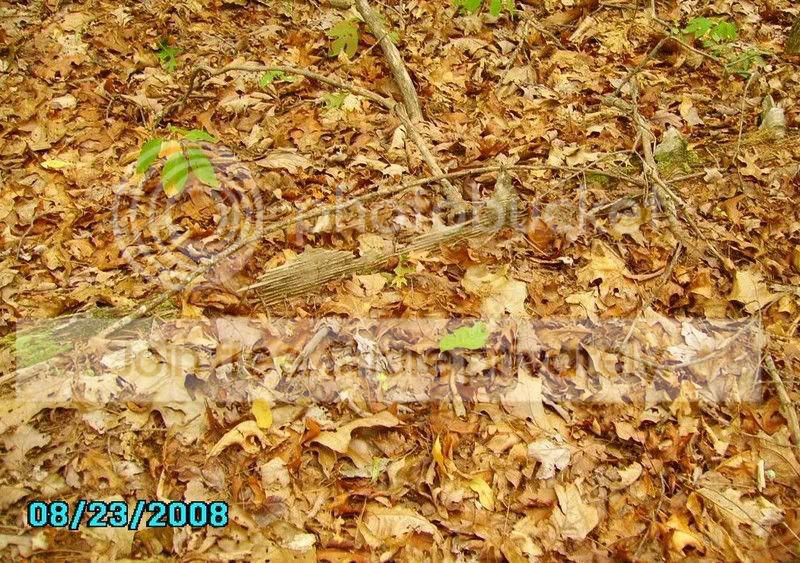
Here is another example, and yet again the limited deterioration gives it away, and you can see the symmetrical lines of the grain on the limbs.
PICT0458.jpg


PICT0461.jpg


PICT0460.jpg


However in this one the “fat” part of the wood isn’t so far under the ground.
PICT0464.jpg
 
This will help alot when I do some fatwood hunting later this year :thumbup:

thanks for sharing
 
Mist,

Thanks for the picks, they are helpfull.

How can you tell they are pine stumps? It looks like you are in a hardwood forest and there aren't any pine trees around.

Most of the woods that I have access to are hardwood and I want to find some fatwood.
Thanks
John
 
Mist,
How can you tell they are pine stumps? It looks like you are in a hardwood forest and there aren't any pine trees around.

Most of the woods that I have access to are hardwood and I want to find some fatwood.
Thanks
John

This forest is primarily hardwood but there is a good percentage of pines.

With the stumps in the ground you can tell by the weathered look, coloring, and how solid they are when you kick them, and by the grain pattern left on the rest of the tree if it is left laying near by.

PICT0451.jpg


With the trees themselves you be able to tell by a distinctive pattern in the grain caused by weathering and the way the pich dense wood responds to it

PICT0460.jpg
 
Thanks for the tutorial mist! I have seen lots about fatwood on here but havnt really gotten around to finding some but now I want to!
 
Glad you find it interesting and helpful. It is a good material to know how to quickly identify

Here are more examples of what it will look like in the bush.

The dead horizontal tree is a really good example of how you may find it.

PICT0222.jpg


PICT0231.jpg


PICT0236.jpg


PICT0233.jpg


and because this one was right beside the road..
PICT0223.jpg


I couldn't resist, I'm sure my brother will be needing some more for his fire place this winter.
PICT0226.jpg


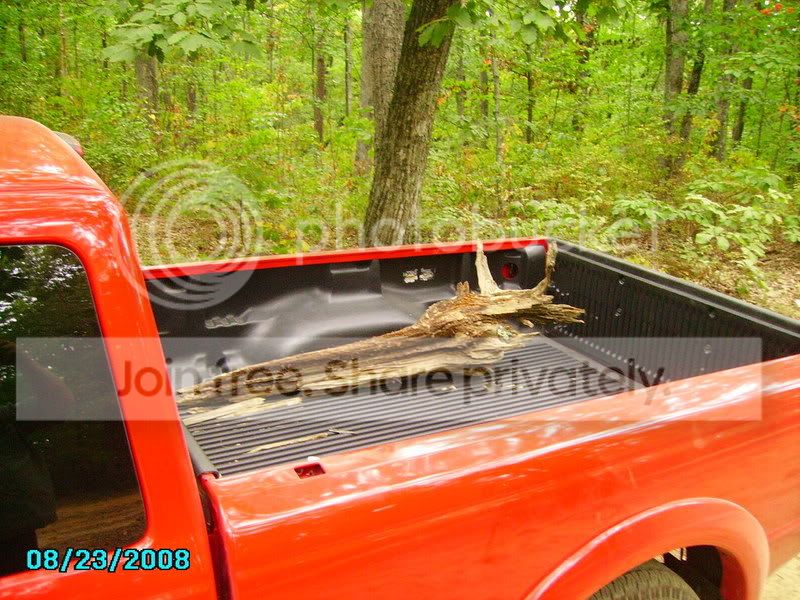
I like to find pieces like this as I walk along. They are light, easy to pack along and small and thin enough that you won't damage your knife working with it.

PICT0512.jpg


PICT0513.jpg
 
Thanks Mist, I guess I need to get out into the woods to look for some.

It is very wet in the woods here right now as it has been raining and snow is melting. So, I guess I will have to prepare to get messy. Which is not a bad thing once in a while.
 
Would you say fall/winter would be the best season to harvest "fatwood" ? Or does it really matter (I mean aside from the possibility of Yellow Jacket/Copperhead nests in the stumphole, cuz I get stung enough during the year going after Sassafrass and Yellow Root...)?
 
To my inexperienced eye that just looks like junk rotted wood. I have alot to learn and appreciate your post.
 
Where does the name fat wood come from... I live in NE Georgia and around here I've always heard it reffered to as Tender Wood or Pine Lighter. You're right the pine bettle has put a dent in the number of pines... but here in Georgia we still have a pretty good supply. You trip over the stuff everywhere you go... LOL. We actually cut all the pine down on my property because of the beetle problem (Didn't want them falling on the house)... so there are a number of pine stumps on the back 40 there was no reason to remove or grind down.
 
Thanks all, I'm glad you enjoyed the post and hope it is helpfull to some.

Would you say fall/winter would be the best season to harvest "fatwood" ? Or does it really matter (I mean aside from the possibility of Yellow Jacket/Copperhead nests in the stumphole, cuz I get stung enough during the year going after Sassafrass and Yellow Root...)?

Doesn't really matter, what you will find has been there for years anyway.


Where does the name fat wood come from... I live in NE Georgia and around here I've always heard it reffered to as Tender Wood or Pine Lighter. You're right the pine bettle has put a dent in the number of pines... but here in Georgia we still have a pretty good supply. You trip over the stuff everywhere you go... LOL. We actually cut all the pine down on my property because of the beetle problem (Didn't want them falling on the house)... so there are a number of pine stumps on the back 40 there was no reason to remove or grind down.

I think the term fatwood comes from the fact that it is very rich in pich and will drip the oil when burning much like fatty oils drip from meat when it is cooking....but that's just a theory. When I lived down there I heard it call and even learned of it as pine lighter, it has several names in different parts of the country: Fatwood, pine lighter, light wood, pitch wood, maya sticks... I just refer to it as fatwood now because that is the name I hear it called most often.
 
I think the term fatwood comes from the fact that it is very rich in pich and will drip the oil when burning much like fatty oils drip from meat when it is cooking....but that's just a theory. When I lived down there I heard it call and even learned of it as pine lighter, it has several names in different parts of the country: Fatwood, pine lighter, light wood, pitch wood, maya sticks... I just refer to it as fatwood now because that is the name I hear it called most often.

Cool, thanks.
 
Back
Top