
- Joined
- Jun 25, 2008
- Messages
- 1,484
G'day Everyone.
In the southern Hemisphere, it's the North & Western facing sides of our landscapes and trees that receive the worst of the summer sun. As a result those plants that prefer a more sheltered position are more abundantly found on the South and Eastern facing sides of both trees and landscapes.
To help illustrate this, I've taken some pics of a Tree just around the corner from work, that shows a typical local example of moss growth on trees.
Here, mosses are less prominent on the North / Western sides of trees ...
On the Northern face, moss growth is limited to inside small fissures in the bark.....

The Western face has the moss restricted to the inside of fissures within the bark....
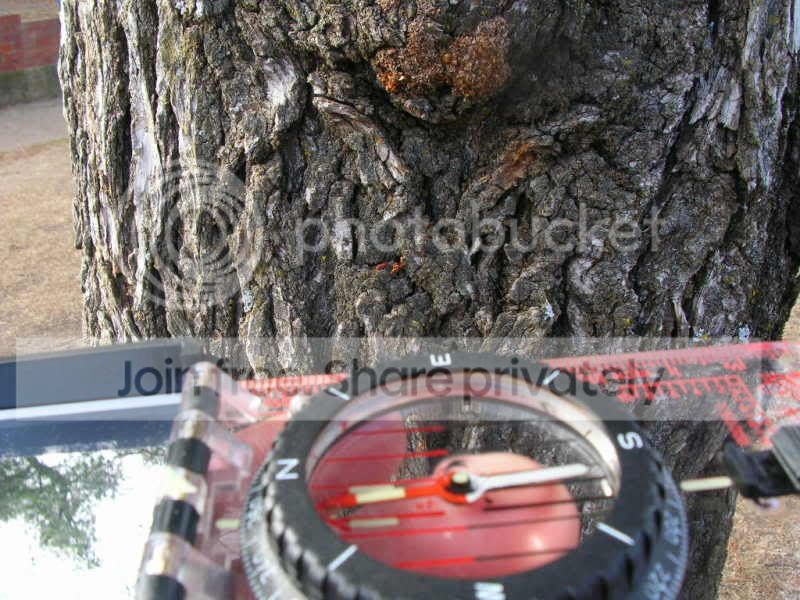
And more prominent on the South / Eastern sides of trees.
On the Southern face, moss is present outside of the fissures. More visible.
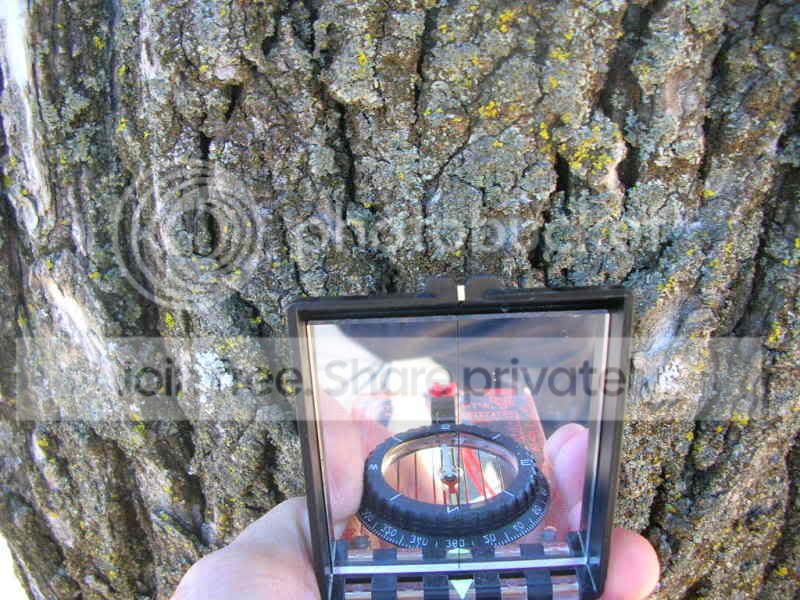
The Eastern Face also has moss present outside of fissures.
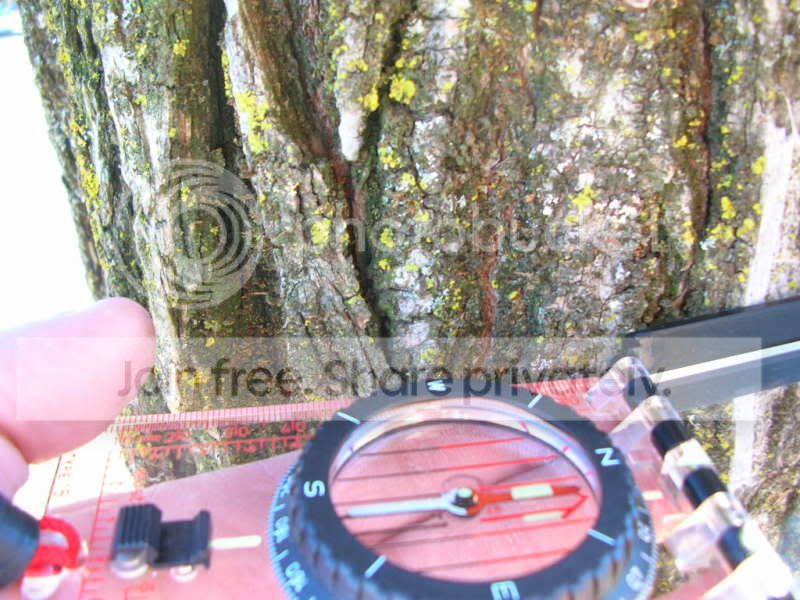
Bear in mind that moss will be more common in those areas that are sheltered from the worst of the sun & heat, so local factors play a part. For example a nearby tree may be providing shade to a particular side of another tree and this additional shelter from the sun will encourage moss growth on that side of the shaded tree. I would suggest initially make a study of the immediate area, looking for indications that "extra shade" isn't effecting the moss growth. Use your compas to verify your estimates.
Another local indicator is the Snow Gum (a local Eucalypt species). It's mainly found on the south facing sides of the landscape.
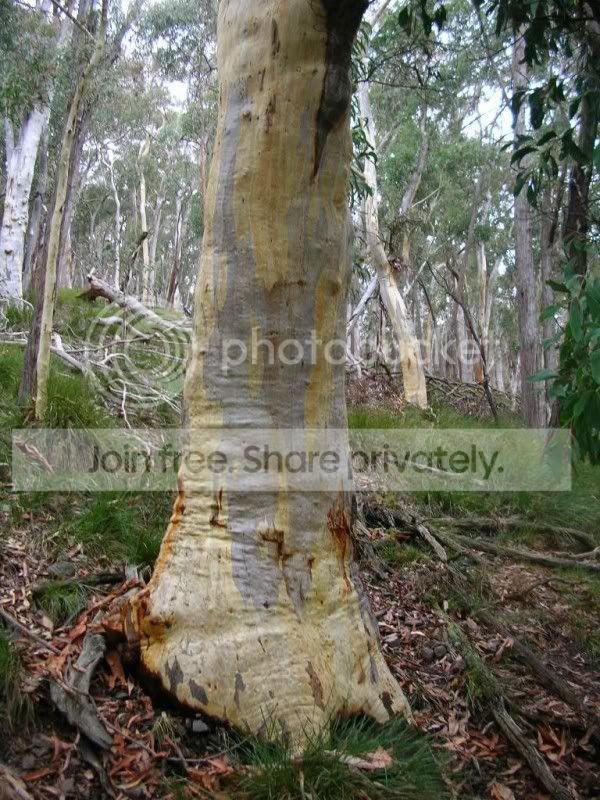
IMO, keeping track of your local vegetation types provides both a catalogue of resources and usefull information on direction. Both are worthwhile bits of information to have whilst travelling through the bush :thumbup:
I'm interested in hearing if anyone else makes use of plant directions in their area?
And if so, what are they?
Kind regards
Mick
In the southern Hemisphere, it's the North & Western facing sides of our landscapes and trees that receive the worst of the summer sun. As a result those plants that prefer a more sheltered position are more abundantly found on the South and Eastern facing sides of both trees and landscapes.
To help illustrate this, I've taken some pics of a Tree just around the corner from work, that shows a typical local example of moss growth on trees.
Here, mosses are less prominent on the North / Western sides of trees ...
On the Northern face, moss growth is limited to inside small fissures in the bark.....
The Western face has the moss restricted to the inside of fissures within the bark....
And more prominent on the South / Eastern sides of trees.
On the Southern face, moss is present outside of the fissures. More visible.
The Eastern Face also has moss present outside of fissures.
Bear in mind that moss will be more common in those areas that are sheltered from the worst of the sun & heat, so local factors play a part. For example a nearby tree may be providing shade to a particular side of another tree and this additional shelter from the sun will encourage moss growth on that side of the shaded tree. I would suggest initially make a study of the immediate area, looking for indications that "extra shade" isn't effecting the moss growth. Use your compas to verify your estimates.
Another local indicator is the Snow Gum (a local Eucalypt species). It's mainly found on the south facing sides of the landscape.
IMO, keeping track of your local vegetation types provides both a catalogue of resources and usefull information on direction. Both are worthwhile bits of information to have whilst travelling through the bush :thumbup:
I'm interested in hearing if anyone else makes use of plant directions in their area?
And if so, what are they?
Kind regards
Mick



 ). They make excellent digging sticks, spears, woomeras, chopping boards and coolamans (local name for dish), and other camp kitchen utensils etc etc.