Little bent happened to my RockSalt

Joined
Mar 23, 2010
Messages
211
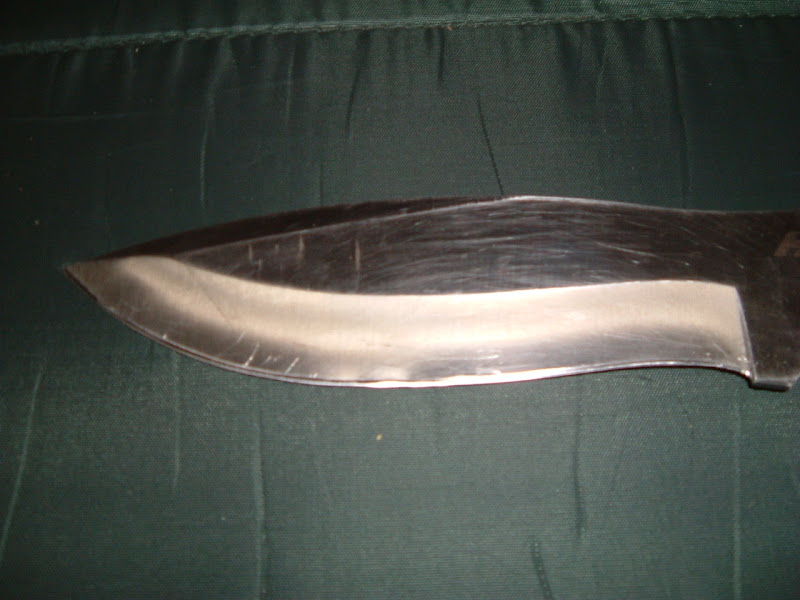
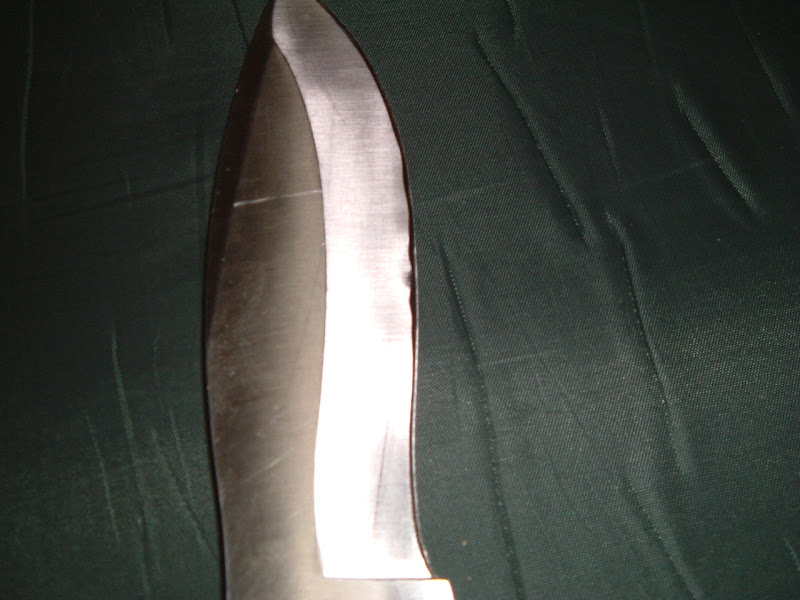
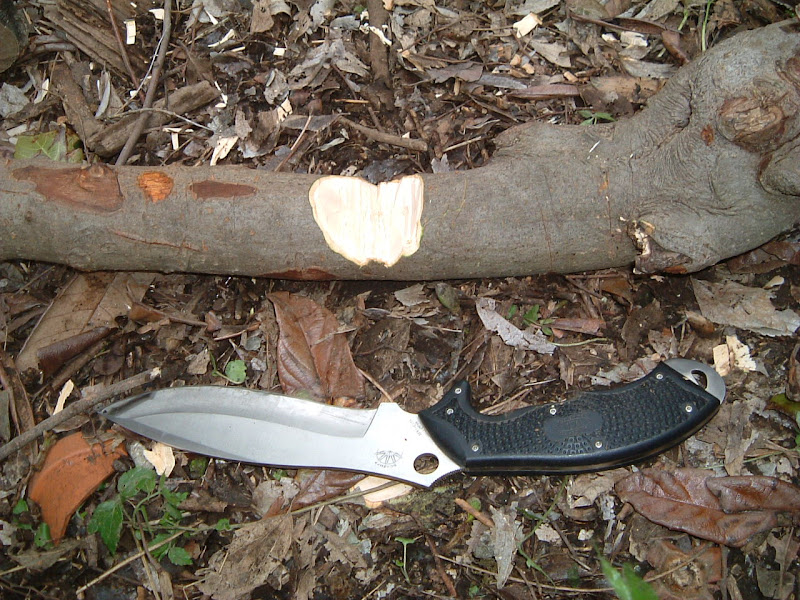
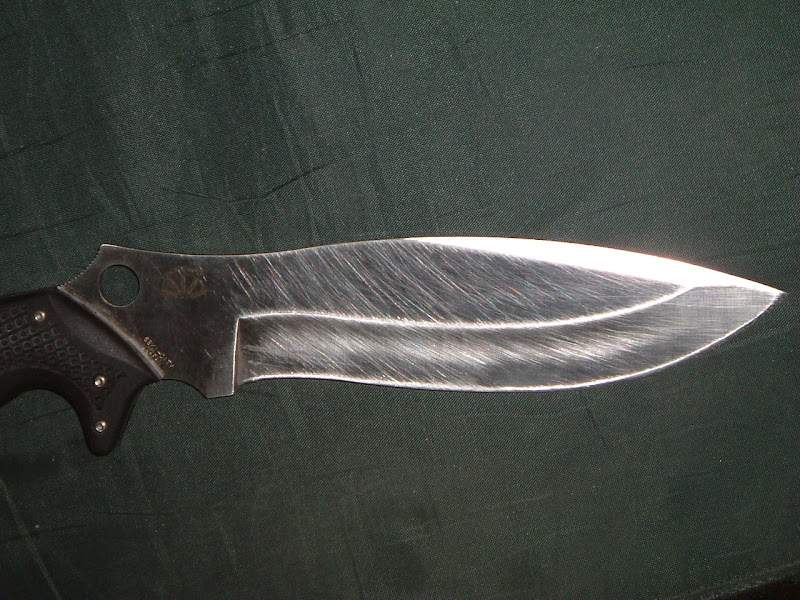
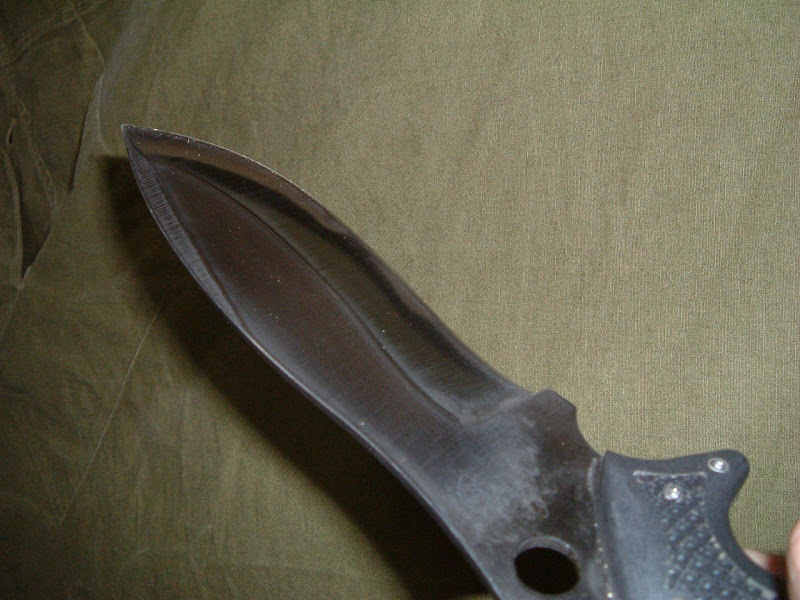
When I tried to cut off branches of tree, my Rocksalt was bent.
It happend at nearly out of the box and before swing-hardening
but I surprised it's durability(?) in comparison to forum statements.

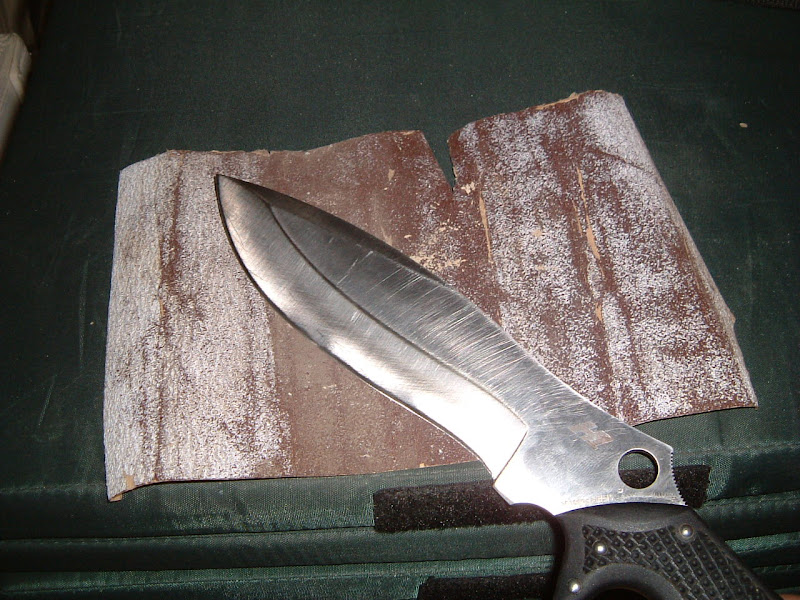
DSCF0301.JPG

DSCF0303.JPG


Bent was little and maybe I used in a wrong way,
so tried to fix edge line straightness but it's difficult for me.

Still I like to use Rocksalt at cooking though its edge is bent,
but I've been afraid of using Rocksalt to woods and trees.


So as begginers I'd like to ask Rocksalt users about:

1. Anyone have ever happend like this?
2. Can it fix or is it worth to worry about?
3. What kind of attention do you have at cutting task?
4. Should I think about it's limitation of hard(?) use works?
5. Is it hard to happen after swing-hardening treatment?


sorry about poor English and photos, and lack of forum experience...
 
Last edited:
It looks like the edge rolled a little. If that's the extent of the problem then you should be able to straighten it easily with your favorite sharpening system. The RockSalt is a great knife but it's not an axe. I'm not saying your use was abusive but the edge of any knife will chip or roll if it hits something hard enough.

Judging by the scratches on the blade it looks like it's had a fair bit of use. I wouldn't worry too much. Just sharpen it out and use it.
 
Following quote is from Japanese BBS website
that OEM employees tested Rocksalt before its release
in bamboo glove on their backyard.
(sorry for Japanese only and it's hard for me to translate)

I bought Rocksalt after reading that
so I confused when it rolled.

Thanx a lot for your advice, cgmblade.


http://www.unkar.org/read/hobby11.2ch.net/knife/1201227227

17 :名前なカッター(ノ∀`)[sage]:2008/01/27(日) 02:00:52 ID:hqKYtpR1
情報解禁なのか分からないけど、某所でFB20 Rock Saltのフィールドテストに参加したのでレポ。

79024-8727114-1-29776873-pc.jpg

79024-8727114-2-29776874-pc.jpg

79024-8727114-3-29776875-pc.jpg

79024-8727114-4-29776876-pc.jpg


メインは竹の切断でしたが、5本程切断しても刃に何のダメージもありませんでした。
この後、乾燥したココボロの木っ端や長年屋外に放置されてた杉の丸太、白紙の廃材、釘を叩いたのですが、
金属類を叩いた時に刃が曲がっただけでした(白紙は切れた)。

難点としては、ハンドル材が薄く、切断時の衝撃が直接手に響く事と、
切っている最中にグリップエンドの金属部分が小指に当たり対象物を叩いた衝撃でアザが出来る為、
使用時に厚めの手袋が必要な事があげられます。

http://www.unkar.org/read/gimpo.2ch.net/knife/1209833835

391 :前スレ17[sage]:2008/07/06(日) 00:38:39 ID:HVdhCMNL
>>390
実際のところ、G・SAKAIの職人の大半+G・SAKAI周辺の人々がプロトタイプの段階で何度も何度も同じナイフで試し斬りしてたから、最終的には3人どころの話じゃない罠w
今でも、専務がナイフ博物館に居る時に行けばその時のナイフで試し切りさせてくれるしw

ロックソルトは、H−1の特性である“使用時の衝撃による鍛造硬化”を利用して切れ味を維持してるから、他の鋼材だと切れ味の維持が難しいかと。

396 :名前なカッター(ノ∀`)[sage]:2008/07/06(日) 15:57:44 ID:Dpmu0cdr
>>391
いや気になったのは”アメリカのスタッフがプロトタイプを携えアフリカのジャングルに分け入り”が
日本じゃ”竹やぶ”しかしていない事。
まあアメリカでテストを十分しているから、日本じゃ伝統的な竹で
試せばいいってとこなんだろうけど。
しかし、Gサカイに限らず、日本のナイフメーカーってフィールドテスト代わりにキャンプとか
しないんだろうか?ふと思った。
岐阜ならキャンプぐらいすぐできるけど。

403 :前スレ17[sage]:2008/07/06(日) 19:20:07 ID:HVdhCMNL
>>396,399
ナイフ博物館でできるかもしれない試し切りは、売店裏の竹やぶw
G・SAKAIの中の人達がテストさせられていたのは、工場の近くの竹やぶw

>>400,402
H-1鋼は分子間の隙間が結構あるらしく、叩く衝撃で硬度が増してゆきます。
最初に青竹を叩いている間も切り味が変化していきました。
そして鋼材が粘り強いため、鋼材の端材を電動金鋸で切断しようとした際に切り口が表面硬化を起こしてなかなか切れなかったため、
最終的にディスクグラインダーで加工することになりました。(G・SAKAIではレーザーで切断→グラインダーで成型)

>そもそもチョッピング後に魚など切る場合には
>「柔らかい物を切る」切れ味はどうなんだろうね。
前スレのフィールドテスト後にチラシを空中で削ぎ切りにして遊んでましたが、サクサク切れました。

>>402
>ともあれハンドル材はマイカルタかG10が良かったなー。
ハンドルはリベットで固定されているだけなので、リベットをはずせばハンドルの交換は可能かと。
ただし鉈の様に使った場合に衝撃が直に手にくるので、ハンドル材は軟らかい物に交換した方が良いです。

あと、H-1鋼は油になじみやすいため、オイルをたらしたり脂の多い魚や肉を切ると拭くだけでは取れない油ジミができるので要注意。

410 :前スレ17[sage]:2008/07/06(日) 22:36:58 ID:HVdhCMNL
79024-8731500-0-29784013-pc.jpg

79024-8731500-1-29784014-pc.jpg

79024-8731500-2-29784015-pc.jpg


さすがにロックソルトに脂つけたりするのは嫌だったので手持ちの端材で。
一枚目の鋼材右の方にある黒いシミは、こぼしたミシン油と拭き取ろうとした跡。

二枚目は側面全周を覆っている皮膜。
マイナスドライバーを入れても剥がれず。
圧延したステンレス系の鋼材ってこんな風になったっけ?

三枚目はディスクグラインダーで切り離した跡。
一番右のちょっとした平面は電動金鋸で切ろうとして挫折した跡。

グリススプレー吹きかけて拭き取る写真も撮ったほうがいい?

 
Last edited:
What type/species of tree where you chopping? I see the waves in the primary high hollow grind right at the belly. Did you get the blade stuck and twist the knife out? I'm trying to understand how that happened. I have a Rock Salt and have removed limbs from trees before (mostly pine, striped maple and cherry) without anything like what your pictures show. It looks like that knife has had a hard life so far.
 
I've girdled an 8" diameter Oak and sunk the blade in pretty far with no damage at all. Could you take a picture of what you were chopping?
G27
 
Dear ChapmanPreferred and Glock27
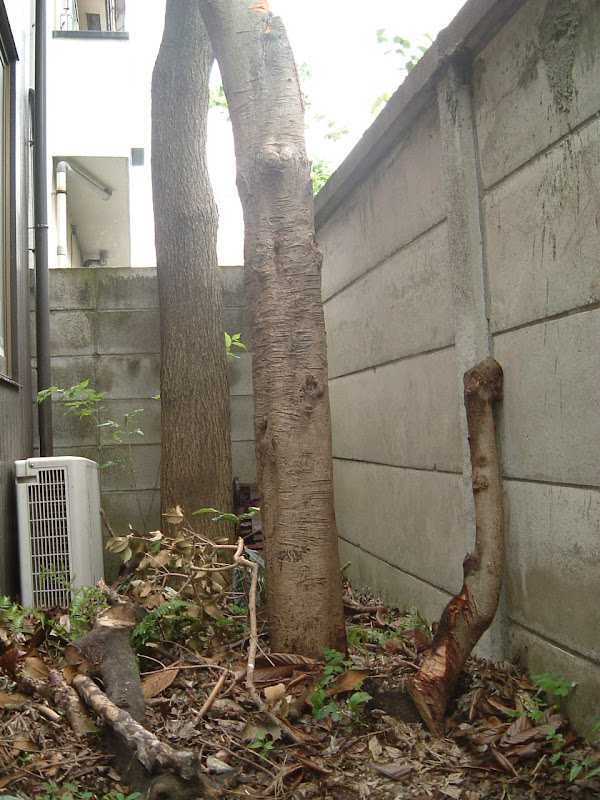
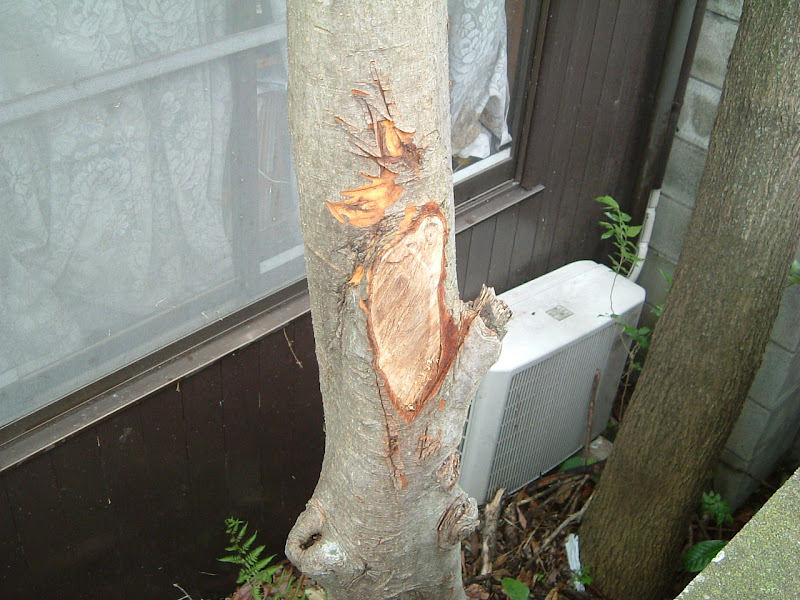
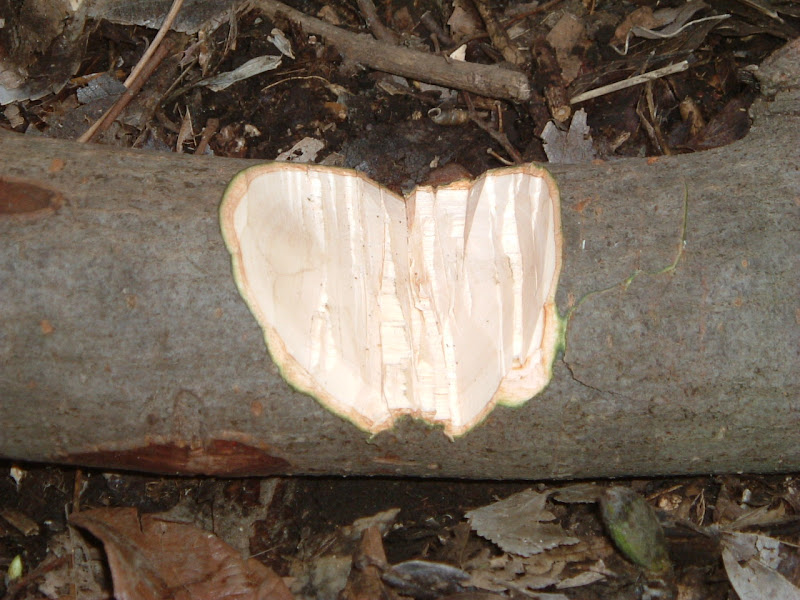
Thanx for reply and here's pics of woods and saw.

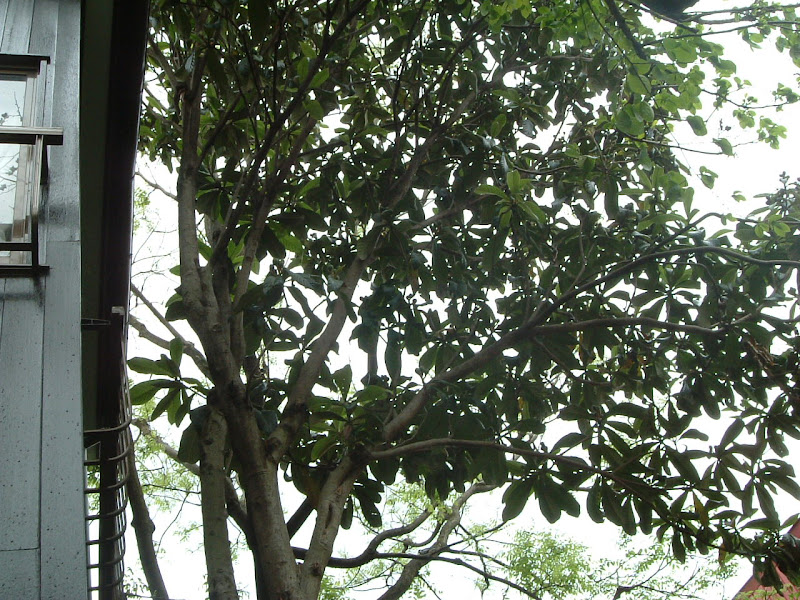
wood type is unknown
its surface is not so hard and its density is also a little low
seems to be including more waters than other woods in my garden
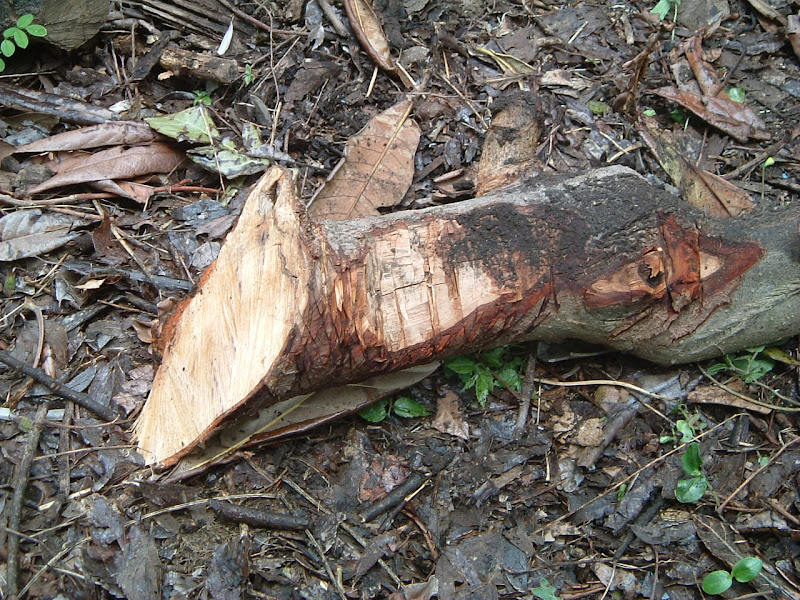
right side is cut-off branch
DSCF0307.JPG


cutting surface with saw
DSCF0302.JPG


branch that remains trial with Rocksalt
DSCF0305.JPG


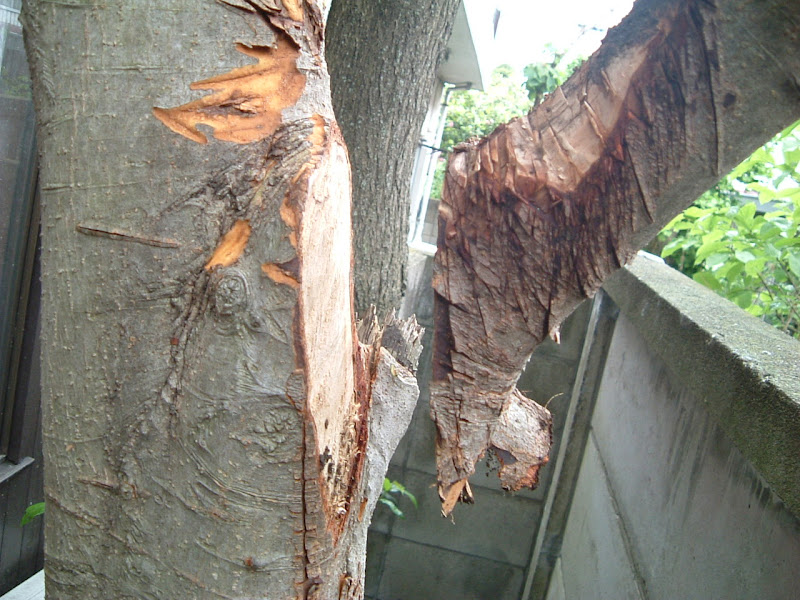
trunk and branch, difficult angle to right-hand swing
DSCF0306.JPG


leaf and branch
DSCF0303.JPG


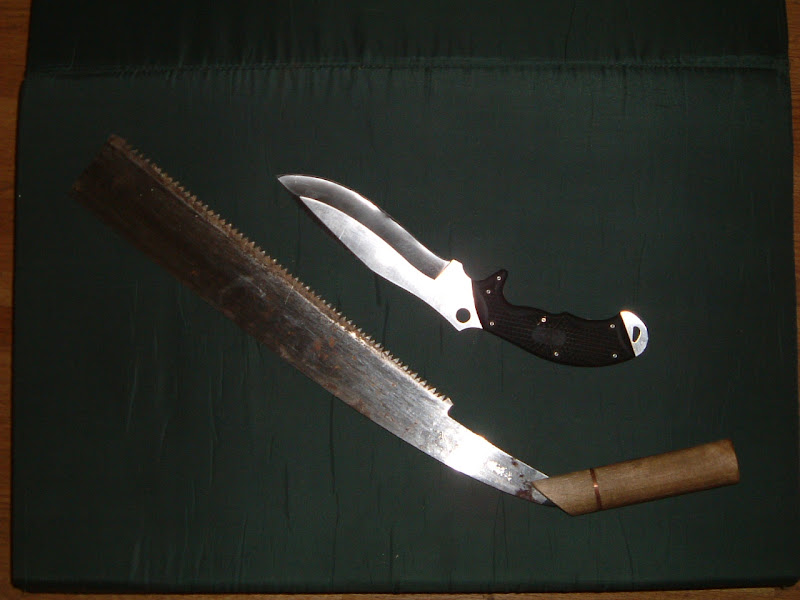
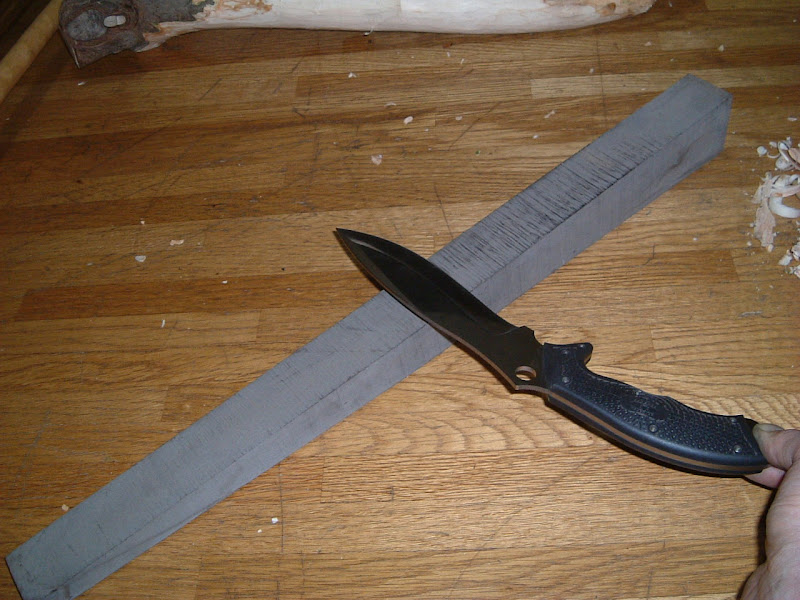
Rocksalt and "Nakaya Heiji" saw
DSCF0310.JPG


dried branch cutting test
DSCF0312.JPG


cutting surface detail
DSCF0313.JPG
 
Last edited:
Excuse me I tracked past posts of ChapmanPreferred,
and found a thread "How To - Looking for a tuturial for convexing my knife.".
There was URL to tutorial and following to it,
I tried to change bebel line of Rocksalt to light-convex glind
by #100 sandpaper on Coleman's urethane mat.

Then I made 40 degrees microedge line and
slightly covered 50 degree stopping edge with sharpmaker.
Below pics are half-time result under constructing.

DSCF0315.JPG

DSCF0317.JPG


I didn't switch grind so seriously yet
But now I feel that I can adjust my blade on demand
and time will fix and refine my rolled edge.

I cannot judge that this is the best way to solve,
and I want to know other approaches to these problems.


Thanx everyone who suggested to me.
 
Last edited:
Yeah, that happens with H-1. I have to say it's a limitation of the steel. This is not the first time someone has posted about the Rock Salt bending like that. I don't see any way to stop it from happening.
If Spyderco were ever to do another H-1 fixed blade for chopping wood, I would have to recommend they give it a thicker edge, H-1 just bends too easily.

The upside is that H-1 is incredibly resistant to fracturing. On a fighting knife like the Warrior H-1 is pretty much perfect.
The Rock Salt still makes a beautiful utility knife.

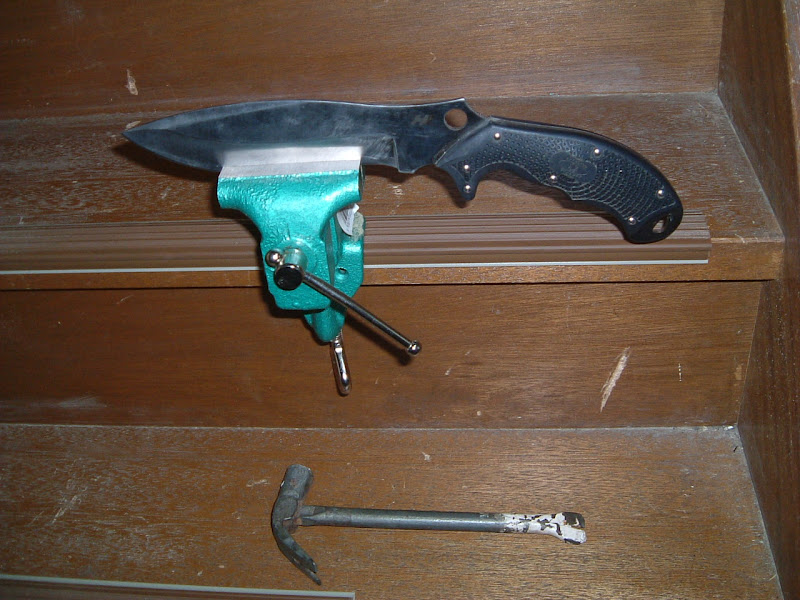
Ikuyadas, my recommendation is that if you have access to a workshop with an anvil, you could try to hammer out the waves. Clamping the bent part of the edge in a vice and tapping the side of the blade might also work.
If you don't feel comfortable doing that, grinding the waves out would be better (as you've already started to do).
 
Yeah, that happens with H-1. I have to say it's a limitation of the steel. This is not the first time someone has posted about the Rock Salt bending like that. I don't see any way to stop it from happening.
If Spyderco were ever to do another H-1 fixed blade for chopping wood, I would have to recommend they give it a thicker edge, H-1 just bends too easily.

The upside is that H-1 is incredibly resistant to fracturing. On a fighting knife like the Warrior H-1 is pretty much perfect.
The Rock Salt still makes a beautiful utility knife.

Ikuyadas, my recommendation is that if you have access to a workshop with an anvil, you could try to hammer out the waves. Clamping the bent part of the edge in a vice and tapping the side of the blade might also work.
If you don't feel comfortable doing that, grinding the waves out would be better (as you've already started to do).

Wow, once I tried to use a small hammer to do it.
But then I just hit the bent part of the egde on wooden floor,
and bent edge was not restored.
I couldn't notice anvil and such a setting way!
Thanx Joshua J, I'll study and try to fix my Rocksalt.
 
Yeah, that happens with H-1. I have to say it's a limitation of the steel. This is not the first time someone has posted about the Rock Salt bending like that.

That's my opinion too, as the H-1 Steel was designed to be a Low-maintenance boating/Ocean blade that one could keep on Water-Vehicles and forget about.

I'd say if you want to chop limbs off trees, Carbon Steels will be your best bet:thumbup:
 
I'd say if you want to chop limbs off trees, Carbon Steels will be your best bet:thumbup:

Thanx to reply, xtestifyx.


I have large 9'' Khukuri that Japanese blacksmith forged.
It have forged/laminated Aogami-2 carbon steel and convex glind edge.
1607-101-850.jpg


I chopped 3'' diameter branch of the tree with it
to cut off border transgression to my neighborfood.
It was little hard tree compared with the tree that Rocksalt chopped.
Then Khukuri was bent and twisted at nearby the handle so that
when I hold handle to forward steel points to right.
And blade began to click when I glip and move its handle.
DSCF0141.JPG


So i started to find saw specialized to live tree and that was incredible.
http://nakayaheiji.hp.infoseek.co.jp/index.html


Add to its rust proof and weight, and its sheath,
I stopped to use large forged knives and a few years passed.
I broke off small limbs from sawed branch in my hands
and took broken limbs into garvage bag
when trees have grown up and started touching to public electric cord.

I've not took carbon steels what you meant probably
that is not laminated and formed of all-hard steel.
I was worried fully-strong steel about chips and shock-absorb capacity
and rainy season pushed me to take Rocksalt.
Also I didn't know heat-treated 1095 and coating advantage
until I started to browse this bladeforum.

So and but? now I can imagine from my limited experience
why you recommended carbon steel to chop limbs of the tree.
I still like different feelings of my other 5'' laminated edge
and I will think of 1095 steel if it is aimed to wood chopping only.

But on the other side I started to looking for the knife
that have something utility from daily cooking to seasonal chopping.
I didn't know rust-proof coated 1095 steel and falled love to Rocksalt,
and I cannot find a 1095 knife that sound me such utility by now.
Now I hope to be with Rocksalt at need to daily life circumstances,
and want to modify its H1 blade that's available to woods to realize it.


Apologize to everyone for my poor statement style...
 
Last edited:
Ikuyadas, you are hard on your knives! That is a very nice Khukuri, and I'm surprised to hear that it bent!
Yes, I think using the saw from now on would be best.
 
Thanx to reply, xtestifyx.

But on the other side I started to looking for the knife
that have something utility from daily cooking to seasonal chopping.
I didn't know rust-proof coated 1095 steel and falled love to Rocksalt,
and I cannot find a 1095 knife that sound me such utility by now.
Now I hope to be with Rocksalt at need to daily life circumstances,
and want to modify its H1 blade that's available to woods to realize it.


Apologize to everyone for my poor statement style...

Friend, Rust-proofness seems like it's so important to you. The truth is, rust-proofness si pretty irrelevant(unimportant) when you don't store your blades outside under rain or use it and not care for it.

The first thing I do with a blade after I've been using it to baton or chop other things, it to maintain it's edge and give it some oil. It's a simple process that takes a minute at most and then you can carry on to other things. Of course, you can skip the oiling part if you store the knife in a dry climate.

You don't need a H-1 chopper, a H-1 chopper isn't very good to begin with, it is certainly rust-resistance to a very high degree(It does rust in chlorine, but nobody swims in 100% chlorine)

Definitely look into 1095 if you can, I hate to advertise for brands, but the ESEE brand is popular on this forum. In the US, they have a warranty that will replace your broken blade even if you intentionally damage it, so that gives the users a good peace of mind.

http://www.eseeknives.com/junglas_machete.htm
junglas.jpg
 
This makes me a bit nervous about using my Rock Salt (Or an Aqua) for batoning firewood like I was planning on trying one of these weekends...
 
This blade looks almost exactly like the prototype of the Rock Salt after it delimbed a dried up Christmas tree. The prototype was made of 15N-20 clad 52100 San Mai with a 5/32 thick blade with a flat saber grind. I've seen this "stretching" of the steel on some of the large competition cutters in Bladesports.

This can happen when you discover a knot in a timed 2x4 cut. If this buried limb grows close to but not on the line of the cut. The softwood around the cut will cut easily until the edge encounters the almost parallel knot or dead branch in the lumber. The edge will follow the knot and the blade will follow the cut through the mass of the 2x4. This leads the edge to stretch around the knot.

The bad news is that it is near impossible without heat treatment to restore the edge, and that is definately not an option with H-1. The good news is that this will probably not lead to major failure. I've seen this material bend 90 degrees without breaking.

In part this is bad luck. It will probably not effect the usefulness of this blade. And the more it is sharpened and used the harder the steel will become...Take Care...Ed
 
1. Thanx to Joshua J.

I clamped rolled part of edge in a small anvil
and tapped both side of the blade with a mini-hammer
and kept clamped position about 24 hours.
Wavings were decreased so as not to mention to me
when I slide it on my nail in comparison
but it didn't be removed completely
if I touch both side surface of blade.
DSCF0319.JPG


2. Question to Mr. Schempp

Honored to welcome and thanx for detailed explanation.
I could confirm its past situation and present condition.

My question is about effectiveness of rubbing H1 steel
not by buff machine but only with #1000 sandpaper in hand,
not to polish for beauty but to make friction heat to H1
as a way of "work hardening" context.
DSCF0315.JPG


3. To suggestion from xtestifyx

Recently I thought of RTAK2 as a pair of Rocksalt
if I can carry my knives to the outside.
But Here's a crowded city under strict regulation I live,
and took lots of money to reach such a place
as enough to fully use of ESEE models.
For that reason ESEE seems to be overspec for me,
difficult to form part of daily needs lotation,
and my saw make it possible to prevent claimers
to remove trees because of falling leaves at present.

But I didn't know their warranty services
what I need and like toward these problems,
and that may stop my history of fixed knife crashing.

Thanx for the practical/beneficial information to me.


4. Just for a startline -- thanx randomlooker

I don't have any experiences of batoning
as firemaking is banned in my living areas.
So I cannot imagine both types of damage between chopping and batoning.
I think poor environment makes poor work hardening
and few experience will cause much more troubles.
 
Last edited:
ikuyadas: Work hardening has to do with deflecting or flexing the steel. Sanding will not have much effect. Try burnishing the edge over a hardwood dowel with a fair amount of pressure on the blade edge. This is much like stropping with the edge following not leading....Take Care...Ed
 
ikuyadas: Work hardening has to do with deflecting or flexing the steel. Sanding will not have much effect. Try burnishing the edge over a hardwood dowel with a fair amount of pressure on the blade edge. This is much like stropping with the edge following not leading....Take Care...Ed

dowel/nc
a pin or peg used to keep two pieces of wood etc together

Dear Ed, thanx to correct my mistake and tell me a way in reason.

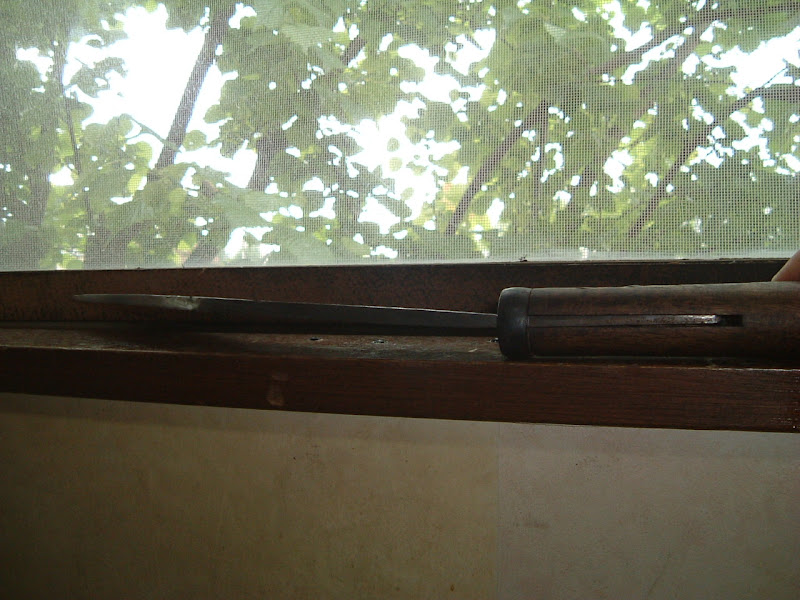
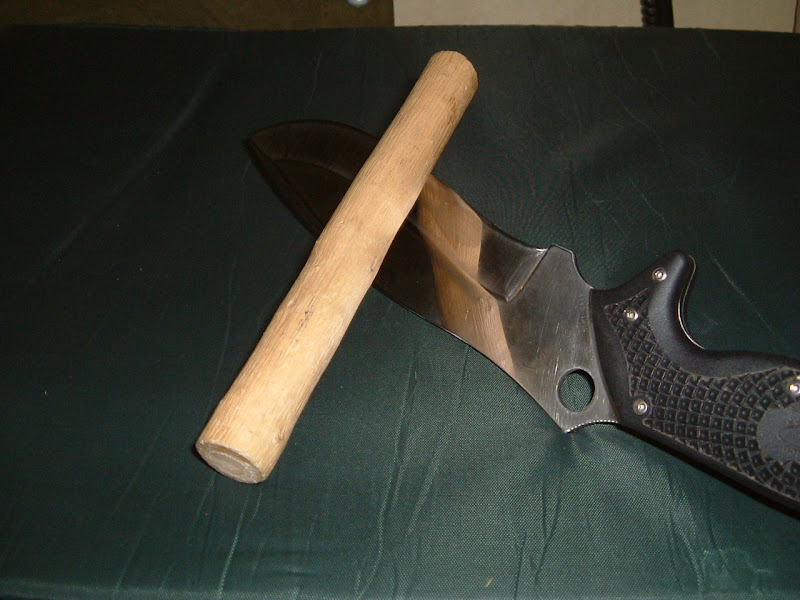
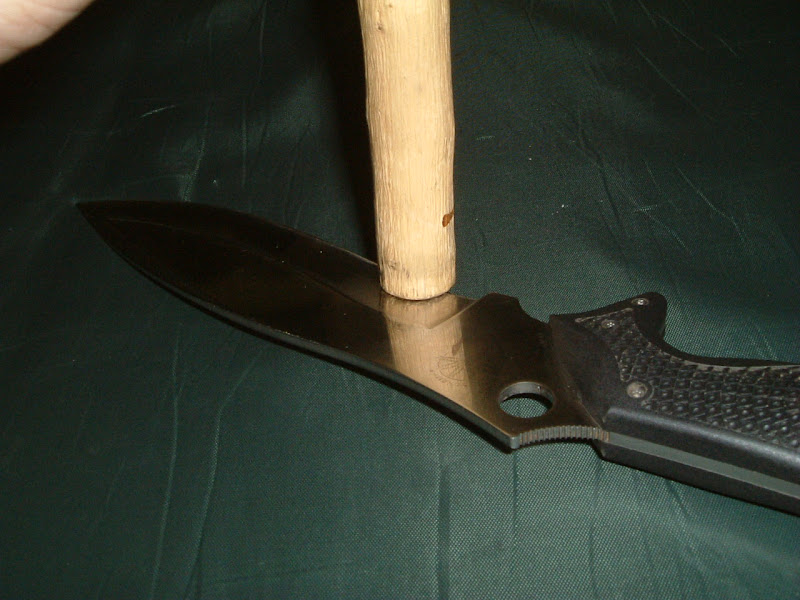
How about these to burnish? Is it appropriate?
DSCF0319.JPG

DSCF0321.JPG

DSCF0322.JPG
 
Last edited:
Back
Top