

- Joined
- Sep 27, 2002
- Messages
- 3,411
Just for fun I thought I'd try to see if I could make an interesting walk without going out in the car!
As you can probably tell by my location, I live in a large city of 1 million people, which is itself in the middle of a conurbation of some 2.5 million people.
However, back in the middle ages, this was a very sparsely populated area. Parishes within medieval cities were often only 2 or 3 acres in extent, Medieval Norwich for instance had 52 churches within it's walls. Whereas the medieval parish of Yardley, where I live, was about 5 or 6 miles long and covered thousands of acres. This particular area was taken into the city of Birmingham about 100 years ago and most of the housing was built in the years either side of the Second World War.
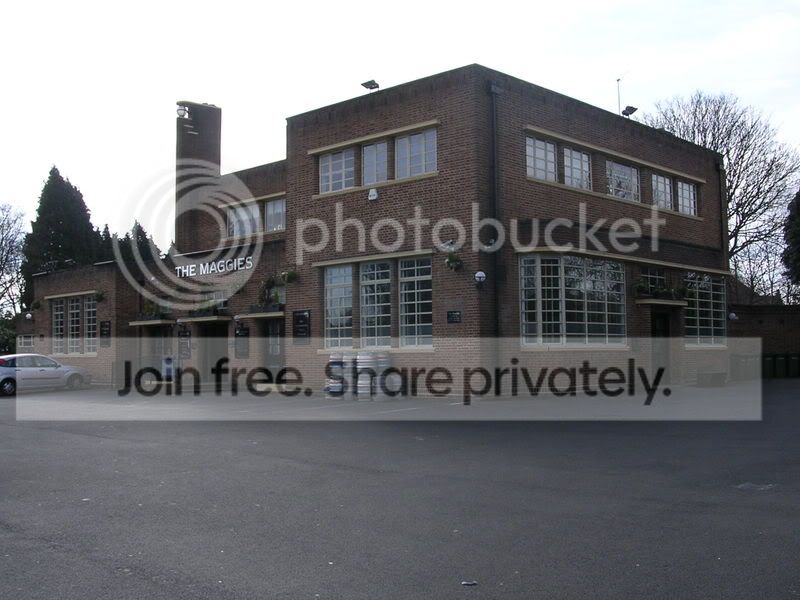
The Three Magpies looks like a typical boring 1930's suburban pub but there is an interesting twist to it's design, which has some art deco flair.
"The Three Magpies in Shirley Road and its sister pub the Baldwin in Baldwins Lane were designed by Birmingham born Edwin Reynolds. The architects were Birmingham based Wood & Kendrick. A profile of the front elevation of the two pubs placed side by side would reveal another part of history as the design was based on The Queen Mary cruise liner launched by Cunard White Star on September 26th 1934, undertaking her maiden voyage on May 27th 1936."
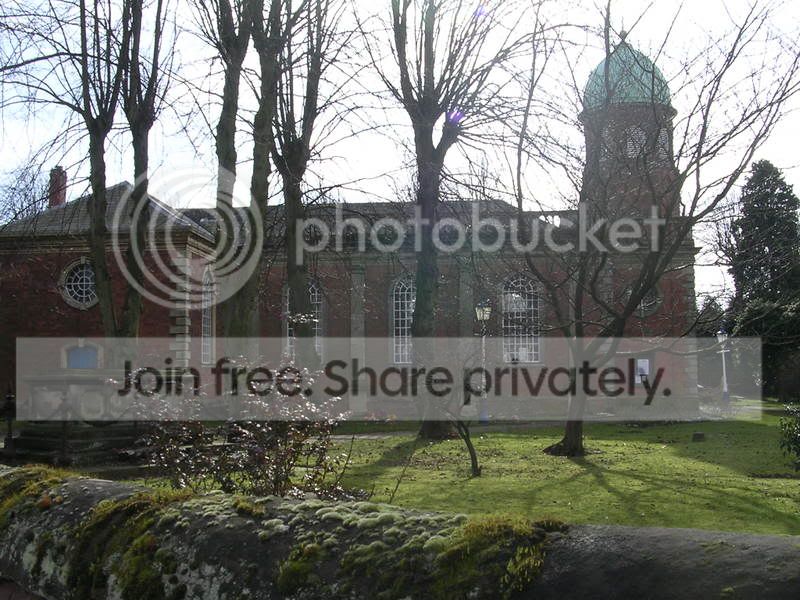
As the population grew, the huge medieval parish of Yardley was partitioned up and Hall Green got it's own church in 1704.
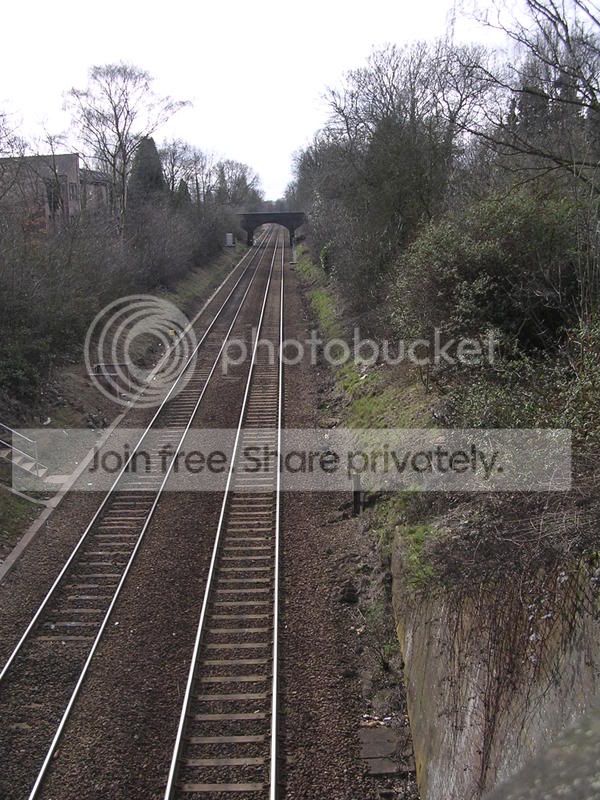
Over the railway... The Great Western Railway was known to it's fans as "God's Wonderful Railway" and to it's detractors as "the Great Way Round" owing to it's sometimes indirect routes. This line was opened as recently as 1912 in order to provide a shorter and quicker route between Birmingham and Cheltenham Spa.
Edited to add: This is the route of the Shakespeare Express, a steam-hauled service that runs to Stratford-upon-Avon and back, twice a day on summer Sundays.
http://www.shakespeareexpress.com/
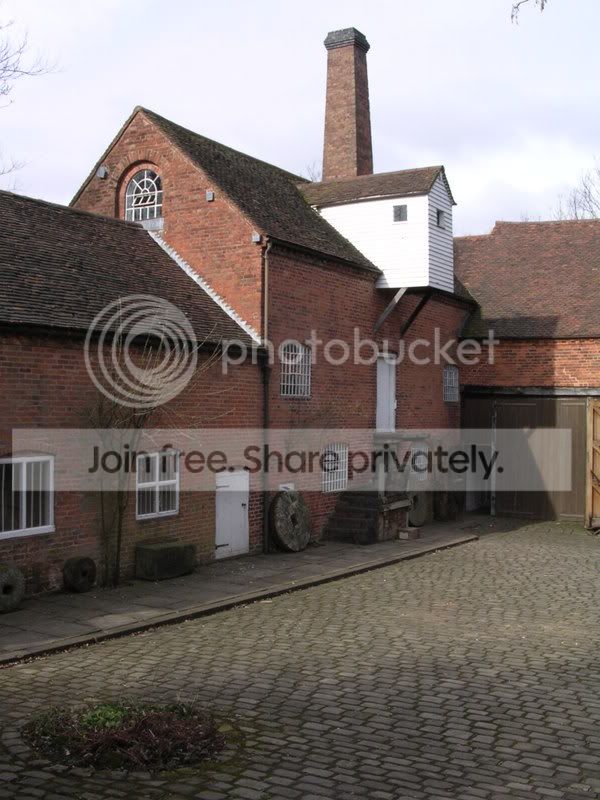
Next we come to Sarehole Mill, rebuilt on the site of an earlier mill in 1765. This mill was known to the young J R R Tolkien who lived around the corner and, with it's belching chimney, was the inspiration for Sandyman's Mill in the Shire. It is now a museum and the annual Tolkien Weekend is held on the adjacent meadow.
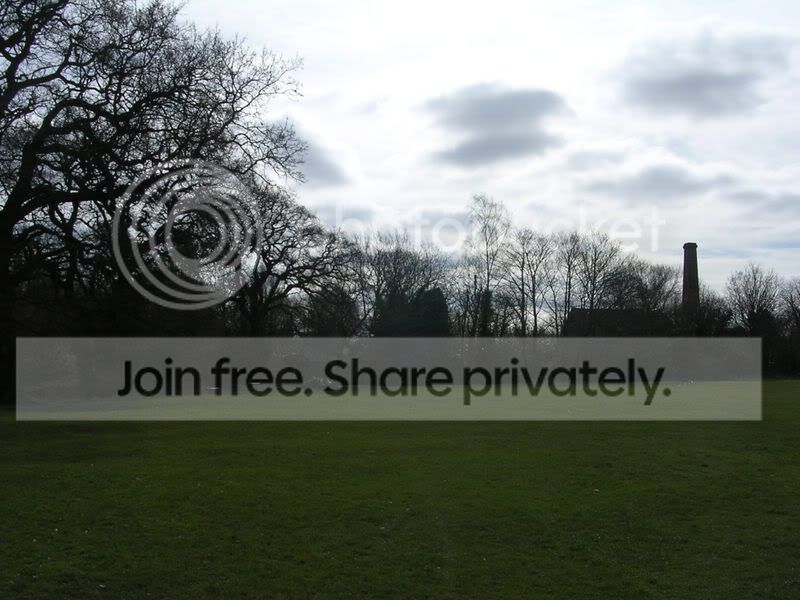
The Meadow, with Sarehole Mill in the background. The mill tail race and the infant River Cole are behind the trees to the left. All this area was the boy Tolkien's playground.
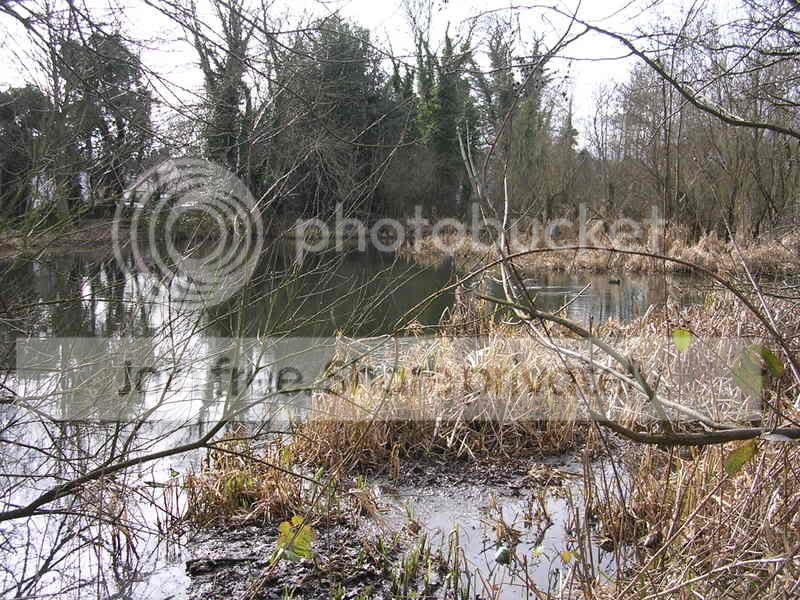
The Millpond. The river Cole runs from South to North but the millpond is filled by a small stream that flows towards the Cole from the West.
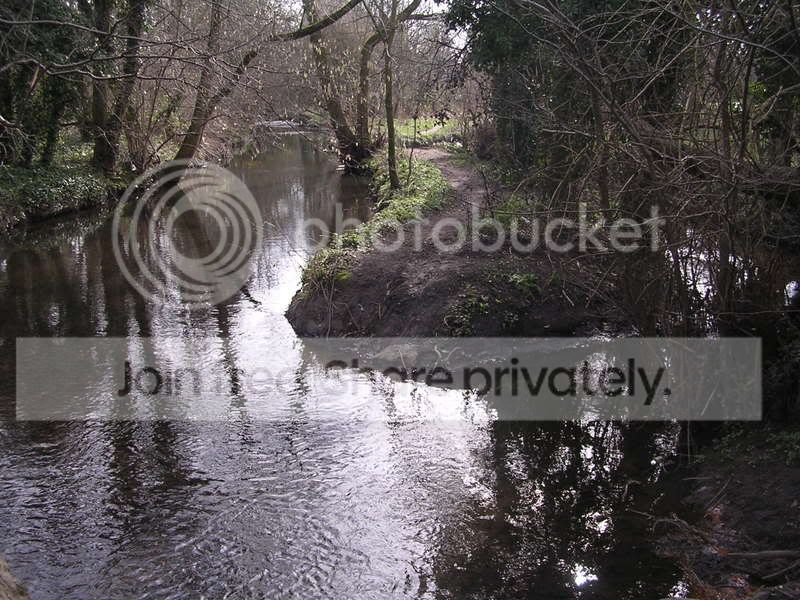
This is the point where the tail race (on the right) flows into the river Cole. It has to be several hundred yards downstream or else when the river rises it would flow back up the tail race to the mill and stop the wheel.
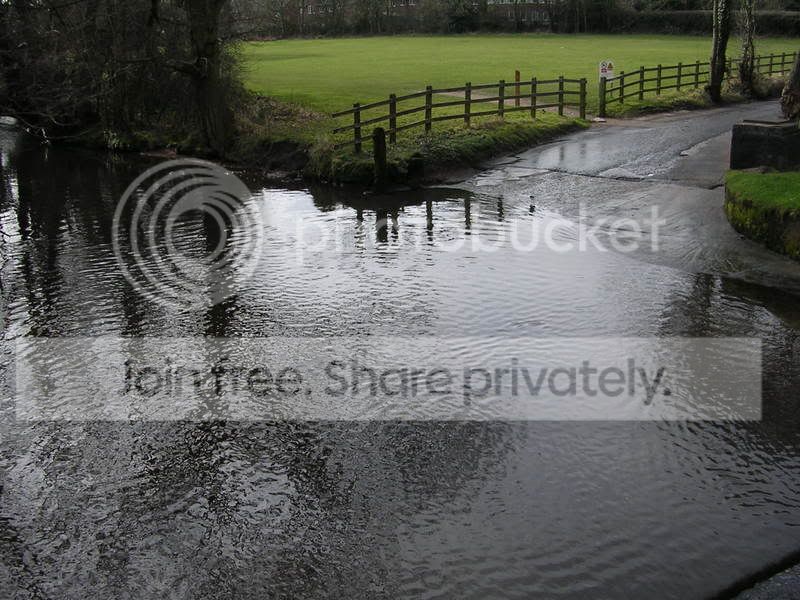
Just below the end of the tail race, Green Road crosses the Cole at this ford.
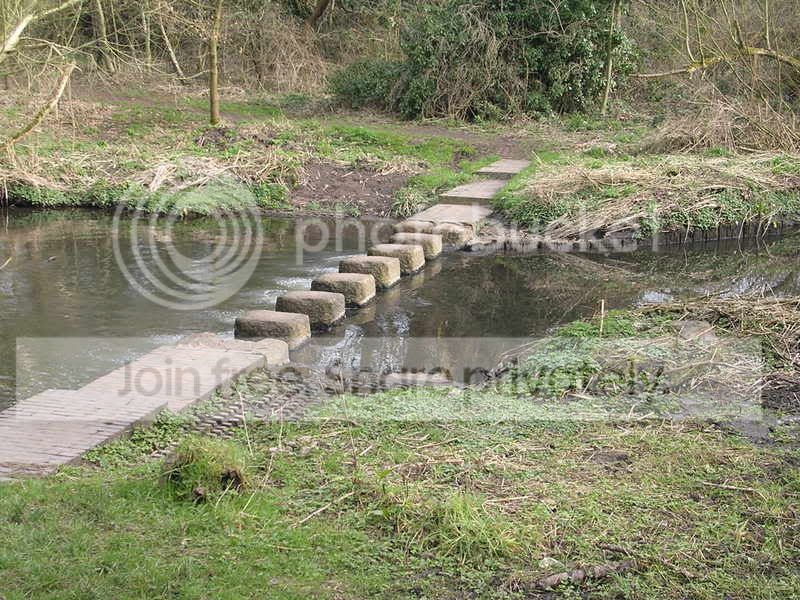
Several miles of the Cole valley as it passes through Birmingham are preserved as a "country park" for the amenity of the locals and as an educational facility. A little further downstream, the Cole is crossed by these stepping stones.
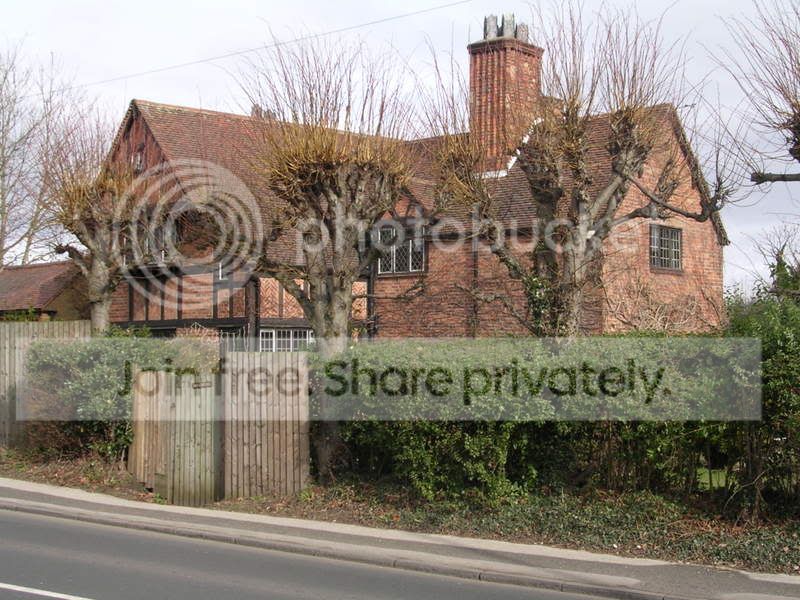
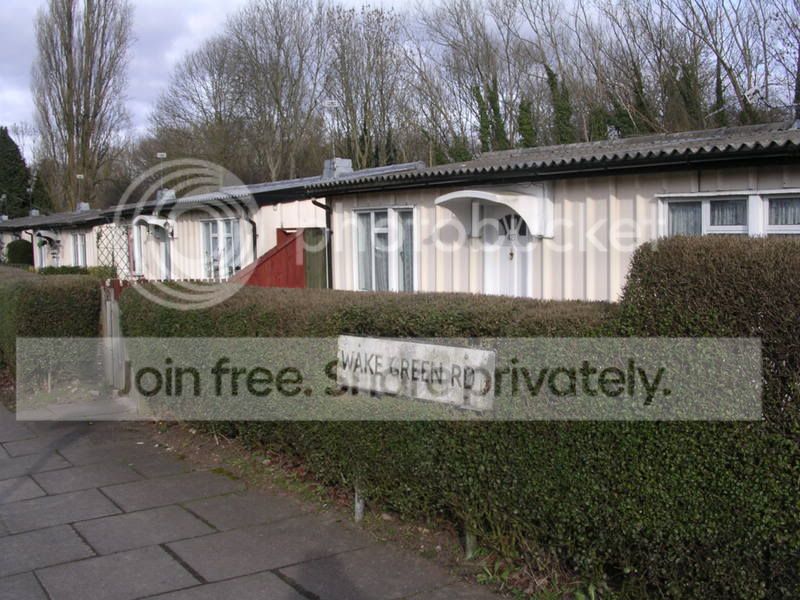
A bit further on I left the Cole and walked through a couple of streets to Wake Green Road, which leads back towards Sarehole Mill. On the left and backing onto the meadow is this interesting Arts-and-crafts era house (it's not nearly as old as it looks!)
To be continued.
As you can probably tell by my location, I live in a large city of 1 million people, which is itself in the middle of a conurbation of some 2.5 million people.
However, back in the middle ages, this was a very sparsely populated area. Parishes within medieval cities were often only 2 or 3 acres in extent, Medieval Norwich for instance had 52 churches within it's walls. Whereas the medieval parish of Yardley, where I live, was about 5 or 6 miles long and covered thousands of acres. This particular area was taken into the city of Birmingham about 100 years ago and most of the housing was built in the years either side of the Second World War.
The Three Magpies looks like a typical boring 1930's suburban pub but there is an interesting twist to it's design, which has some art deco flair.
"The Three Magpies in Shirley Road and its sister pub the Baldwin in Baldwins Lane were designed by Birmingham born Edwin Reynolds. The architects were Birmingham based Wood & Kendrick. A profile of the front elevation of the two pubs placed side by side would reveal another part of history as the design was based on The Queen Mary cruise liner launched by Cunard White Star on September 26th 1934, undertaking her maiden voyage on May 27th 1936."
As the population grew, the huge medieval parish of Yardley was partitioned up and Hall Green got it's own church in 1704.
Over the railway... The Great Western Railway was known to it's fans as "God's Wonderful Railway" and to it's detractors as "the Great Way Round" owing to it's sometimes indirect routes. This line was opened as recently as 1912 in order to provide a shorter and quicker route between Birmingham and Cheltenham Spa.
Edited to add: This is the route of the Shakespeare Express, a steam-hauled service that runs to Stratford-upon-Avon and back, twice a day on summer Sundays.
http://www.shakespeareexpress.com/
Next we come to Sarehole Mill, rebuilt on the site of an earlier mill in 1765. This mill was known to the young J R R Tolkien who lived around the corner and, with it's belching chimney, was the inspiration for Sandyman's Mill in the Shire. It is now a museum and the annual Tolkien Weekend is held on the adjacent meadow.
The Meadow, with Sarehole Mill in the background. The mill tail race and the infant River Cole are behind the trees to the left. All this area was the boy Tolkien's playground.
The Millpond. The river Cole runs from South to North but the millpond is filled by a small stream that flows towards the Cole from the West.
This is the point where the tail race (on the right) flows into the river Cole. It has to be several hundred yards downstream or else when the river rises it would flow back up the tail race to the mill and stop the wheel.
Just below the end of the tail race, Green Road crosses the Cole at this ford.
Several miles of the Cole valley as it passes through Birmingham are preserved as a "country park" for the amenity of the locals and as an educational facility. A little further downstream, the Cole is crossed by these stepping stones.
A bit further on I left the Cole and walked through a couple of streets to Wake Green Road, which leads back towards Sarehole Mill. On the left and backing onto the meadow is this interesting Arts-and-crafts era house (it's not nearly as old as it looks!)
To be continued.
Last edited:
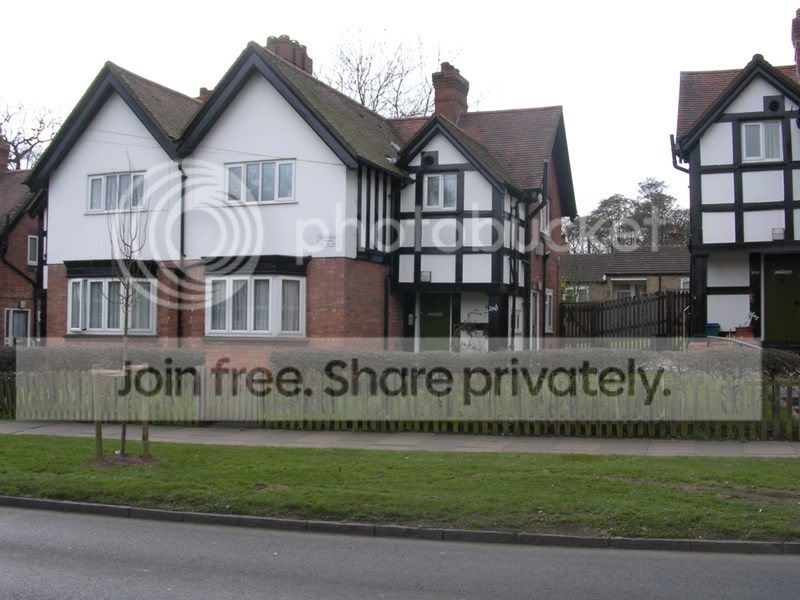
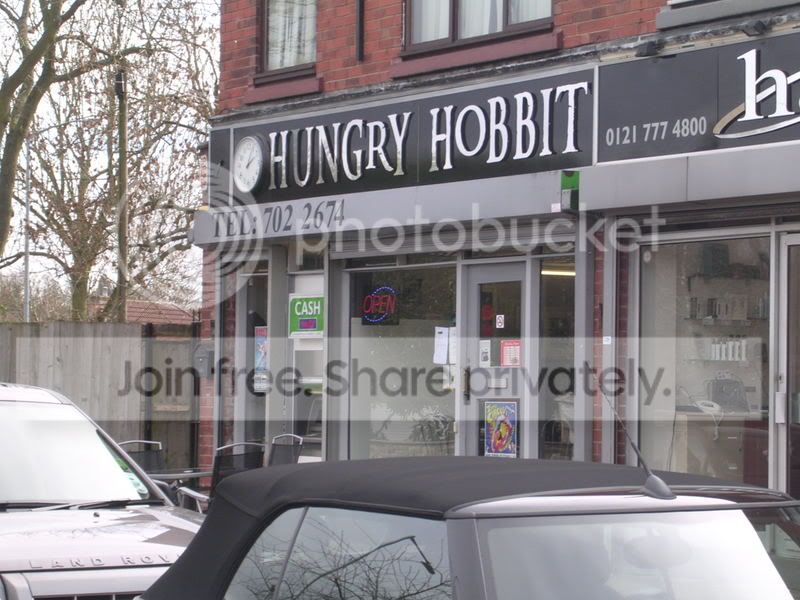

 i love all of the architecture...


