
-
The BladeForums.com 2024 Traditional Knife is available! Price is $250 ea (shipped within CONUS).
Order here: https://www.bladeforums.com/help/2024-traditional/
You are using an out of date browser. It may not display this or other websites correctly.
You should upgrade or use an alternative browser.
You should upgrade or use an alternative browser.
Long term survival thread
- Thread starter g123
- Start date
Shelter building. While a tarp or tent taken with you is adequate for even intermediate length treks. They won't usualy make it over the long term. The ability to make a shelter that will keep you warm and dry from available materials is a must. Such a shelter will be MUCH warmer if a fire can be placed inside the shelter. The ability to improvise a stove rather than an open fire will allow you to heat it even more efficiently.
Water location and purification. Better have some containers with you or improvise some quickly. They have got to be able to be boiled in.
Trapping and snaring along with tracking. This skill set is invaluable for long term survival. This must include the construction of several types of deadfalls and how to set them for different animals. Plus how to construct snares and set them for a wide variety of animals as well. IInclude modern cable snares in any long term kit learn to use them NOW before the skill is needed.
Hunting (all aspects form scent control and movement to fabrication of weapons and tools). From a survival standpoint you need this knowledge even if you are equiped with modern firearms. Rifles break and ammo runs out or is ruined.
Fishing. The knowledge of how to set trot and set lines as well as manufacture and set fish traps and crawdad/crab traps. Include several dozen hooks and related supplies in any long term kit. Always set several lines survival isn't about being sporting.
Edible plants. Learn to identify several that are available through most seasons where you are going. Learn to identify them in ALL seasons. not just from a book.
Learn to process and tan hides/skins/furs especialy if your thinking of survival for an extended period.
Fire. This shoud be high on your list. Become thoroughly competent in starting a fire using everything from matches, firesteels, flint and steel, bowdrill, handdrill and burning lens. Including the locating and prepearing of natural tinders in the areas you frequent. Make the carrying of a firekit a habit that you perform without thinking about it.
Improvisation. Train yourself Now to have the mindset of a survivor. Tkae trips on foot down alleyways, sideroads etc. Pay attention and notice every piece of junk you see laying around, then ask yourself "How could that be used in a survival situation" "What can I use this for?" etc.
This is very brief as you didn't give much info such as how long is long term? and what scenario Stranded in the wilderness as opposed to collapse of civilization.
Another biggie Food preservation and camp cooking over the long term you need to know how to properly process, cut and thoroughly dry meat and fish. Then you need to know how to store it so that your supply makes it through the winter with you.
If your going to be on the move then you need to know how to build the equipment needed to transport your tools and supplies as well.
Ever made moccasins or mukluks? What are you going to wear on your feet over the long term? Hard to buy boots in the boonies.
This should give ya a little to think about.
Water location and purification. Better have some containers with you or improvise some quickly. They have got to be able to be boiled in.
Trapping and snaring along with tracking. This skill set is invaluable for long term survival. This must include the construction of several types of deadfalls and how to set them for different animals. Plus how to construct snares and set them for a wide variety of animals as well. IInclude modern cable snares in any long term kit learn to use them NOW before the skill is needed.
Hunting (all aspects form scent control and movement to fabrication of weapons and tools). From a survival standpoint you need this knowledge even if you are equiped with modern firearms. Rifles break and ammo runs out or is ruined.
Fishing. The knowledge of how to set trot and set lines as well as manufacture and set fish traps and crawdad/crab traps. Include several dozen hooks and related supplies in any long term kit. Always set several lines survival isn't about being sporting.
Edible plants. Learn to identify several that are available through most seasons where you are going. Learn to identify them in ALL seasons. not just from a book.
Learn to process and tan hides/skins/furs especialy if your thinking of survival for an extended period.
Fire. This shoud be high on your list. Become thoroughly competent in starting a fire using everything from matches, firesteels, flint and steel, bowdrill, handdrill and burning lens. Including the locating and prepearing of natural tinders in the areas you frequent. Make the carrying of a firekit a habit that you perform without thinking about it.
Improvisation. Train yourself Now to have the mindset of a survivor. Tkae trips on foot down alleyways, sideroads etc. Pay attention and notice every piece of junk you see laying around, then ask yourself "How could that be used in a survival situation" "What can I use this for?" etc.
This is very brief as you didn't give much info such as how long is long term? and what scenario Stranded in the wilderness as opposed to collapse of civilization.
Another biggie Food preservation and camp cooking over the long term you need to know how to properly process, cut and thoroughly dry meat and fish. Then you need to know how to store it so that your supply makes it through the winter with you.
If your going to be on the move then you need to know how to build the equipment needed to transport your tools and supplies as well.
Ever made moccasins or mukluks? What are you going to wear on your feet over the long term? Hard to buy boots in the boonies.
This should give ya a little to think about.
If we're talking about "long-term", *how long* is long-term? Re-settlement or something less permanent?
If in an extended survival epic, signalling is very important as is long-term water procurement, shelter and food. All the while, thinking of the everyday needs as well as preparing for seasonal changes.
If in an extended survival epic, signalling is very important as is long-term water procurement, shelter and food. All the while, thinking of the everyday needs as well as preparing for seasonal changes.

- Joined
- Feb 9, 2007
- Messages
- 1,655
I think WildMike makes some excellent points. Really at some point we aren't really talking about "survival" as much as we are wilderness living. Survival presumes escaping the environment at your earliest opportunity.
In a survival situation, navigation, first aid, shelter & fire, are paramount. But once the focus becomes wilderness living, instead of survival, all the skills that people have traditionally used to do so become relevant. Then as WM pointed out the considerations of hunting, fishing, trapping, gathering, natural clothing production, etc. come to the forefront.
In a survival situation, navigation, first aid, shelter & fire, are paramount. But once the focus becomes wilderness living, instead of survival, all the skills that people have traditionally used to do so become relevant. Then as WM pointed out the considerations of hunting, fishing, trapping, gathering, natural clothing production, etc. come to the forefront.


- Joined
- Oct 16, 2005
- Messages
- 7,499
Shelter building. While a tarp or tent taken with you is adequate for even intermediate length treks. They won't usualy make it over the long term. The ability to make a shelter that will keep you warm and dry from available materials is a must. Such a shelter will be MUCH warmer if a fire can be placed inside the shelter. The ability to improvise a stove rather than an open fire will allow you to heat it even more efficiently.
Water location and purification. Better have some containers with you or improvise some quickly. They have got to be able to be boiled in.
Trapping and snaring along with tracking. This skill set is invaluable for long term survival. This must include the construction of several types of deadfalls and how to set them for different animals. Plus how to construct snares and set them for a wide variety of animals as well. IInclude modern cable snares in any long term kit learn to use them NOW before the skill is needed.
Hunting (all aspects form scent control and movement to fabrication of weapons and tools). From a survival standpoint you need this knowledge even if you are equiped with modern firearms. Rifles break and ammo runs out or is ruined.
Fishing. The knowledge of how to set trot and set lines as well as manufacture and set fish traps and crawdad/crab traps. Include several dozen hooks and related supplies in any long term kit. Always set several lines survival isn't about being sporting.
Edible plants. Learn to identify several that are available through most seasons where you are going. Learn to identify them in ALL seasons. not just from a book.
Learn to process and tan hides/skins/furs especialy if your thinking of survival for an extended period.
Fire. This shoud be high on your list. Become thoroughly competent in starting a fire using everything from matches, firesteels, flint and steel, bowdrill, handdrill and burning lens. Including the locating and prepearing of natural tinders in the areas you frequent. Make the carrying of a firekit a habit that you perform without thinking about it.
Improvisation. Train yourself Now to have the mindset of a survivor. Tkae trips on foot down alleyways, sideroads etc. Pay attention and notice every piece of junk you see laying around, then ask yourself "How could that be used in a survival situation" "What can I use this for?" etc.
This is very brief as you didn't give much info such as how long is long term? and what scenario Stranded in the wilderness as opposed to collapse of civilization.
Another biggie Food preservation and camp cooking over the long term you need to know how to properly process, cut and thoroughly dry meat and fish. Then you need to know how to store it so that your supply makes it through the winter with you.
If your going to be on the move then you need to know how to build the equipment needed to transport your tools and supplies as well.
Ever made moccasins or mukluks? What are you going to wear on your feet over the long term? Hard to buy boots in the boonies.
This should give ya a little to think about.
I need to learn a little or a LOT about all this stuff....sigh...
Hey Rockywolf,
Just keep reading and practicing, you will pile up a lot of information quick. Most people do not practice enough so make sure you do. 
Here are a few things for the thread. I have this equipment distributed among my families individual survival packs.
Short term food is not that much of an issue, long term it becomes a primary issue. You need to learn to set traps and fishing lines that work 24/7. It’s all about the calories, including how many you spend trying to feed yourself. I think the trappers had it right. Long term for small and medium game I would stick to steel traps over snares because they can be used over and over. I love Conibears for traps. They are fairly light and they kill so they are less likely to be found by thief’s who would steal the food and your trap. I have 8 #110’s and 3 #220’s. I also have 24 large game cam lock snares for larger game.
For fishing I like trot lines. I carry at least 1 -100’ and 2- 50’ professional grade trot lines. They can be cut down to what ever size you need to use. Bring a large number of hooks in all sizes. They weigh nothing. I carry ¼ pound line rolls of 30#, 15#, 8# and 4# line. Set dozens of hooks out where you fish and give yourself the best chance.
Hunting takes the most calories to do. I like what the trappers do and carry a 22lr. My personnel choice is a Henry Mini Bolt with 4 power scope. Carry a brick of the ammo that works the best for you rifle. I would hunt while I checked the traps or fishing lines. When you spend a lot of time in the woods, it’s different than going out on a hunting trip. You tend to stumble across game just in your travels because you are out there 24/7. I like the Mini Bolt because I attached a sling to it and extended the butt of the rifle to fit the length of trigger pull I like and it only weighs 4 pounds with slings and scope. I would just carry this on my back everywhere I went and would not even notice it was there until I need it.
Put everything working together at once works best. I like to not miss meals. Although everyone would learn to be able to skip a meal or 3 or 4 if you lived in the woods. It would be hard to consistantly feed yourself
Geoff
Just keep reading and practicing, you will pile up a lot of information quick. Most people do not practice enough so make sure you do. 
Here are a few things for the thread. I have this equipment distributed among my families individual survival packs.
Short term food is not that much of an issue, long term it becomes a primary issue. You need to learn to set traps and fishing lines that work 24/7. It’s all about the calories, including how many you spend trying to feed yourself. I think the trappers had it right. Long term for small and medium game I would stick to steel traps over snares because they can be used over and over. I love Conibears for traps. They are fairly light and they kill so they are less likely to be found by thief’s who would steal the food and your trap. I have 8 #110’s and 3 #220’s. I also have 24 large game cam lock snares for larger game.
For fishing I like trot lines. I carry at least 1 -100’ and 2- 50’ professional grade trot lines. They can be cut down to what ever size you need to use. Bring a large number of hooks in all sizes. They weigh nothing. I carry ¼ pound line rolls of 30#, 15#, 8# and 4# line. Set dozens of hooks out where you fish and give yourself the best chance.
Hunting takes the most calories to do. I like what the trappers do and carry a 22lr. My personnel choice is a Henry Mini Bolt with 4 power scope. Carry a brick of the ammo that works the best for you rifle. I would hunt while I checked the traps or fishing lines. When you spend a lot of time in the woods, it’s different than going out on a hunting trip. You tend to stumble across game just in your travels because you are out there 24/7. I like the Mini Bolt because I attached a sling to it and extended the butt of the rifle to fit the length of trigger pull I like and it only weighs 4 pounds with slings and scope. I would just carry this on my back everywhere I went and would not even notice it was there until I need it.
Put everything working together at once works best. I like to not miss meals. Although everyone would learn to be able to skip a meal or 3 or 4 if you lived in the woods. It would be hard to consistantly feed yourself
Geoff
Hey Guys,
Let's talk long term wilderness survival. Let's talk about the knowledge and techniques that can make the difference.
Thanks,
Geoff
Need more info:
Who are the people doing it
What doe people have to help them survive
When - time of the year
Where - location
Why am I (or we) put into a survival situation - cause
How much - how long is long term? How long will the cause of needing to survive last? etc?

Mistwalker
Gold Member
- Joined
- Dec 22, 2007
- Messages
- 19,315
Shelter is usually manageable anywhere that will easily sustain life, water is an important issue obviously, but what I think I want the most info on would be the indigenous fauna and flora of the given area. Plants can provide nutrition, soaps, and antiseptics if you're in the right areas. As long as you can sustain life and health the quality will improve over time...that's just human nature.

- Joined
- Aug 24, 2003
- Messages
- 1,461
So when you say SURVIVAL I think that is keeping yourself alive to make it out of a predicament.
When you say longterm that means you want to be there and/or there will be a point when one transitions to primitive living, whether by choice or not.
So for the purposes of this thread, I am posting a Primitive Skills Checklist from a post I did here a couple years ago....
---------------------------------------------------
The following is a Primitive Skills Checklist from an article entitled Going Wild Organizing a Primitive Living Experiment by Alice Tulloch in the Fall 2007 edition of the Society of Primitive Technologys Bulletin of Primitive Technology.
Per the article, it is for discussion purposes only and it is not intended for one person to have every skill mentioned. Nor is it supposed to be a complete list. A person would bring a set of skills to the tribe and hopefully the tribe could meet its goals.
Once a year I do a stint in the wilderness that kicks my butt as to just how hard it would be going totally primitive. This list reminds me of that reality check. I possess some of these skills but not many, and I am surely not a master of them either. I hope sharing this with you increases your knowledge, awareness, perception, and/or provokes further thought.
Social Skills
- Ability to work in a team, for the common good
- Ability to receive criticism and to effectively offer constructive criticism
- Desire to work harder than others, and take the initiative to get things done for the common good
- Ability to maintain a positive attitude
- Knowledge of primitive games, fun, music and celebrations
Travel
- Ability to hike solo over unfamiliar terrain without getting lost
- Ability to guide others, physically and verbally, to a location unknown to others
- Ability to read the landscape to anticipate the easiest route of travel, and the location of water, game, plants and useful materials
- Knowledge of safe stream crossings, snow crossings and rough terrain travel
- Knowledge of long distance travel strategies and the economic calendar of the area
- Good physical condition, moderate body fat, tough feet
- Ability to hike 5-15 miles per day with a 30-lb. pack
Fire
- Consistently started fire by friction using a variety of materials
- Made a successful friction fire set from materials on-site using stone age tools
- Consistently made friction fire in the rain, snow and dark
- Experience using fire for cooking with pottery, stone boiling and pit bake
- Experience banking fire or other methods to maintain coals overnight
- Carrier fire using a long match from one camp to another
- Used fire to bend wood
- Used fire to coal-burn a container
Shelter
- Made a nearly waterproof wickiup, lean-to and debris hut and slept in them
- Made a coal bed and slept on it
- Slept in a primitive shelter using only natural, local bedding and stone age gear
- Made a primitive shelter in the rain or snow and slept in it
- Made a woven or sewn tule or cattail mat
Food (See also next two categories)
- Has lived completely off the land for one week
- Ditto, in each of the four seasons in your area
- Proficiency with a variety of food storage techniques and pest controls, including smoking, drying, rendering, granaries, and caches
Plants
- Has a thorough knowledge of plant families and their characteristics
- Has a thorough knowledge of original peoples plant uses, harvesting, processing, and storage methods in the area
- Has a thorough knowledge of medicinal plants and their uses in the area
Trapping, Fishing, and Hunting
- Has a thorough knowledge of the habitats and habits of the fish and wildlife in the area. Has an understanding of sustainable harvesting
- Has skill in reading animal signs and tracks
- Has captured animals with primitive deadfalls, snares and traps
- Can construct 4 kinds of triggers on site using stone tools
- Can construct 2 kinds of snares on site using stone tools
- Has caught fish using primitive line and lure, spear, fish trap and/or gill net
- Knowledge of stalking and skill hunting techniques
- Harvested a big game animal with stone age equipment
- Made and is proficient with primitive bow and arrow, atlatl and dart, and throwing stick
- Butchered and skinned an animal with stone tools
Clothing
- Made buckskin using only stone age tools and brains of the animal
- Made a complete set of buckskin clothing including shirt/dress, leggings/skirt and moccasins
- Sewn buckskin with only stone age tools and materials
- Tanned fur-bearing animal and made garment from the fur
- Knowledge of rawhide processing and construction methods
- Knowledge of bark tanning process
- Made clothing out of plant fiber (examples: tumpline, sagebrush sandals, cedar bark blanket)
- Made and used winter footwear in wet or snowy weather. Knowledge of greased or insulated footwear
- Knowledge of clothing, equipment and methods to deal with cold and rainy conditions
Basketry and Cordage
- Made baskets from a variety of materials and techniques including a burden basket and water-tight basket (without pitch and sealant0
- Made baskets sealed with pitch or other sealant
- Knowledge of netting techniques
- Knowledge of stone boiling in a basket
- Made cordage from a variety of materials and techniques
- Made rope from many strands braided and multi-plied
Pottery
- Made a fired pot holding 1 gallon from wild harvested clay
- Knowledge of cooking with pottery on a fire
Knapping
- Competency in basic spalling, percussion and pressure flaking, pecking and hafting
- Made uniform thin, straight blades, 5 inches or longer, using stone age tools (no copper)
- Made and proficient in use of scrapers, burins and drills
- Made and proficient in use of stone axe
- Knowledge of heat treating stone
- Made tools from a variety of stone
- Knowledge of useful stone materials in the area
Bone and Antler Tools
- Made bone and antler tools with stone age equipment, including fish hooks, spears, awls, needles
- Used bone or antler for wedges, cutting, stabbing, sawing, pounding and knapping
Woodsmanship
- Knowledge of security measures regarding wolves, bears, mountain lions, rattlesnakes, scorpions, etc
- Awareness of weather changes and patterns
- Awareness of wildland fire behavior and safety measures
- Has developed their intuition and woods savvy
- Awareness of changes in natural flow (bird and bug chatter, wind direction, etc)
- Knowledge of collection, preparation and use of pitch and glues, mineral pigments
- Knowledge of useful knots including fishermans, bowline, square, clove hitch, tauntline, and stopper knots
- Knowledge of lashing and splicing
- Knowledge of telling time by the sun and stars
Healthcare
- Knowledge of primitive hygiene concerns, preventative measures and remedies
- Thorough knowledge of backcountry first aid, CPR and evacuation methods
- Knowledge of infectious diseases, adverse syndromes, hypothermia, parasites and poisonous plants that occur in the area; preventative measures and modern treatment
- Knowledge of how a wild diet and primitive activities impact nutritional needs
When you say longterm that means you want to be there and/or there will be a point when one transitions to primitive living, whether by choice or not.
So for the purposes of this thread, I am posting a Primitive Skills Checklist from a post I did here a couple years ago....
---------------------------------------------------
The following is a Primitive Skills Checklist from an article entitled Going Wild Organizing a Primitive Living Experiment by Alice Tulloch in the Fall 2007 edition of the Society of Primitive Technologys Bulletin of Primitive Technology.
Per the article, it is for discussion purposes only and it is not intended for one person to have every skill mentioned. Nor is it supposed to be a complete list. A person would bring a set of skills to the tribe and hopefully the tribe could meet its goals.
Once a year I do a stint in the wilderness that kicks my butt as to just how hard it would be going totally primitive. This list reminds me of that reality check. I possess some of these skills but not many, and I am surely not a master of them either. I hope sharing this with you increases your knowledge, awareness, perception, and/or provokes further thought.
Social Skills
- Ability to work in a team, for the common good
- Ability to receive criticism and to effectively offer constructive criticism
- Desire to work harder than others, and take the initiative to get things done for the common good
- Ability to maintain a positive attitude
- Knowledge of primitive games, fun, music and celebrations
Travel
- Ability to hike solo over unfamiliar terrain without getting lost
- Ability to guide others, physically and verbally, to a location unknown to others
- Ability to read the landscape to anticipate the easiest route of travel, and the location of water, game, plants and useful materials
- Knowledge of safe stream crossings, snow crossings and rough terrain travel
- Knowledge of long distance travel strategies and the economic calendar of the area
- Good physical condition, moderate body fat, tough feet
- Ability to hike 5-15 miles per day with a 30-lb. pack
Fire
- Consistently started fire by friction using a variety of materials
- Made a successful friction fire set from materials on-site using stone age tools
- Consistently made friction fire in the rain, snow and dark
- Experience using fire for cooking with pottery, stone boiling and pit bake
- Experience banking fire or other methods to maintain coals overnight
- Carrier fire using a long match from one camp to another
- Used fire to bend wood
- Used fire to coal-burn a container
Shelter
- Made a nearly waterproof wickiup, lean-to and debris hut and slept in them
- Made a coal bed and slept on it
- Slept in a primitive shelter using only natural, local bedding and stone age gear
- Made a primitive shelter in the rain or snow and slept in it
- Made a woven or sewn tule or cattail mat
Food (See also next two categories)
- Has lived completely off the land for one week
- Ditto, in each of the four seasons in your area
- Proficiency with a variety of food storage techniques and pest controls, including smoking, drying, rendering, granaries, and caches
Plants
- Has a thorough knowledge of plant families and their characteristics
- Has a thorough knowledge of original peoples plant uses, harvesting, processing, and storage methods in the area
- Has a thorough knowledge of medicinal plants and their uses in the area
Trapping, Fishing, and Hunting
- Has a thorough knowledge of the habitats and habits of the fish and wildlife in the area. Has an understanding of sustainable harvesting
- Has skill in reading animal signs and tracks
- Has captured animals with primitive deadfalls, snares and traps
- Can construct 4 kinds of triggers on site using stone tools
- Can construct 2 kinds of snares on site using stone tools
- Has caught fish using primitive line and lure, spear, fish trap and/or gill net
- Knowledge of stalking and skill hunting techniques
- Harvested a big game animal with stone age equipment
- Made and is proficient with primitive bow and arrow, atlatl and dart, and throwing stick
- Butchered and skinned an animal with stone tools
Clothing
- Made buckskin using only stone age tools and brains of the animal
- Made a complete set of buckskin clothing including shirt/dress, leggings/skirt and moccasins
- Sewn buckskin with only stone age tools and materials
- Tanned fur-bearing animal and made garment from the fur
- Knowledge of rawhide processing and construction methods
- Knowledge of bark tanning process
- Made clothing out of plant fiber (examples: tumpline, sagebrush sandals, cedar bark blanket)
- Made and used winter footwear in wet or snowy weather. Knowledge of greased or insulated footwear
- Knowledge of clothing, equipment and methods to deal with cold and rainy conditions
Basketry and Cordage
- Made baskets from a variety of materials and techniques including a burden basket and water-tight basket (without pitch and sealant0
- Made baskets sealed with pitch or other sealant
- Knowledge of netting techniques
- Knowledge of stone boiling in a basket
- Made cordage from a variety of materials and techniques
- Made rope from many strands braided and multi-plied
Pottery
- Made a fired pot holding 1 gallon from wild harvested clay
- Knowledge of cooking with pottery on a fire
Knapping
- Competency in basic spalling, percussion and pressure flaking, pecking and hafting
- Made uniform thin, straight blades, 5 inches or longer, using stone age tools (no copper)
- Made and proficient in use of scrapers, burins and drills
- Made and proficient in use of stone axe
- Knowledge of heat treating stone
- Made tools from a variety of stone
- Knowledge of useful stone materials in the area
Bone and Antler Tools
- Made bone and antler tools with stone age equipment, including fish hooks, spears, awls, needles
- Used bone or antler for wedges, cutting, stabbing, sawing, pounding and knapping
Woodsmanship
- Knowledge of security measures regarding wolves, bears, mountain lions, rattlesnakes, scorpions, etc
- Awareness of weather changes and patterns
- Awareness of wildland fire behavior and safety measures
- Has developed their intuition and woods savvy
- Awareness of changes in natural flow (bird and bug chatter, wind direction, etc)
- Knowledge of collection, preparation and use of pitch and glues, mineral pigments
- Knowledge of useful knots including fishermans, bowline, square, clove hitch, tauntline, and stopper knots
- Knowledge of lashing and splicing
- Knowledge of telling time by the sun and stars
Healthcare
- Knowledge of primitive hygiene concerns, preventative measures and remedies
- Thorough knowledge of backcountry first aid, CPR and evacuation methods
- Knowledge of infectious diseases, adverse syndromes, hypothermia, parasites and poisonous plants that occur in the area; preventative measures and modern treatment
- Knowledge of how a wild diet and primitive activities impact nutritional needs
- Joined
- Aug 4, 2009
- Messages
- 6,234
Alot of people completely blow off long term survival but it's what I have in mind when I practice skills and buy and utilize my gear. War and social, economic and government collapse are more likely than zombie invasion or world ending natural disasters, in my opinion, Location is absolutely essential-having 4 season water, food and wood sources readily available are absolutely necessary. Otherwise you will spend your life scouring like an animal for any immediate essentials you can get-muddy pools of water, leftover rotting animal corpses, sleeping in holes in the ground... If you can find a semi sheltered area with sufficient woods to construct a semipermanent shelter (IE teepee/yurt, adobe hut, cabin/hovel, etc) and a local ecosystem that provides obtainable food and freshwater sources, this will make your life a heck of alot easier. Abo4ster's skill list is amazingly comprehensive, and he's right-for long term survival, where your non-improvised gear is only what you can carry on your back, you simply have to know advanced wilderness skills like skinning and tanning, trapping, herbology and even gardening... your skills have to make up for your lack in gear. I think of Alone in the Wilderness-after packing 3 loads of tools and gear into the mountains, a 51 year old guy built a cabin and garden fit to live in for the next 30 years in Alaska. He was able to apply a lifetime worth of skills and experience successfully to sustinence farming and living off of fish and midsized game with a bolt action rifle, out of a small cabin that he built with a carving axe, a ripsaw and a rasp. This was probably more ornate and well finished than you will be able to accomplish with one load of tools, but I still think living in all but ideal environments will require the construction of a more sophisticated shelter than just a debris hut or lean-to. Very well thought out kit including everything from the socks and sewing needles you pack to your firearms, cutlery and their maintenance tools is third, to knowledge base, and location.

- Joined
- Nov 19, 2008
- Messages
- 3,462
The basics are the same, if the time period is an hour or a year......or a life time.
Food
Water
comfort
safety
Food
Water
comfort
safety

- Joined
- Feb 6, 2009
- Messages
- 531
Hey Guys,
Let's talk long term wilderness survival. Let's talk about the knowledge and techniques that can make the difference.
Thanks,
Geoff
Several considerations. When you say "wilderness survival", what exactly do you mean? Living in the outdoors, or in a former urban-suburban-small town place, where there were previously all the comforts of the modern world?
I don't think the likely scenario will be a post-atomic war world; most probably a climate change (e.g the drougth in the Dust Bowl in the USA in the early '30's of the 20th century) or some sort of economic collapse (Panamá, during the last days of the Noriega's dictatorship: no banks, economic sanctions that didn't hurt anybody but the civilian population, etc.). The set of skills needed are going to be very different, depending on where you live. Where is anyone to hunt what, for instance, in downtown New York or Chicago? Wouldn't crime be a more important concern?
How do you move from the cities to the country? What if you just can't? Where to get supplies? How to pay for them?
I don't pretend to have the answers and actually, have zero experience in living of the land. It just occured to me that different situations require diffe-rent approaches.
As many others have said: just my 2 cents.

- Joined
- Mar 22, 2006
- Messages
- 5,944
Wildmike, and aboforester...Great posts... I like Mikes list better just because I KNow I can do mmost of that.. But that primitive living checklist means alotta work for me LOL...
Great stuff....Longterm wilderness living to me is what seperates the ideologies of bushcraft, and survivalism
Great stuff....Longterm wilderness living to me is what seperates the ideologies of bushcraft, and survivalism

- Joined
- Feb 3, 2001
- Messages
- 32,376
Anyone consider what you'd do in regards to maintenance medicines, I take 5 pills a day just for chronic issues, not includin' vitamins, that's over 2000 pills a year, ok let's say I only really need two of those, that's still over 800 pills a year not includin' antibiotics should you need them.
How would you plan for those instances, ya can't carry a years worth of meds with ya, plus they need to be refreshed/rotated periodically, what do you do if your a diabetic or have a siezure disorder?
How would you plan for those instances, ya can't carry a years worth of meds with ya, plus they need to be refreshed/rotated periodically, what do you do if your a diabetic or have a siezure disorder?
These skills should be looked at piecemeal. I've spent multiple decades learning and practicing this stuff.
A simple project like making a wool coat or anorak/smock out of a wool blanket goes a long way in teaching a bunch of different skills. Again it is best to do it all by hand, everything including stitching. By the time your done you KNOW how to put a useable garment together, as well as have a couple dozen ideas of how to modify it. Trouble is you wont stop with just one.
Us modern types have been given a mental block from our industrial society. We get stuck and afriad of experimenting and possibly failing. Thing is you don't have to make a perfect commercial garment. Just a small project such as this will give confidence to try other things and soon your hooked and learning at an exponential rate
The learning and practice are loads of fun. And if the skills become needed the learning curve is much shorter.
A simple project like making a wool coat or anorak/smock out of a wool blanket goes a long way in teaching a bunch of different skills. Again it is best to do it all by hand, everything including stitching. By the time your done you KNOW how to put a useable garment together, as well as have a couple dozen ideas of how to modify it. Trouble is you wont stop with just one.
Us modern types have been given a mental block from our industrial society. We get stuck and afriad of experimenting and possibly failing. Thing is you don't have to make a perfect commercial garment. Just a small project such as this will give confidence to try other things and soon your hooked and learning at an exponential rate
The learning and practice are loads of fun. And if the skills become needed the learning curve is much shorter.
- Joined
- Jun 25, 2008
- Messages
- 1,484
G'day guys
IMO the absolutely fundamental requirement of long term living in the wild is to make the best use of all available resources.
In order to do this, four skills need to be developed:
(1) The ability to see what you are looking at.
(2) The ability to catalogue the resources available to you within the area (in other words, the ability to develope a mind map of what resources are available and where they are located).
(3) The skills to manipulate these resources to provide for your needs.
(4) The ability to relocate when the resources in the immediate area become depleted.
Resources available:
Plants:
In my experience (with the exception of desert environments), the largest and most widespread resoure available is going to be plants.
Edible varieties will provide varying amounts of the following: Carbohydrates, Vitamins, Minerals, Fats (especially seeds) and add fibre to the diet. Myself & others have been contributing to a thread on edible plants for a number of years now. Those interested can see a variety of Australian, European & Nth American edible plants at: http://www.knifeforums.com/forums/showtopic.php?tid/766213/tp/1/
Building materials for shelter & tools.
Most people already acknowledge the usefullness of saplings and branches to build the framework of a shelter. Bark is a very usefull material for cladding the structure, making it both windproof & waterproof. IMO, it is well worthwhile developing the ability to strip bark in usefull sizes from a downed tree .http://www.bladeforums.com/forums/showthread.php?t=605533
Tools. Be prepared to be able to make a variety of tools (& not just spoons ) from available material: http://www.bladeforums.com/forums/showthread.php?t=649938
Fibre for cordage: http://www.bladeforums.com/forums/showthread.php?t=609270
Medicinal
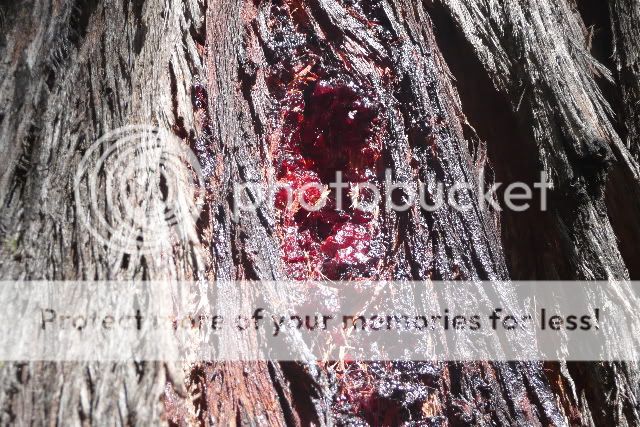
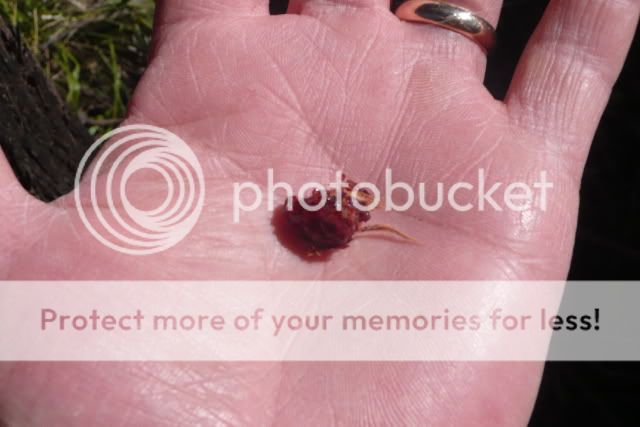
Plants can provide a range of usefull medicinal properties including the inner bark of willows that contain salicylates (the precursor of Asprin), Tannins that are a natural antiseptic and tanning agent, Volatile oils in the leaves of some species are also natural antiseptics (like Tea Tree oil). Other species produce a Tannin rich exudate (Kino) that when crushed and made into a paste with water is an effective anti bacterial
Direction finders
Be aware of the clues to direction some plants can give:
http://www.bladeforums.com/forums/showthread.php?t=606321
Animal
Animals (including mamals, marsupials,reptiles,fish & birds) are a valuable food source. Animal skins are very usefull as a source of leather thongs, soft shoes and clothing if needed.
Become familiar with the animals in the area, their tracks & other signs they leave (including their scats).
Whilst hunting does expend energy, it becomes more eficient if the hunter is also gathering, cataloging and checking any traps, snares, setlines/trotlines whilst doing it. If you are going to rely on fish, then you'll need to be able to find bait. Under and inside rotten logs is always worth a look
Develope the skill to be able to stalk close enough to an animal to be able to take it with a primitive weapon. Even if you have a firearm, the shot will almost always be more effective at close range.

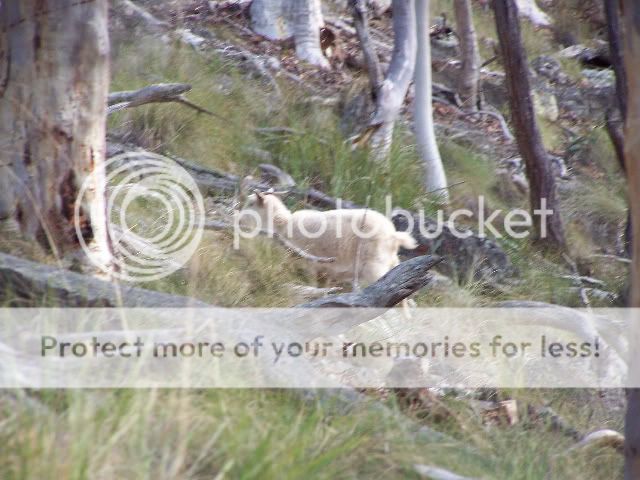
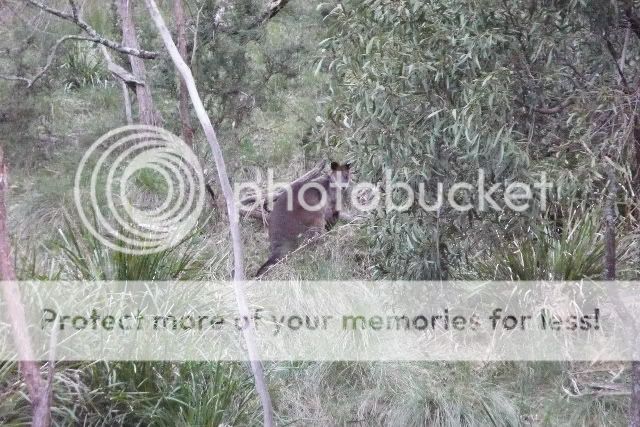
The fact that Birds can't walk backwards can be used to trap them
I'll post up some more when I get back from running an errand.
Kind regards
Mick
IMO the absolutely fundamental requirement of long term living in the wild is to make the best use of all available resources.
In order to do this, four skills need to be developed:
(1) The ability to see what you are looking at.
(2) The ability to catalogue the resources available to you within the area (in other words, the ability to develope a mind map of what resources are available and where they are located).
(3) The skills to manipulate these resources to provide for your needs.
(4) The ability to relocate when the resources in the immediate area become depleted.
Resources available:
Plants:
In my experience (with the exception of desert environments), the largest and most widespread resoure available is going to be plants.
Edible varieties will provide varying amounts of the following: Carbohydrates, Vitamins, Minerals, Fats (especially seeds) and add fibre to the diet. Myself & others have been contributing to a thread on edible plants for a number of years now. Those interested can see a variety of Australian, European & Nth American edible plants at: http://www.knifeforums.com/forums/showtopic.php?tid/766213/tp/1/
Building materials for shelter & tools.
Most people already acknowledge the usefullness of saplings and branches to build the framework of a shelter. Bark is a very usefull material for cladding the structure, making it both windproof & waterproof. IMO, it is well worthwhile developing the ability to strip bark in usefull sizes from a downed tree .http://www.bladeforums.com/forums/showthread.php?t=605533
Tools. Be prepared to be able to make a variety of tools (& not just spoons
) from available material: http://www.bladeforums.com/forums/showthread.php?t=649938 Fibre for cordage: http://www.bladeforums.com/forums/showthread.php?t=609270
Medicinal
Plants can provide a range of usefull medicinal properties including the inner bark of willows that contain salicylates (the precursor of Asprin), Tannins that are a natural antiseptic and tanning agent, Volatile oils in the leaves of some species are also natural antiseptics (like Tea Tree oil). Other species produce a Tannin rich exudate (Kino) that when crushed and made into a paste with water is an effective anti bacterial
Direction finders
Be aware of the clues to direction some plants can give:
http://www.bladeforums.com/forums/showthread.php?t=606321
Animal
Animals (including mamals, marsupials,reptiles,fish & birds) are a valuable food source. Animal skins are very usefull as a source of leather thongs, soft shoes and clothing if needed.
Become familiar with the animals in the area, their tracks & other signs they leave (including their scats).
Whilst hunting does expend energy, it becomes more eficient if the hunter is also gathering, cataloging and checking any traps, snares, setlines/trotlines whilst doing it. If you are going to rely on fish, then you'll need to be able to find bait. Under and inside rotten logs is always worth a look
Develope the skill to be able to stalk close enough to an animal to be able to take it with a primitive weapon. Even if you have a firearm, the shot will almost always be more effective at close range.
The fact that Birds can't walk backwards can be used to trap them
I'll post up some more when I get back from running an errand.
Kind regards
Mick
Last edited:
- Joined
- Mar 22, 2006
- Messages
- 5,944
nice post, Mick
- Joined
- Aug 4, 2009
- Messages
- 6,234
A pencil and paper also goes a long way-for mapping trap lines, known animal trails and dens, groves of edible vegitables or certain woods used for bushcrafting, common trail times to get from point A to point B around your living area... I'm re-reading the Hatchet series by Gary Paulsen and the Other Side of the Mountain and Julie of the Wolves series by Jean Craighead George, three children's novel series about people that find themselves in extended outdoor environments/survival situations, just to get a few ideas of day to day struggles one may encounter in such a situation.
- Joined
- Jan 22, 2009
- Messages
- 73
Bill Moreland, "Wild Man of the Clearwater".
I don't know HOW he did it. Perhaps it helped in that he was nuts and not quite all there.
I don't know HOW he did it. Perhaps it helped in that he was nuts and not quite all there.