
- Joined
- Apr 2, 2017
- Messages
- 29
Material: D2
Optimize the traditional alloying process of high alloy "ills".
"Ills"
High alloy chunks, sharp carbides have been a heat treatment problem, powder technology can be solved, but the cost is high, industrial large size mold is easy to exceed its product production capacity range.
If you want to limit the performance of a high alloy steel, the first step is to optimize the carbide, so that the distribution of uniform, narrow size, rounded shape. Followed by often said that the grain size of things, too late on the map, the grain size is also very high
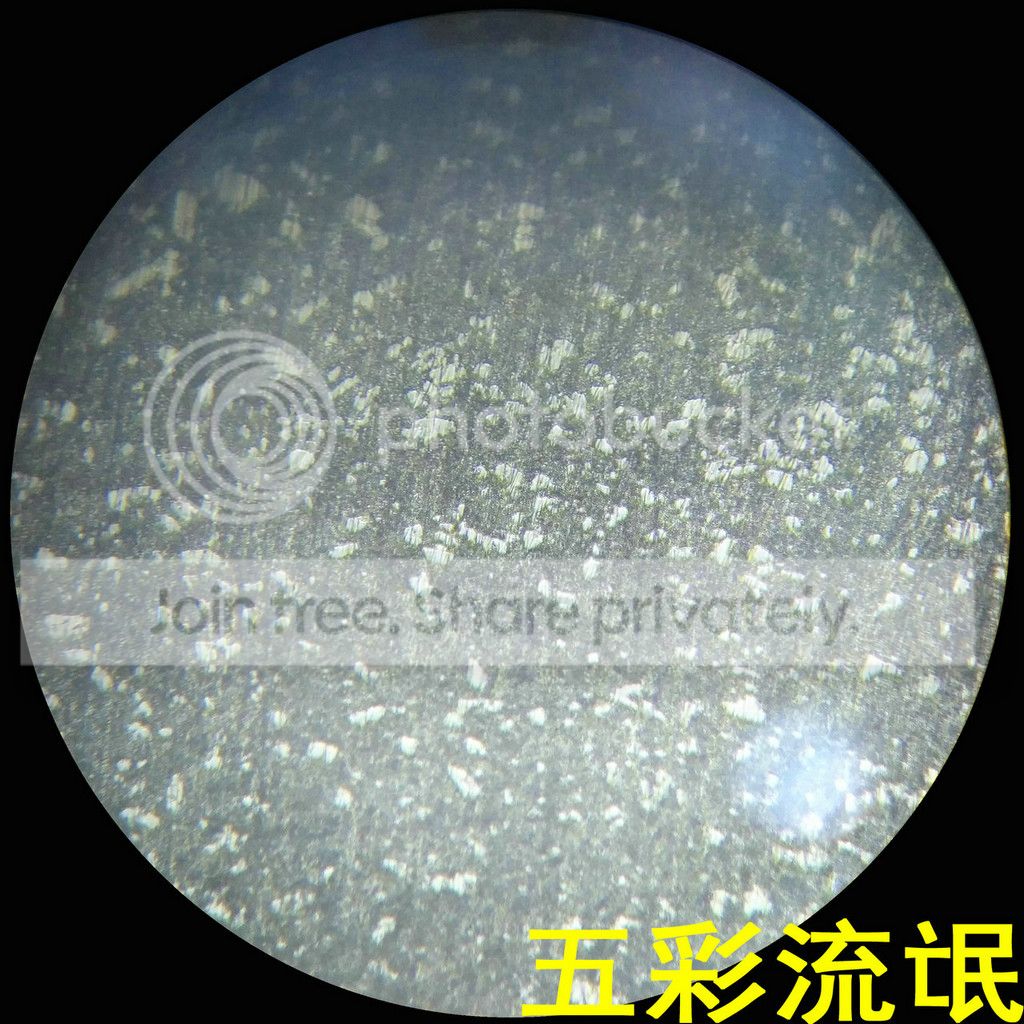
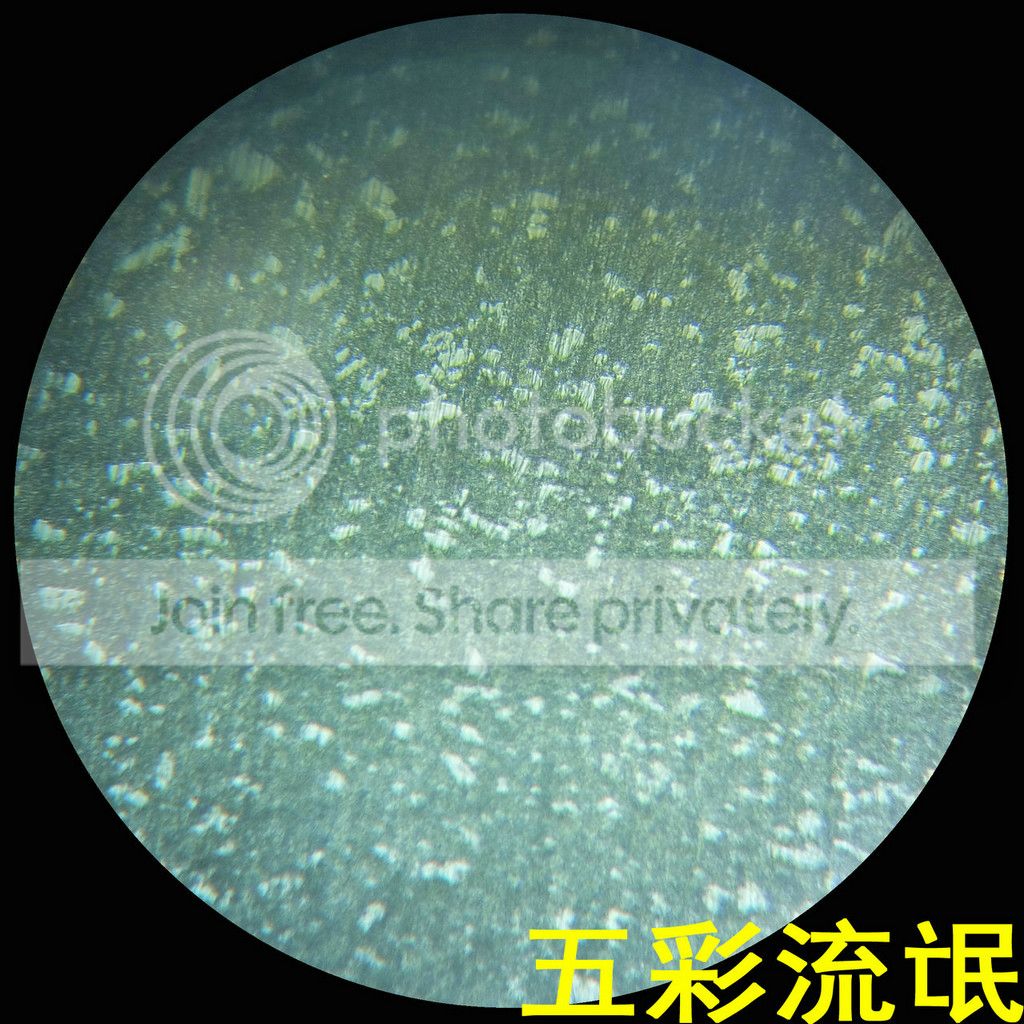
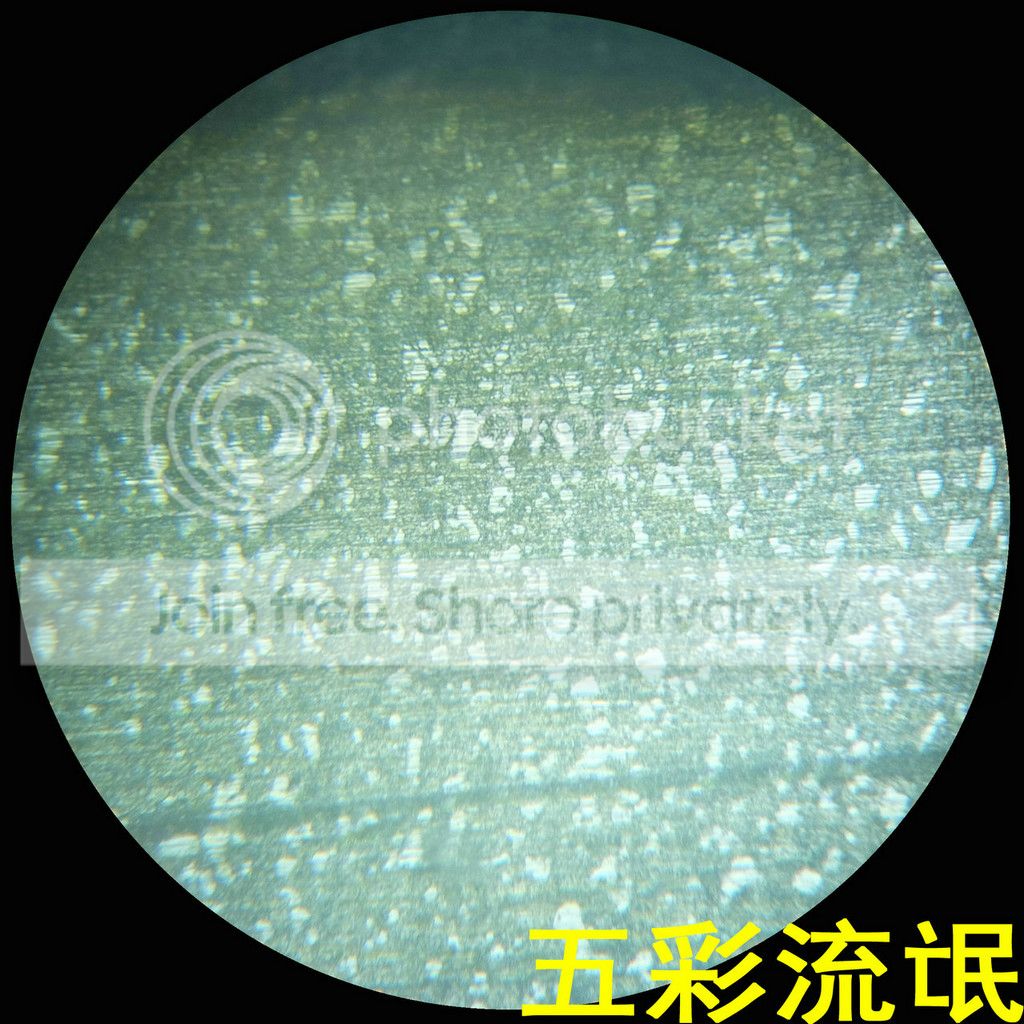
The test on the basis of throwing on the basis of color, or very successful. The heat treatment process optimizes the carbide of the steel.
From the gold point of view
1, no traditional chunks of carbide
2, carbide generally rounded
3, carbide distribution evenly
4, the number of carbides more
Benefits are:
1, to enhance the comprehensive strength of steel
2, to improve the impact toughness of steel
3, to enhance the retention
4, making it relatively easy to polish sharp





Injured
Random shot, most of the size of a few um, the number is 20um, the vast majority are less than 15um. And the number of large, this is still not optimized over the case of ultra-fine carbides, if the money. The The Next time will do better.
This and I have seen before the D2 and other traditional smelting high alloy steel carbide phase diagram are not the same, this is much better. Contrast should be - between the traditional high alloy heat treatment and powder high alloy steel. I think it can be a blow.
Optimize the traditional alloying process of high alloy "ills".
"Ills"
High alloy chunks, sharp carbides have been a heat treatment problem, powder technology can be solved, but the cost is high, industrial large size mold is easy to exceed its product production capacity range.
If you want to limit the performance of a high alloy steel, the first step is to optimize the carbide, so that the distribution of uniform, narrow size, rounded shape. Followed by often said that the grain size of things, too late on the map, the grain size is also very high
The test on the basis of throwing on the basis of color, or very successful. The heat treatment process optimizes the carbide of the steel.
From the gold point of view
1, no traditional chunks of carbide
2, carbide generally rounded
3, carbide distribution evenly
4, the number of carbides more
Benefits are:
1, to enhance the comprehensive strength of steel
2, to improve the impact toughness of steel
3, to enhance the retention
4, making it relatively easy to polish sharp


Injured
Random shot, most of the size of a few um, the number is 20um, the vast majority are less than 15um. And the number of large, this is still not optimized over the case of ultra-fine carbides, if the money. The The Next time will do better.
This and I have seen before the D2 and other traditional smelting high alloy steel carbide phase diagram are not the same, this is much better. Contrast should be - between the traditional high alloy heat treatment and powder high alloy steel. I think it can be a blow.
