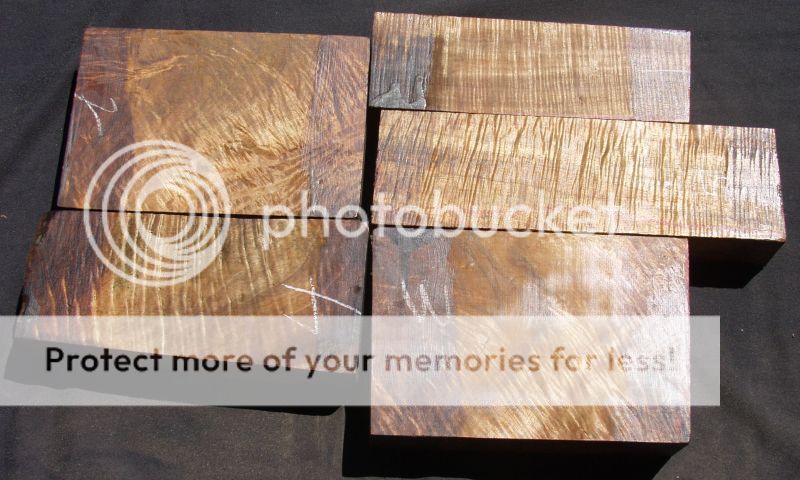
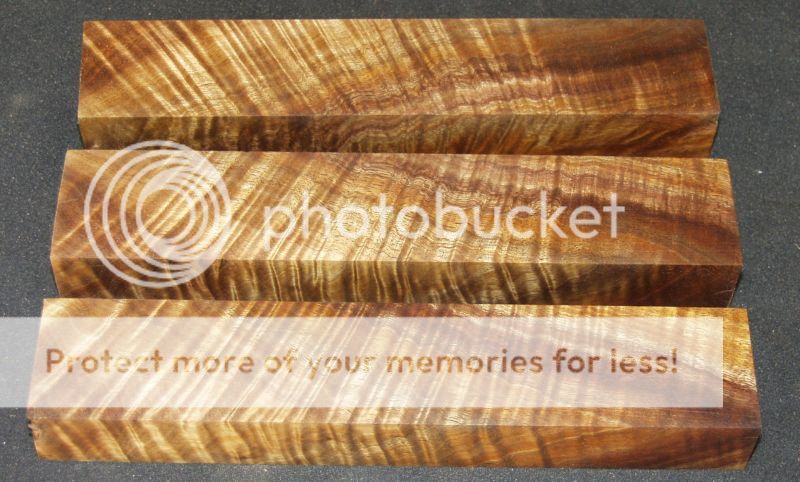
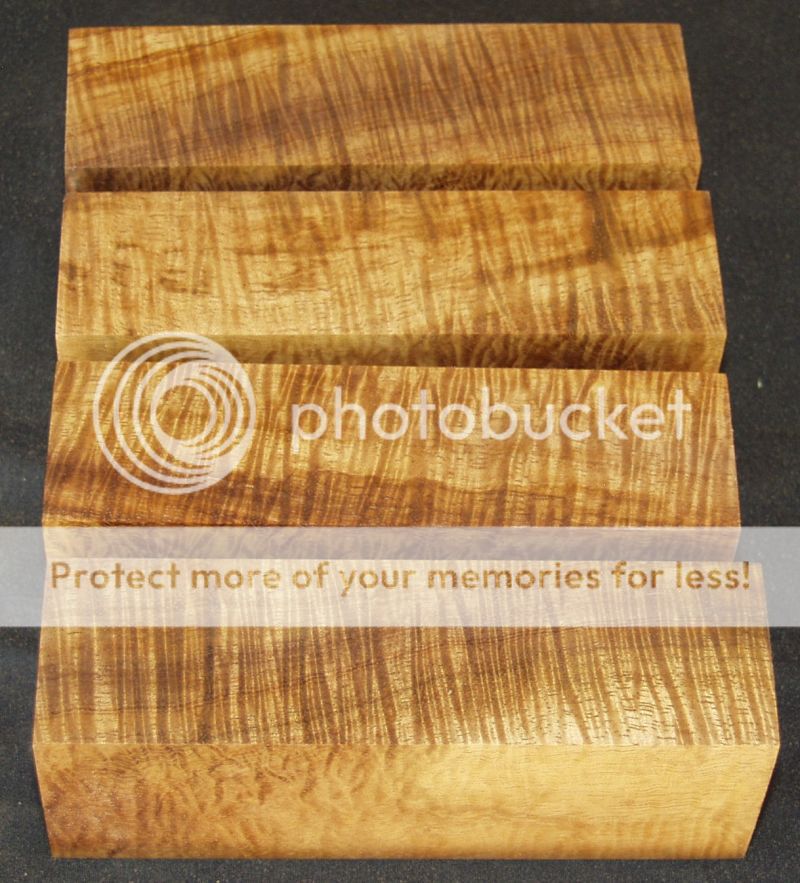
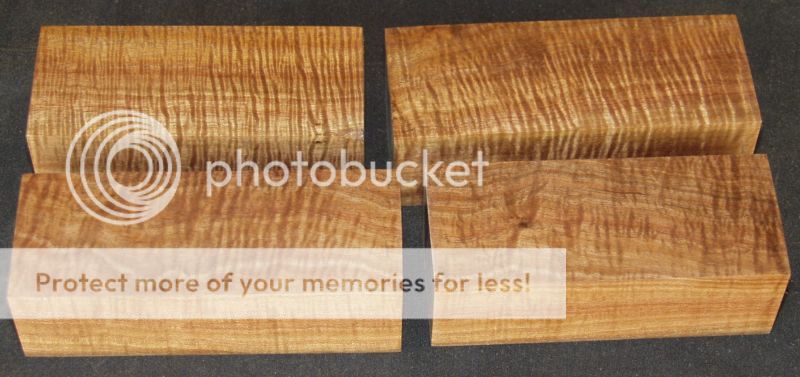
Chatoyancy is supposed to be a descriptive term used with gemstones. I have seen a lot of wood with more flashing moving reflecting light figure than I have in any gemstone so I will continue to call it chatoyancy when that's the case. I might be talking wrong, but you know what I mean.
I agree. A good piece of koa finished out well will out dazzle most tiger eye gem stones (which are highly reputed for their chatoyancy).
==============================================
Chatoyancy
From Wikipedia, the free encyclopedia
In gemology,
chatoyancy or
chatoyance, is an optical reflectance effect seen in certain gemstones. Coined from the French "il de chat," meaning "cat's eye," chatoyancy arises either from the fibrous structure of a material, as in tiger eye quartz, or from fibrous inclusions or cavities within the stone, as in cat's eye chrysoberyl. The effect can be likened to the sheen off a spool of silk: The luminous streak of reflected light is always perpendicular to the direction of the fibres. For a gemstone to show this effect best it must be cut en cabochon, with the fibers or fibrous structures parallel to the base of the finished stone. Faceted stones are less likely to show the effect well.
The term Cat's Eye, when used by itself as the name of a gemstone, can only be used to refer to a Cat's Eye Chrysoberyl. Any other stone exhibiting this phenomenon must have the stone's name after the Cat's Eye identifier, i.e. Cat's Eye Aquamarine.
Chatoyancy can also be used to refer to a similar effect in woodworking, where certain finishes will cause the wood grain to achieve a striking three-dimensional appearance.
==============================================
Have I earned a few scraps yet Mark?